


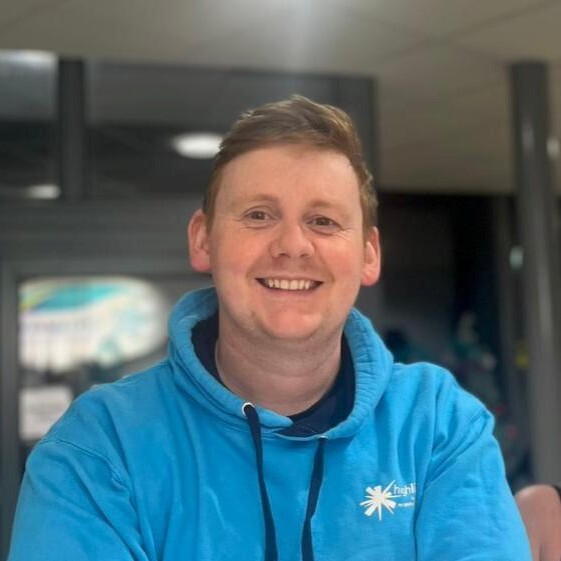
Lee Beckwith has been working in leisure for almost 15 years, delivering fitness classes for older adults across the Badenoch and Strathspey area for nearly 13 of those. Qualified to level 4 in falls prevention and GP referrals, he is one of our most experienced instructors in this area. We asked him to share what he sees every week — and why he believes these classes are some of the most important work we do.
This is the second in our series looking at staying active with a health condition. Last time, Eilidh introduced our health and wellbeing offer — this time, we're looking at why staying active matters even more as you get older.
Why I love this job
I love taking older adults classes — the people who come are there for a reason. They're motivated, they're appreciative, and watching the difference it makes over time is really something. I've been doing this for nearly 13 years and it still gives me a lot of satisfaction.
Whether someone is coming because their balance isn't what it used to be, they're waiting for a hip replacement and want to go in as strong as possible, or they simply want to get out of the house and be around people — there's always a good reason. And whatever that reason is, we meet them where they are.
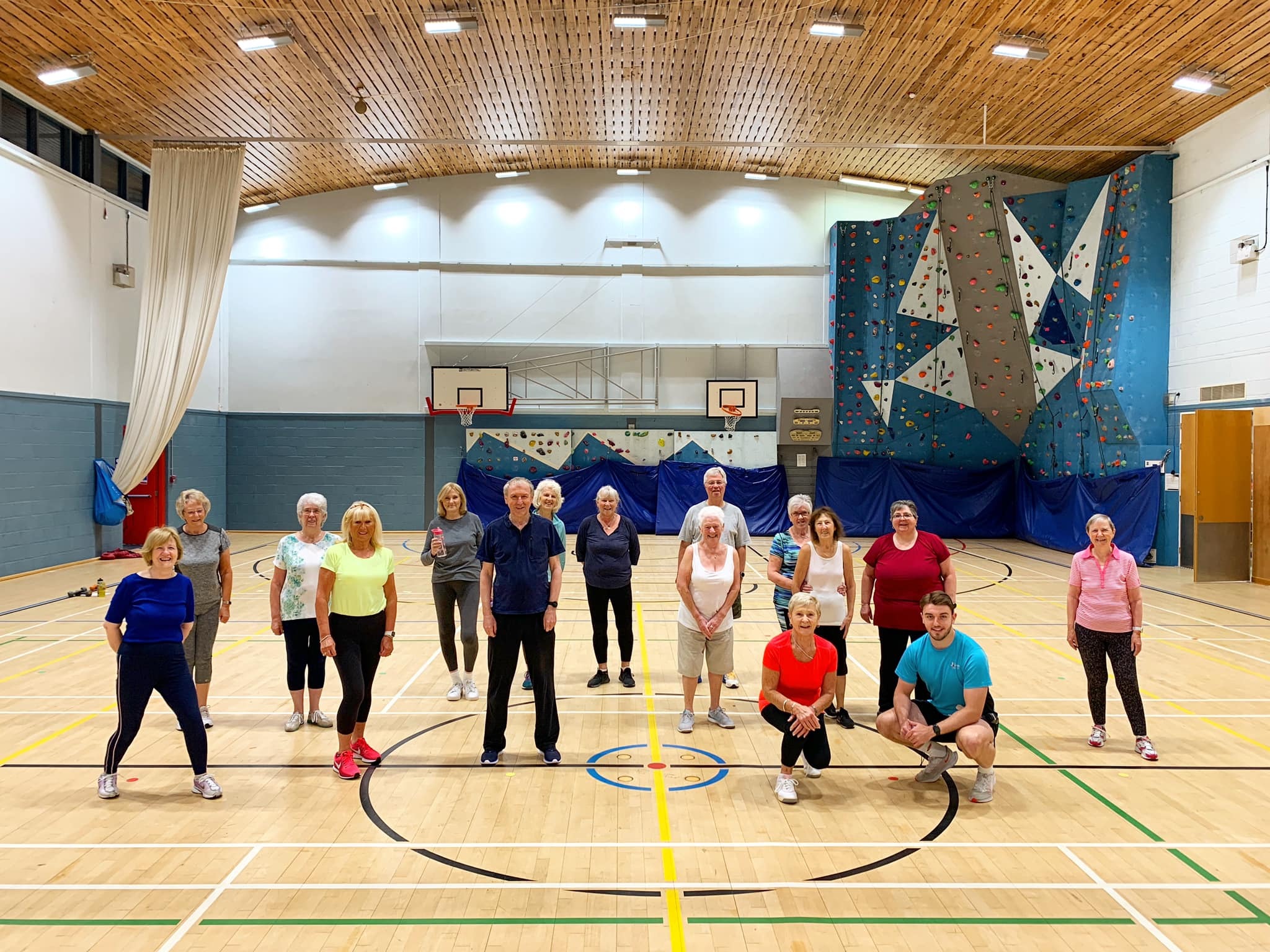
Why staying active matters more as we get older
As we age, we naturally lose muscle mass, bone density and balance — but regular exercise significantly slows all of that down. It helps maintain strength and mobility, reduces the risk of falls, supports joint health, and has a powerful effect on mental health too.
A lot of people come to us feeling that their mood is lower, that they're spending too much time at home, that things they used to love like gardening, cycling, hill walking are getting harder. Exercise doesn't just help with the physical side. Getting out, being around people, having something to look forward to each week makes a real difference to how people feel day to day.
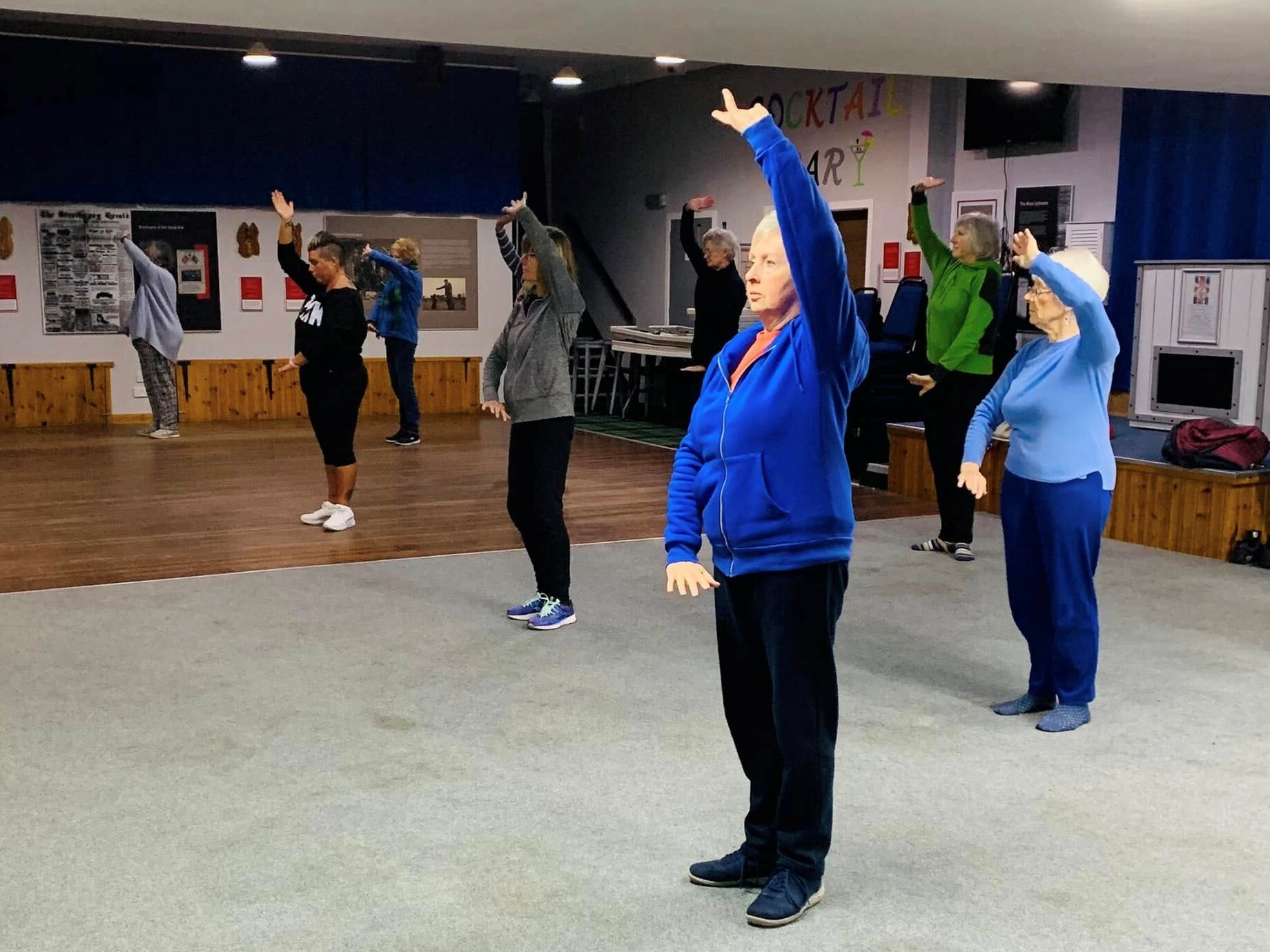
What is You Time?
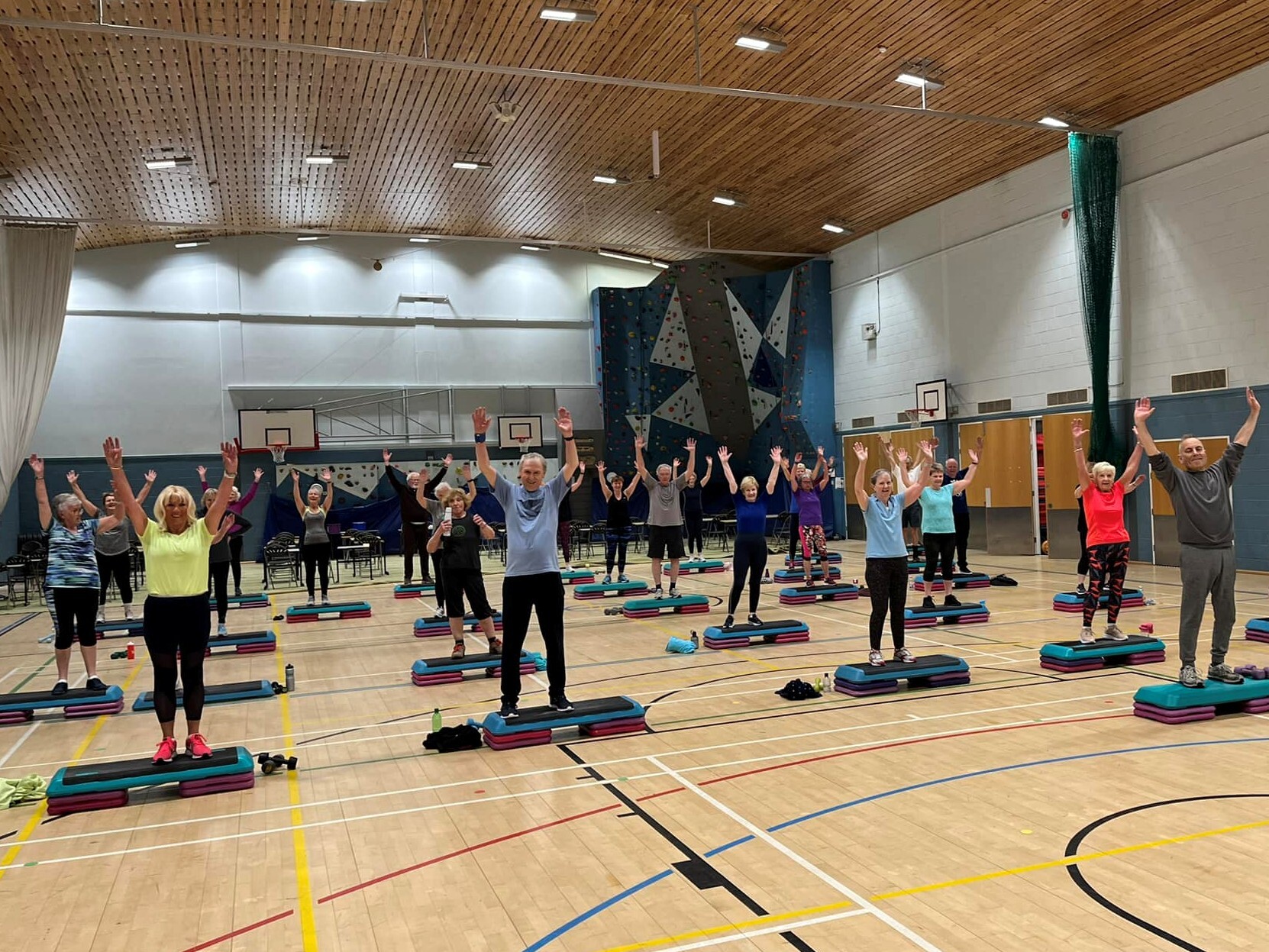
You Time is our programme of low to moderate intensity activities designed specifically for older adults. It covers a wide range of classes — from gentle, chair-based sessions right through to more active options — and every single one is adaptable. Whatever your starting point, there's something here for you.
The classes within the You Time programme include:
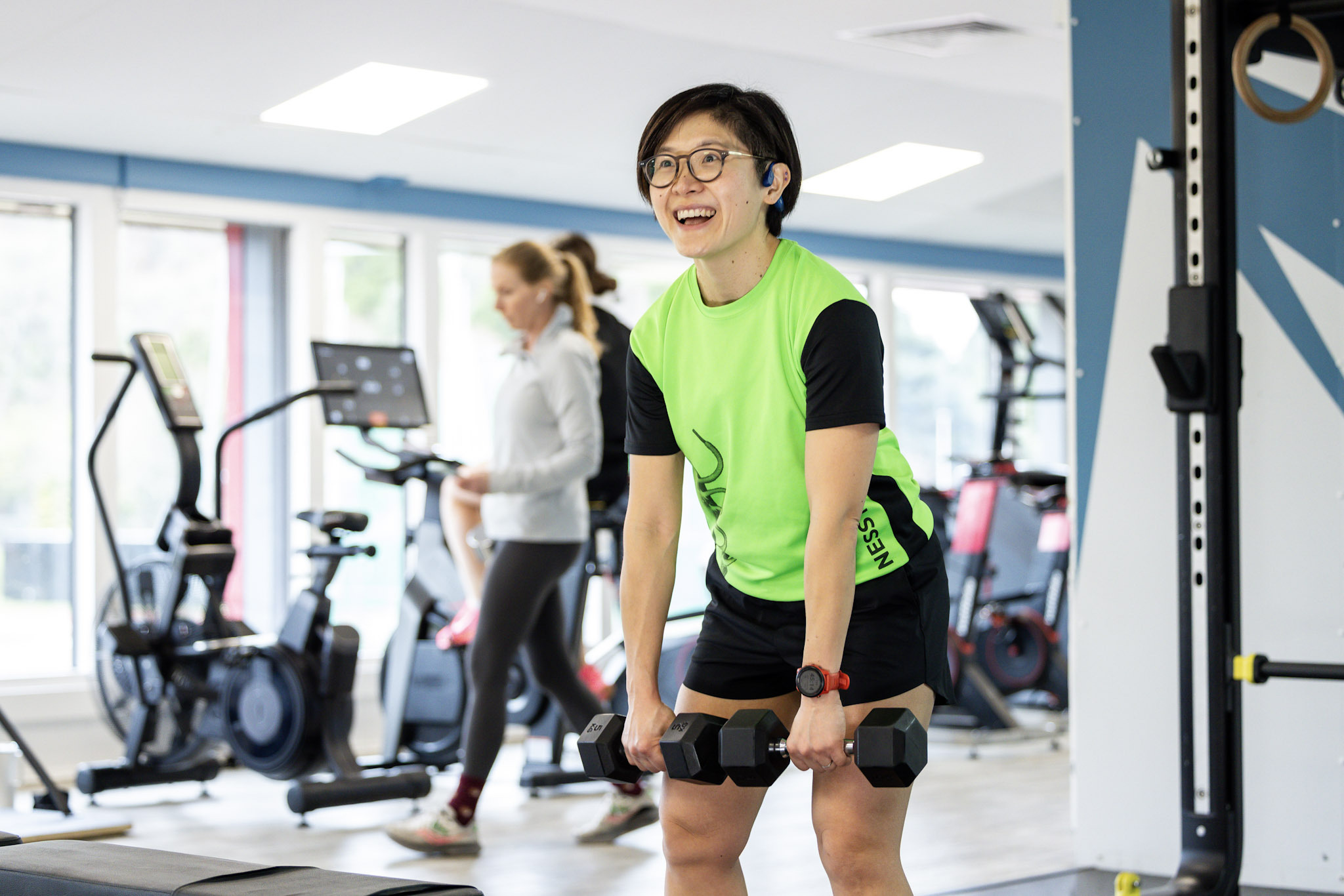
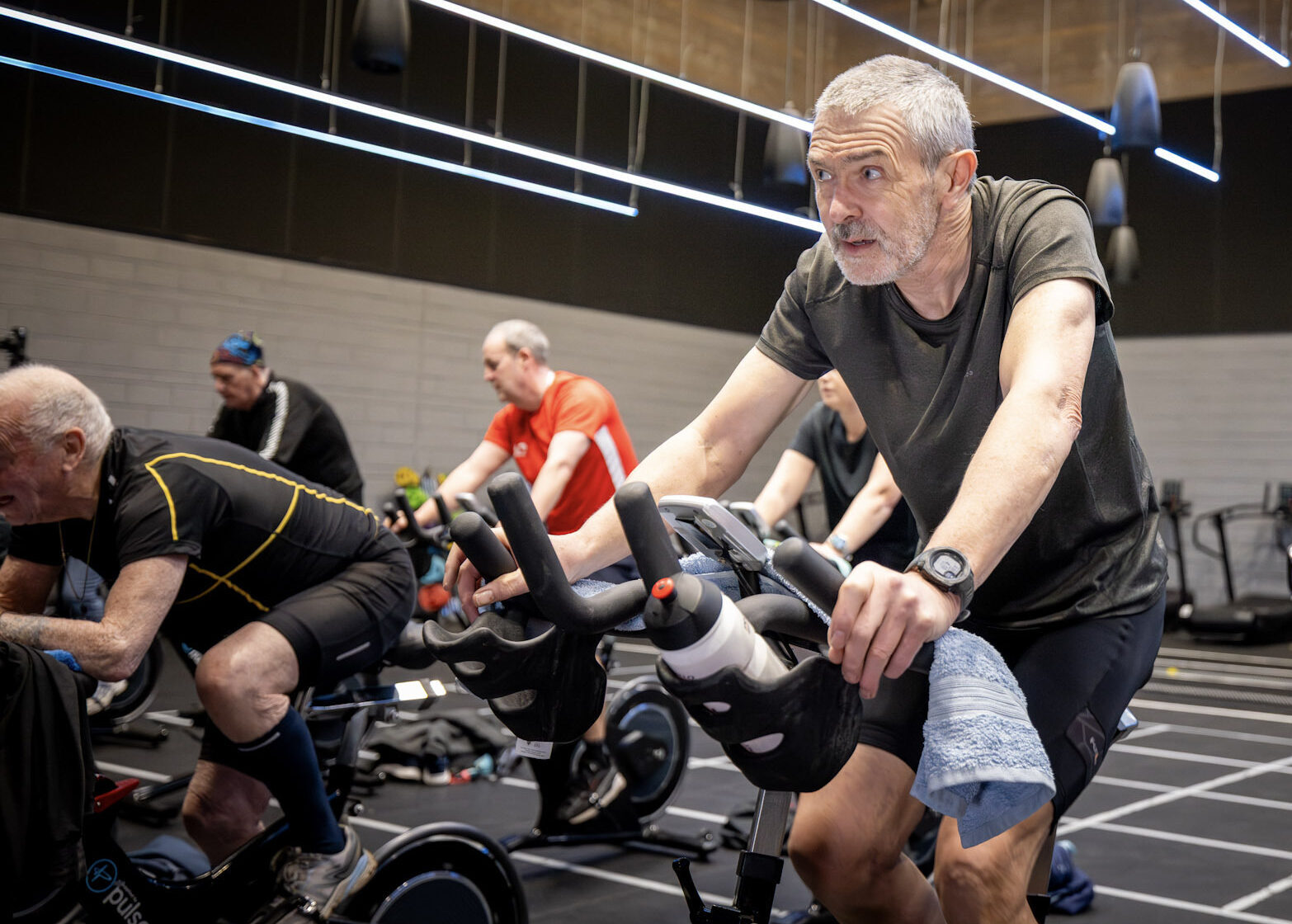
Fit Plus — a circuits-style class with different stations, suitable for people who are active and want to stay that way. All exercises can be adapted depending on your fitness level, and you choose your own weights. It's a step up from some of the gentler classes — moderate intensity, but absolutely achievable.
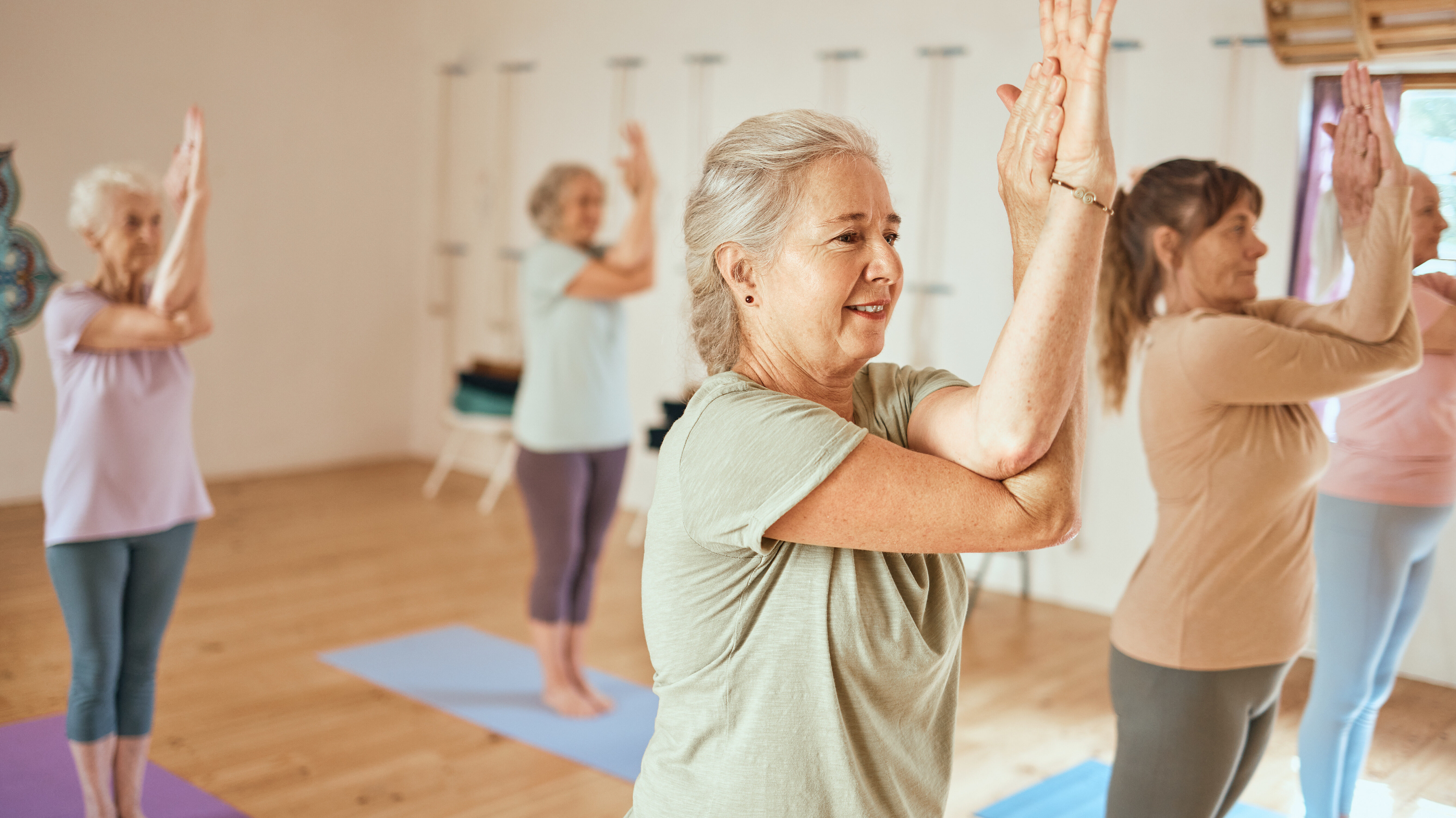
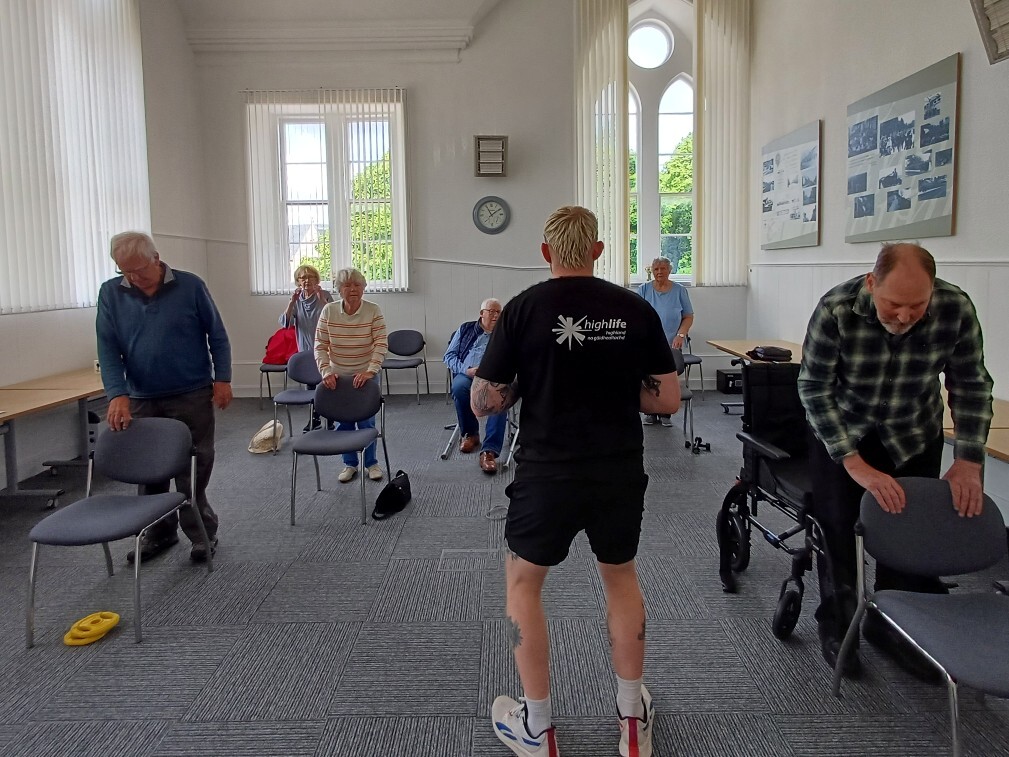
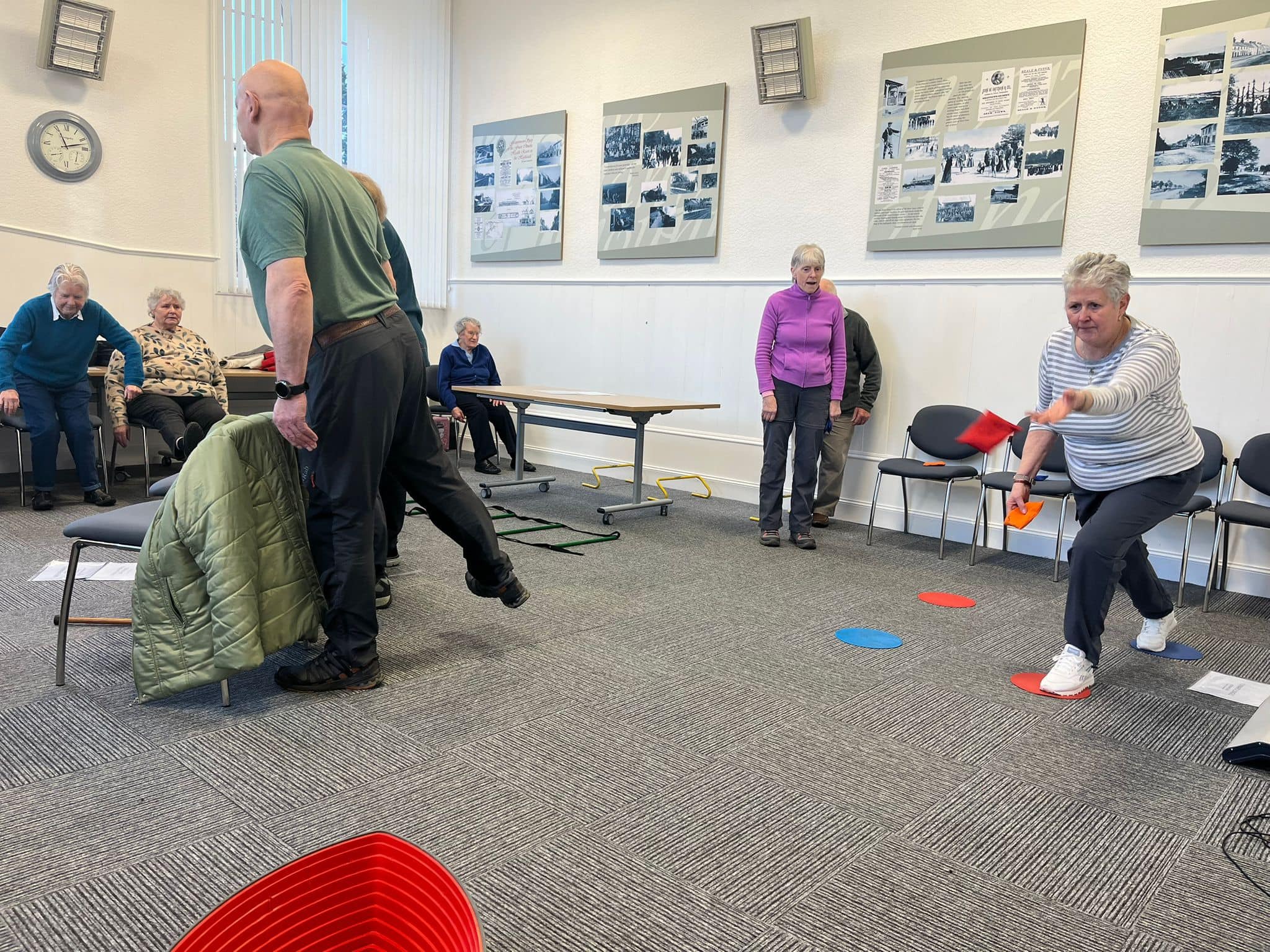
Strength and Balance - a gentle class focusing on balance, joint mobility and lower body strength. Really gentle on the joints, no high impact, and there's always a chair there for support. We do a lot of balance exercises and mobility work — great if you're quite sedentary or your joints feel stiff. There's more on this one below.
Aqua Fit — exercise in the water, which makes it low impact on the joints while still allowing moderate intensity. You can still jump around, do side jacks, get your heart rate up — but the resistance and buoyancy of the water means much less stress on the joints. Particularly good for people with osteoporosis or arthritis.
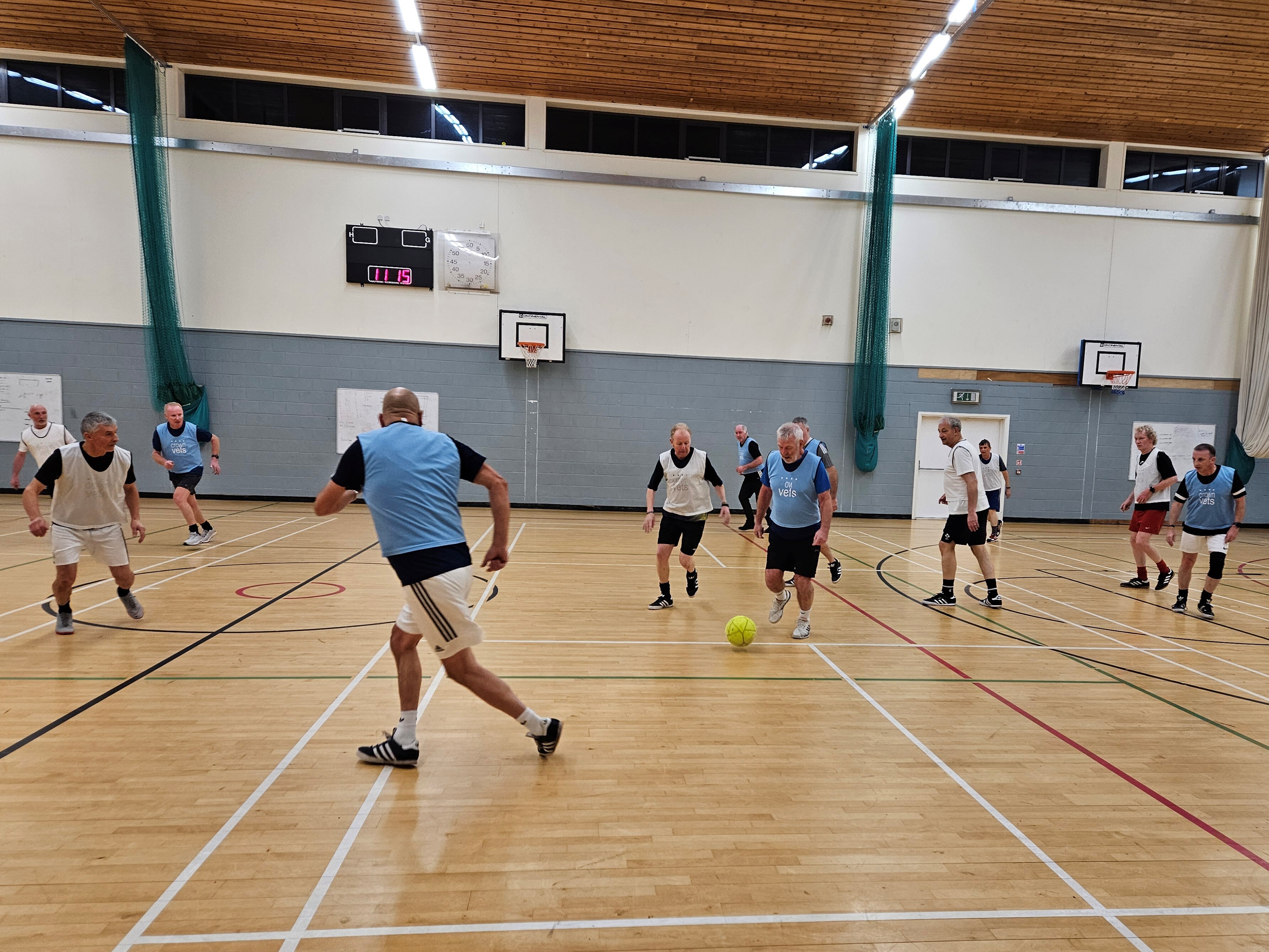
Walking Football — small-sided games, no running, great fun and very social. I won't lie, getting the competitive ones to actually walk is sometimes the hardest part of the session!
Tai Chi and Qi Gong — slow, mindful movement to improve balance and coordination, and gentle flowing sequences to calm the mind and mobilise the body. Both are accessible for all abilities.
Strength & Balance: what it is and why it matters
I want to talk about this one specifically. You might know it as falls prevention, and I think that name put people off. It shouldn't have.
A Strength & Balance class is not scary. It's not clinical. It's not a room full of people who've just come out of hospital. It's a friendly, supportive session focused on building the lower body strength, core stability and balance that help you stay on your feet and feel confident going about your daily life.
I recently heard a statistic that really stuck with me: around a third of people over 65 fall at least once a year, and that rises to half of people over 80. Falls cost the NHS over £2.3 billion a year — more than £6 million every single day. The human cost, in terms of lost confidence and independence, is even bigger.
What often happens after a fall is that people become more sedentary because they're worried about falling again. But that actually makes them more likely to fall. It's a difficult cycle to break — and that's exactly what these classes are designed to help with.
Sessions focus on lower body strength, core stability and balance — building the physical foundations that help you move with confidence, whether that's doing the shopping, getting out into the garden, or just getting up from a chair. They last between 45 minutes and an hour, and there's always a social element alongside the exercise.
Find a Strength & Balance class near you
Dynamic Wellbeing — getting back to activity safely
Dynamic Wellbeing is designed for people who are managing a long-term health condition or returning to activity after illness, injury or surgery — including strokes and other significant health events. It comes in two levels depending on where you are in your recovery and what support you need.
It's a progressive programme combining strength, balance, flexibility and aerobic exercise, with movements adapted to your individual situation. If you're not sure which level is right for you, just get in touch and we'll help you find the best starting point.
Find out more about Dynamic Wellbeing
The social side is just as important
The exercise matters, but it's not the only thing that matters!
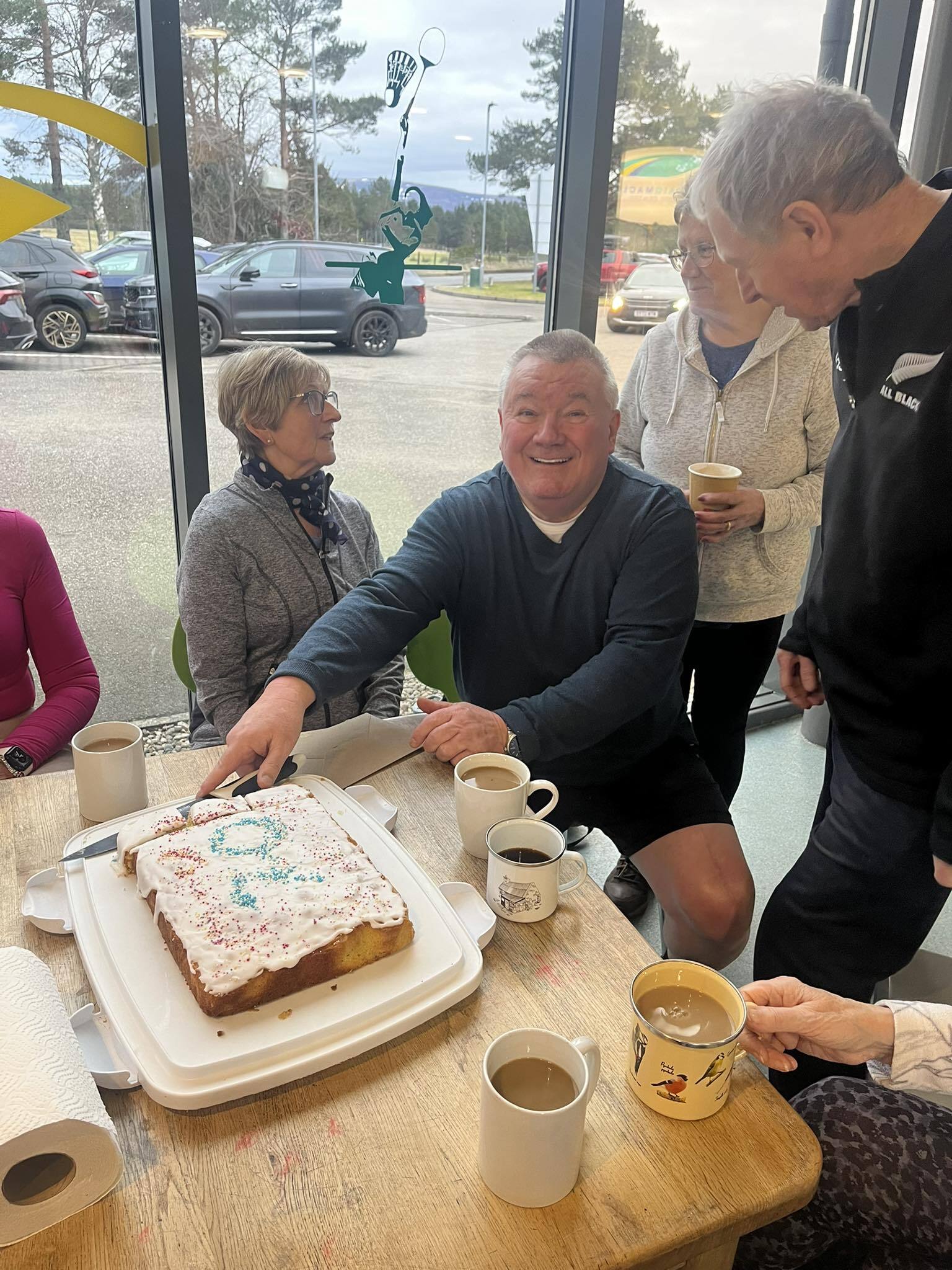
We put tea and coffee on after our You Time sessions. That time — chatting, catching up, getting to know people — is a huge part of what makes it work. People come for the class and stay for the community.
There are always birthday cards going round. Photographs up on the wall. People who've become proper friends. One of the gentlemen in our class recently turned 70 and handed out invitations to his birthday party to people he'd met through the class. That says everything.
One of the things I've seen more times than I can count is someone who came in reluctantly — maybe encouraged by a family member — who gradually finds their confidence and their people. There was a lady who started classes, quite frail and nervous, didn't really know anyone. Over time she built her strength, built her confidence, made friends. Eventually she started coming to Fit Plus too. Seeing that progression is a really satisfying part of the job!
You don't need a referral — you can just turn up
You do not need a GP referral or any medical sign-off to join any of these classes. Any member can come along.
If you're not sure whether it's right for you, come and have a chat with one of the instructors at your local leisure centre first, or phone us if that feels easier. You can even come along and watch for 10 or 15 minutes — you don't have to take part straight away. Stay for the tea and coffee afterwards and talk to the people who are already coming. That's often the best way to get a feel for whether it's for you.
And if you're a family member reading this and wondering whether a class might suit someone you care about — get in touch with your nearest centre and we'll talk it through.
Find your nearest High Life Highland leisure
Coming up next: we'll look at ESCAPE-pain, our programme for people managing joint pain in the hip, knee or lower back.