


Welcome to the first in a series of blogs about our health and wellbeing offer. To kick things off, Eilidh MacLean, our Activities Development Officer, talks us through what's on offer, why it matters, and why getting started is a lot less daunting than people think. Over the coming weeks, we'll also be hearing from some of the team behind the classes themselves.
A bit about me
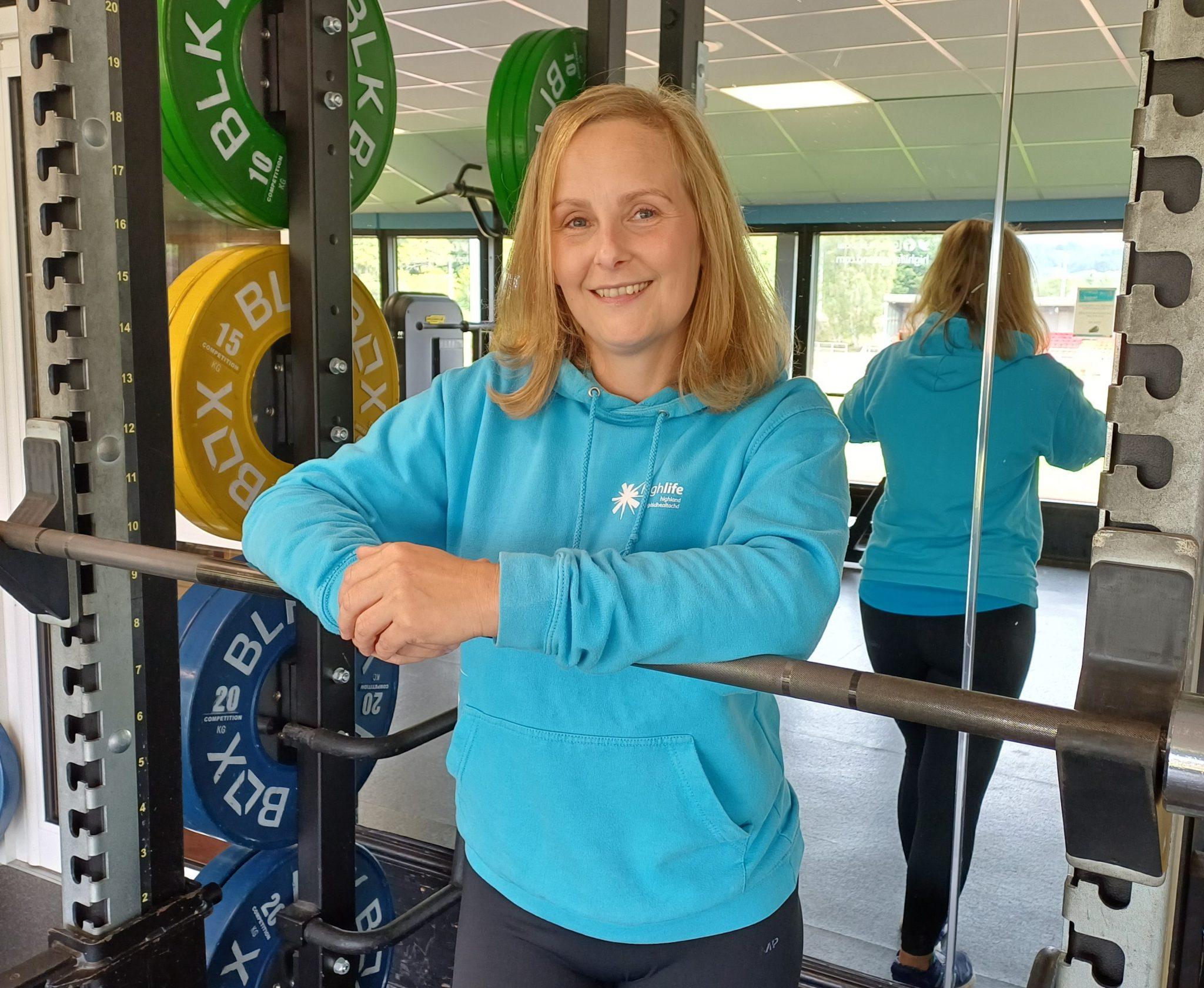
Hi, I'm Eilidh, Activities Development Officer at High Life Highland. My role is to coordinate our health and wellbeing classes across the Highlands. That covers a lot of ground — working with facility managers on scheduling, coordinating training and CPD for our instructors, and staying in close contact with our partners at NHS Highland, including the cardiac team, the MSK physios, and Parkinson's UK.
Before I moved into this role, I worked at Inverness Leisure, coordinating sports activities — adult swimming, the climbing wall, athletics, that sort of thing. When this post came up, it looked like a good chance to help more people get active, so I moved across. It started as a part-time role, but within a year it was clear there was more than enough work for it to be full-time. I've been doing it for about eight years now and I love it.
Why exercise still matters when you've got a health condition
A lot of people are wary of exercise once they've got a health condition to manage. That's completely understandable. But the evidence is pretty clear: as long as it's the right kind of movement for your condition, doing something is almost always better than doing nothing.
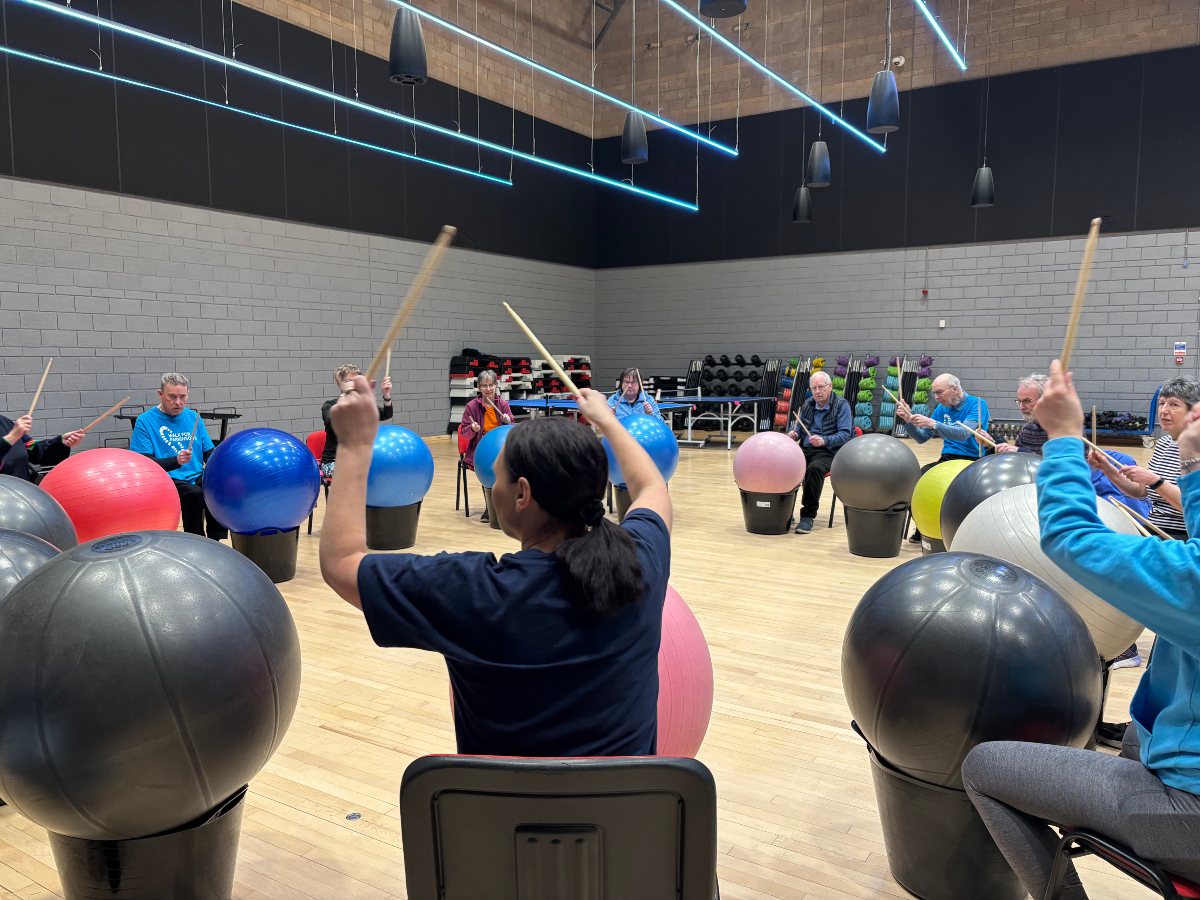
That's really the whole starting point for what we offer. Done at the right level, it can help people stay independent for longer, and it makes a real difference to mood, confidence and energy too. There's also something in the social side of it that people don't expect going in. Everyone else in that room understands what you're dealing with. You don't have to explain yourself. For a lot of people, that hour just becomes a proper break from everything else.
"I didn't think this was for me"
This is the biggest misconception we come up against. People worry they're not fit enough, or that a class won't really be built for someone like them.
Honestly, if you're even a little bit curious, just get in touch — there's no pressure and no wrong questions. You can have a chat with an instructor, come along and watch a session before joining in, or bring someone with you for support. Instructors can also show you round the facility beforehand, so nothing feels unfamiliar on the day. We genuinely want to hear from you, whatever stage you're at.
What's on offer
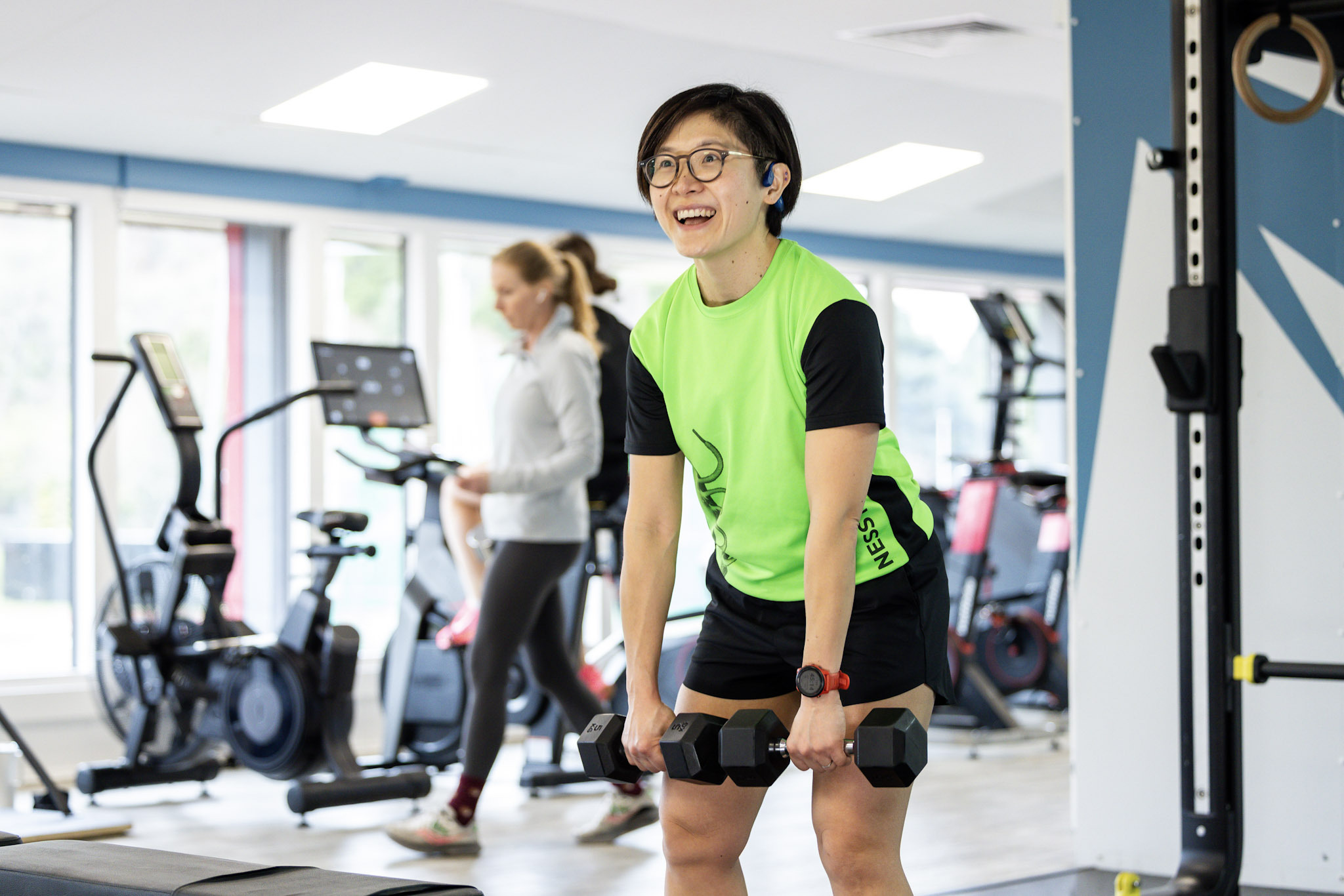
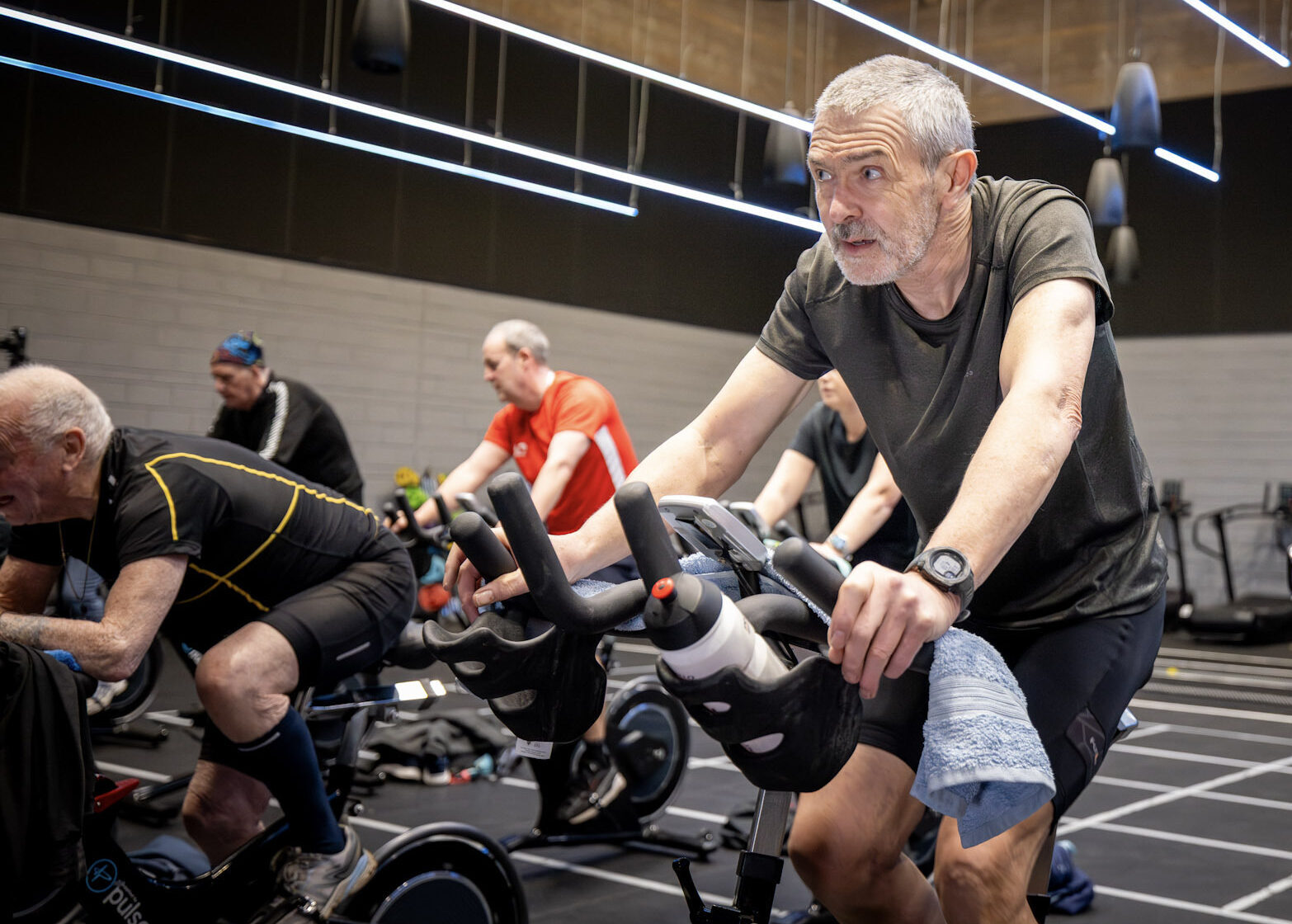
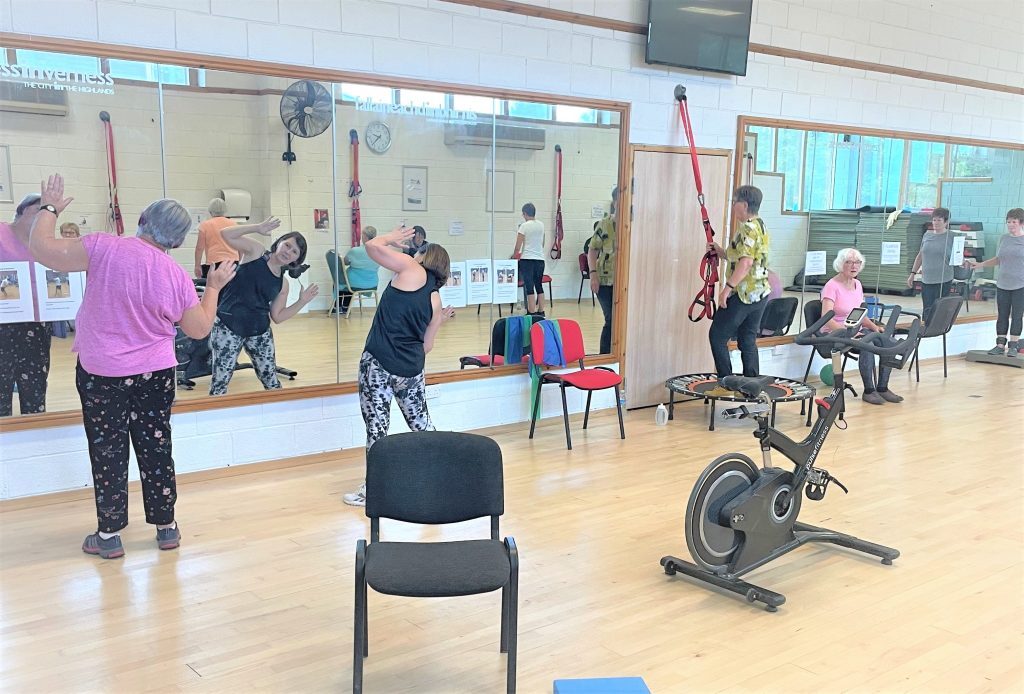
We've got classes built around specific conditions, and others for anyone who wants to be more active, whether or not they've got a diagnosis.
- ESCAPE-pain — for chronic pain, helpful if you're dealing with arthritis in the hips, knees or back
- Cancer rehab — for people at any stage of treatment, before or after surgery
- Cardiac rehab — helping you rebuild fitness and confidence after a cardiac event
- Living with type 2 diabetes — a block of sessions combining education with exercise
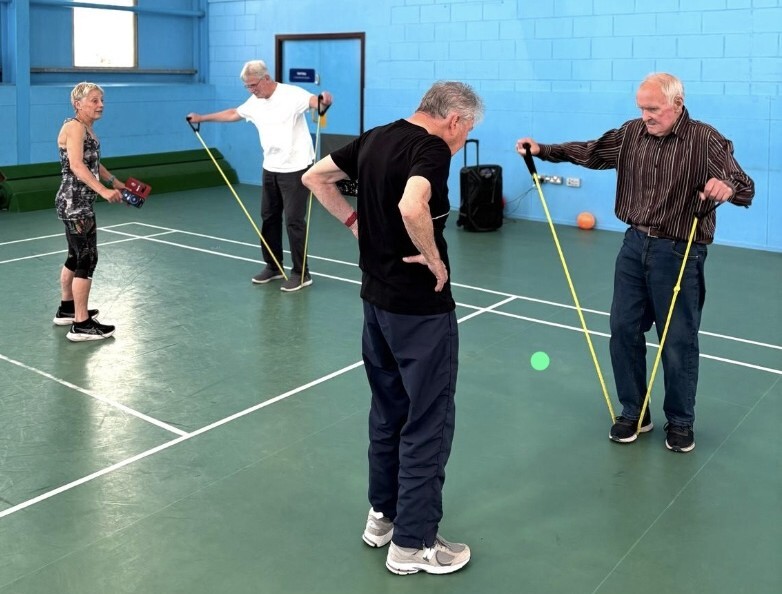
- Parkinson's exercise — exercise classes designed specifically for people living with Parkinson's
- Dynamic Wellbeing — for anyone who wants to move more, condition or not
Anyone can just come along and join these classes, with one exception — cardiac rehab, which needs a referral through the approved pathway with the NHS Highland Cardiac Team.
Most of these classes are also available online — ESCAPE-pain, cardiac rehab, cancer rehab, Dynamic Wellbeing and Parkinson's exercise all run as online options too. It's exactly the same class, just from home, which can be a good way in if getting to a centre isn't easy, or you'd simply rather start somewhere familiar.
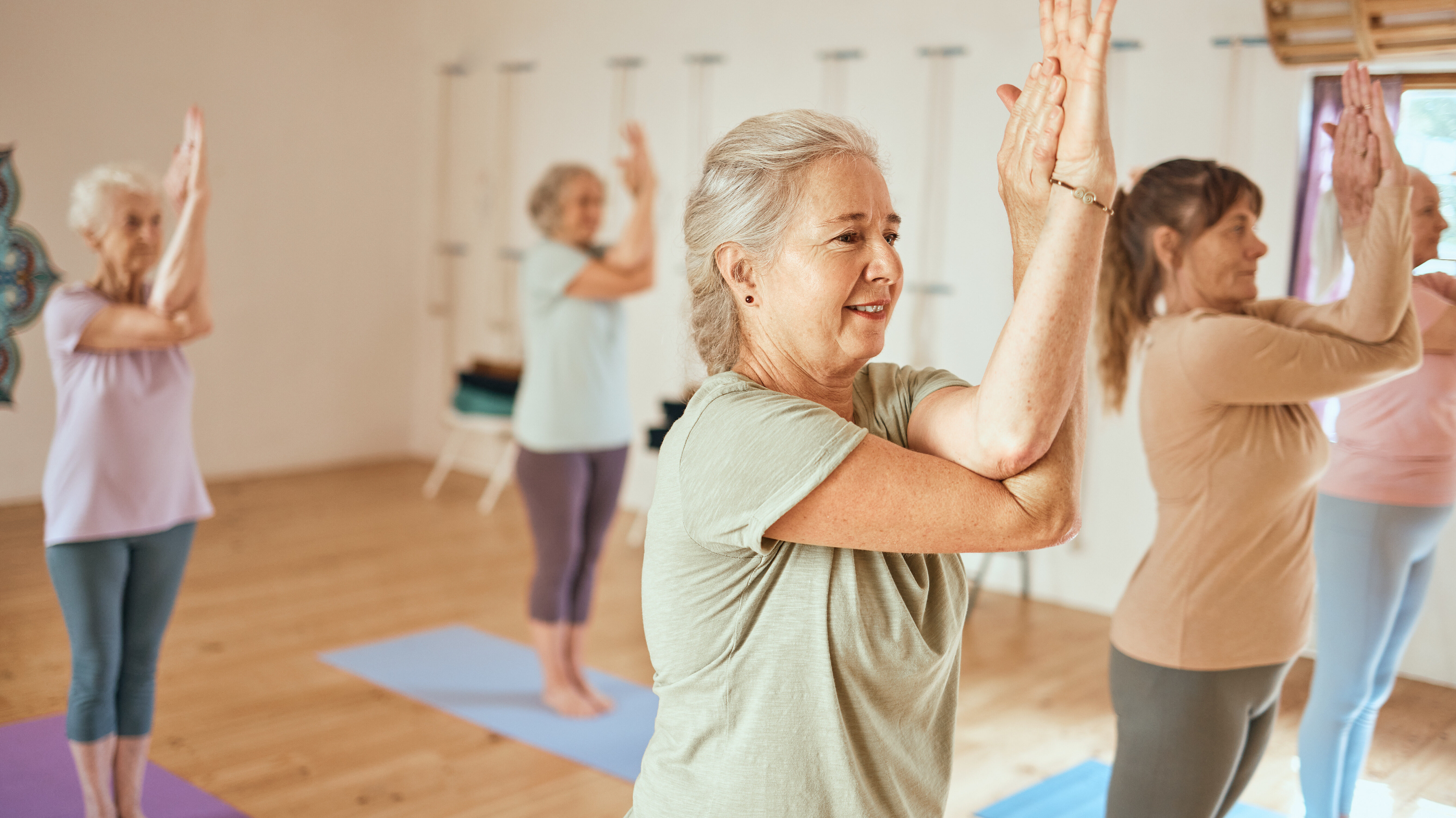
We also run You Time, a wider programme for older adults who want to be more active, along with falls prevention classes — more on both of those in next weeks blog post.
People who genuinely get it
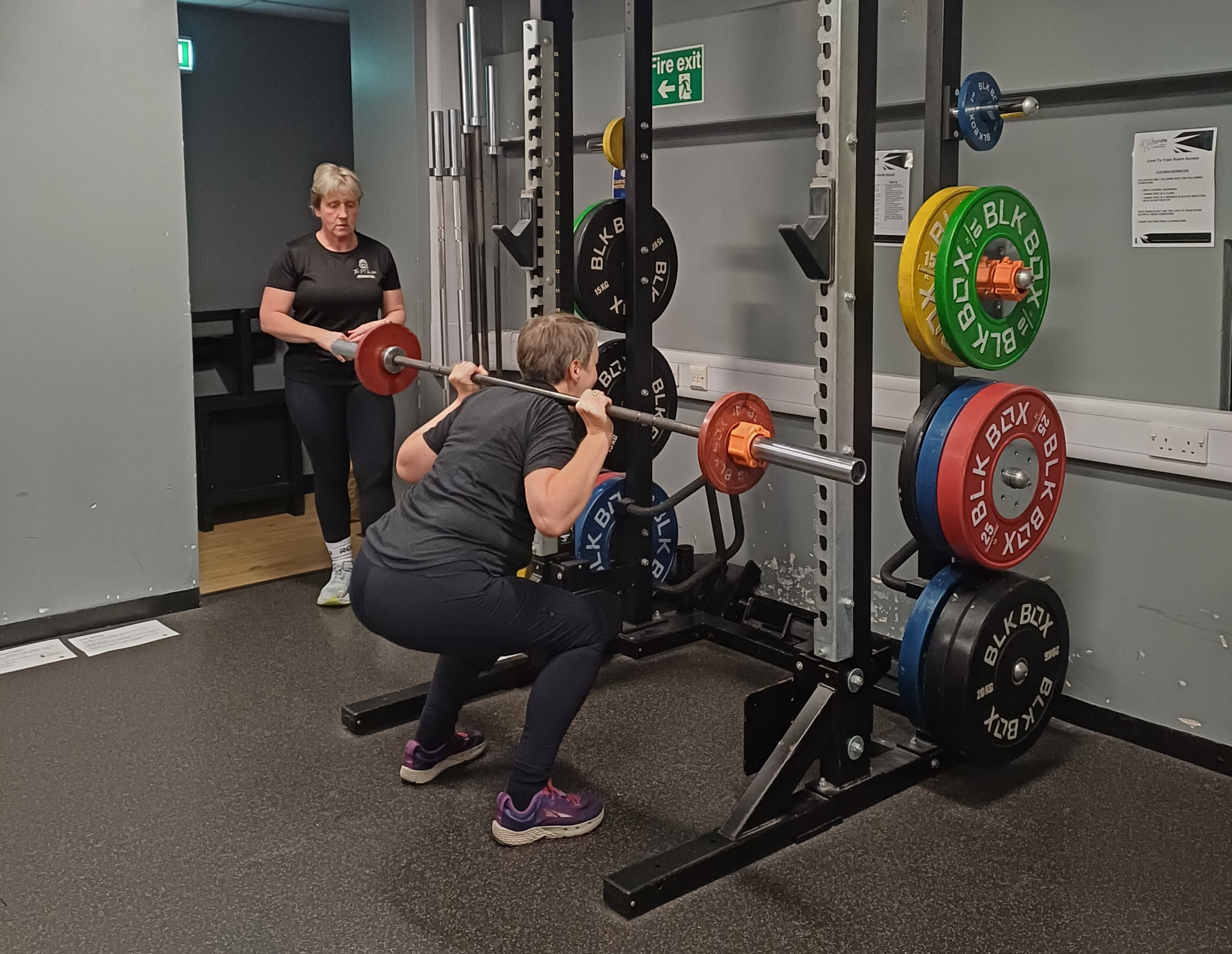
Every instructor delivering these classes is trained specifically for that area, so they understand the condition and the challenges that come with it, not just how to run a session. That means they know how to reassure someone who's nervous about lifting or bending, or unsure what their body can handle, and how to adapt things so everyone in the room is doing what's right for them.
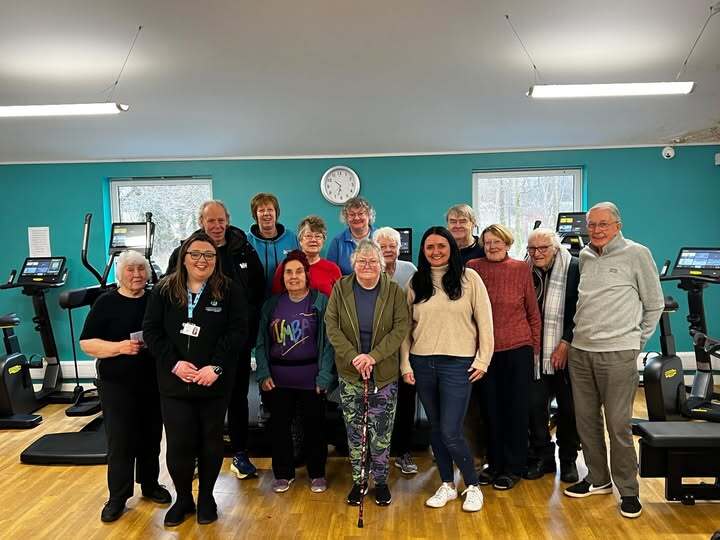
They're an encouraging bunch, too. A lot of people tell us the instructor is a big part of why they keep coming back. And it's not just about the exercise itself — plenty of our classes end up with people going for coffee together afterwards, or forming little social groups. Some of our facilities even put on tea and coffee after certain classes, if they've got the space. Those friendships often end up being just as valuable as the exercise.
A class that became a turning point
One story that's really stuck with me is a customer who came to our cancer rehab class. She'd been a regular at the gym before her surgery, but afterwards she'd lost the strength in her core and was nervous about what she could safely do.
We got an instructor to give her a call and talk through what the class would involve, and she came along to watch a session first. It's a small group in a small space, and she said seeing the instructor guide people through exercises that suited them made all the difference — she could see it wasn't going to set her back.
She was recovering, unable to work, and everyone around her — family, friends — was still out at work during the day, so she'd started to feel pretty isolated. The class really lifted her. She said she left it feeling excited, because she'd done something for herself and spoken to people who understood exactly what she was going through.
Eventually she moved on from the class altogether and went back to exercising independently in the gym. The class had done its job — it built her confidence, taught her what she could and couldn't do, and got her through a tough stretch, both physically and socially.
We've seen something similar with the type 2 diabetes programme. One person was referred by the NHS Highland dietetic team but missed the first block, unsure about coming along. After a chat about what to expect, they joined the next one — five weeks, half education, half exercise. They'd never set foot in a gym or leisure centre before. About a year on, they're managing their blood sugar much better and they've become a regular at the gym. A proper lifestyle change.
Getting started
You don't need to commit to anything to try one of these classes. You're welcome to come along pay-as-you-go and see how it feels first — plenty of people do exactly that before deciding it's for them.
If you do find yourself coming back week after week, becoming a member is worth a look, and gives you access to everything else we offer too. Either way, classes run at most of our centres across the Highlands, so there's likely one near you.
Coming up next: we'll be looking at staying active as you get older, and why it matters more than you think.