


A cancer diagnosis changes everything. It can leave you feeling overwhelmed, uncertain, and unsure of what you're even allowed to do any more, especially when it comes to exercise. Jennifer Ross is a personal trainer and cancer exercise rehabilitation specialist who runs our cancer rehab classes at Inverness Leisure. Here, she talks about who the classes are for, what they actually involve, and why getting moving again, at whatever pace suits you, can make a real difference.
This is the fourth in our series looking at staying active with a health condition. We've already looked at staying active with a health condition, staying active as you get older, and managing joint pain through ESCAPE-pain — this time, we hear from Jennifer Ross about cancer rehab.
How I came to this work
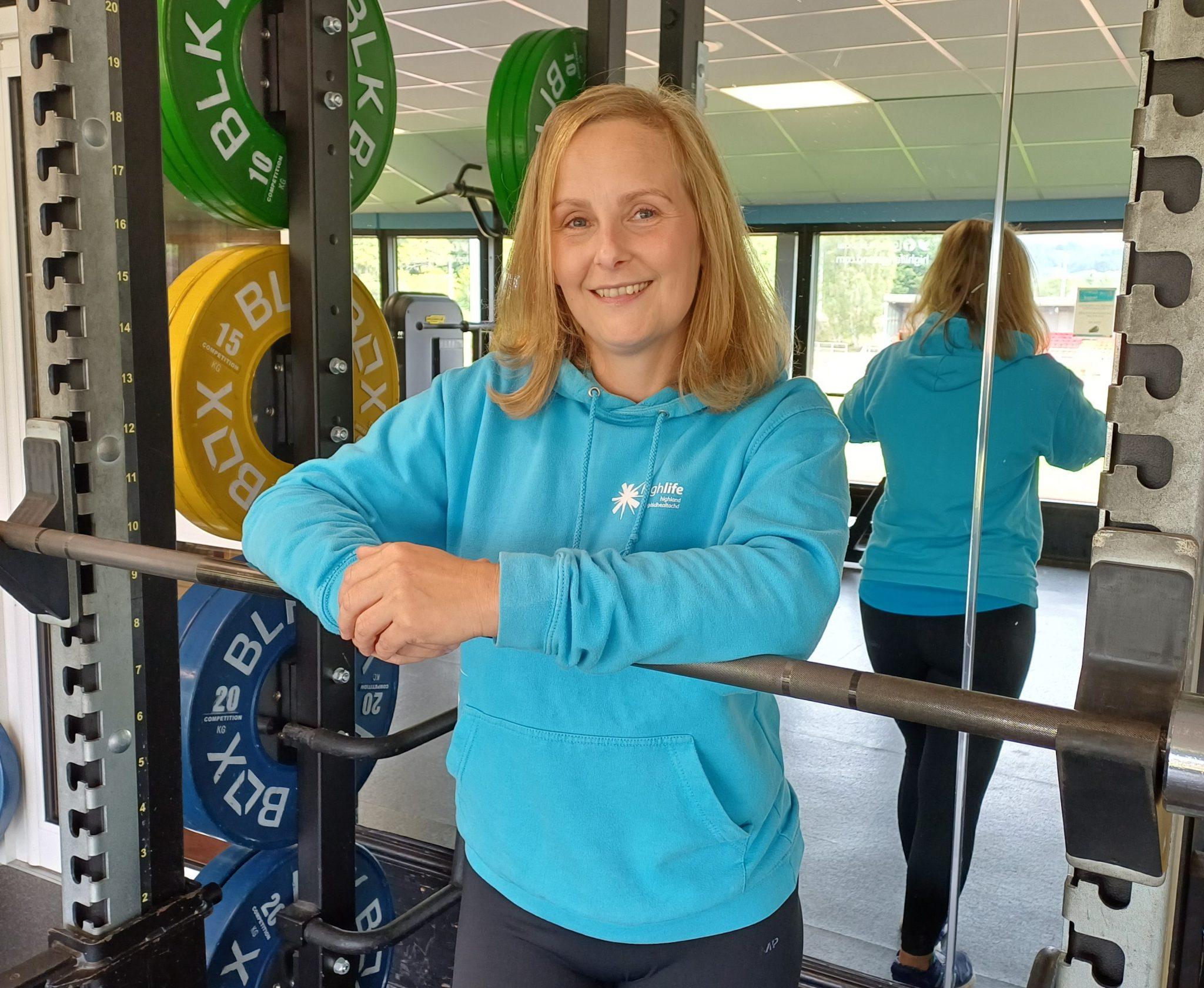
I'm Jennifer and I run the cancer rehab classes at Inverness Leisure. Before becoming a personal trainer, I was a police officer for 27 years. When I retired and started thinking about what came next, I knew I wanted to do something I genuinely cared about.
Over the years, several friends and relatives had been diagnosed with cancer. Some had successfully gone through treatment, some sadly hadn't. And with those that had been recently diagnosed, there just didn't seem to be any local guidance about what they could do. It was still very much 'just rest, look after yourself', but a lot of these people were very active individuals who had suddenly stopped exercising, either because they were overwhelmed by the diagnosis or just unsure of what they were supposed to do.
That was the motivation I needed. I got qualified in cancer and exercise rehabilitation through Can Rehab (a training programme led by Professor Anna Campbell, who is well known in the field) and I haven't looked back since.
One of the biggest myths about cancer and exercise
One of the myths I still hear is that people with cancer should simply rest. It's understandable. When you're facing treatment, the last thing you might think about is heading to the gym. But the thinking around this has shifted considerably.
We now know that appropriate exercise can be incredibly beneficial both before, during and after treatment. It can help reduce cancer-related fatigue, improve your strength and fitness, support your mental wellbeing, and help you maintain your independence and confidence.
The key word there is appropriate. Exercise should be tailored to the individual, taking into account their diagnosis, treatment, any side effects, and their current fitness levels. My role is to help people move safely and confidently, whatever that looks like for them.
Who comes to the classes and when
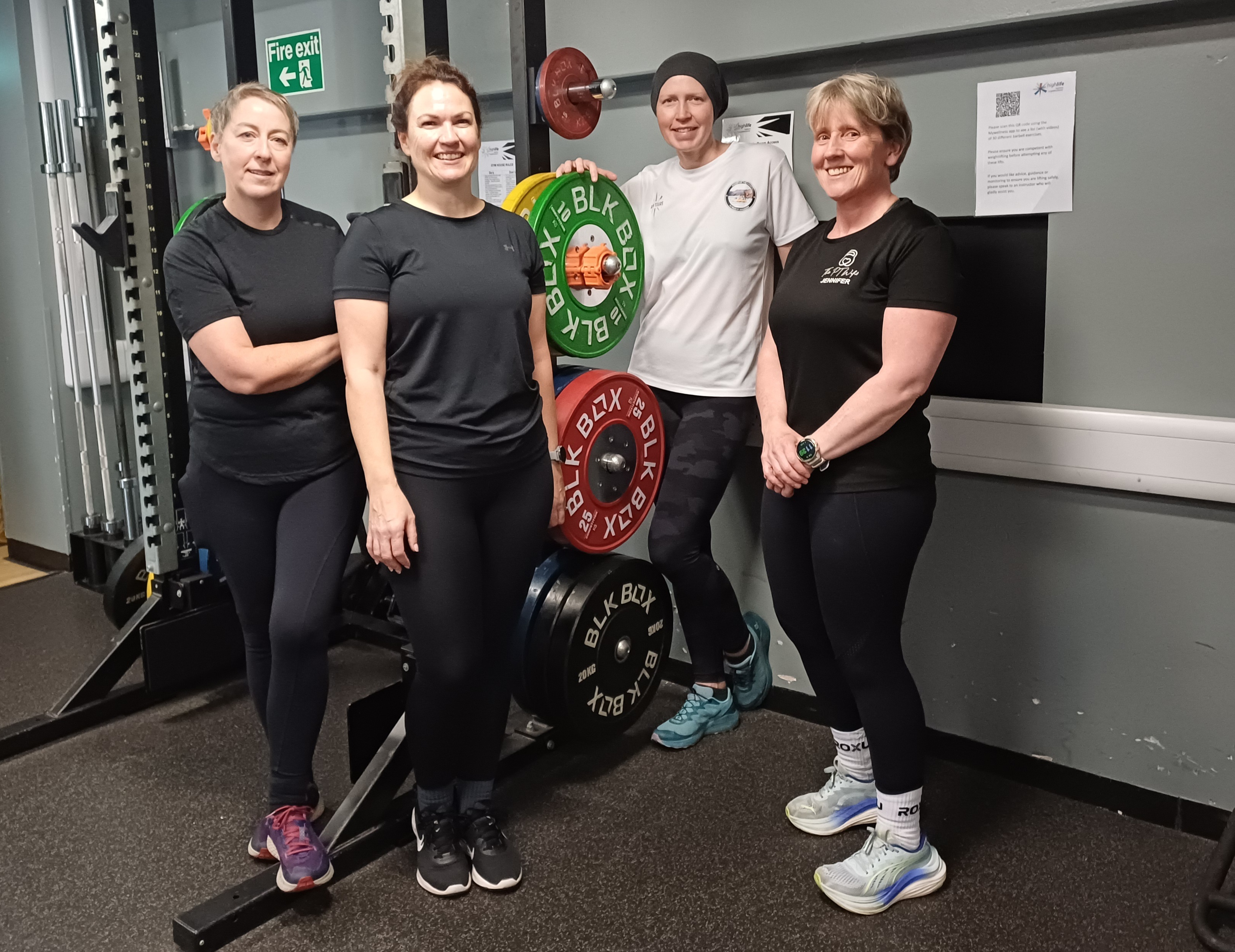
It really is an absolute mixture, and I think that surprises people. We get folk ranging from their mid-30s to their 70s, all different backgrounds, all different fitness levels, all at different points in their journey. People sometimes assume this kind of class will be aimed at one type of person, but that's really not the case.
Some people come before treatment has even begun , working on general fitness, cardiovascular health, or mobility, particularly if surgery is on the horizon. Others are still midway through chemotherapy and come along when they feel ready, provided they have medical clearance from their doctor. And others are months or even years beyond treatment and just want to get some level of fitness back, or rebuild the confidence to walk back into a gym.
It's not just for someone that this has just recently happened to. If you've had surgery or cancer treatment a number of years ago but you're still dealing with mobility issues or a lack of confidence about coming back to exercise. These classes are for you too.
There's no referral needed. You can simply get in touch and come along.
What a session actually looks like
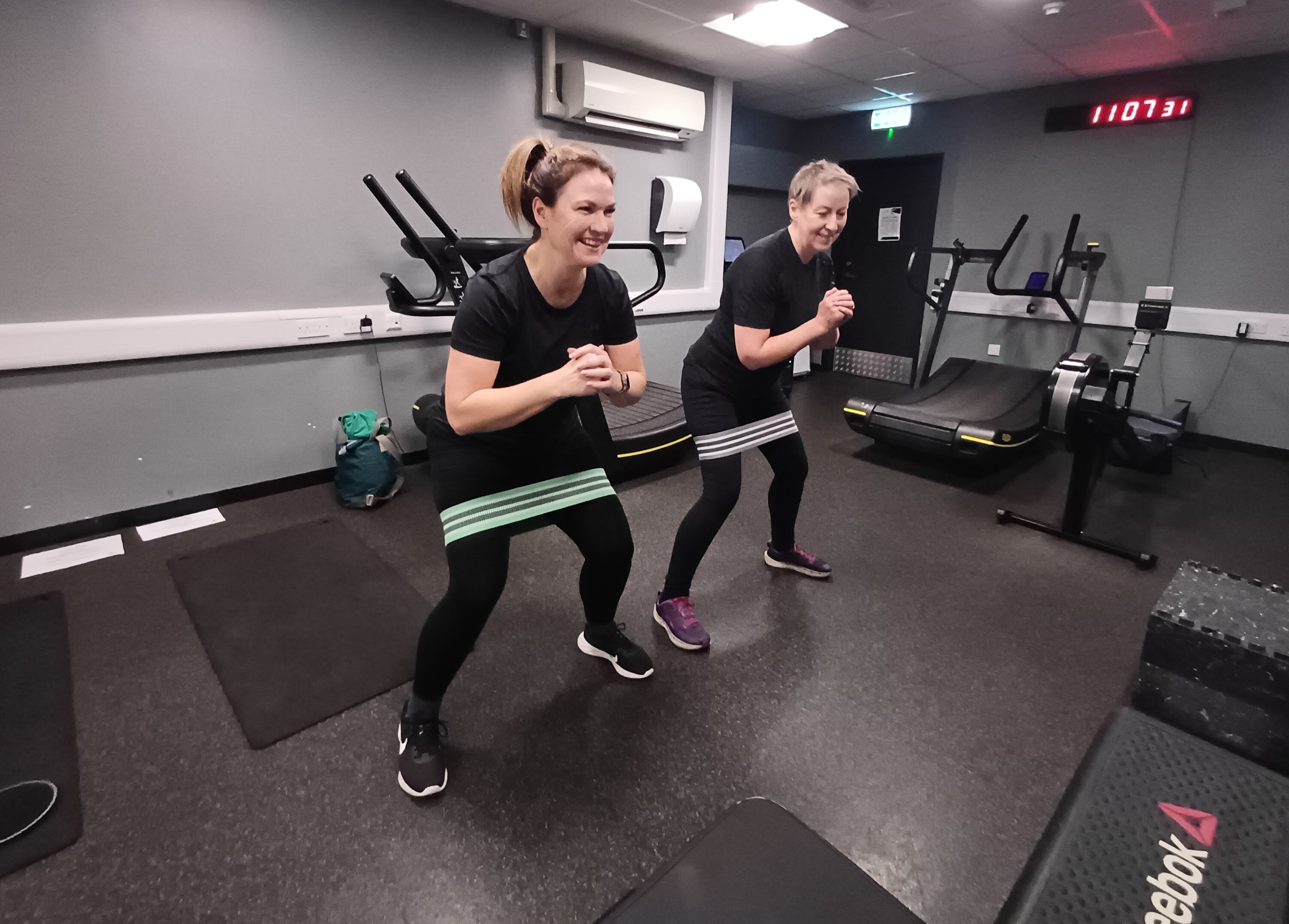
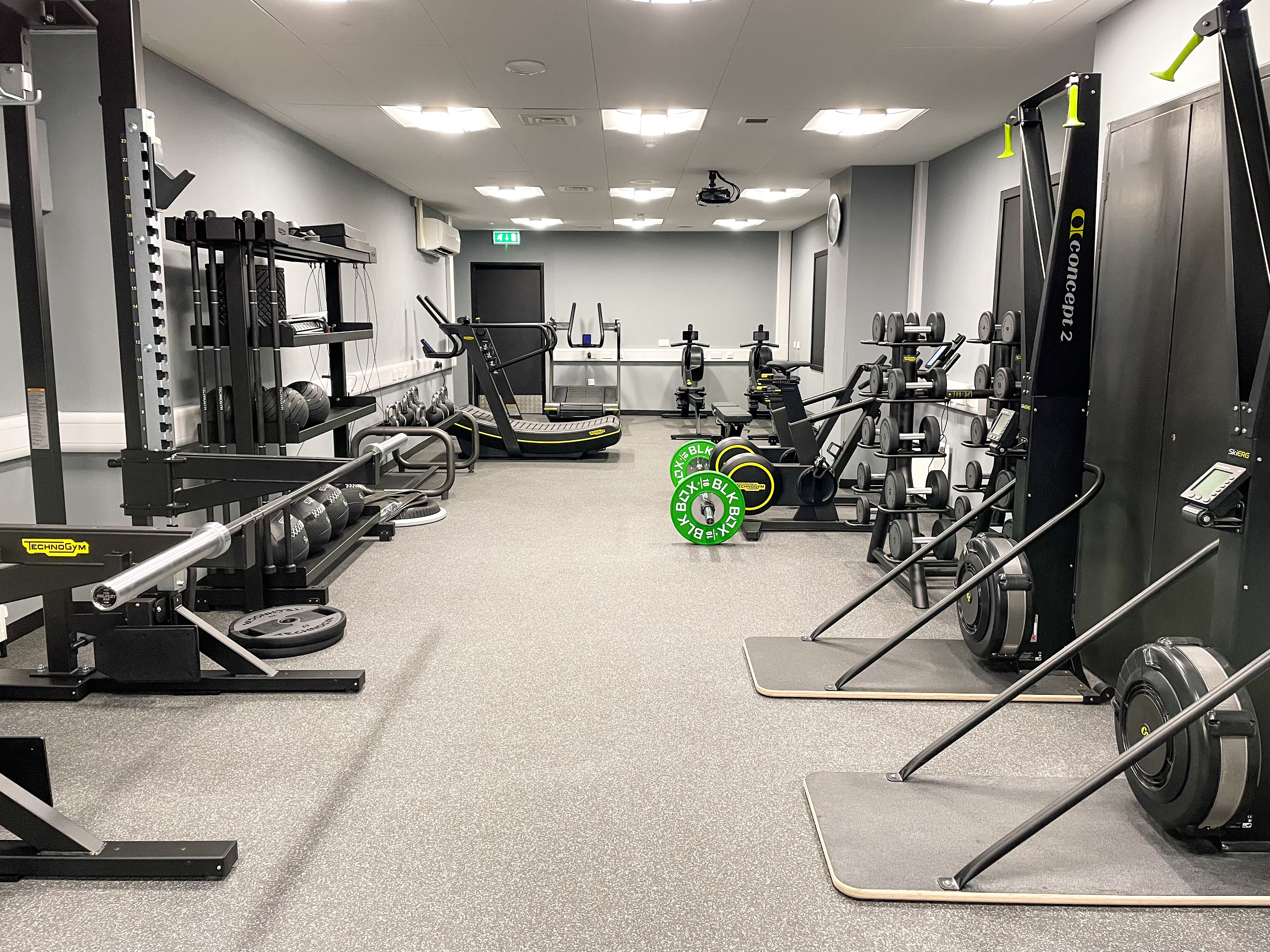
The classes take place in the Love to Train room at Inverness Leisure, a separate, self-contained space away from the main gym floor. For someone coming back to exercise after treatment, walking into a big busy gym can feel like a lot. This is a smaller, more private setting, which makes it a much easier first step. It's air-conditioned too, which is useful as some medications, particularly hormone treatment after breast cancer, can affect how your body regulates temperature.
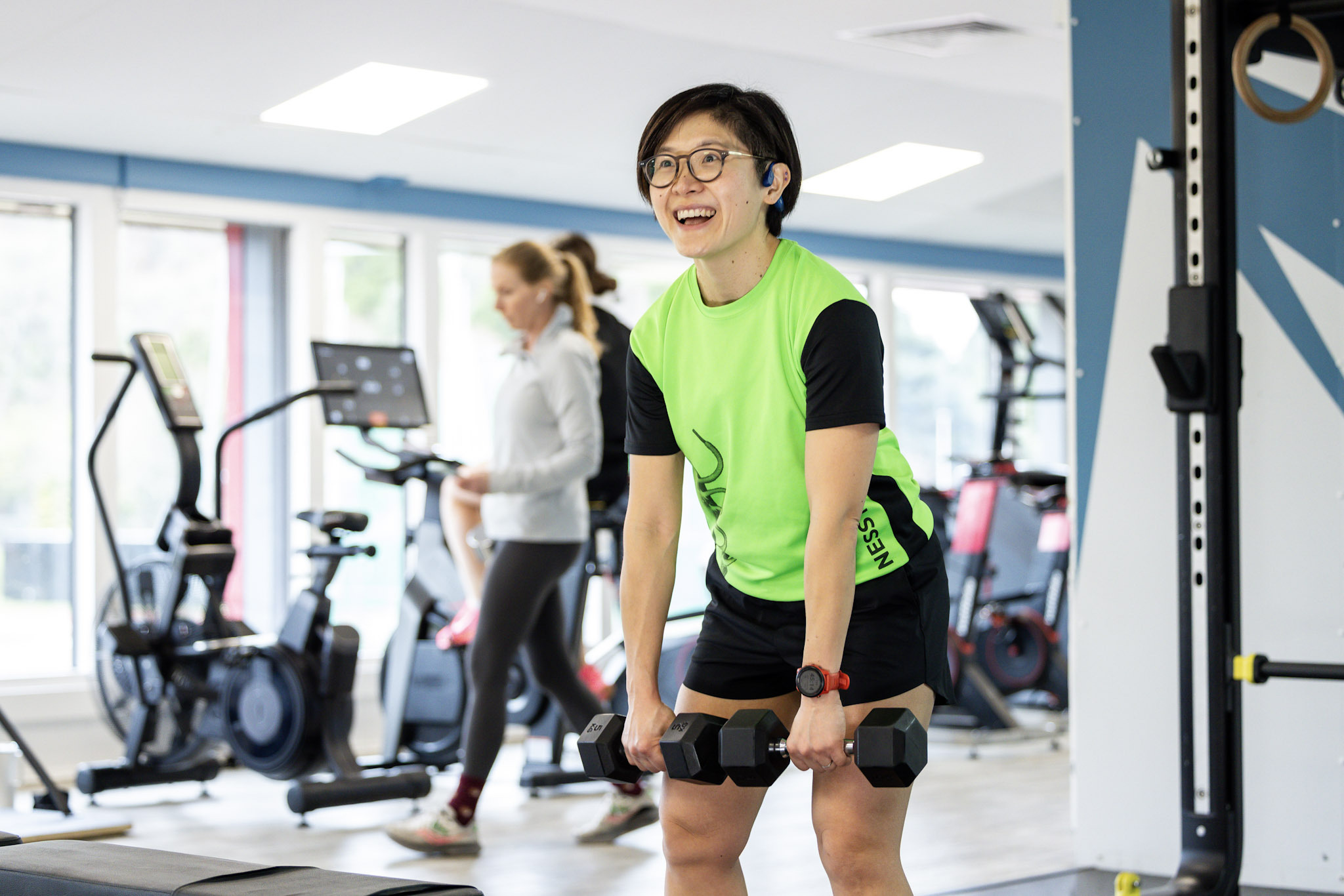
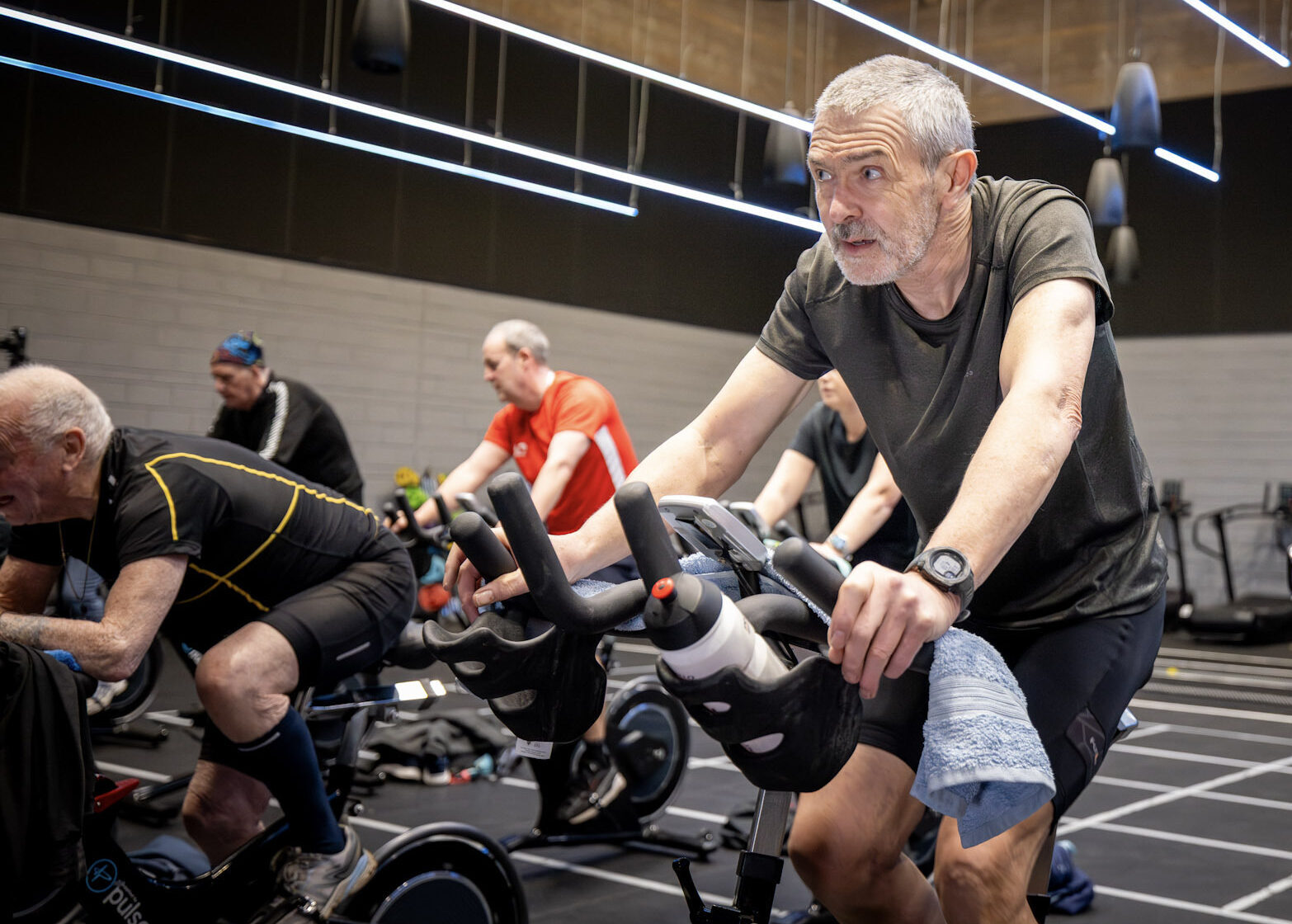
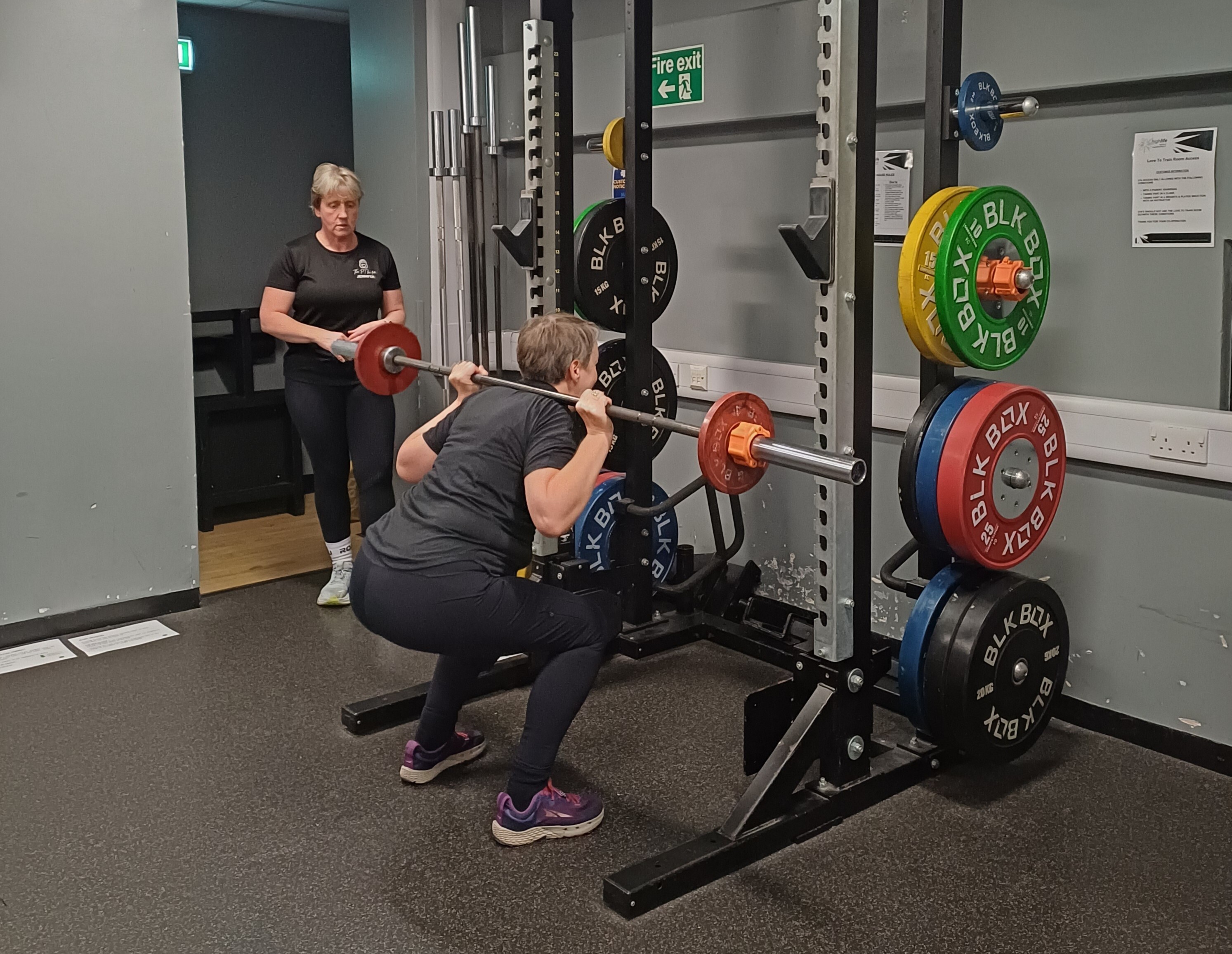
Each session starts with a gentle warm-up, maybe a walk on the treadmill, a bit of mobilisation, some dynamic stretching. From there, we move into a circuit of exercise stations: squats, step-ups, resistance bands, upper body work, and more, all of which can be scaled up or down depending on what each person needs.
If you're new, I'll take you round all of the stations and then you just work your way through and find what's going to work for you. There's no set programme. Everything can be adapted.
These are small group classes with a maximum of eight people, which also makes the room well suited to anyone who is still immunosuppressed — there's limited contact and good ventilation.
There's also an online class for anyone who can't make it to Inverness in person, open to highlife members and bookable through our website.
Going at your own pace: what that actually means
Nobody walks into these classes and gets pushed hard. The goal isn't to exhaust people. It's to find the balance.
Cancer-related fatigue is very real and very common. We don't want someone coming to the class and overdoing it and then having to write the rest of the week off. It's all about finding balance.
For some people, that means starting with gentle cardio and body-weight movements. For others, it means progressing gradually to resistance bands and free weights. Nobody is held back if they're ready to work harder, but nobody is pushed further than they want to go either. There is no set standard in these classes. It's all about working at your own pace.
A stepping stone back to the things you love
For a lot of people, these classes aren't the destination. They're the bridge back to whatever they were doing before.
I think of one gentleman who came along after treatment, very nervous about setting foot back in a gym. He came to the classes for around five weeks, worked steadily on his strength and confidence, and then he was off, back out on his bike, back doing his own workouts. He just soared. That's the thing I love to see.
Others go on to join other classes, head back to outdoor activities like cycling or hill walking, or simply feel ready to use the main gym on their own again. The classes are there for as long as you need them, there's no set number of weeks and no pressure to move on, but when people are ready, it's brilliant to see them go.
The bit that surprises people
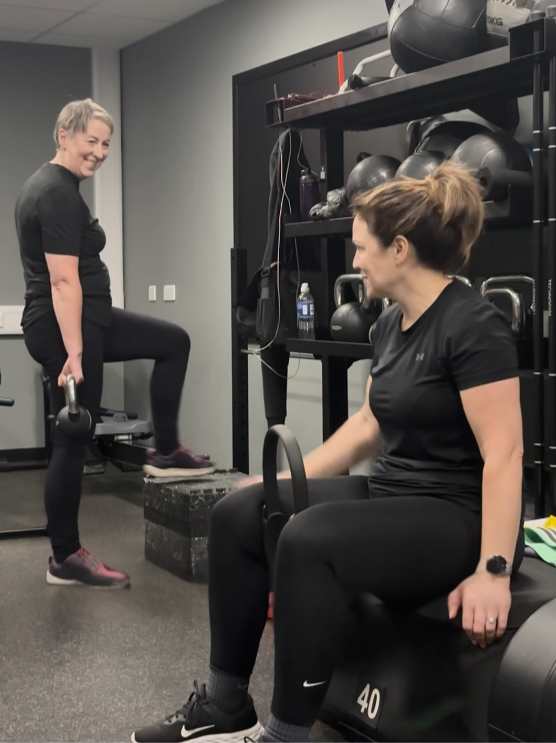
It's not just a workout class. One of the things people don't always expect is how much the social side of it matters.
People come in, get on with their exercises, and then they just get to blether. And before you know it, there are connections being made with people who have been through similar things.
Everybody's got their own story, and you're not judged in there. You're coming in with people who understand what it's like to be diagnosed with cancer. There's no awkwardness, no not knowing what to say. Sometimes people drift away from even close friends after a diagnosis, friends who genuinely care but just don't know how to handle it. In the class, people don't have to manage other people's discomfort.
That said, it's not a class where cancer is the topic of conversation. Far from it. People want to hear about normal day-to-day stuff, what's on telly, how work is going, plans for the weekend. A lot of people feel that their identity gets a bit lost after a diagnosis. They become "the person with cancer" instead of just... themselves. We don't want people living with that label.
People want to hear about normal day-to-day stuff, what's on telly, how work is going, plans for the weekend. A lot of people feel that their identity gets a bit lost after a diagnosis. They become "the person with cancer" instead of just... themselves. We don't want people living with that label.
Not sure you're ready? Just come for a blether
I'm completely unfazed by people who aren't sure they're ready to commit. A quick chat beforehand, whether that's over the phone, a video call, or a coffee at the leisure centre — is always an option. Sometimes people just need to get the confidence to come back. I'm always up for a chat.
And if you'd like to come and watch a session before you decide, that's absolutely fine too. Just seeing what it looks like can make all the difference.
Some people also tell me they're not sure whether a class specifically for people with cancer is right for them, perhaps they've moved on from that chapter and don't want it to be the thing that defines their gym life. That's completely valid, and there are other routes back into exercise too. I'm happy to talk through whatever works best for you.
If you're not sure whether exercise is safe for you right now, the starting point is always medical clearance from your doctor. Once you have that, we can take it from there.
Come along and find out
Our cancer and exercise rehabilitation classes run on Tuesdays and Thursdays at Inverness Leisure. There is no clinical referral needed, you can get in touch at any point from diagnosis onwards. An online class is also available for highlife members who can't travel or prefer to exercise at home.
Coming up next: our final post in this series looks at Parkinson's, and how movement-focused classes can help build strength and confidence.
Ready to get started?
Find out about our cancer and exercise rehabilitation classes and take the first step back to feeling like yourself.