




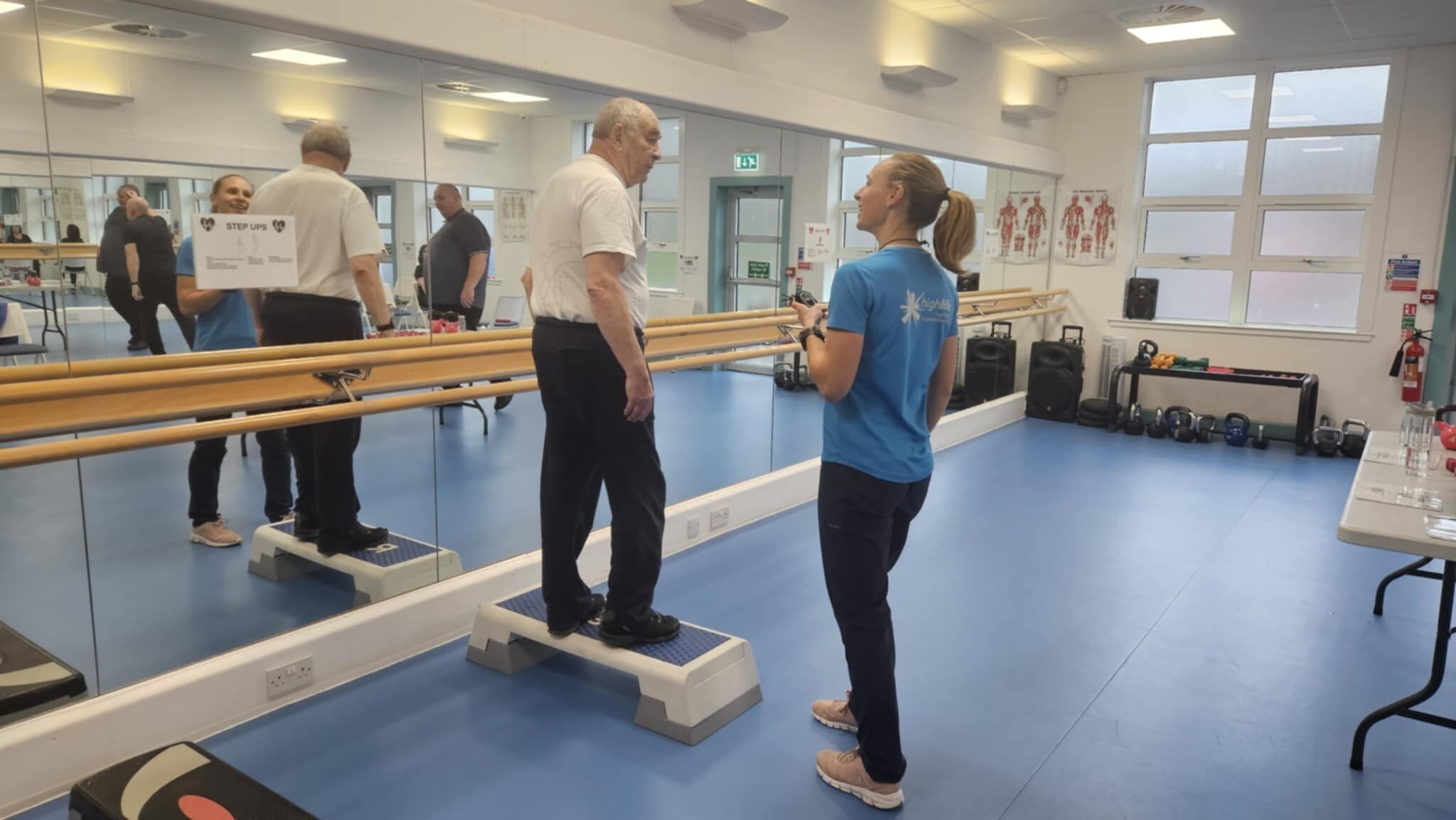
This is the third in our series looking at staying active with a health condition. So far we've covered staying active with a health condition, and staying active as you get older — today we're focusing on joint pain, and how our ESCAPE-pain programme can help.
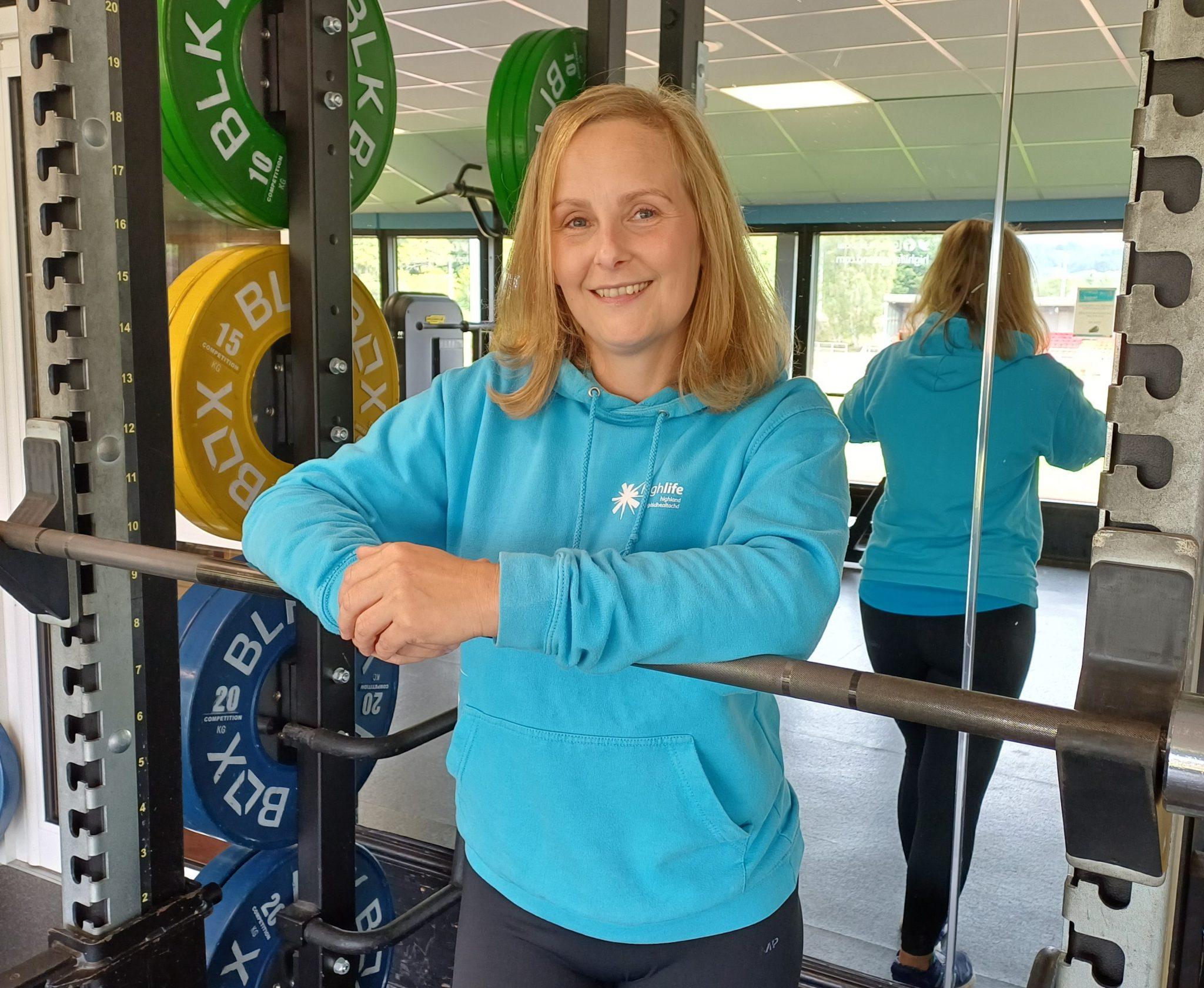
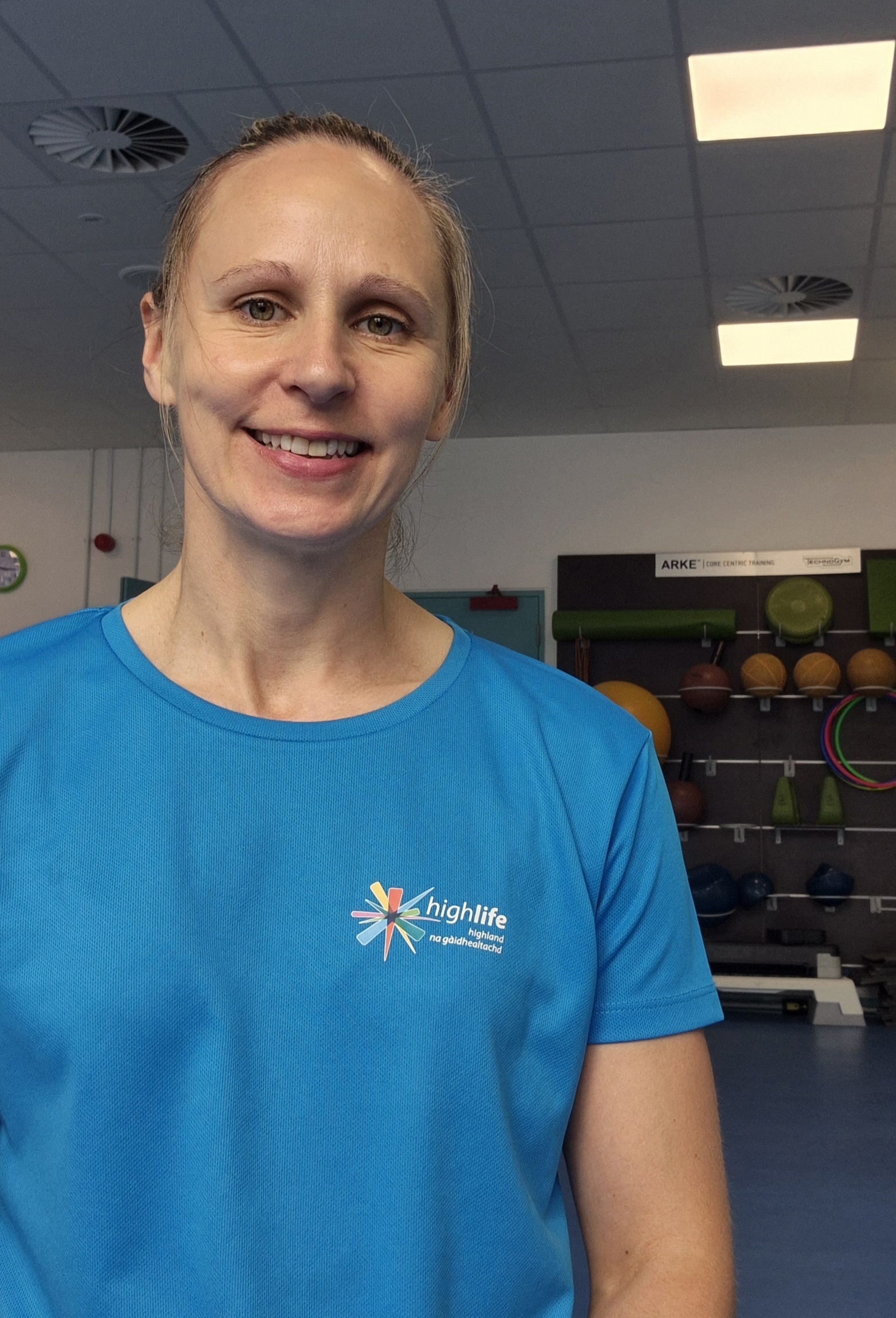
Amy Sutherland — an exercise instructor at Thurso Leisure Centre who specialises in classes for older adults and people living with health conditions — talks us through ESCAPE-pain, our programme for people managing joint pain in the hip, knee or lower back.
Meeting the worry with understanding
If you live with joint pain, you'll know that some days just getting through your normal routine is a challenge. For a lot of people I speak to, exercise feels like the last thing they should be doing. They worry it'll make things worse. I understand that — and it's exactly why I wanted to get involved with ESCAPE-pain.
I'm Amy, an exercise instructor at Thurso Leisure Centre. My background is in nursing, and when I moved into exercise instruction I was specifically looking for something that combined health and movement. When I was offered the training for ESCAPE-pain, it was something I really wanted to be involved with.
So what is ESCAPE-pain?
ESCAPE-pain stands for Enabling Self-management and Coping with Arthritic Pain through Exercise. It's an NHS-endorsed, six-week programme that runs twice a week, and it's designed for people living with chronic pain in their hips, knees or lower back as a result of osteoarthritis.
It's not a traditional exercise class. Each session combines education and group discussion with a personalised exercise component — and it's the combination of those two things that makes it work.
Who is it for?
The programme is for people who have had ongoing hip, knee or lower back pain for three months or more, and who have a diagnosis of osteoarthritis from their healthcare provider. That's an important distinction — it's not for acute injuries, but for people who've been managing a long-term condition and are looking for a way to live more actively with it.
People find their way to us in different ways. I liaise with local physiotherapists and GP practices so they can let patients know when a new programme is starting. But you don't need a referral — you can just get in touch and self-refer. I always have a conversation with people before they come along, just to make sure it's the right fit for them.
Something I hear often when I speak to people on the phone is: "I'm not sure it's for me — I can manage mostly ok." But if they're phoning, something is affecting their life. That's enough reason to come in and see if ESCAPE-pain can help.
What actually happens in a session?
Each session starts with the education and discussion part. The topics we cover include pacing, nutrition, sleep, stress and mood management, and how to manage flare-ups. These might not sound obviously connected to joint pain, but there's real evidence behind all of them — how stressed you are, how well you're sleeping, what you're eating — these things genuinely affect how we experience pain.
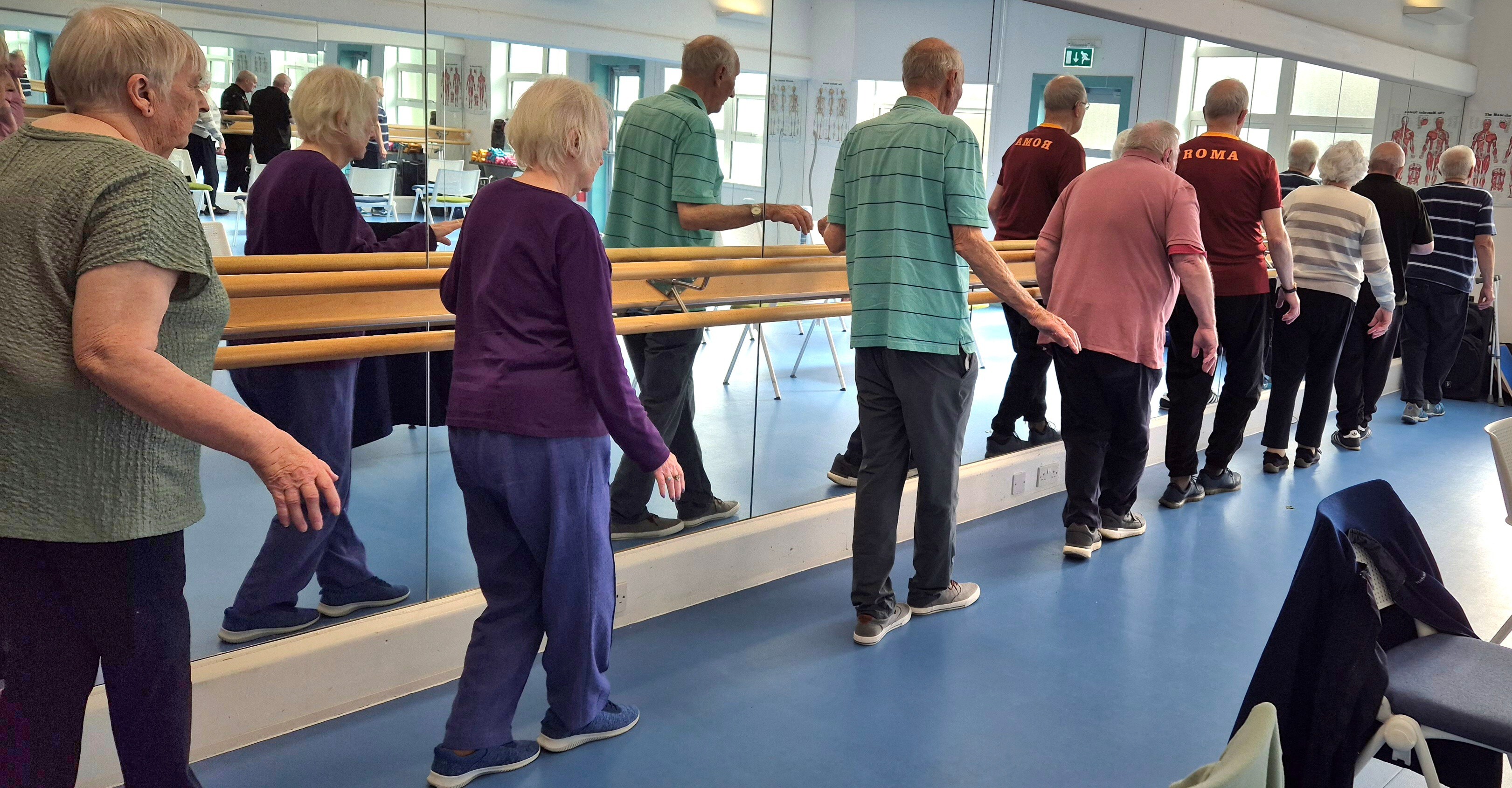
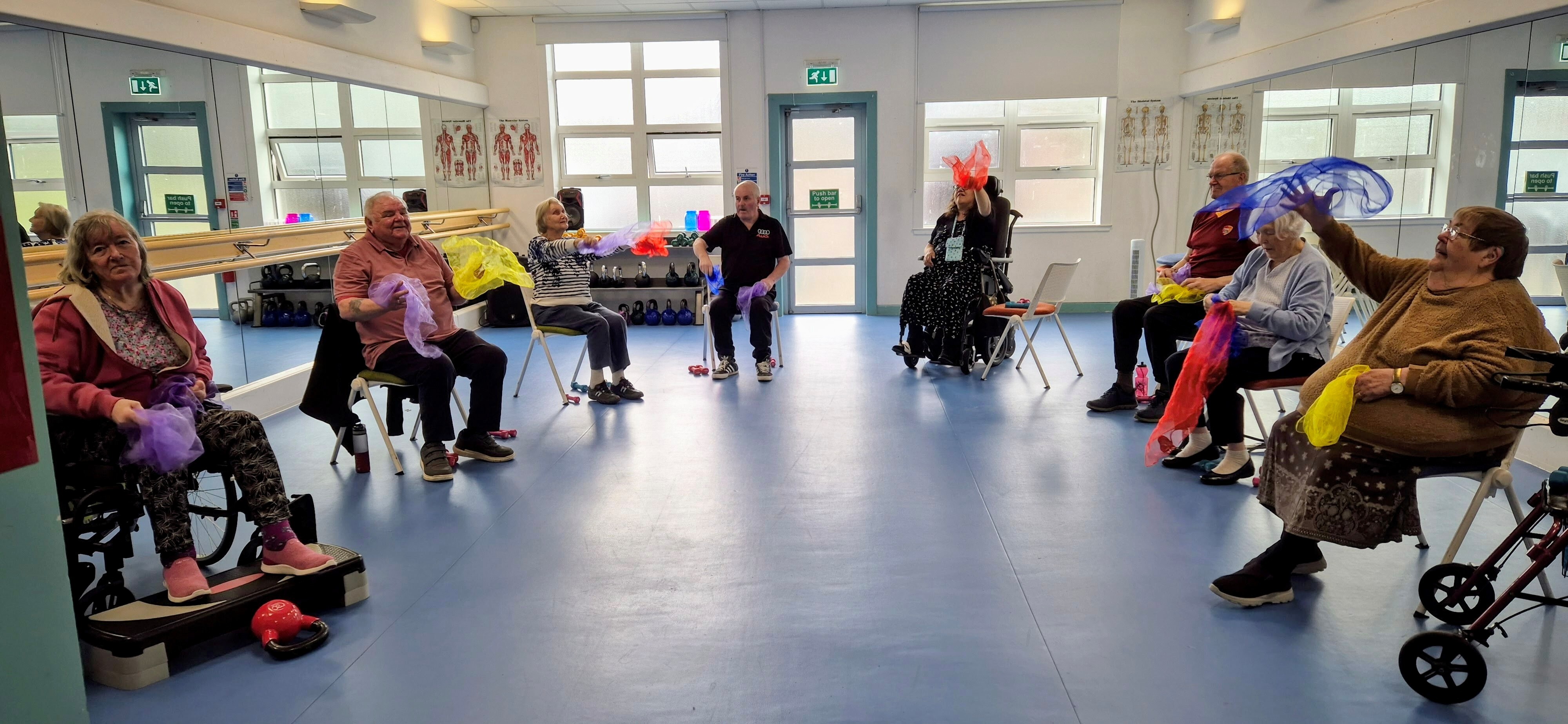
A lot of participants find this part of the session unexpectedly valuable. They realise they're not alone. Other people in the group are dealing similar challenges that affects their independence and their enjoyment of life. Missing out on meeting friends or family for walks, social events, basic things like doing housework and personal care and not being able to continue hobbies they enjoy. That shared experience matters. I've watched friendships form over the six weeks, and I've had people who finished the programme arrange to meet at the gym on the day their class would have been. A couple of ladies now do aqua jogging together — they got started through ESCAPE-pain and kept going. That kind of thing is just lovely to see.
When people live with pain day in and day out, being told to go and exercise can feel like the last thing in the world you want to do. But becoming stronger around a painful joint can improve your mobility, your range of movement and ease your symptoms — and that's what we work towards together.
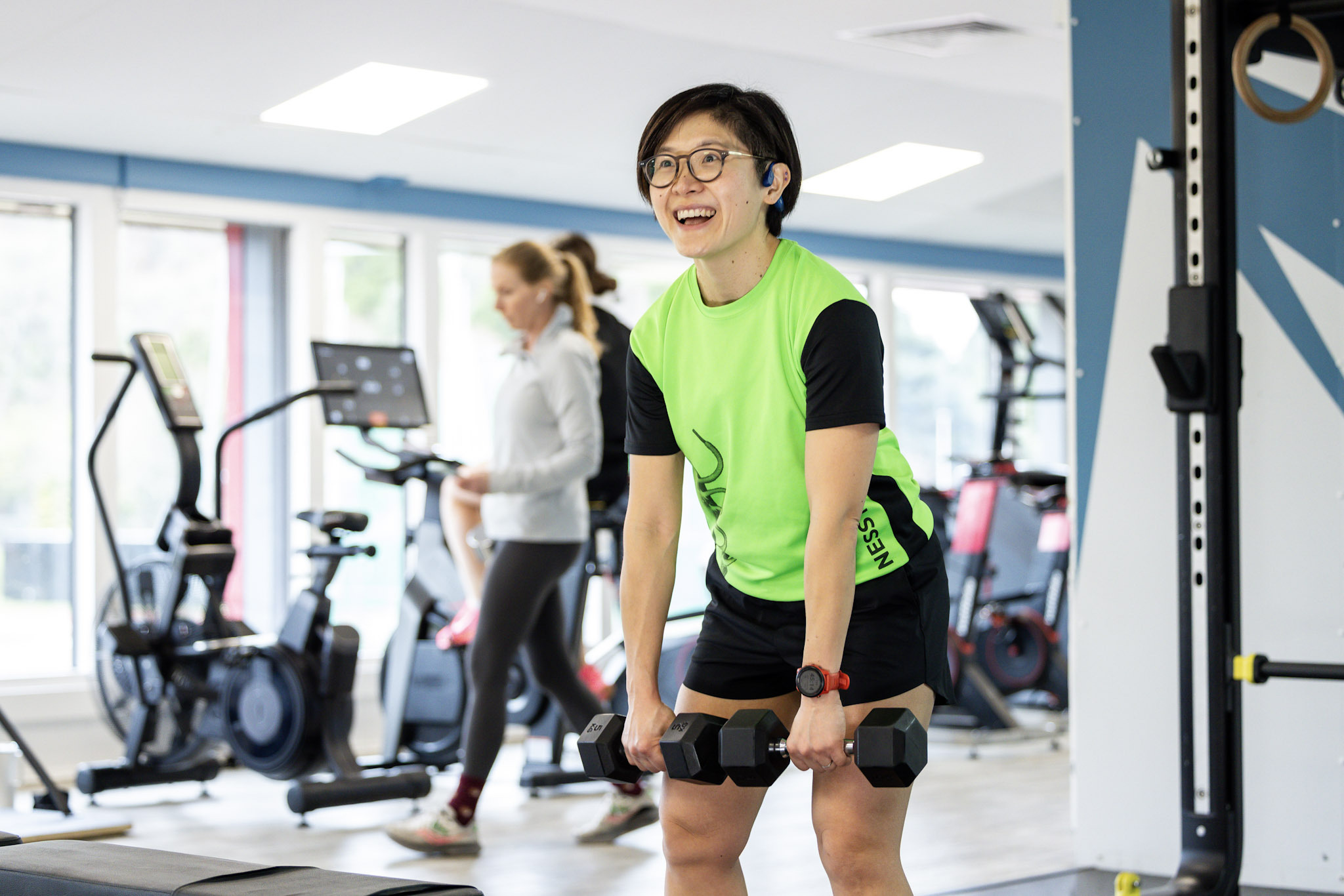
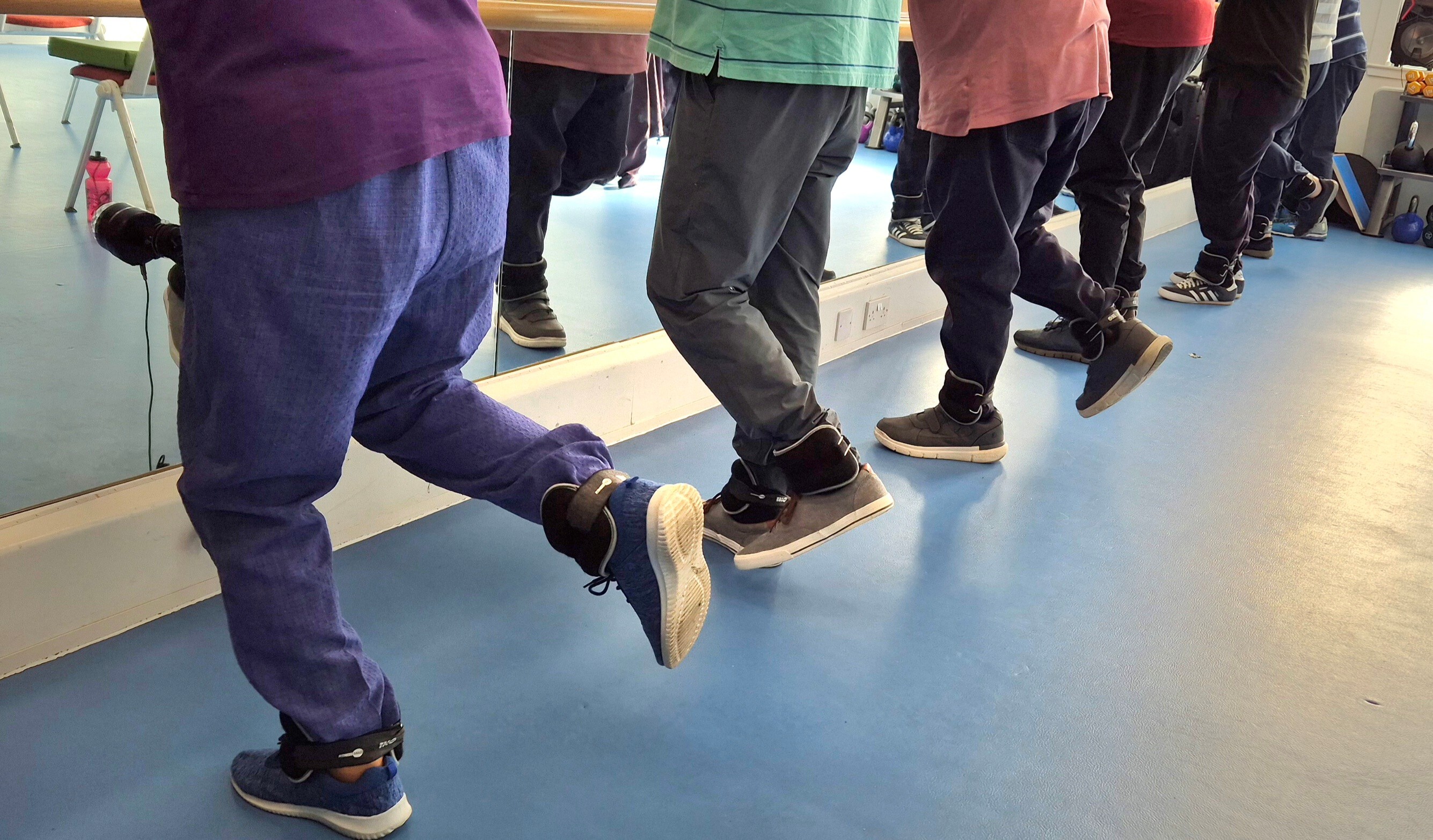
After the discussion, we move into exercise. I set the room up with a range of stations, each based on exercises I've discussed with physiotherapists. Crucially, everyone works at their own pace and chooses which exercises to do. I'll advise based on where someone's pain is — hip versus knee versus lower back — but there's no pressure, no one-size-fits-all circuit. Everyone has their own recording chart and tracks their own progress across the six weeks.
We start gently. It might be as simple as some mobility work in a chair. Over time, we add resistance and build from there. The point isn't to push through pain — it's to start small, build gradually, and retrain how the body responds to movement.
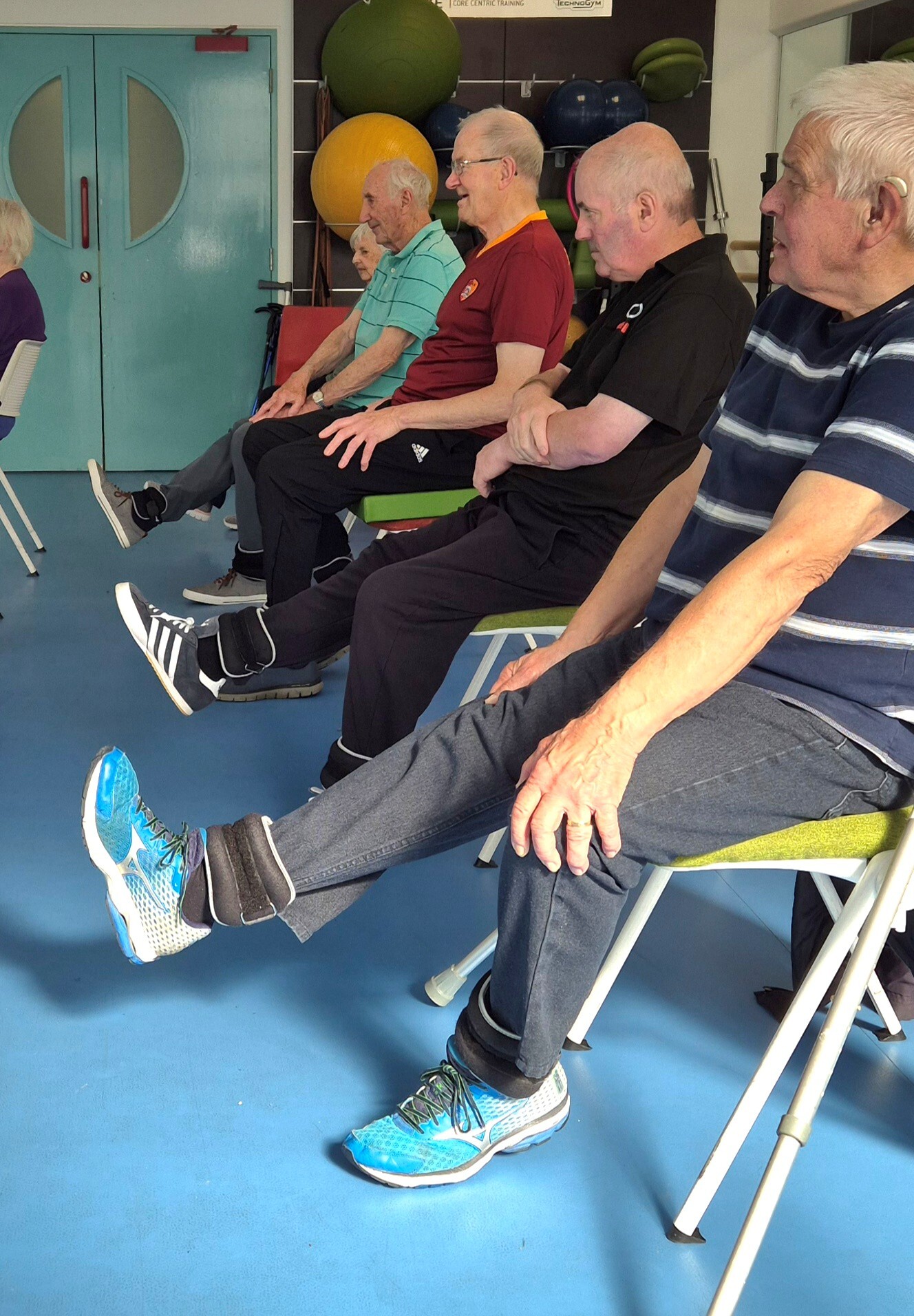
When people live with pain day in and day out, being told to go and exercise can feel like the last thing in the world you should do. But becoming stronger around a painful joint can improve your mobility, your range of movement and ease your symptoms — and that's what we work towards together.
The difference it makes
By the end of the programme, participants have built what I'd describe as a toolkit. They've got their activity diary, their food diary, a better understanding of how their lifestyle affects their pain, and a set of exercises they can take away and keep doing — whether that's at home, in a gym, or in one of our other classes.
One of the sessions is about goal setting, and I always find this one sticks with people. I had a gentleman who had stopped making his daily walk to get his newspaper because of his knee pain — a 15-minute trip that had become too much. His family had started picking up his paper for him. In the goal-setting session, he said he wanted to get back to going himself. We built up to it gradually through the exercises, and when he was ready, he did it. He still does it today. He comes to my other classes now, and he always mentions his newspaper.
It sounds simple. But getting back something you'd lost — that independence — is huge.
What our participants say
Here's what some previous participants have shared in their feedback:
"Amy is very knowledgeable and has a calm and supportive attitude, which really inspires confidence. I enjoyed the group setting and tailored approach — no pressure. Physically, I feel I have benefited from the exercises and will try to keep up the regimen."
"I have learned to plan my day including my diet and the importance of protein. Going forward, I plan to increase my daily fitness levels. I will recommend this course to anyone I feel would benefit from it."
"Amy — you are an amazing instructor. I can't think of a way it could be improved. It's 10/10 from me!"
How to get started
If you've been living with hip, knee or lower back pain for three months or more and have a diagnosis of osteoarthritis, ESCAPE-pain could be right for you.
The programme currently runs at Inverness Leisure, Thurso Leisure Centre, Lochaber Leisure Centre and The Leven Centre. Classes run as six-week blocks, and if you have a holiday or appointments coming up, it's worth waiting for the next block so you can get the most from every session.
You don't need a GP referral — you can self-refer. I'd always encourage anyone who's thinking about it to just get in touch. Doing something, however gently you start, is always better than doing nothing. You're not alone in your pain, and things can improve.
Coming up next: we'll hear about our cancer rehab classes, and how exercise can support people at every stage of treatment.
Ready to move more freely?
Our ESCAPE-pain programme is designed to help you manage joint pain, build strength and get back to the things you love.