







Few pieces of legislation can have had such an impact on Scotland’s children as the Education (Scotland) Act 1872. Following on from the 1870 Education Act in England & Wales, it would revolutionise the education system in Scotland, making provision for a Board of Education for Scotland and the establishment of local school boards across the country.
This was the moment that education became compulsory for children aged 5-13, the training of teachers went into overdrive, hundreds of new school buildings were erected, and thousands of admission registers and school log books were generated as record-keeping was standardised.
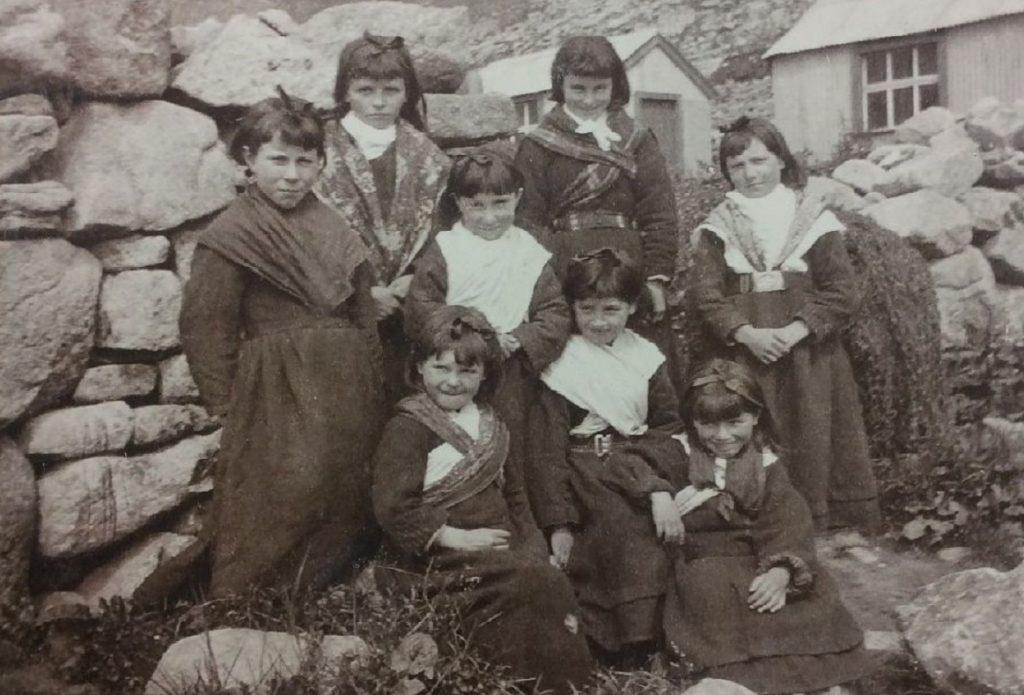
St Kilda schoolchildren, date unknown
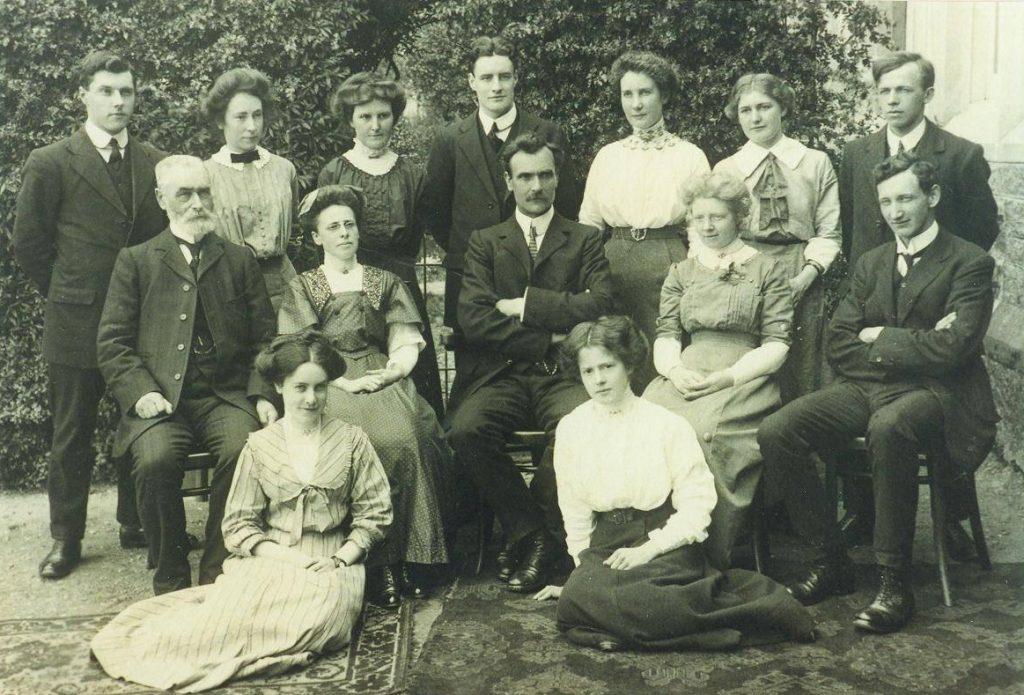
Teachers at Fort William Higher Grade School, 1911
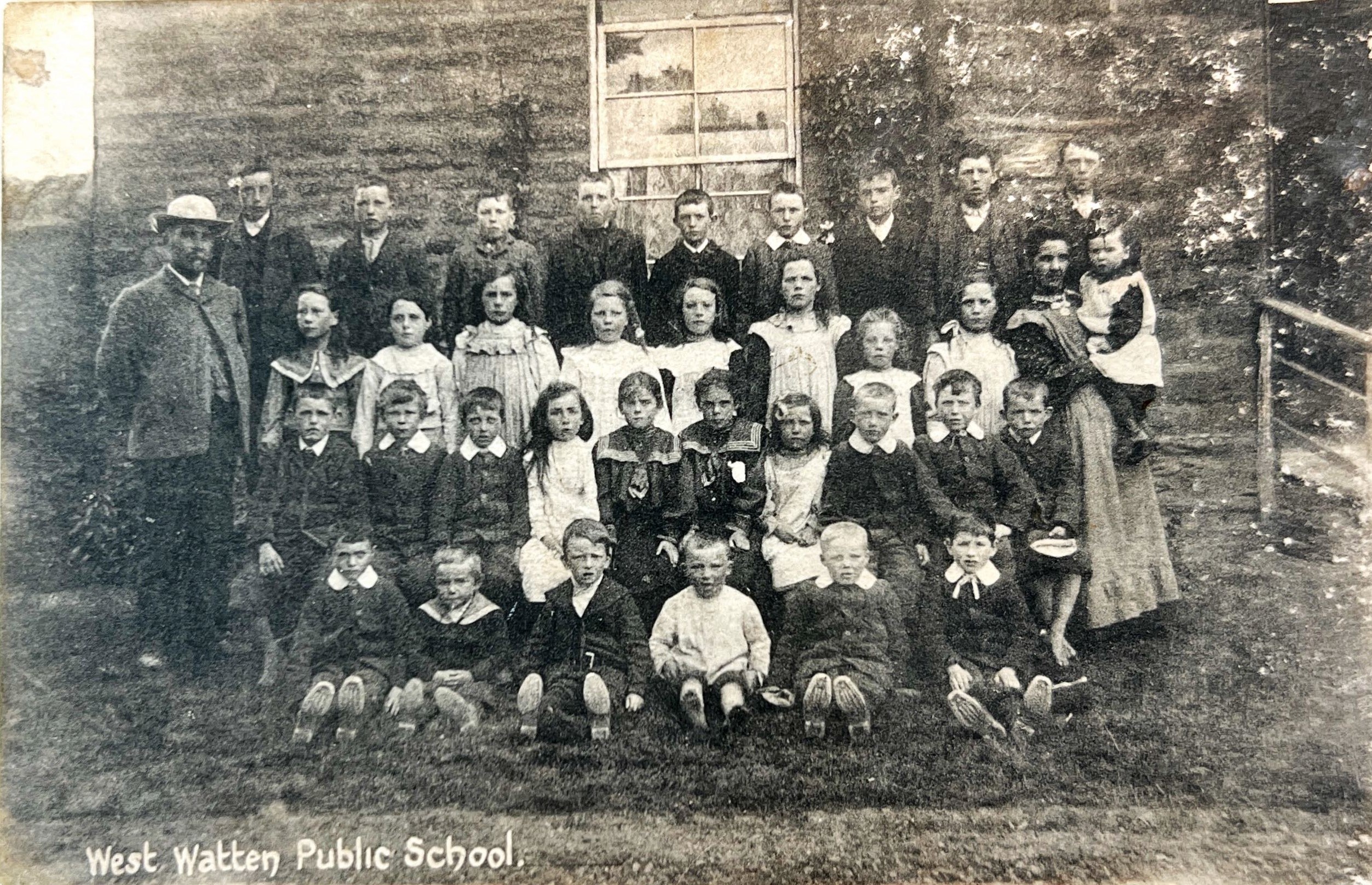
West Watten School - Pupils
To mark the 150th anniversary of this transformative act, join us to learn why it was needed, what it meant for our young people, and what the records it generated can tell us about teachers, subjects, holidays, discipline, and other subjects. Delve into the Highland Archive Service collections to learn about the benefits the Education (Scotland) Act brought, the problems it created, and the legacy we’re all still living with.
Click on the tiles below to explore the exhibition.
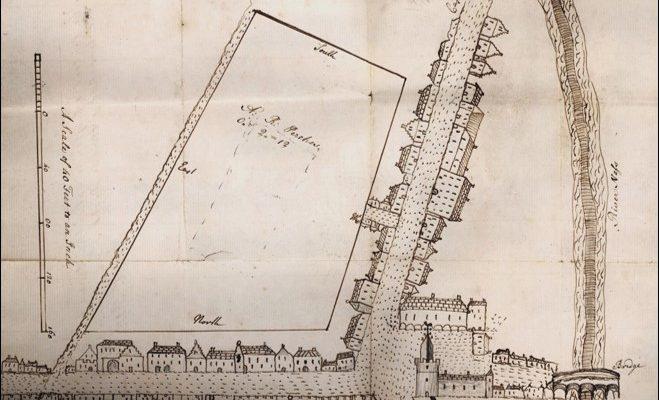
Before the Act
Explore education in the Highlands before the 1872 Education (Scotland) Act, from church and charity-run schools to private foundations and unequal access to learning.
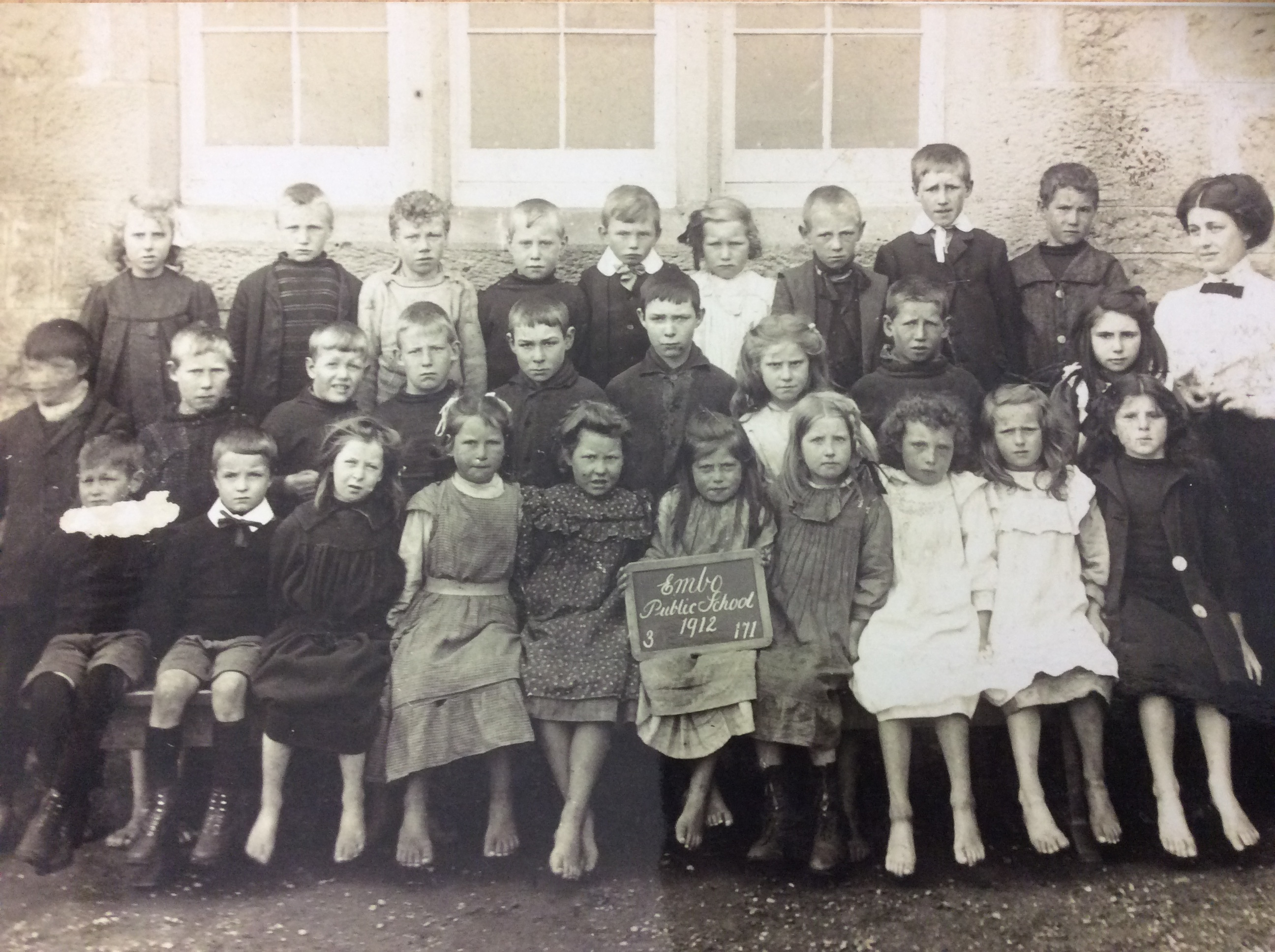
The Act
Discover how the Education (Scotland) Act 1872 transformed schooling, making attendance compulsory and creating a national system of education for all children in Scotland.
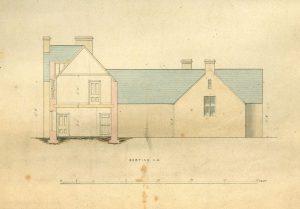
Buildings
Explore how the Education (Scotland) Act 1872 transformed the Highland landscape through the construction of schools, schoolhouses and iconic educational buildings.
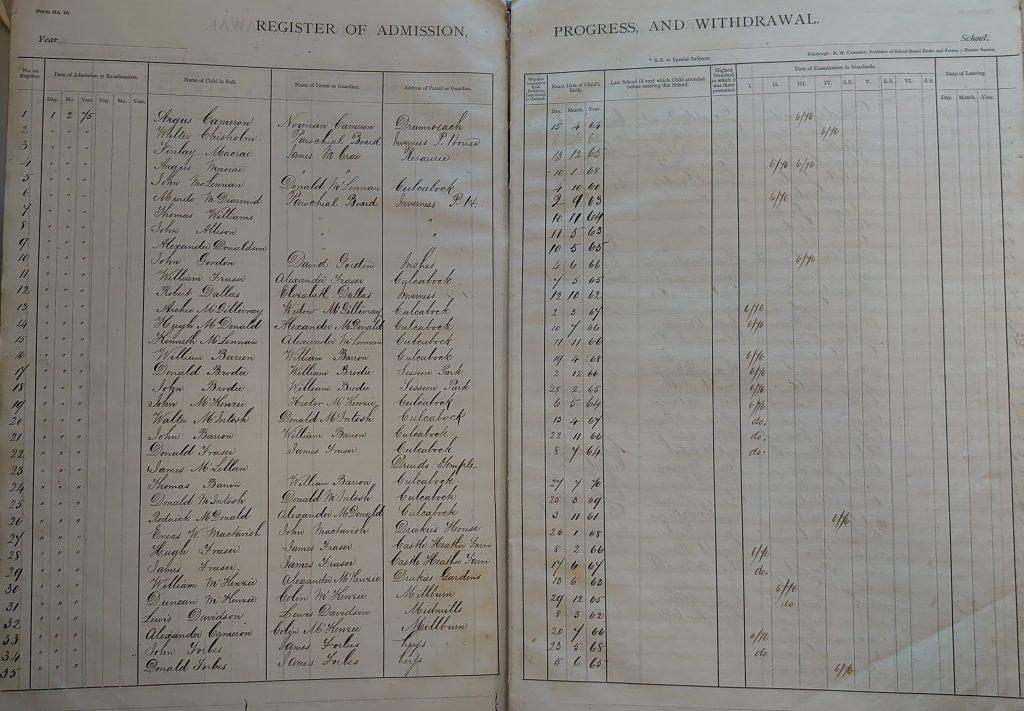
Recordkeeping
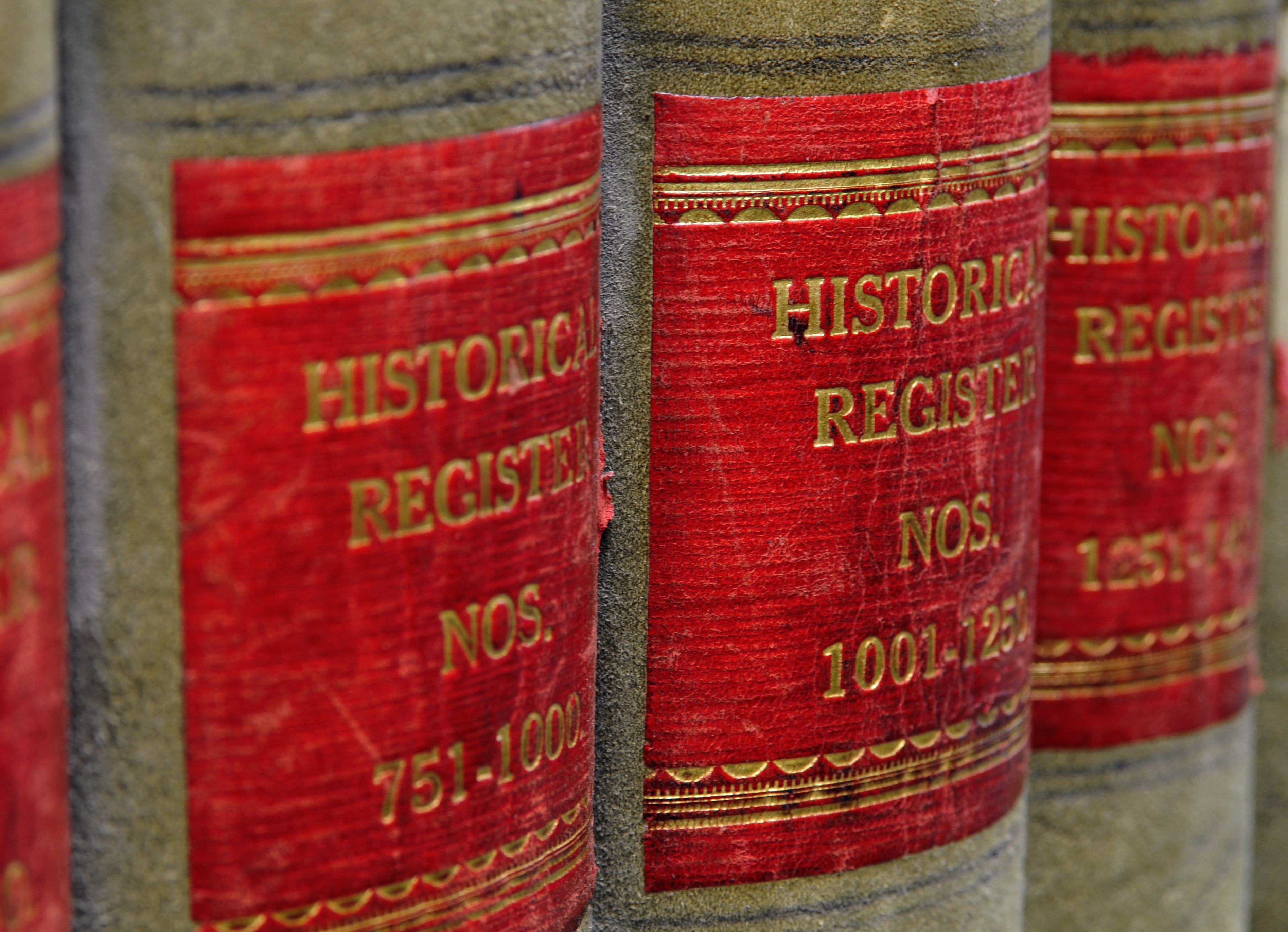
Explore school log books, admission registers and other records created after the Education (Scotland) Act 1872, revealing valuable insights into Highland communities, education and family history.
Teachers
Explore the lives of Highland teachers after the Education (Scotland) Act 1872, from recruitment and training to rural side schools and changing classroom experiences.
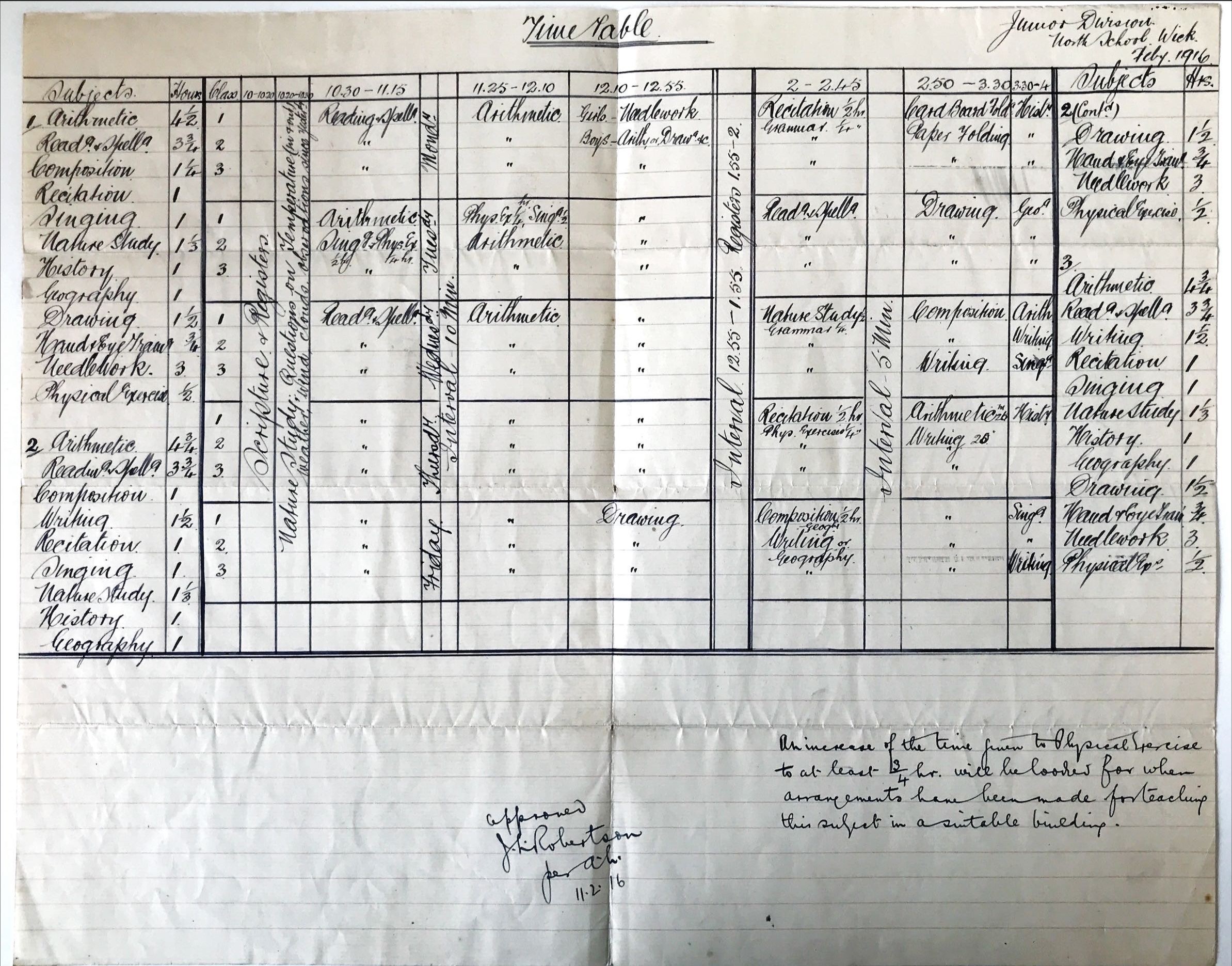
Subjects
Explore the subjects taught in Highland schools after the Education (Scotland) Act 1872, from reading, writing and arithmetic to history, geography, science and music.
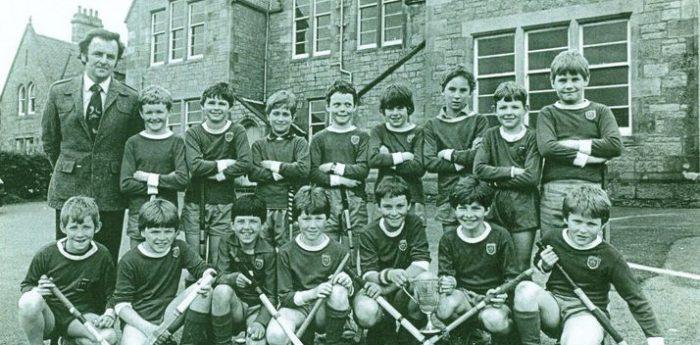
Games, Sport and Play
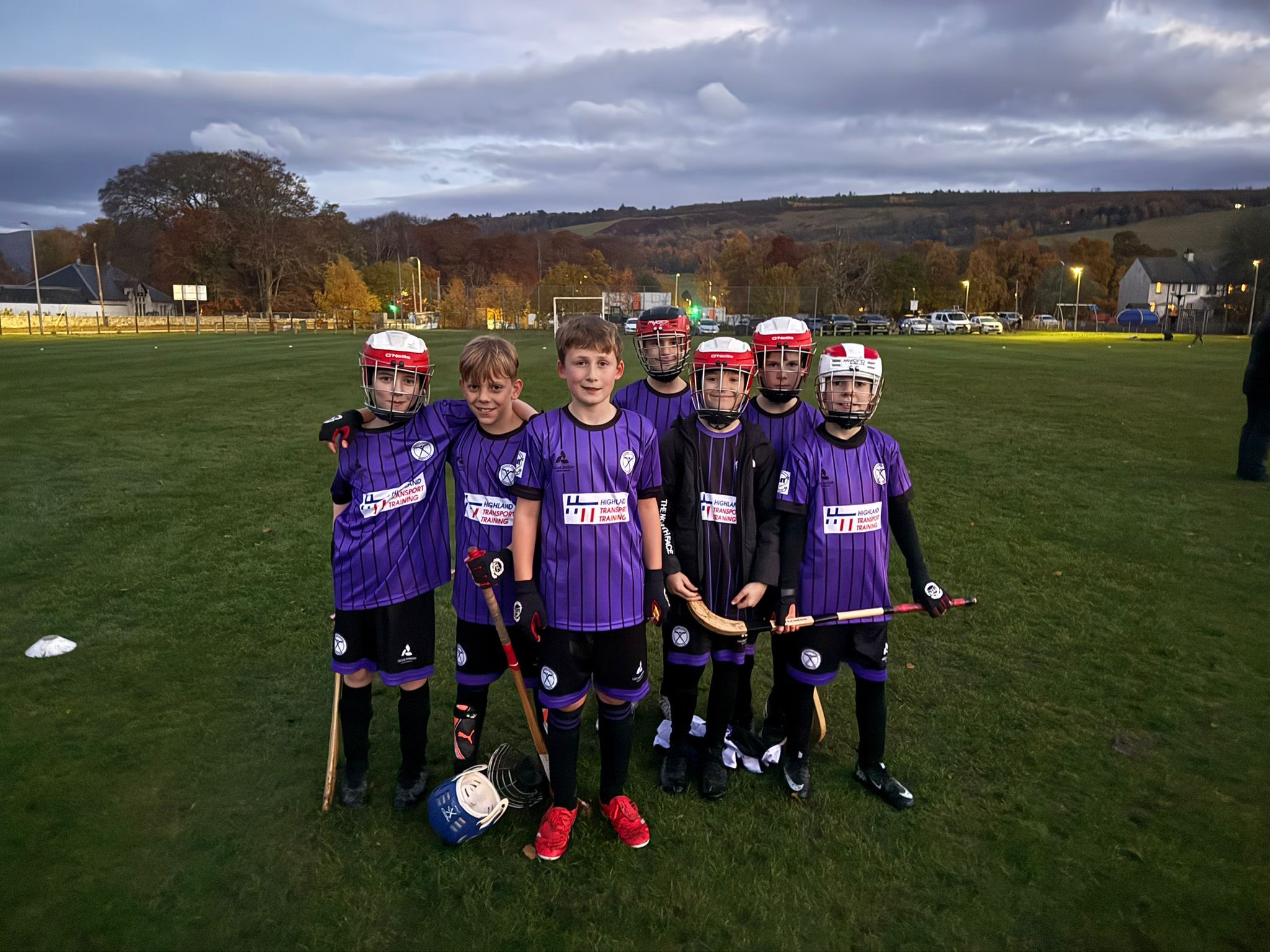
Explore games, sport and play in Highland schools, from shinty teams and sports days to playground games, school trips, choirs and cultural activities.
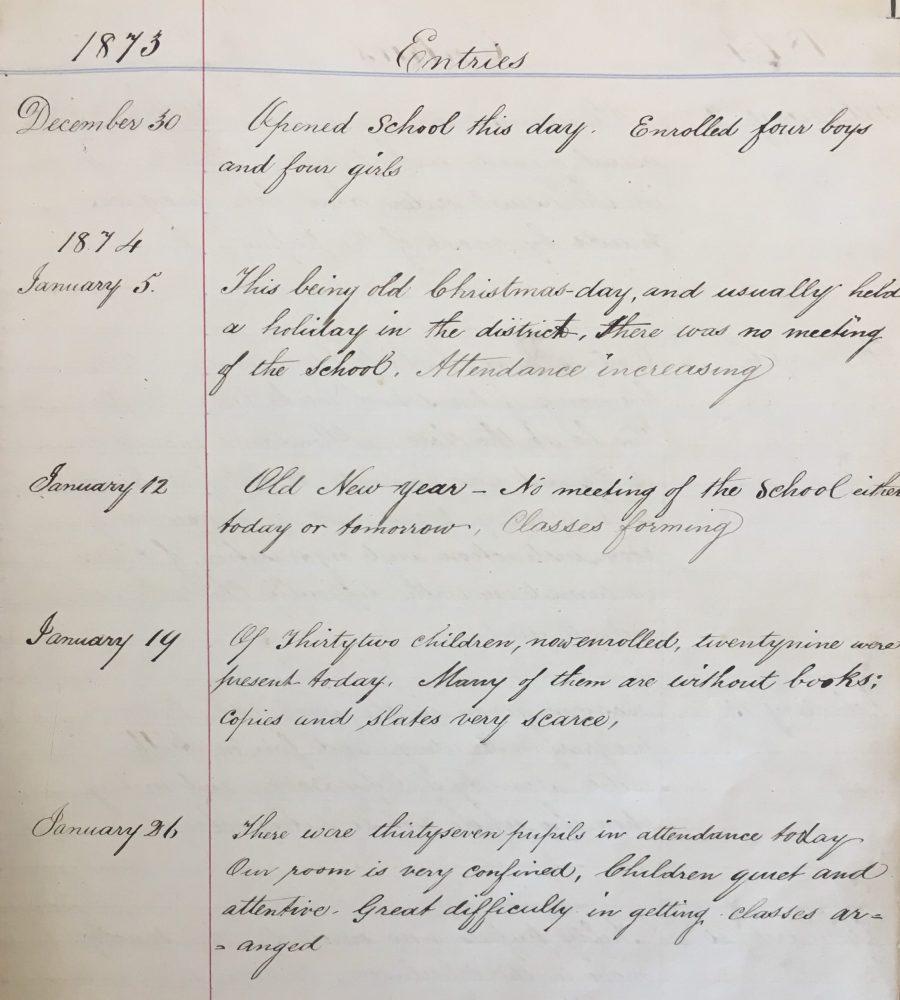
High days and holidays
Explore how holidays, seasonal work and special events shaped school life in the Highlands, from tattie holidays and old New Year celebrations to memorable moments recorded in school log books.
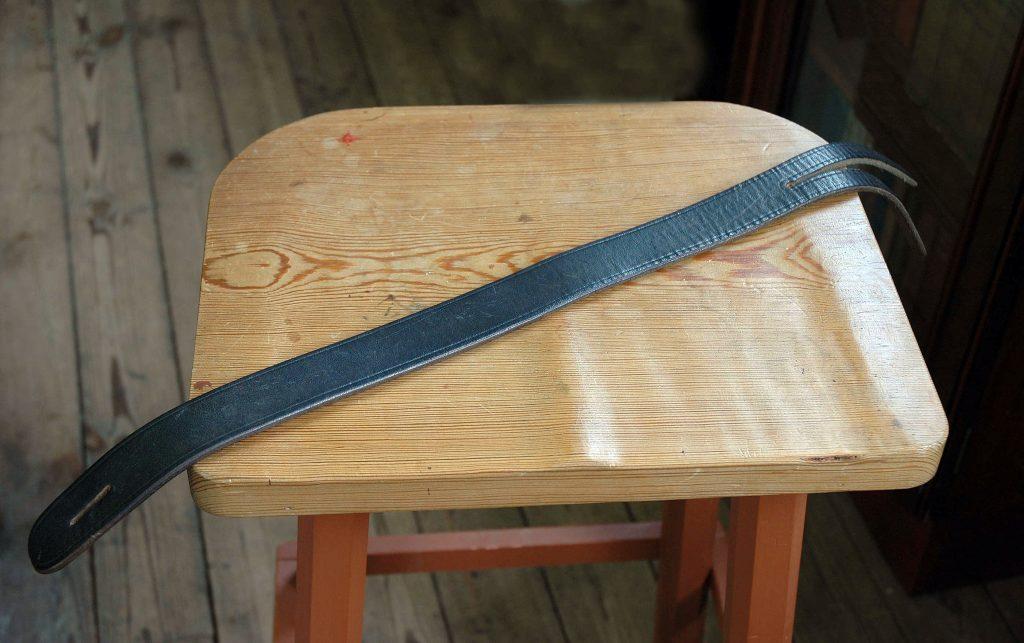
Discipline
Explore discipline in Highland schools after the Education (Scotland) Act 1872, from the tawse and truancy cases to attitudes towards Gaelic, left-handedness and classroom behaviour.
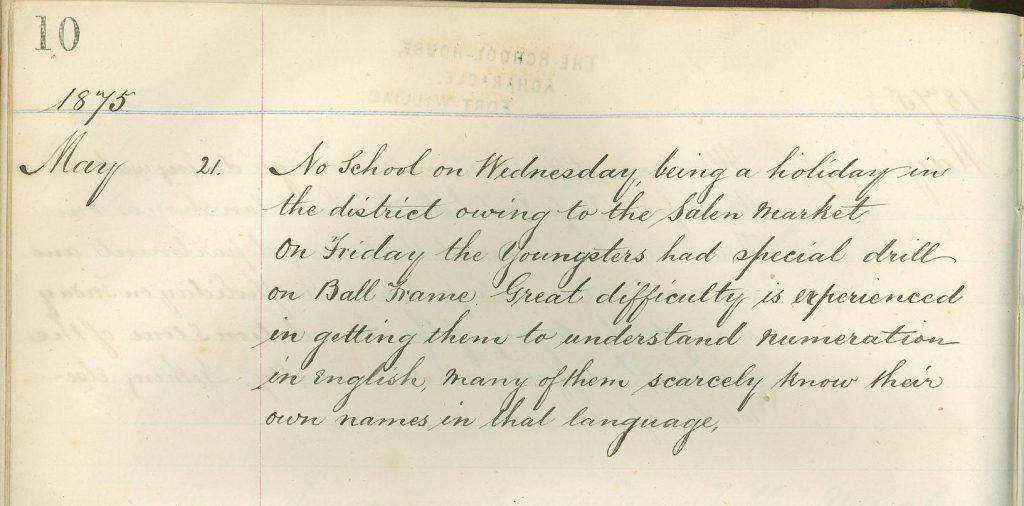
Impact on Gaelic
Explore the impact of the Education (Scotland) Act 1872 on Gaelic, from the decline of Gaelic in schools and communities to the later development of Gaelic-medium education.
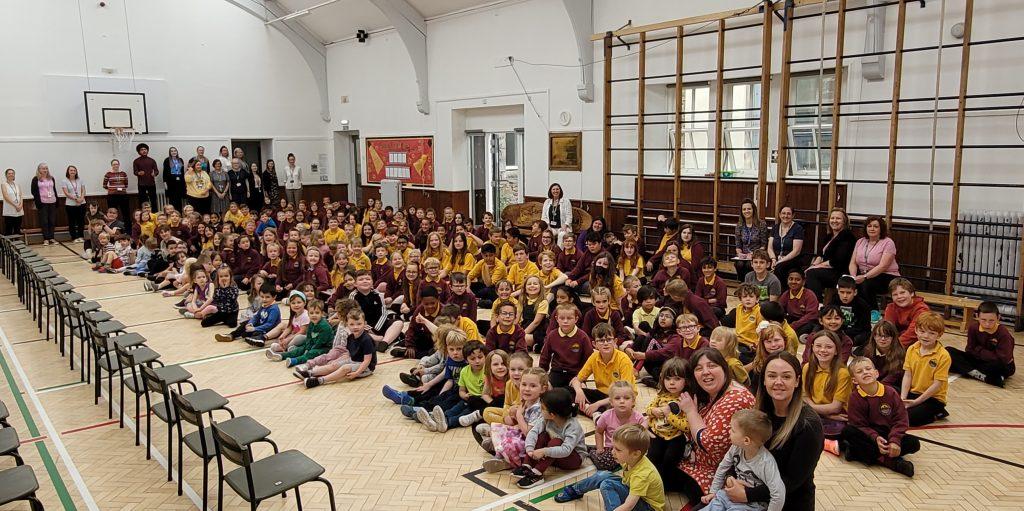
Legacy of the Act
Explore the lasting legacy of the Education (Scotland) Act 1872, which transformed literacy, opportunity and society while leaving a complex impact on Gaelic language and culture.