





Introduction
By 1962, recreation was at the centre of ‘the centrifugal energy’ which had built-up in Thurso since the announcement of the Dounreay project. From the local perspective, the arrival of the atomics happened all of a sudden; the mass of people arrived all at once
Our exhibition, ATOMIC HOUSING: Thurso Transformed, explored the amazing changes to the built landscape of the Thurso area. This was the result of a new type of nuclear reactor being built at Dounreay from 1954 and the subsequent need to house a wave of new workers that tripled the population of the town.
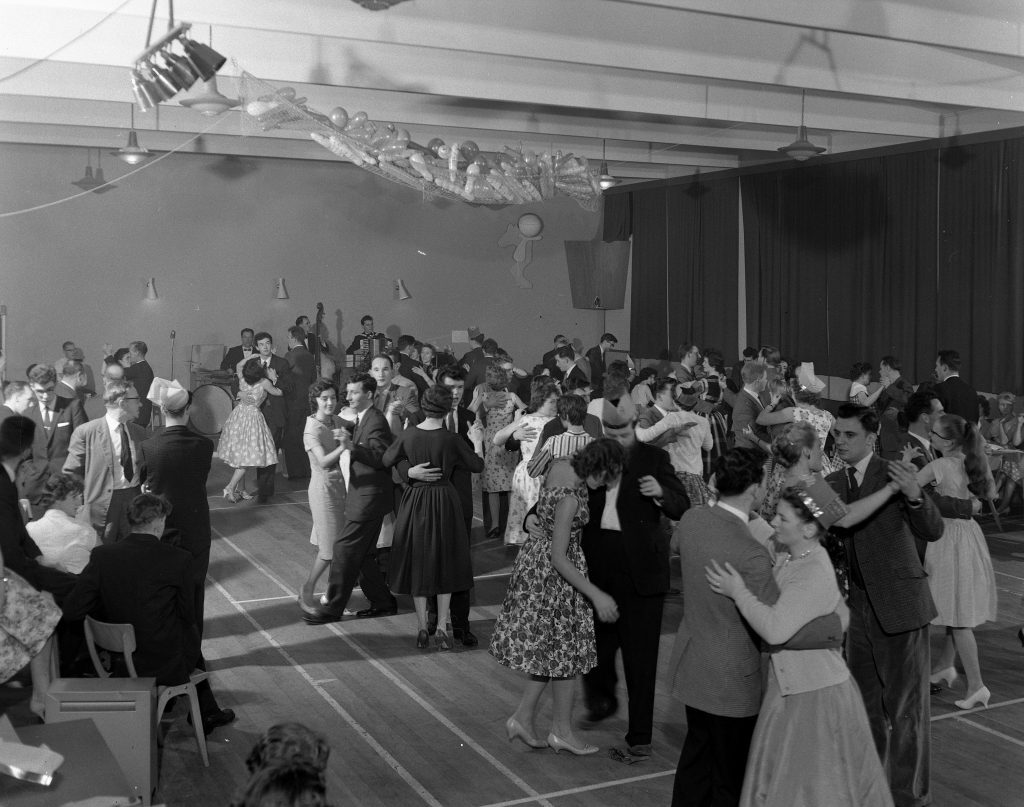
We also touched on the social change this influx of new families made upon life in the county. This exhibition looks to explore further that unbelievable social change through the archives of the Dounreay Social Clubs held at Nucleus: The Nuclear and Caithness Archives.
What has been aptly described as an invigorating ‘centrifugal energy’ can be witnessed in the amazing photographic collections, excerpts from oral history interviews and textual sources.
If Dounreay was about energy, the social scene in Thurso changed as a fresh social energy swept through it’
There is much to see and hear so please take your time, browse at your leisure, and explore the fascinating history of the Dounreay Social Clubs.
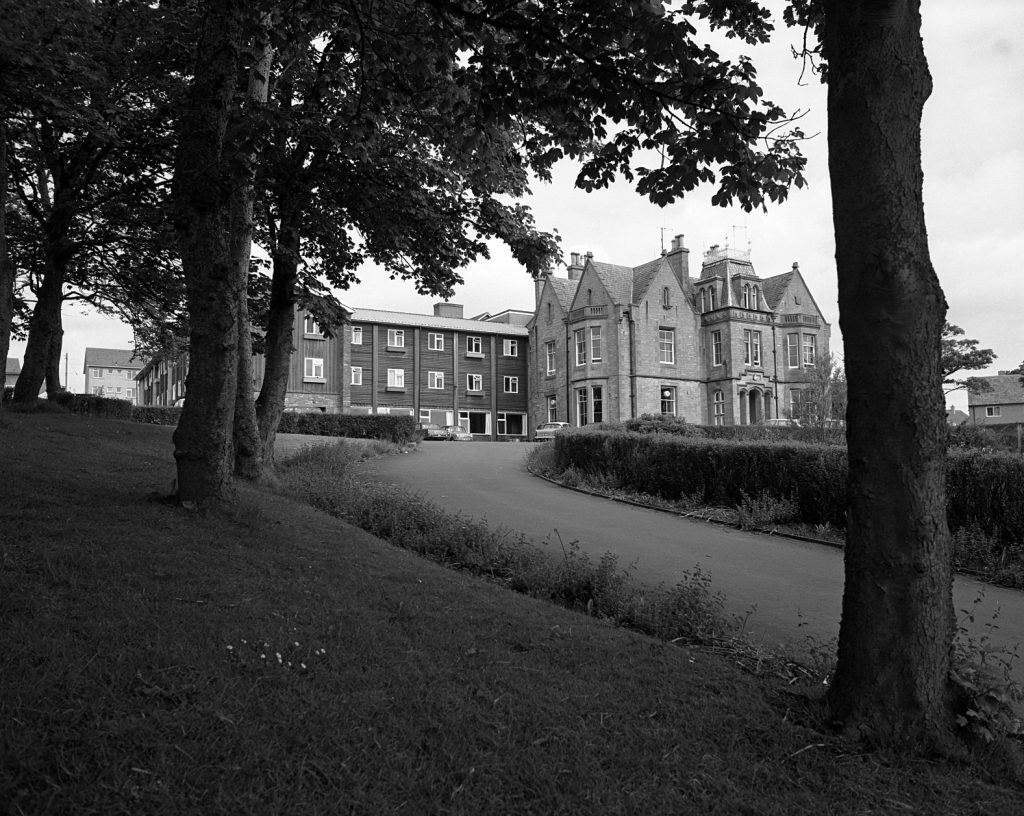
The Ormlie Lodge Club
Explore the Ormlie Lodge Club, a social hub for Dounreay workers with photos and member memories
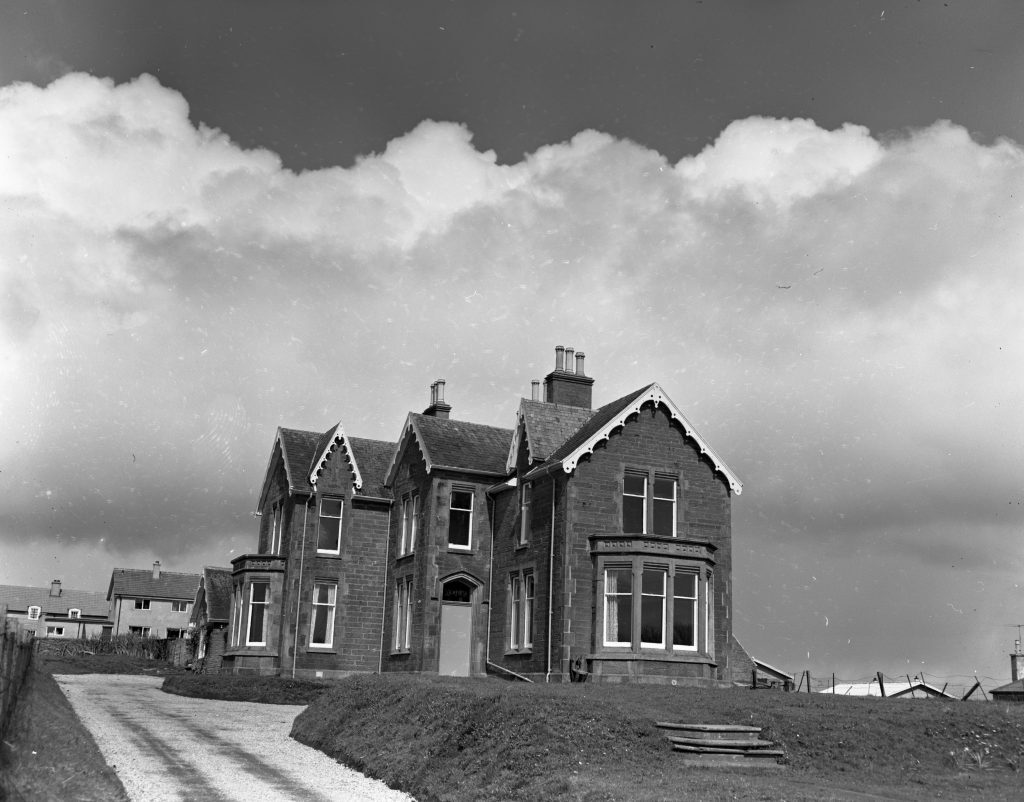
Viewfirth House
Explore Viewfirth House as a social hub, with photos, events and stories from Dounreay life
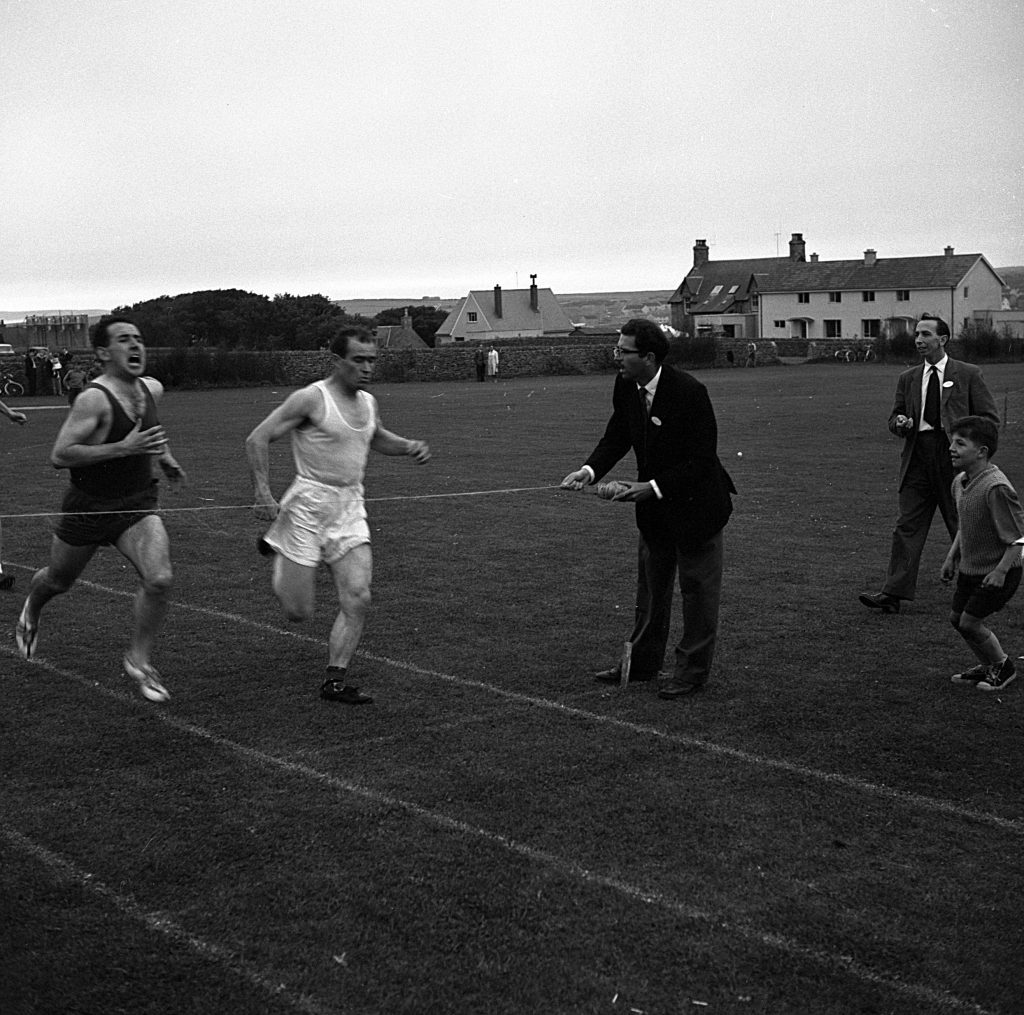
Viewfirth sports
Explore sports days at Viewfirth Green, with photos, memories and events from Dounreay community life
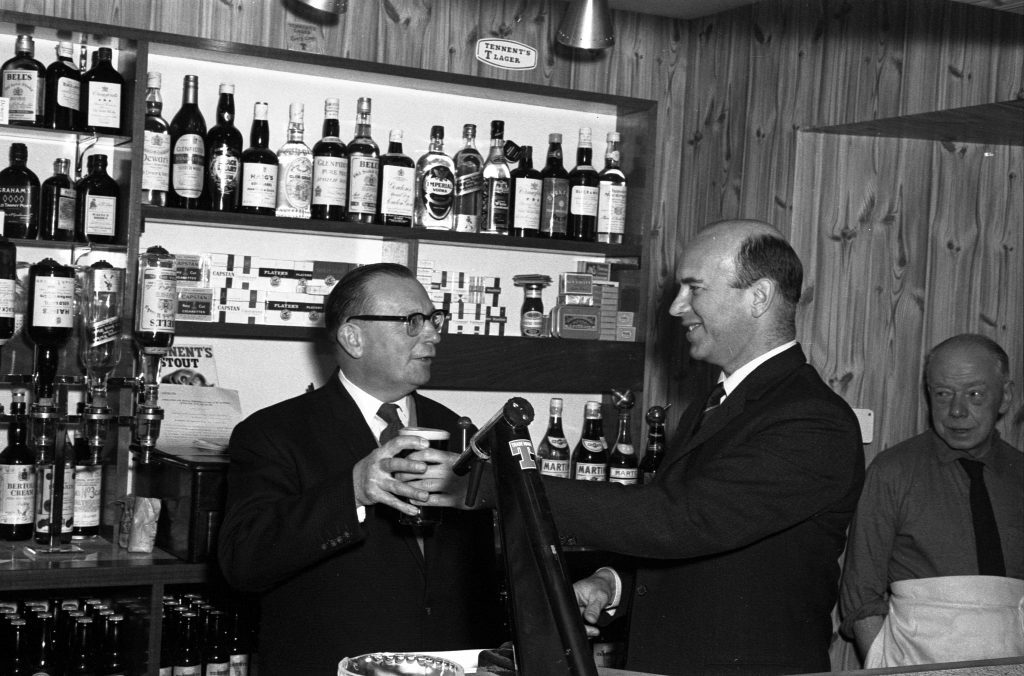
Wick Dounreay Sports and Social Club
Explore Wick and Dounreay Sports and Social Club, with events, activities and community records
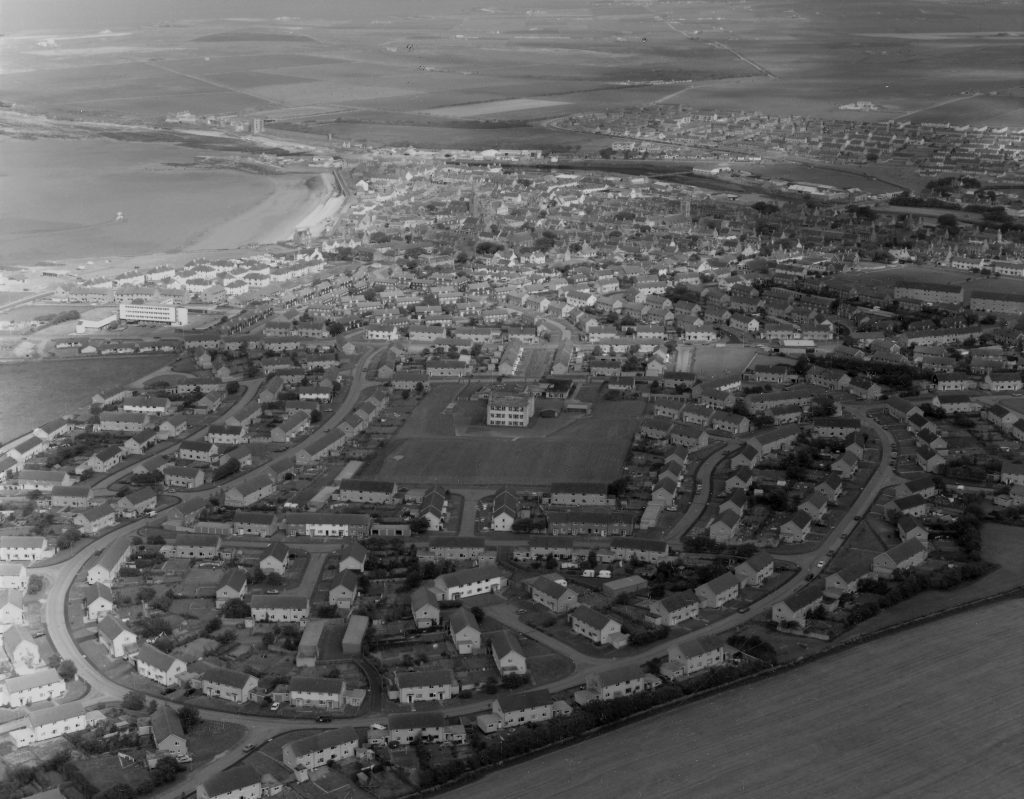
Centrifugal energy
Explore how Dounreay shaped social life, sport and community in Caithness through archive records