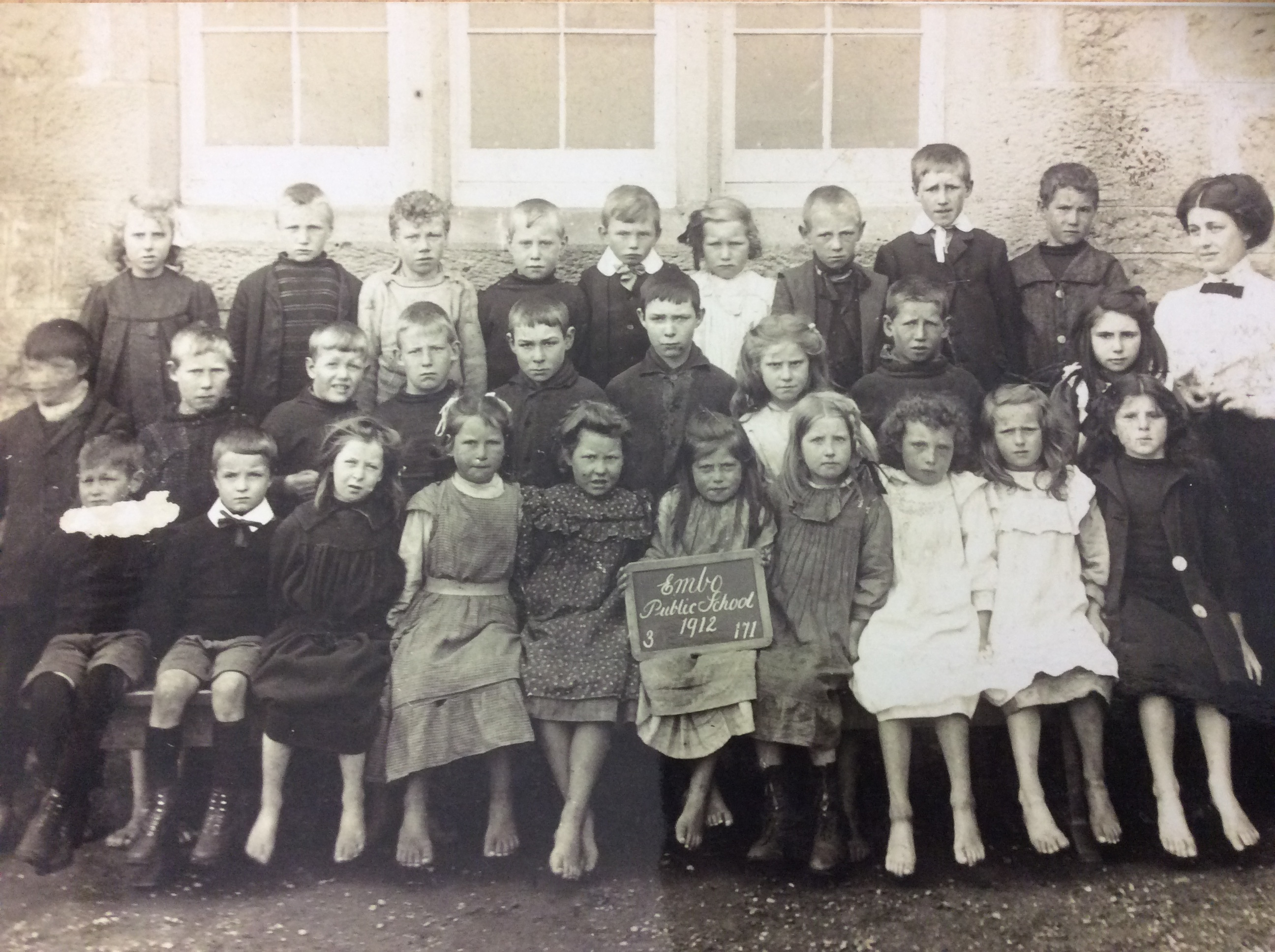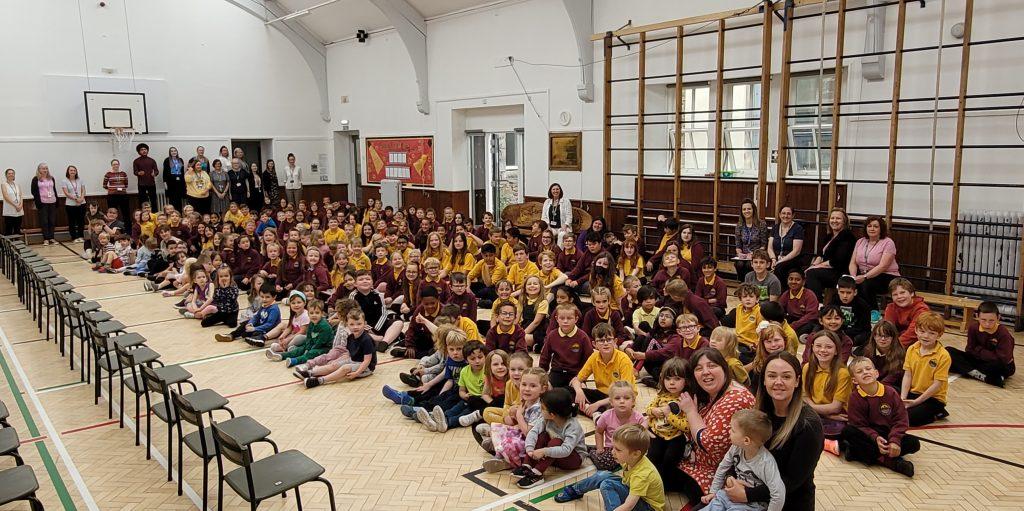


The move to compulsory education dramatically increased the number of pupils. This, of course, created a need for more teachers and the intake of students at Scotland’s teacher training facilities grew accordingly.
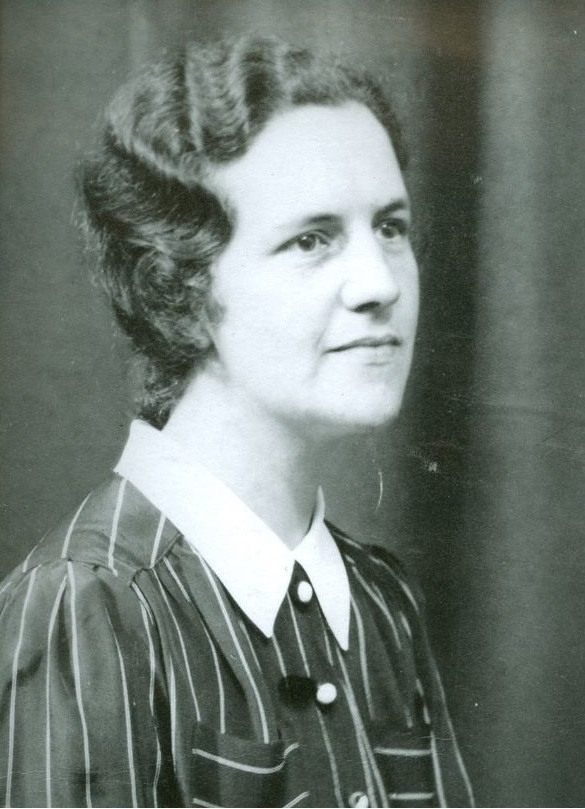
Morag Campbell, a teacher in Soay School. Skye and Lochalsh Archive Centre GB3219/P205/001
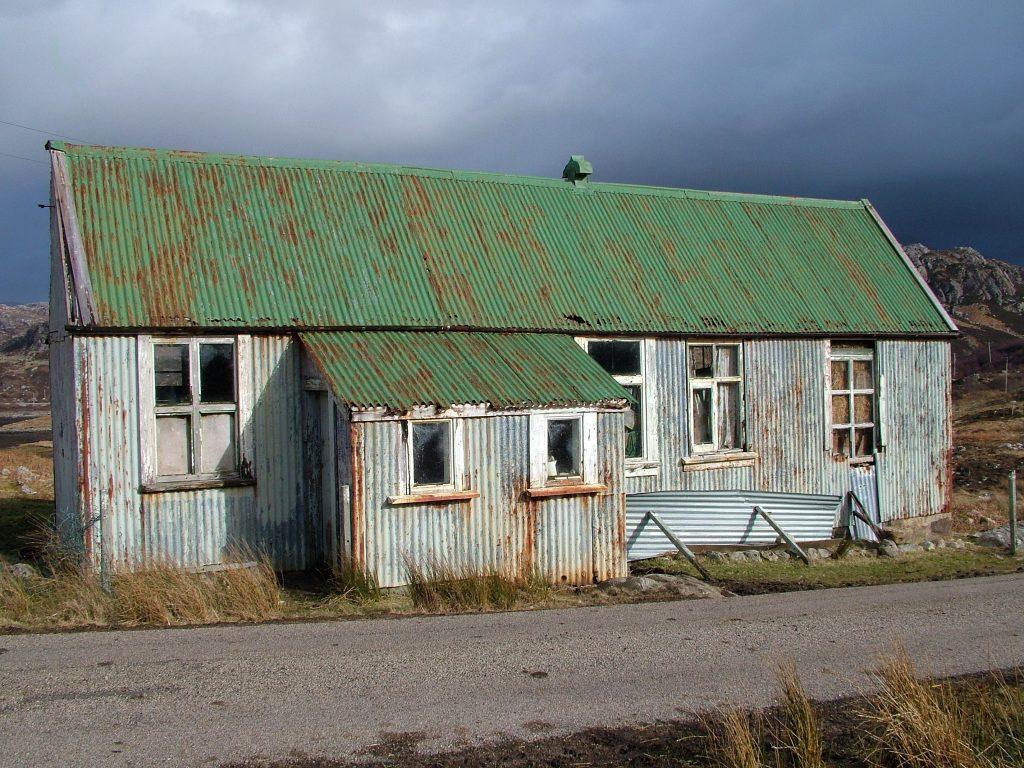
This building, made of corrugated metal, was once a side school at Achlyness. Achlyness is a crofting township stretched out at the head of Loch Inchard near Rhiconich in Sutherland. Photo credit: Willie Morrison
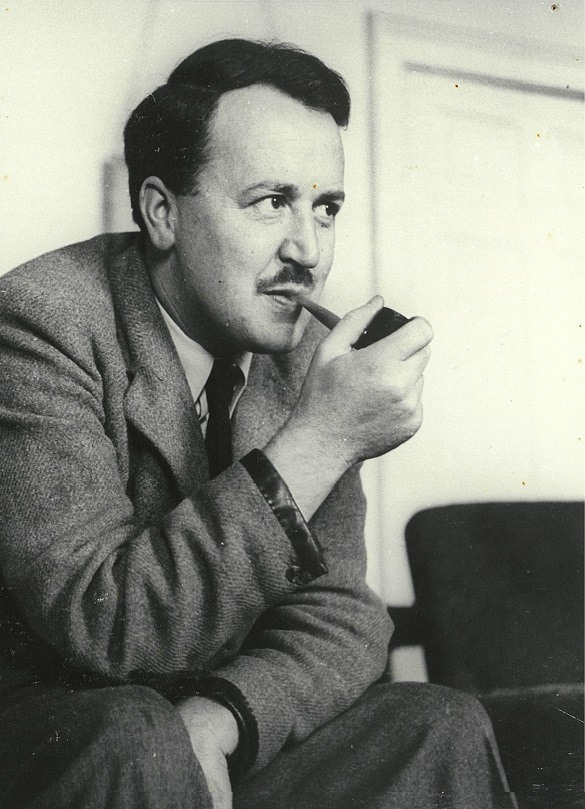
Sorley MacLean teacher in Portree and Plockton. Skye and Lochalsh Archive Centre SL/D313
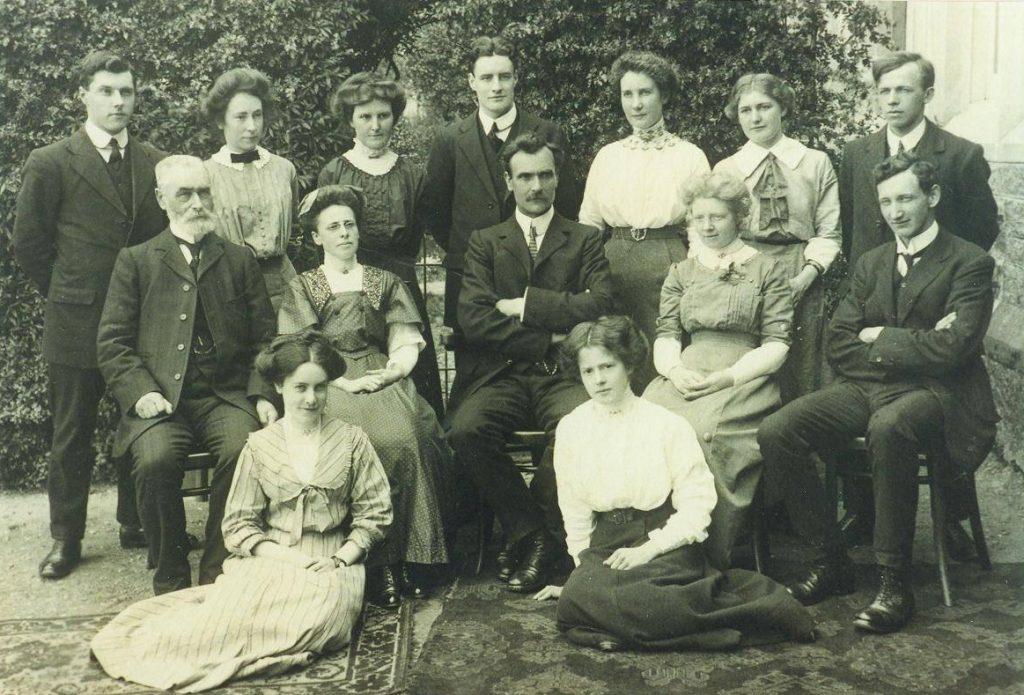
Teachers at Fort William Higher Grade School, 1911
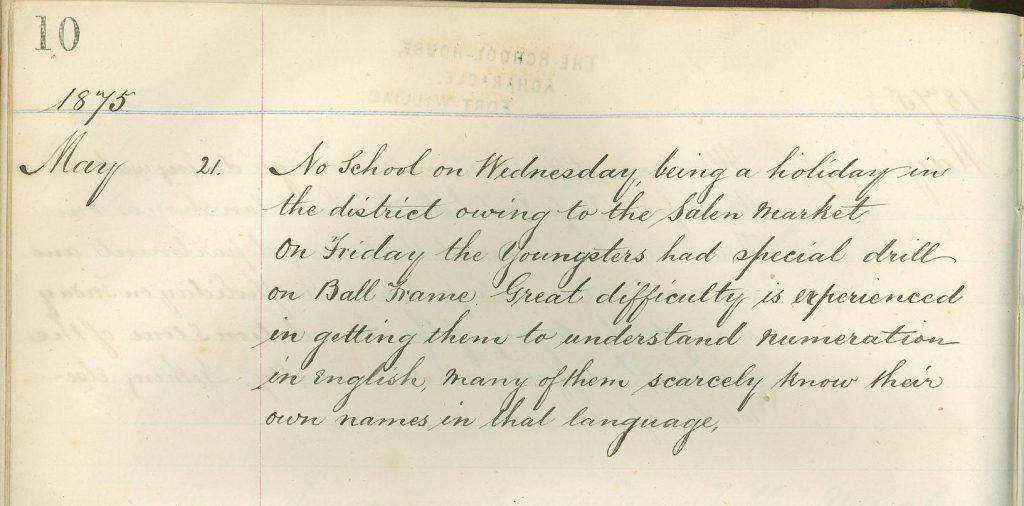
The new school boards were given the ‘right and duty’ to appoint teachers for schools under their control, with salaries at their discretion. New teachers coming in had to be holders of a certificate of competency but those who were already in post pre-1872 were deemed to be holders of a certificate already. Testimonials were important for those seeking new posts, as they continue to be to this day.
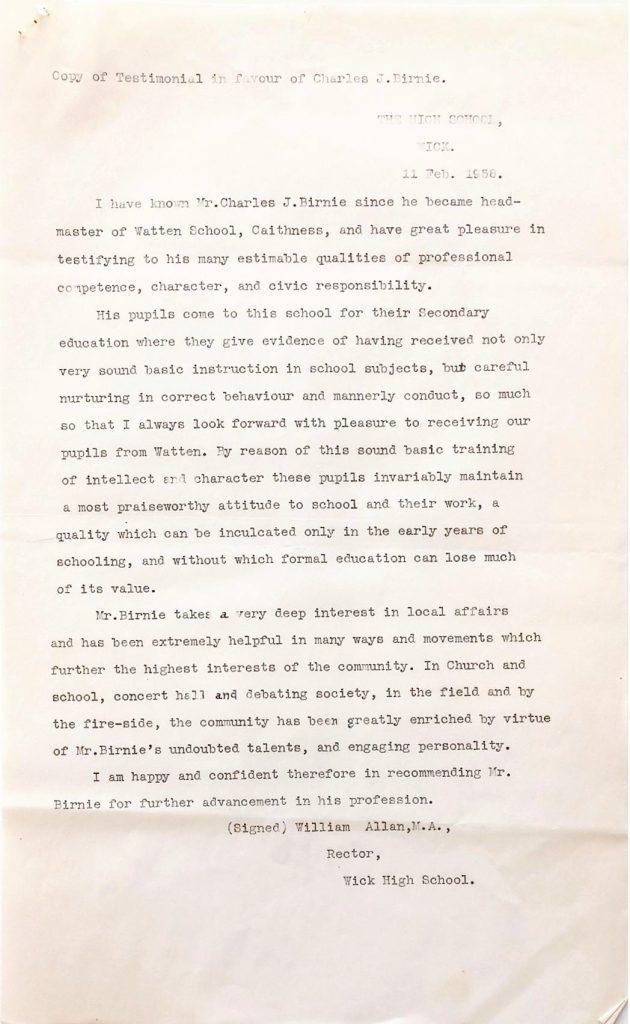
School board minute books give information about the process of recruiting and selecting teachers in addition to details about pay and an insight into the state of the buildings/facilities they had to work with. Many teachers were supported by a pupil-teacher – an older pupil selected to undertake an apprenticeship, working as a teacher while also continuing his/her own studies.
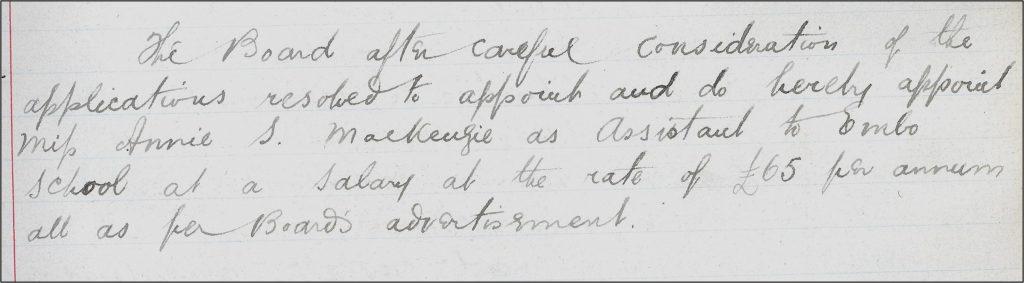
In large rural areas, a side school was often required – a small building or room within a building – to serve one or two families who lived at a distance from the main school. Teachers in side schools were often paid less and taught fewer subjects. Side schools were routinely visited by the main schoolteacher for observation.
In the audio recording below, Isla Sutherland recalls her time as a side school teacher in Sutherland in the 1930s...