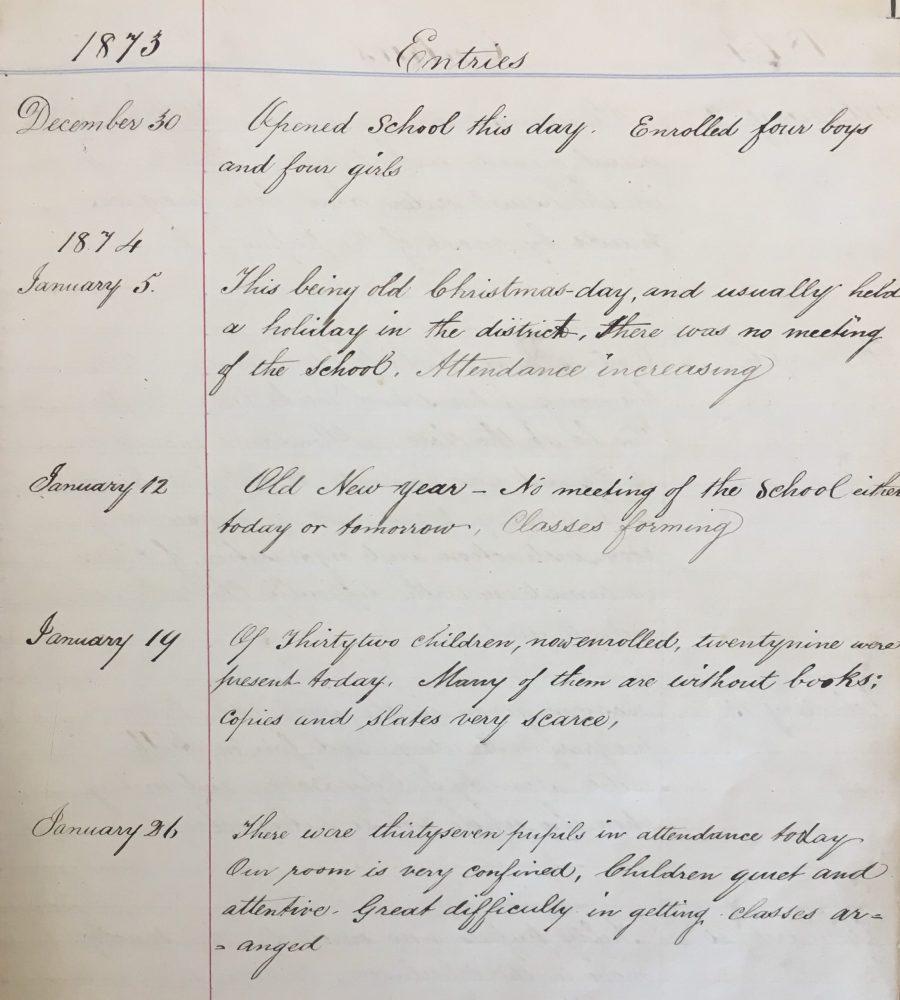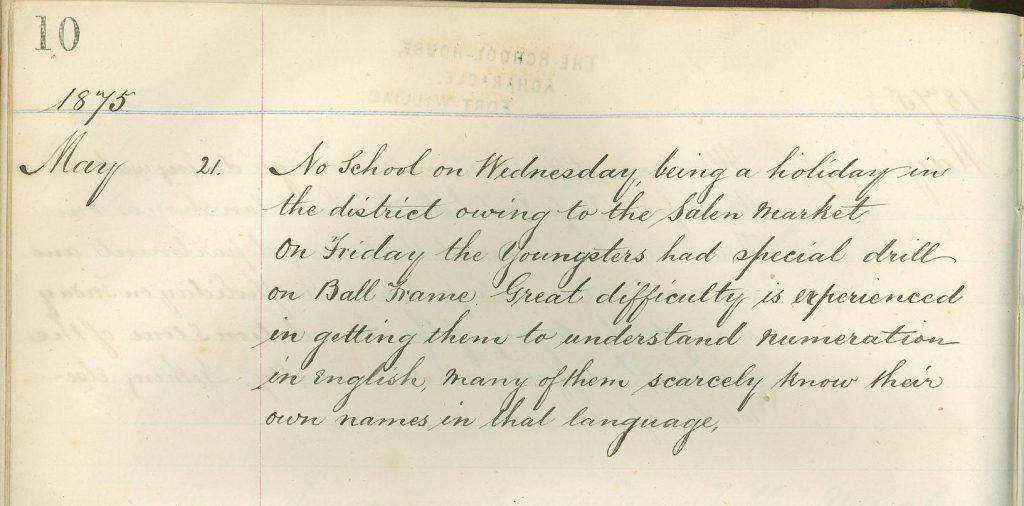










The varied and inconsistent nature of Scottish education in the early 19th century led to a royal commission. A group, led by the Duke of Argyll, appointed in August 1864, and known as the Argyll Commission, examined the state of schooling in Scotland. Their remit included looking at both public and private institutions as well as teacher-training facilities. Its aim was to determine whether public money was being spent in the most beneficial way.
The commission revealed that hundreds of thousands of young people in Scotland were receiving sub-standard or no education at all. It was this that paved the way for the 1872 Education (Scotland) Act, which sought to both reverse these statistics and learn lessons from missed opportunities of the 1870 Education Act passed in England and Wales.
On 6th August 1872 “An Act to amend and extend the provisions of the Law of Scotland on the subject of Education” received royal assent and passed into law.
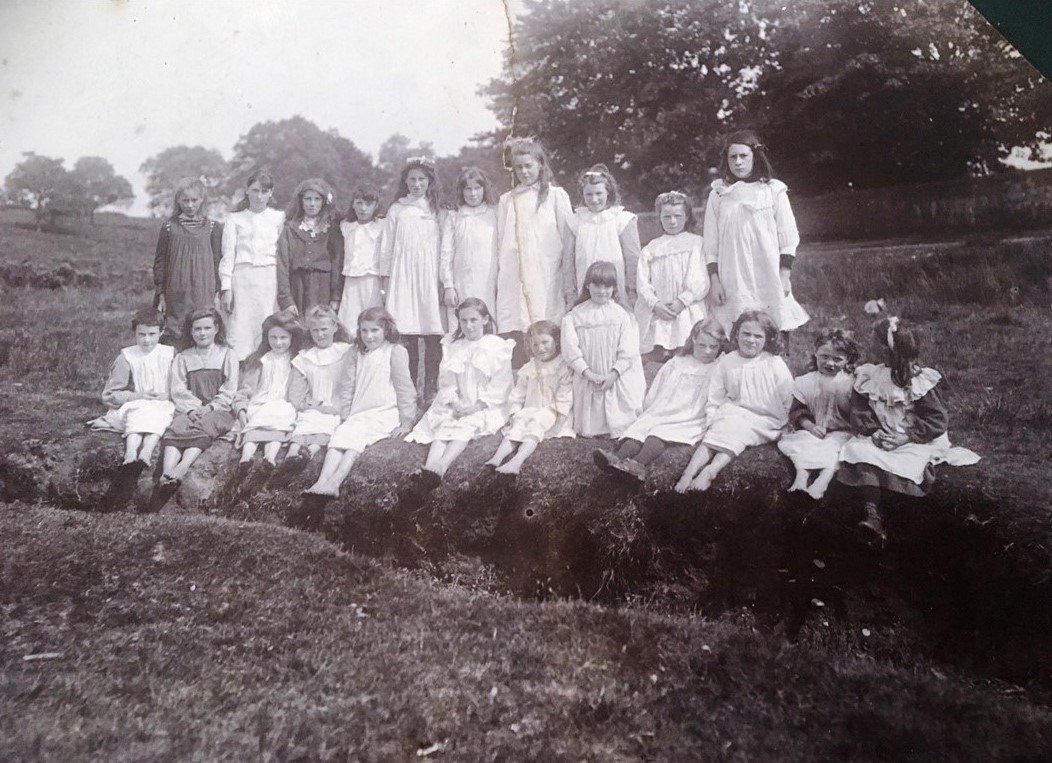
School girls from Kilmonivaig School, c.1900
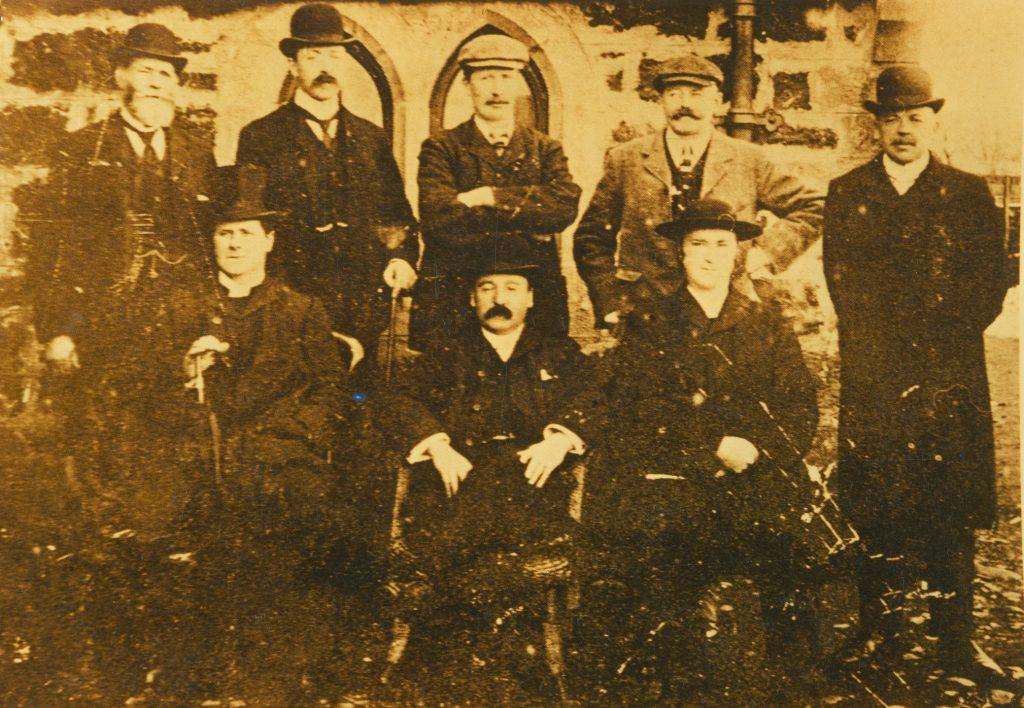
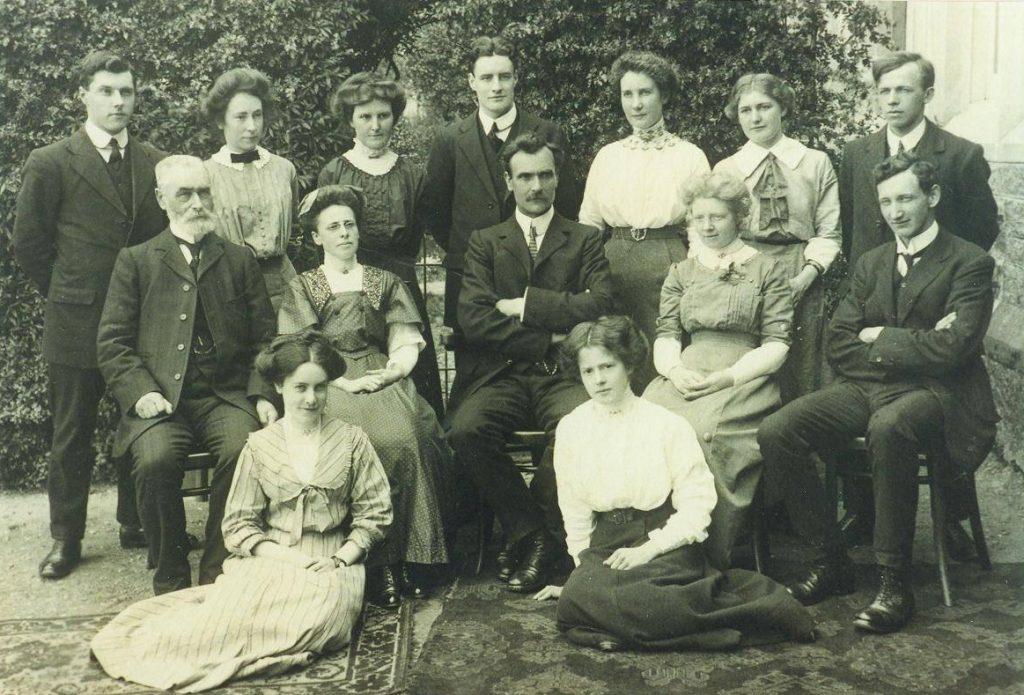
Members of the School Board Portree 1890s

School boys from Kilmonivaig School, c.1900

West Watten School - Pupils

Embo school photograph, 1912. CS/5/5/13g
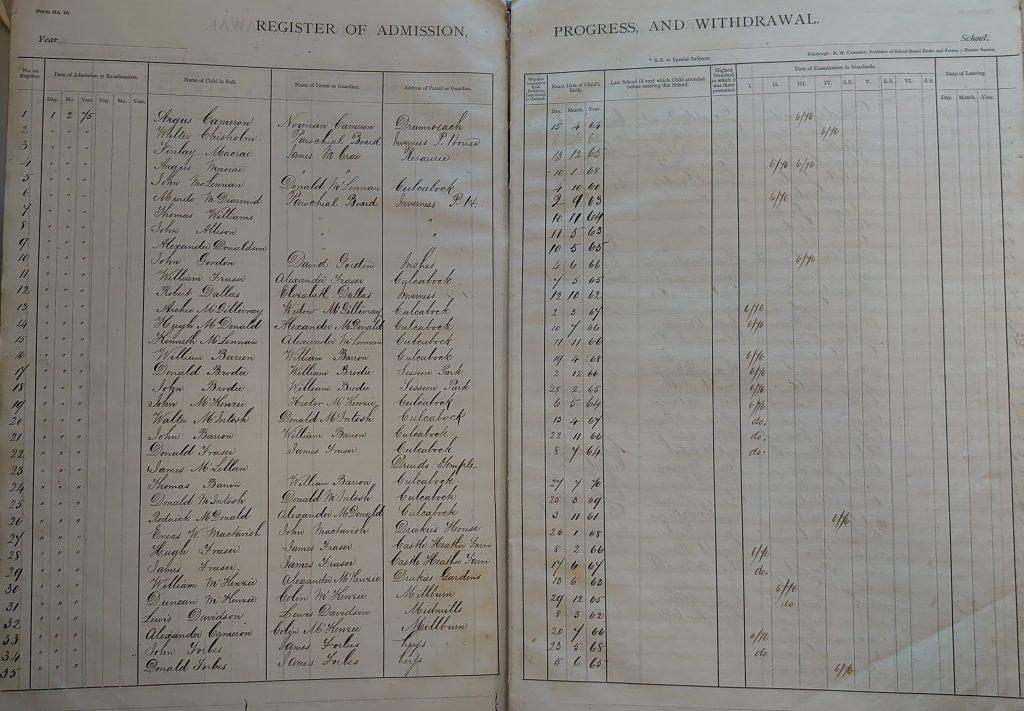
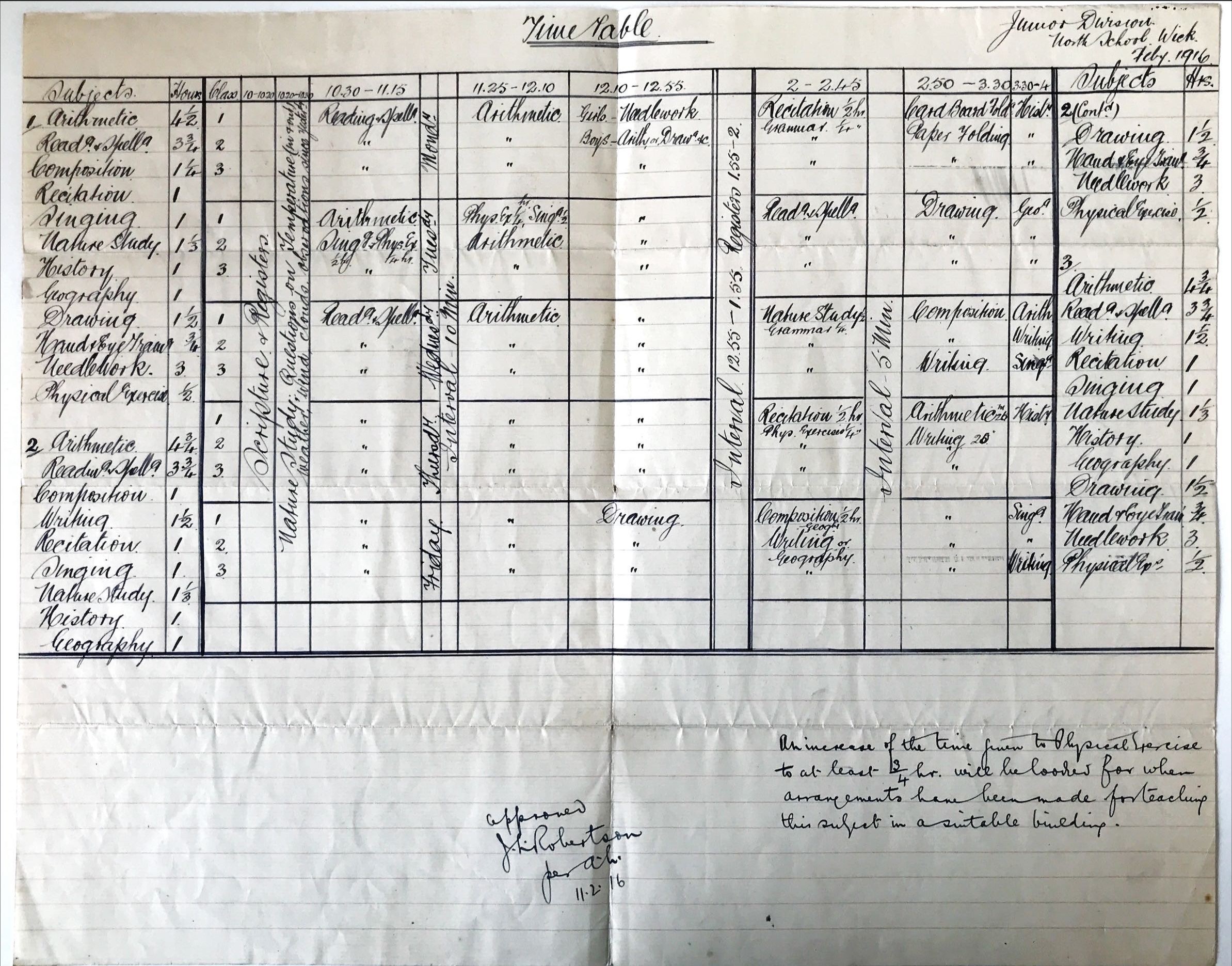
The Act revolutionised education. For the first time, school attendance became mandatory for all children between the ages of 5 and 13 and parents had a duty to provide their children with elementary education in reading, writing and arithmetic. Those who couldn’t afford the fees (set by each school board) could apply to their local parochial board who were obliged to assist. Poverty was no longer a barrier to attendance.
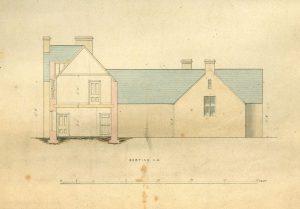
Burgh and parish schools which had existed prior to the passing of the Act were incorporated into the new system (a lesson which had been learnt from the 1870 England/Wales Act which had attempted only to fill gaps in education provision). A new central Board of Education for Scotland was established, under which were created some 1000 local school boards – one for every parish and burgh in Scotland. Of course, these school boards needed new schools to administer…