








The impact of the Education (Scotland) Act on Gaelic was substantial and has undoubtedly caused lasting damage to the use and promotion of Gaelic language and culture.
In the recording below, from the www.ambaile.org.uk collections, Fred Macaulay, Senior Gaelic Producer BBC Scotland and Manager of BBC Highland in the 1970s and 1980s, discusses the limited provision for Gaelic in schools and in education legislation since 1872.
Audio credit: Moray Firth Radio.
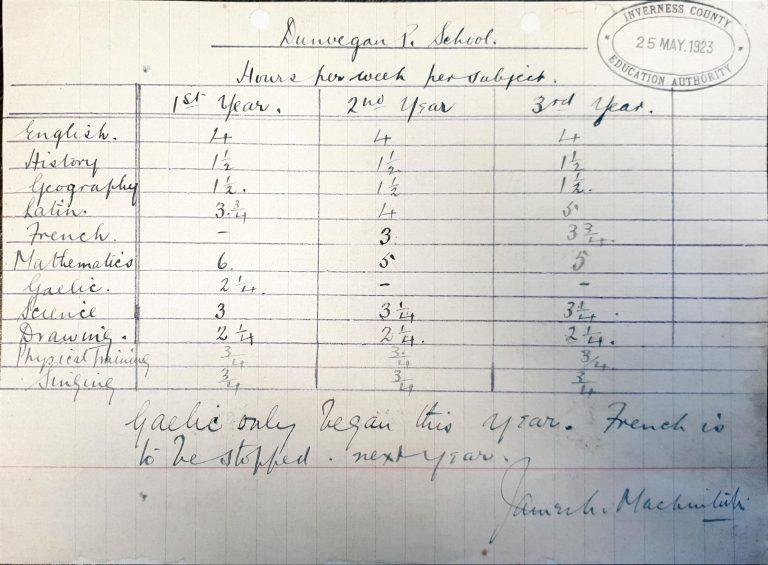
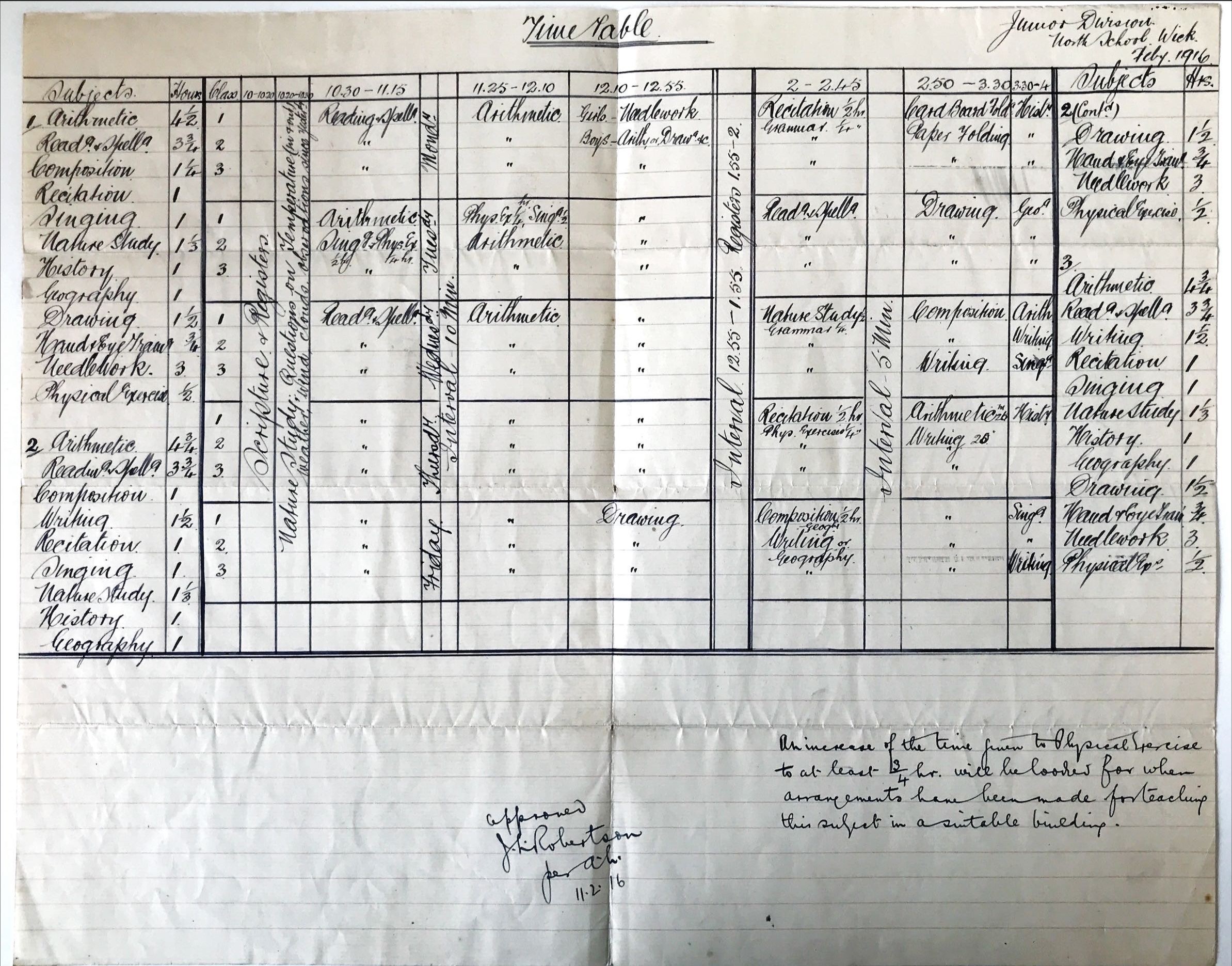
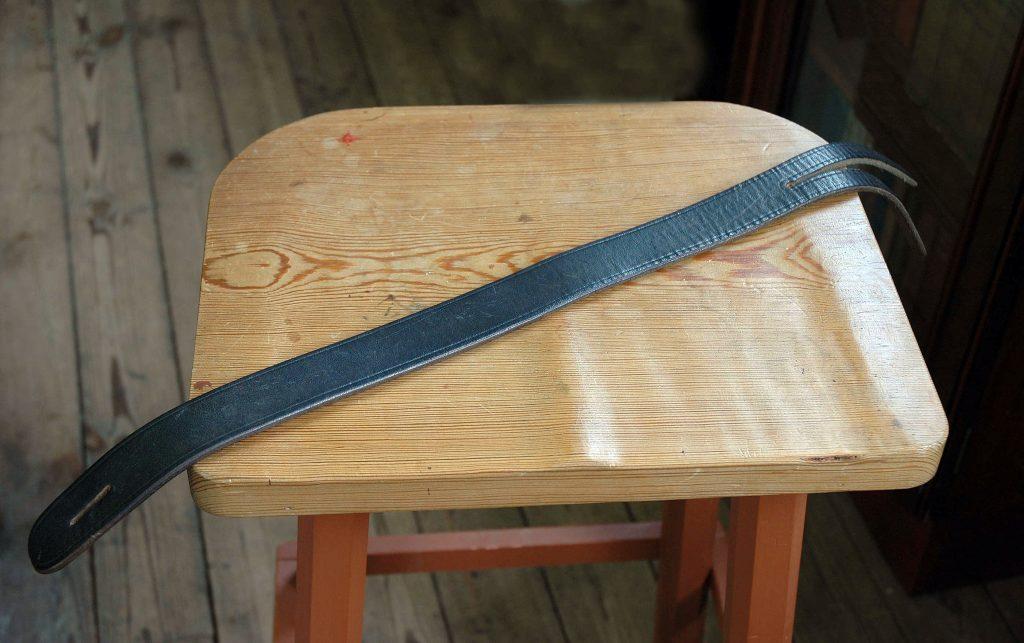
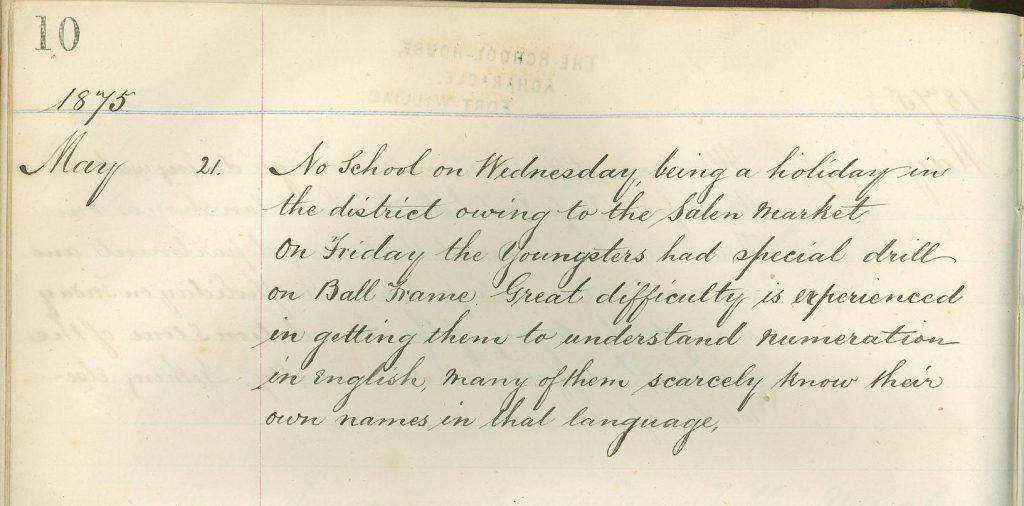
Education had been becoming increasingly anglicised prior to 1872 and the passing of the Act with no provision for Gaelic teaching compounded this. Lessons were taught in English and pupils were discouraged from speaking Gaelic.
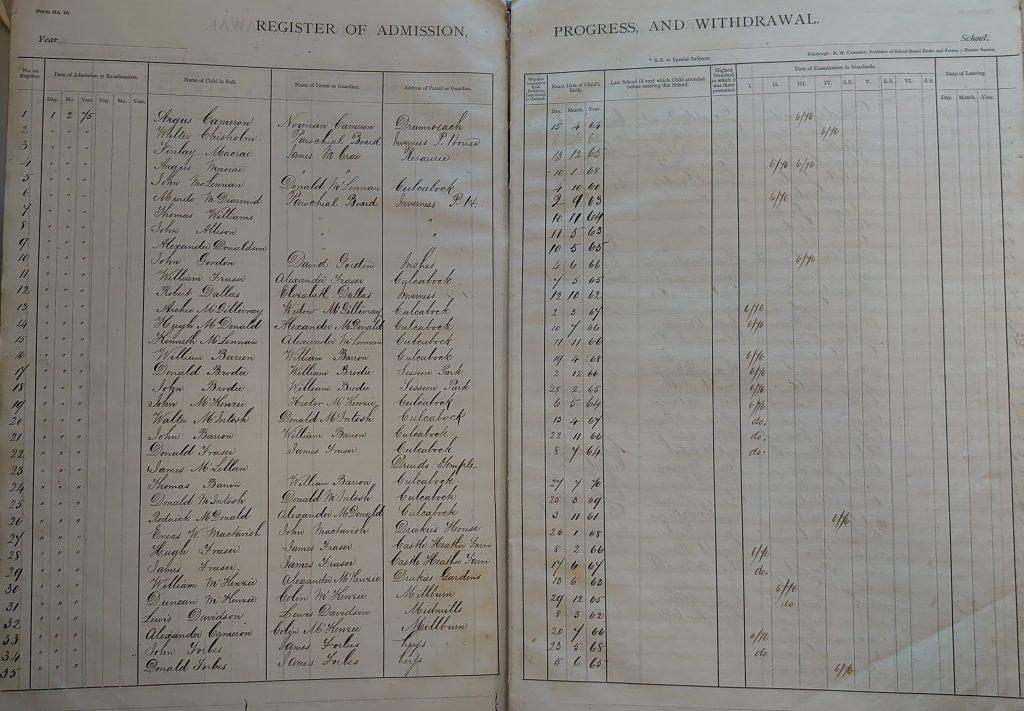
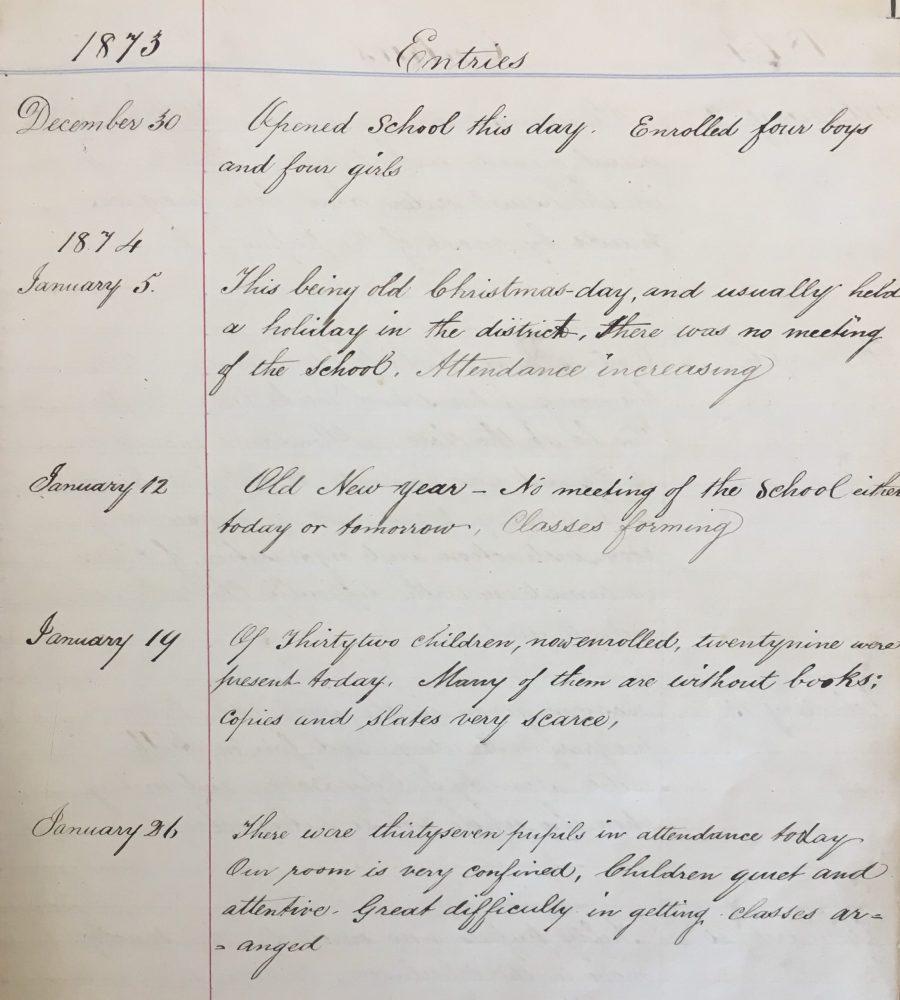
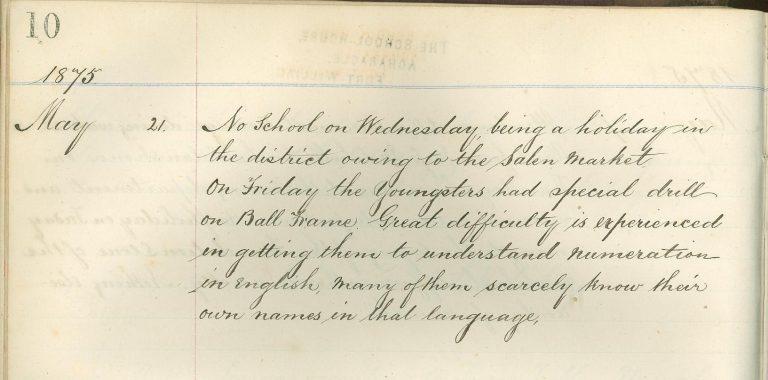
School log books record teachers’ attempts to communicate with children across the language barrier and the issues that arose.
As a result of the low status placed on the language, and the perceived disadvantages of speaking it, many parents chose to encourage their children to speak English and did not pass the Gaelic language down, resulting in gradual language shift and substantial loss.
Subsequent laws attempted to address aspects of this, but it was not until the 1980s that Gaelic medium education was introduced into selected schools. However, by this time over 100 years had passed, and the damage was done.