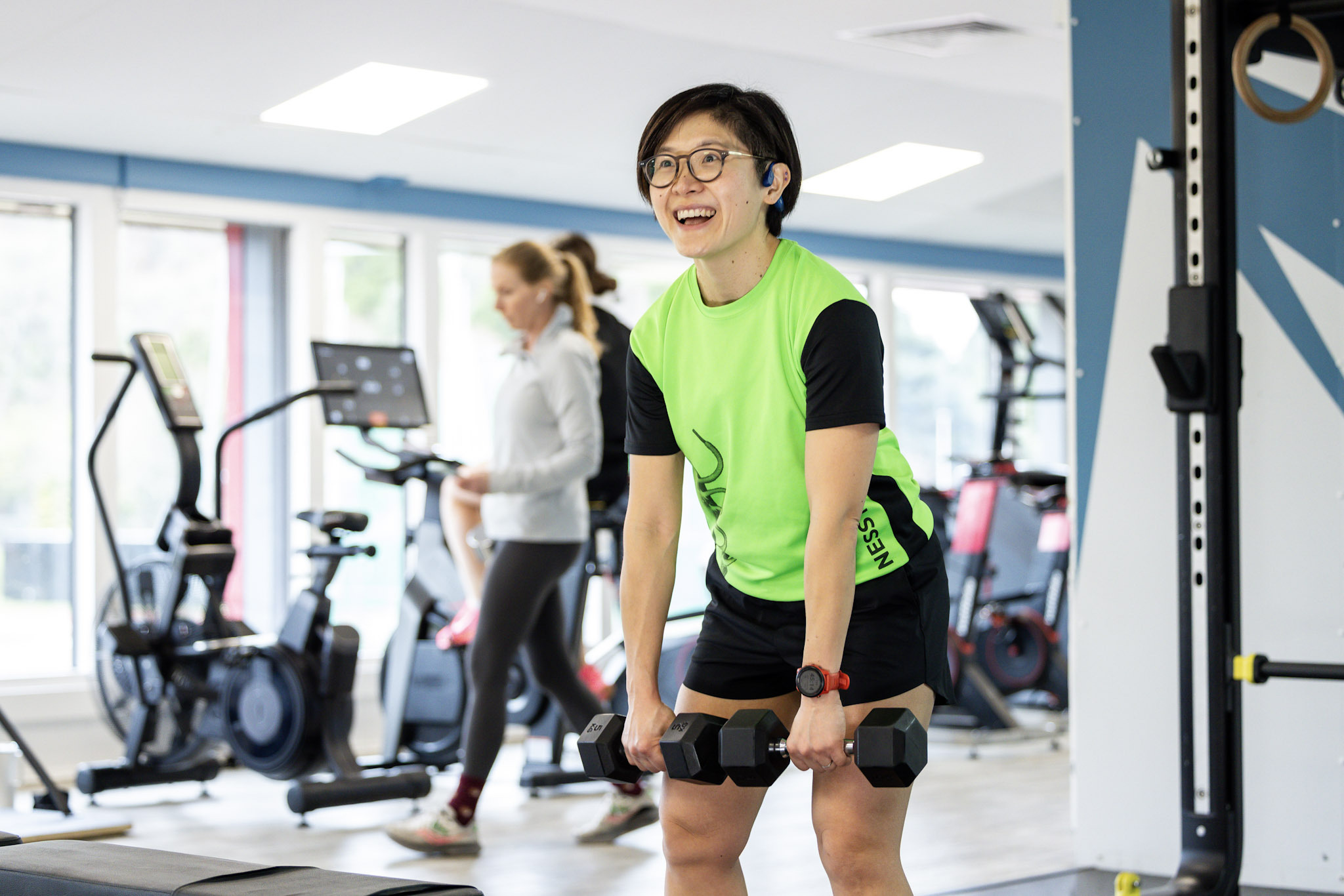
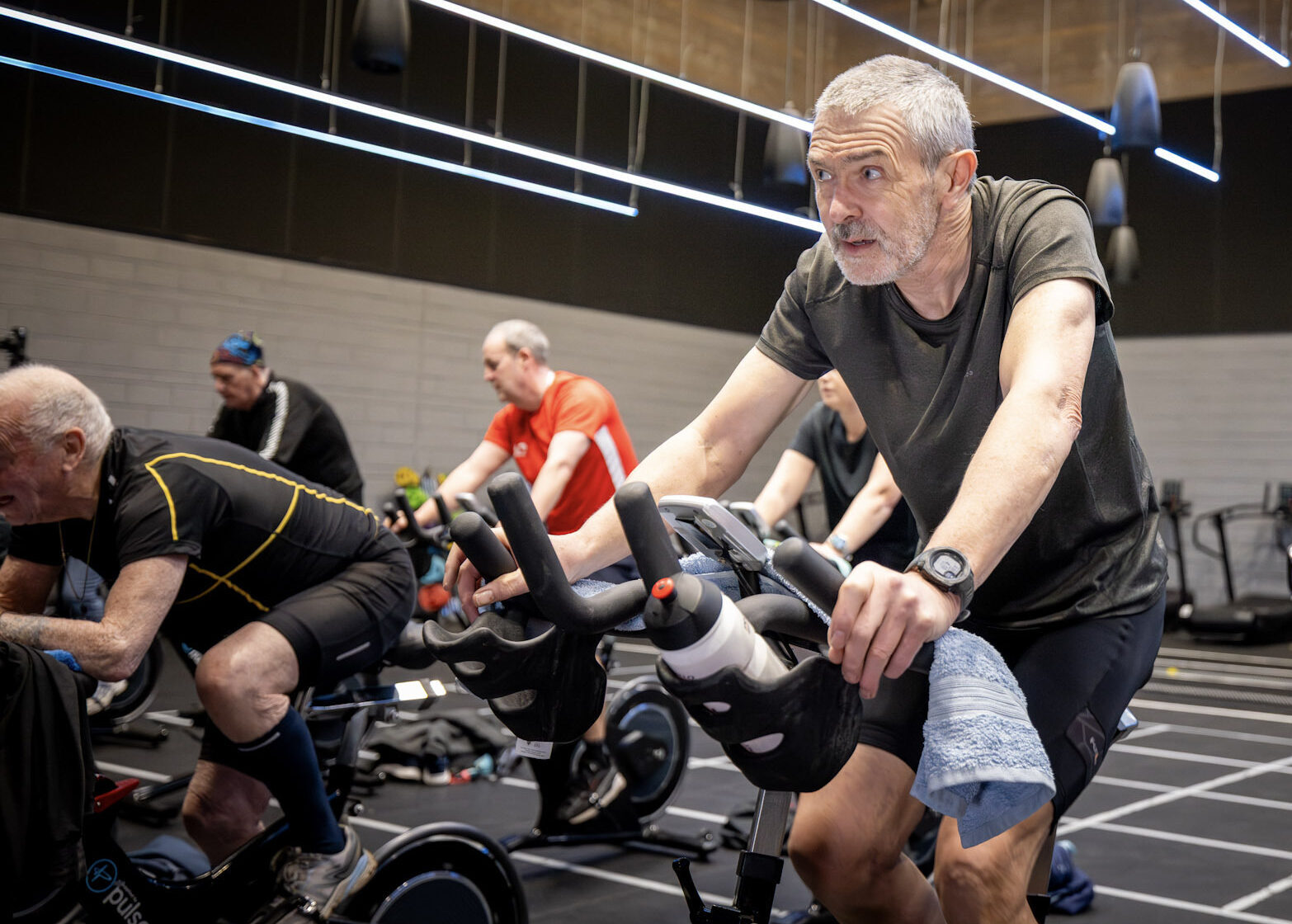
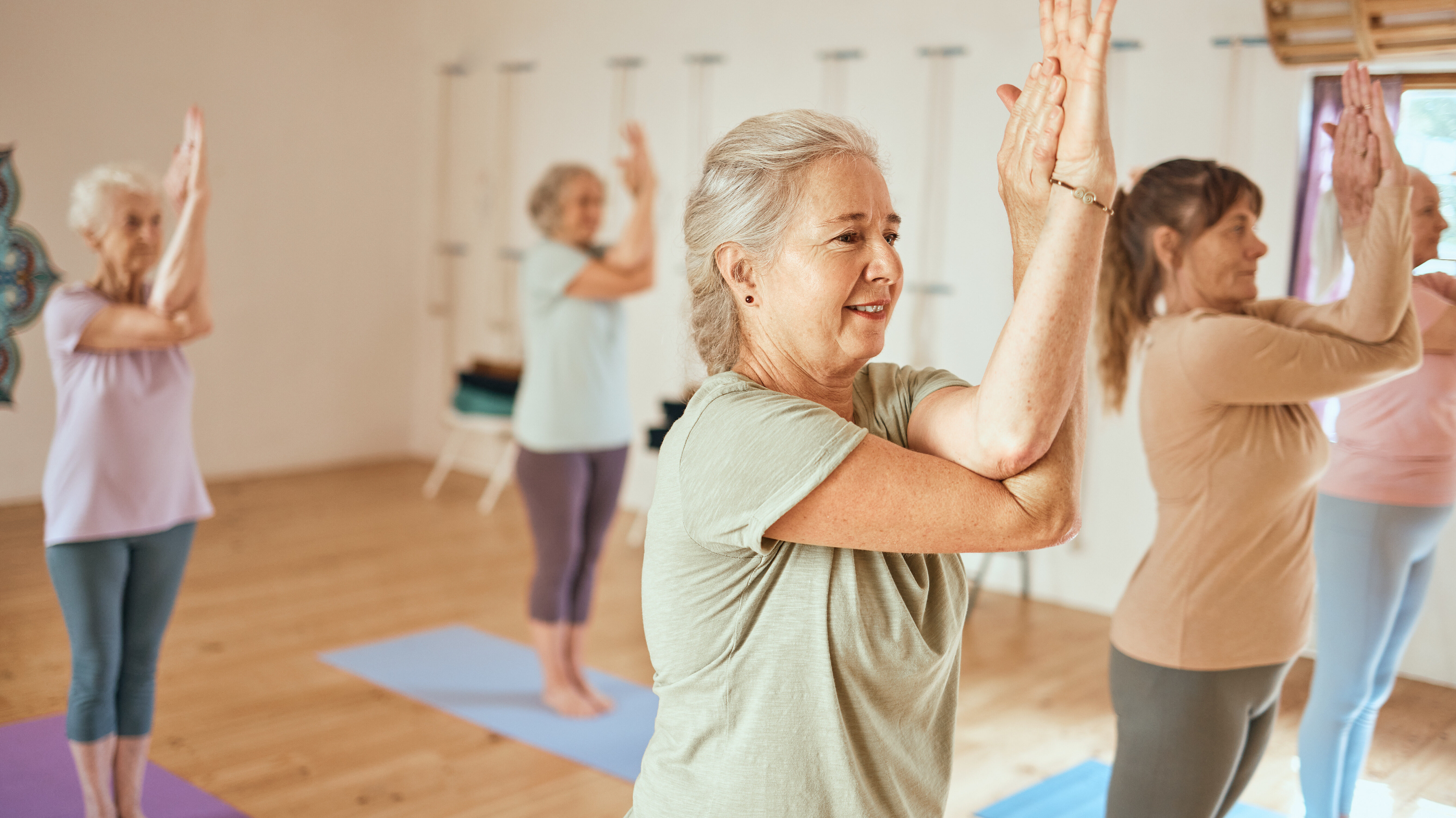


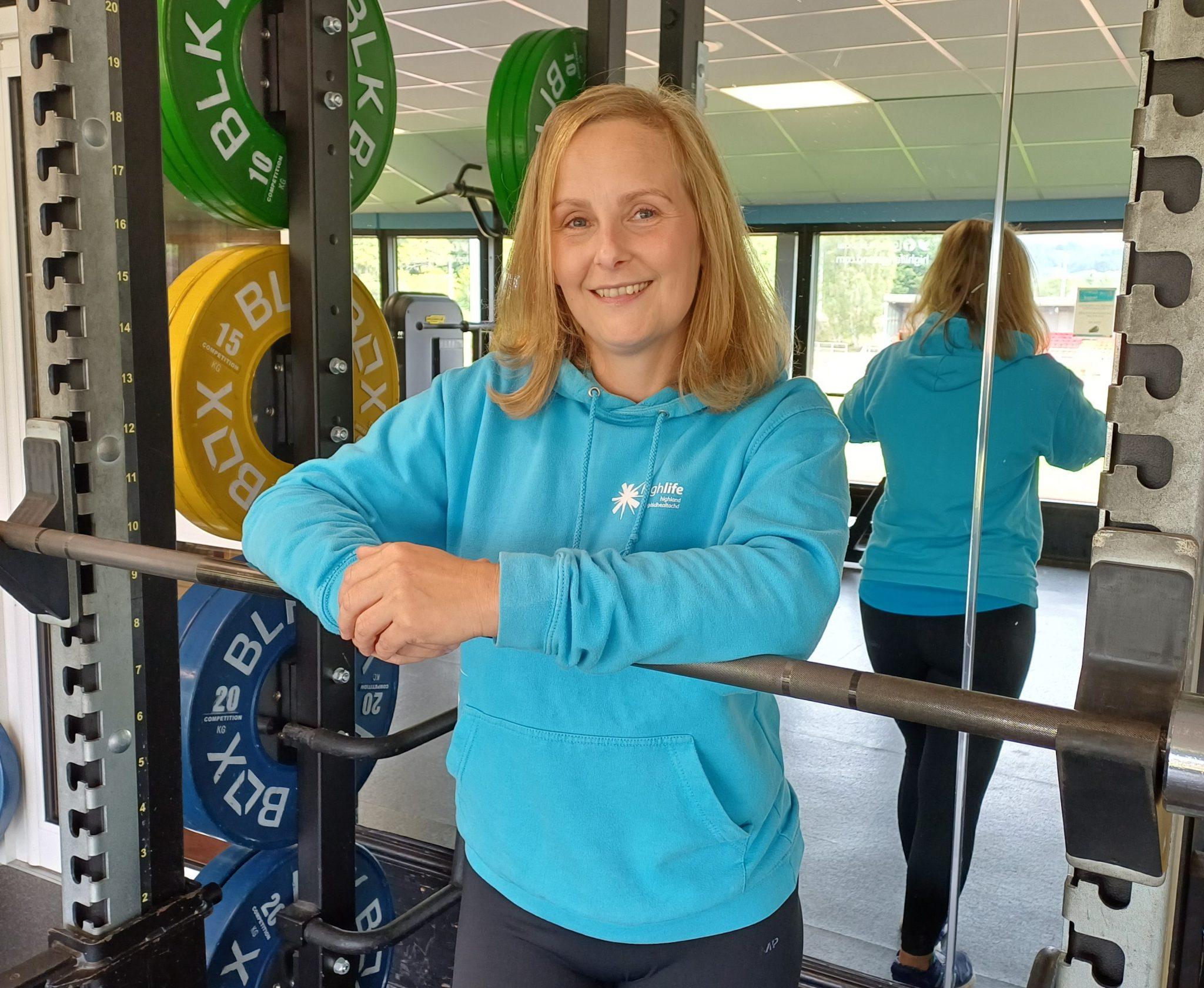
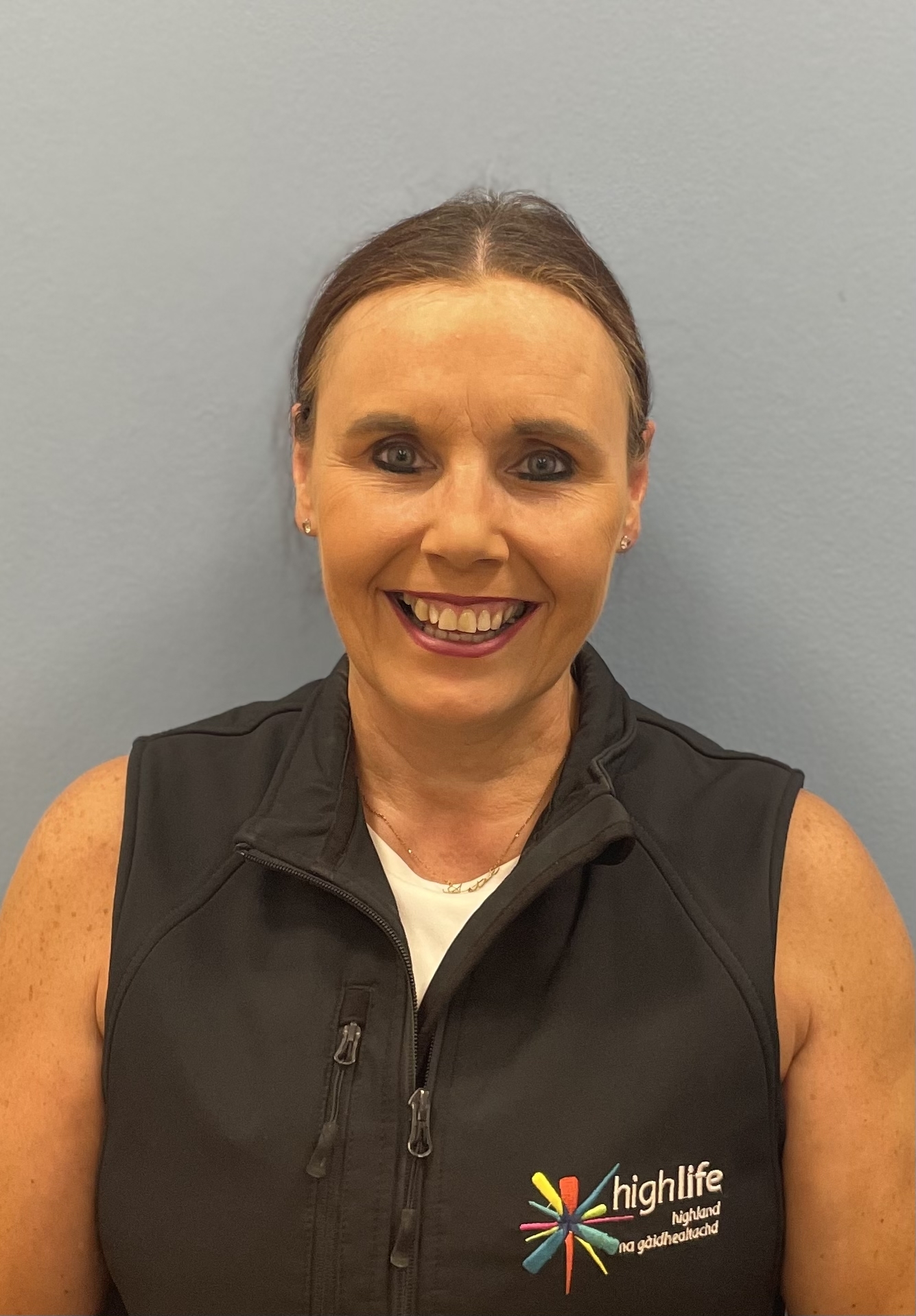
Sharon Emerson has worked for High Life Highland for 14 years, starting out on reception before training as a Parkinson's exercise instructor and later becoming a Group Fitness Coordinator at Inverness Leisure. She now splits her time between coordinating the group fitness programme and teaching the classes she loves, including several of our Parkinson's sessions at Inverness Leisure. We asked her to share what those classes involve, and why she believes in them so strongly.
This is the last in our series looking at staying active with a health condition. If you've missed any of the earlier posts, you can catch up on the whole series here.
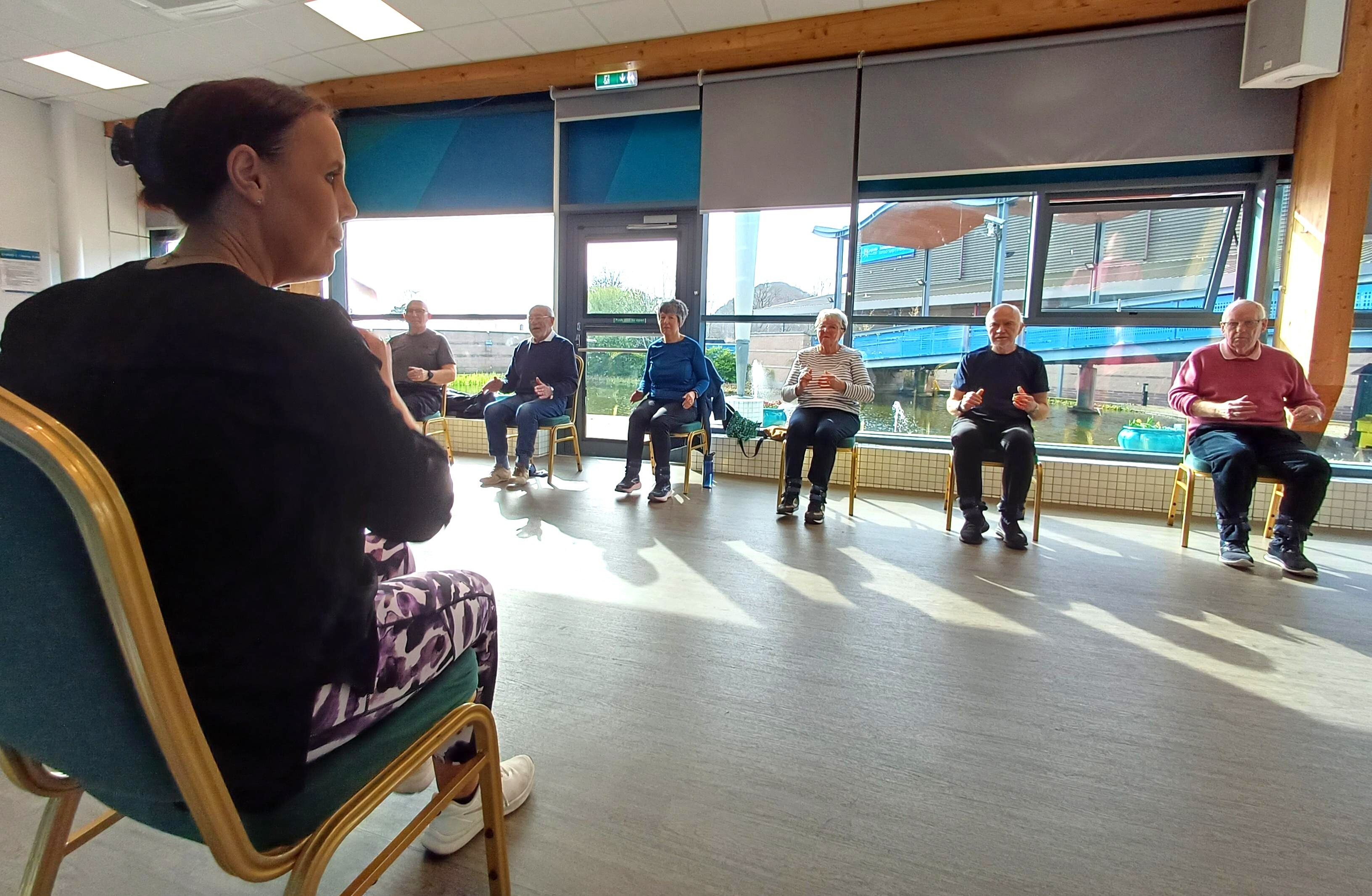
Our Parkinson's classes
At Inverness Leisure, we run four different types of Parkinson's classes each week, plus three online sessions, each with its own identity so there's something to suit everyone.
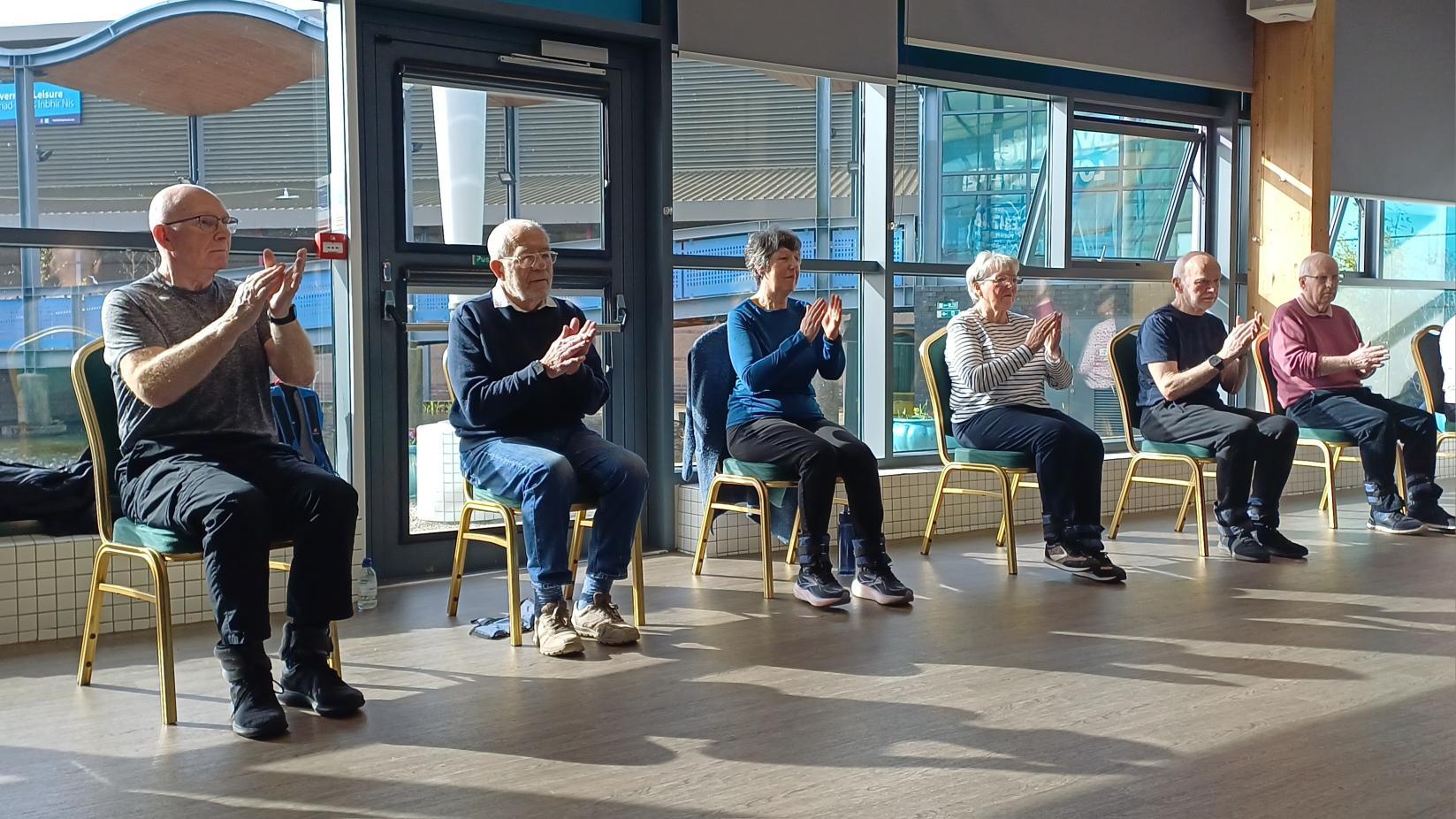
- Parkinson's Circuit — functional exercises, some chair-based, moving between stations and performing each exercise as many times as you can in a set amount of time.
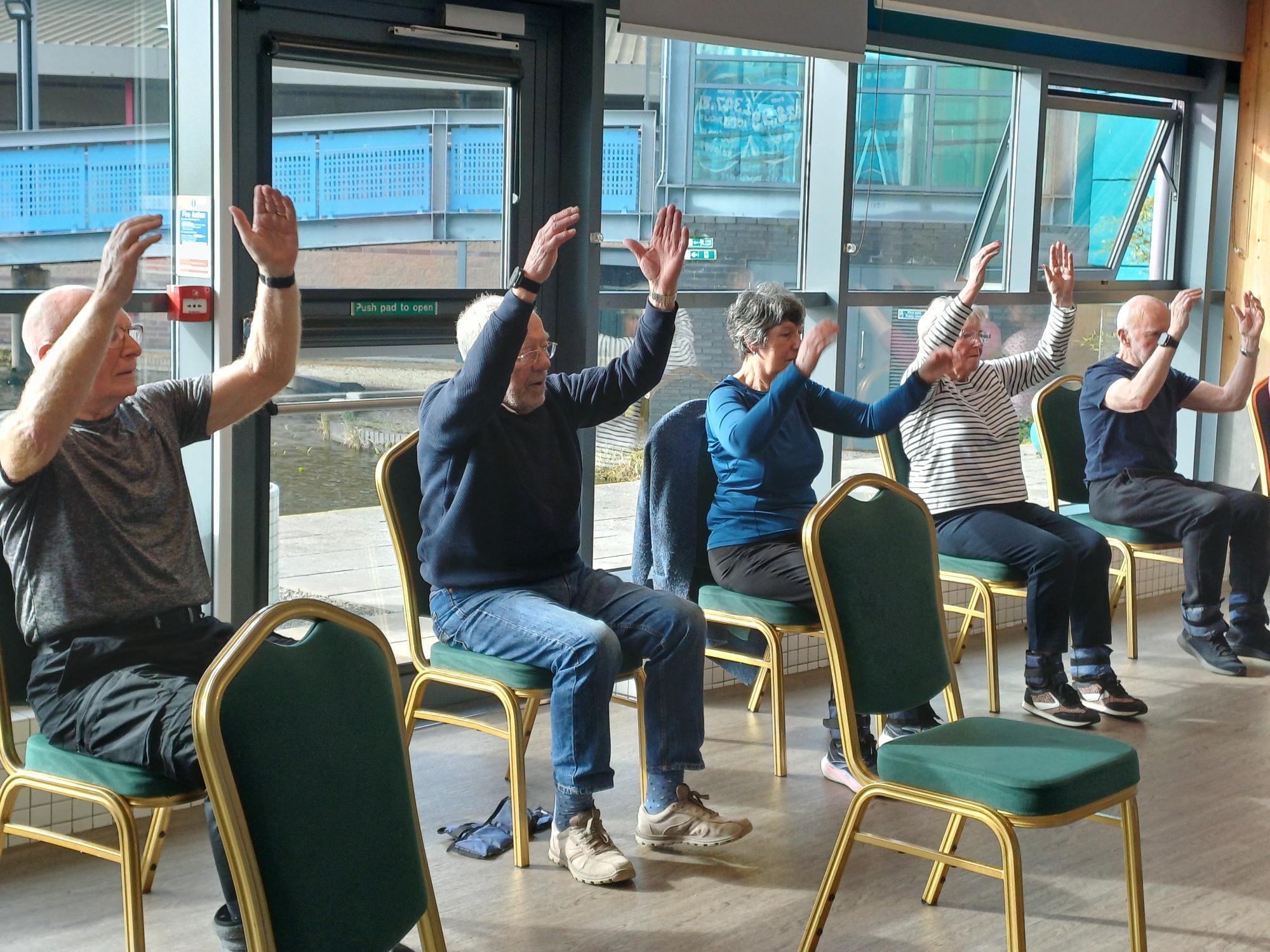
- Parkinson's Exercise — functional exercises, some chair-based, using a range of simple equipment.
- Parkinson's Plus — a higher intensity class combining cardio-drumming with functional exercises, some chair-based and some standing.
- Parkinson's Beats — our cardio-drumming class, and my favourite (more on this one below).
We also run Parkinson's Table Tennis on Tuesday mornings — a great option if you fancy something a bit different.
Not every centre runs every version, but online classes run three times a week too, so if getting to a centre isn't easy, that's a good option — you'll just need a tablet, smartphone or computer with a camera to join in.
What Parkinson's actually is
For anyone who doesn't know much about it, Parkinson's is a progressive neurological condition that affects the brain's ability to control movement. It happens when nerve cells in a part of the brain become damaged or die, which leads to a drop in a chemical called dopamine that helps coordinate movement.
Most people think of tremor, but there's a lot more to it — problems with balance, a kind of "freezing" where your brain and body don't quite connect and you get stuck mid-step, mood changes like anxiety or low mood, disrupted sleep, and general slowing of movement and thinking. One of the earliest signs is often a shuffling walk. It affects everyone differently, and it can change over time.
Exercise is one of the most effective things people can do to help manage it. It can help protect brain cells and potentially slow how symptoms progress. In our classes, we work on strength with hand weights and resistance bands, we do little games with clothes pegs to build finger strength, and we focus a lot on walking properly and picking feet up instead of shuffling, which helps reduce falls. It all adds up — better balance, better coordination, better posture, and a real boost to mood and confidence too.
Why I got into this
I actually have a few friends with Parkinson's, and that's really where my interest started. I became an instructor about eight years ago, around the same time a couple of them were diagnosed. I wanted to understand what exercise they could safely do, so their symptoms wouldn't get worse and, hopefully, so I could help them feel better — improving balance, reducing falls risk, building strength and mobility, and boosting mood along the way.
One friend in particular struggled with depression and anxiety, and I used to take her out walking every day. Sometimes we'd go for a cup of tea, sometimes a swim, sometimes a class. It made a real difference to her, and watching that pushed me to want to help more people.
It's brilliant to watch the progress people make — where we might once have done one exercise at a time, a lot of the class can now manage two or three together, coordinating everything at once. They're proud of it, and so am I.
My favourite: Parkinson's Beats
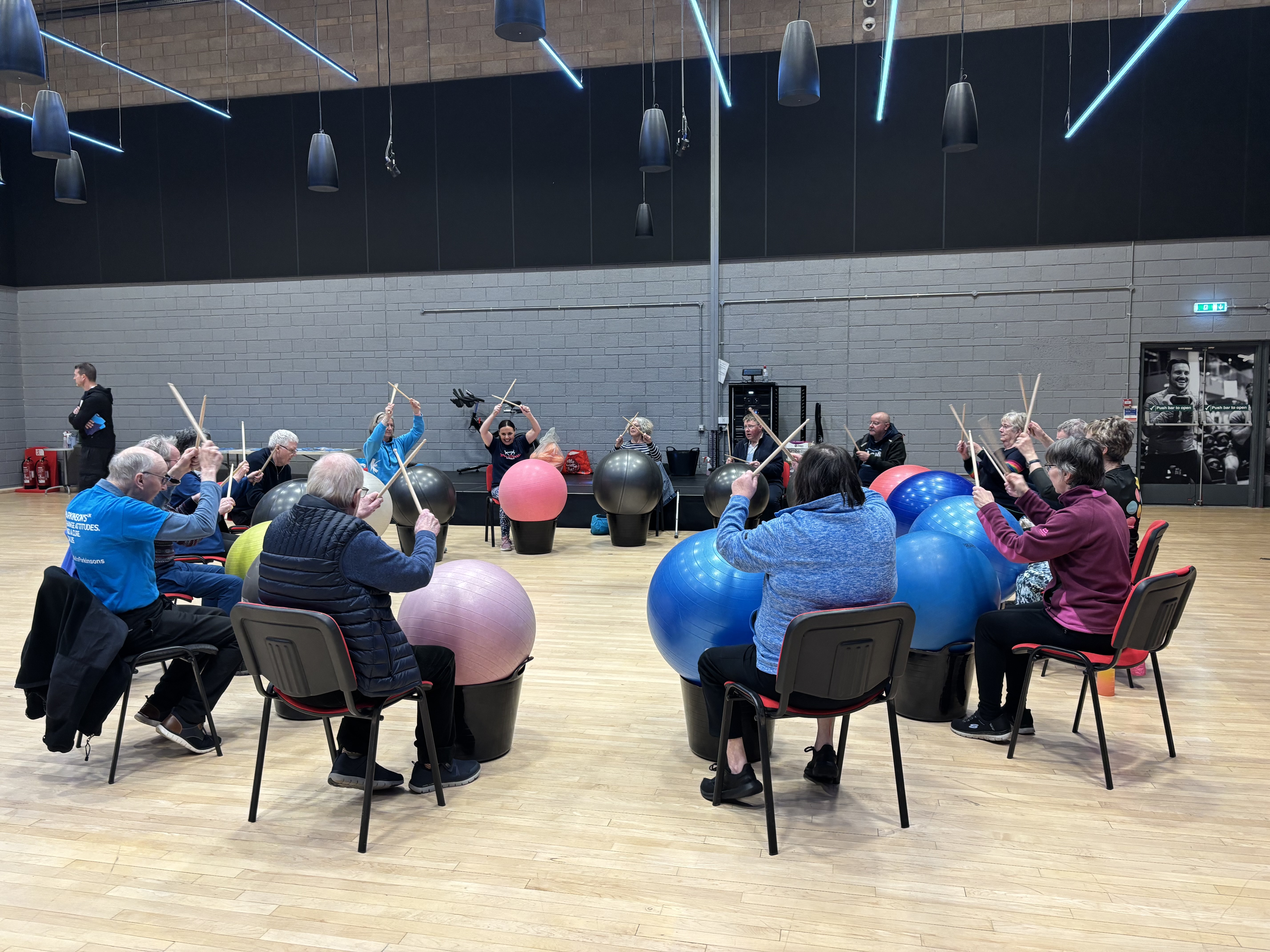
I have to say, the drumming class has really taken us by storm. It's a form of cardio-drumming, which helps with muscle tone, strength, balance and coordination, and it works your brain too, matching rhythm to movement and learning and repeating patterns. Our participants absolutely love it — so much so that I've started a general drumming class for non-Parkinson's members as well, and that one already has a waiting list.
You work with a plastic tub, a big gym ball and a pair of drumsticks. If holding sticks is difficult, for example if someone has rheumatoid arthritis, they can use a soft handball instead, or simply clap. That's the beauty of it — everyone can take part in the way that works for them.
Getting started
We run classes at Inverness Leisure, Averon Leisure Centre, Dingwall Leisure Centre, Thurso Leisure Centre and East Caithness Community Facility. You don't need a referral — anyone can just turn up. Sometimes people are referred by a GP or a Parkinson's nurse, but that's not required — you can simply give us a call and come along.
People come to us at every stage — some just diagnosed, others living with Parkinson's for six years or more. We watch for where everyone's at and adjust, and everyone moves together as a group, helping each other along the way. It's genuinely one of my favourite things about it — we've become a proper little community, and people often go for tea and cake after class.
These classes are included if you're a High Life Highland member, or you're welcome to come along pay-as-you-go and see how you get on first.
If you're nervous or newly diagnosed, there's absolutely nothing to feel worried about. Come along to your first class as our guest and see how you get on — you don't have to do anything you don't want to, and you'll meet other people with exactly the same symptoms as you. If you'd rather not join in straight away, you're welcome to just come and watch first. We also run open days throughout the year, including for Parkinson's Awareness Week, with tea, coffee, and a taster of everything we offer, including the table tennis.
A story that's stuck with me
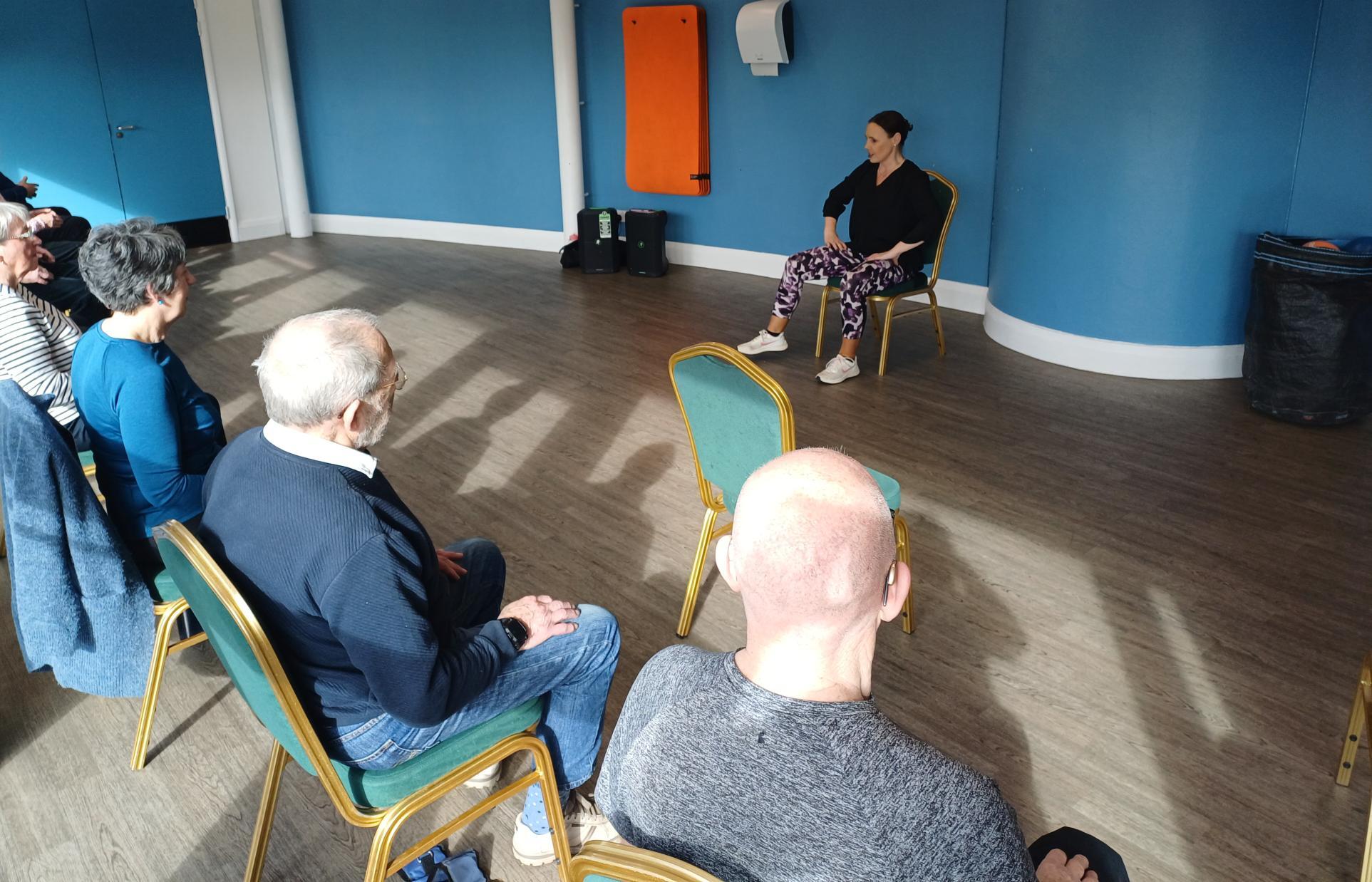
I've got two participants who've been coming to my classes for around four years now, and the progress they've made is phenomenal — their coordination and strength have come so far that I use them as my demo pair in class, showing everyone else what's possible.
What sticks with me most is how often people don't realise their own progress. When I see someone managing something new in class, I always tell them, because it matters for their confidence and mood. They'll sometimes think a class isn't working for them, and I have to say, look, you're lifting your feet properly now, you're coordinating that movement, you might not even notice, but I do. Please don't stop coming.
There's no set length of time for these classes either — no block, no end date. People come for as long as they want, once, twice, or three times a week, for months or years. When someone's ready for more, I'll sometimes suggest trying Dynamic Wellbeing alongside their Parkinson's class, which offers a bit more intensity, at whatever level suits them.
Hear from our class members
Video Unavailable
Sorry, this video could not be loaded. Please try refreshing the page or check your internet connection.
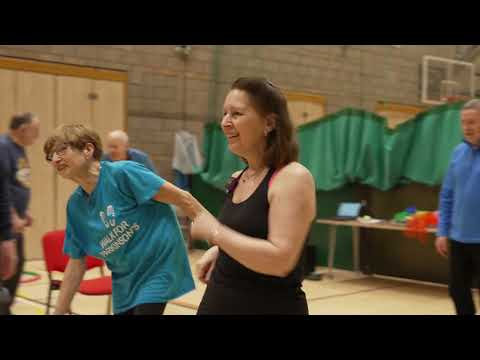
Don't just take Sharon's word for it — hear directly from people who come along to our Parkinson's classes on the difference the classes have made for them.
If you're reading this
If you have Parkinson's, or you know someone who does, please get in touch and come along to a class. You'll meet people who understand exactly what you're going through, and you'll likely find yourself part of a proper community — there's a monthly Parkinson's coffee morning, plenty of chat before and after class, and new friendships along the way. All our instructors are fully qualified, so however many questions you've got, we're glad to answer them.
We also keep information booklets available at our centres, covering everything from managing mood and sleep to falls risk, provided through Parkinson's UK. They're free to take away, so do help yourself if you'd find them useful.