



From 1939-1945 much of the world was involved in a devastating war and life changed for many people, including those in the Highlands. The Highland Archive Service looks after many documents relating to Highlanders in World War Two, both at home and overseas. On this page you can watch videos about the impact of the conflict on the Highlands, look at some examples of documents, and find some related activities!
Learn with Lorna videos about World War Two in the Highland Archive Service collections:
Examples of documents in the Highland Archive Service collections:
Home Front
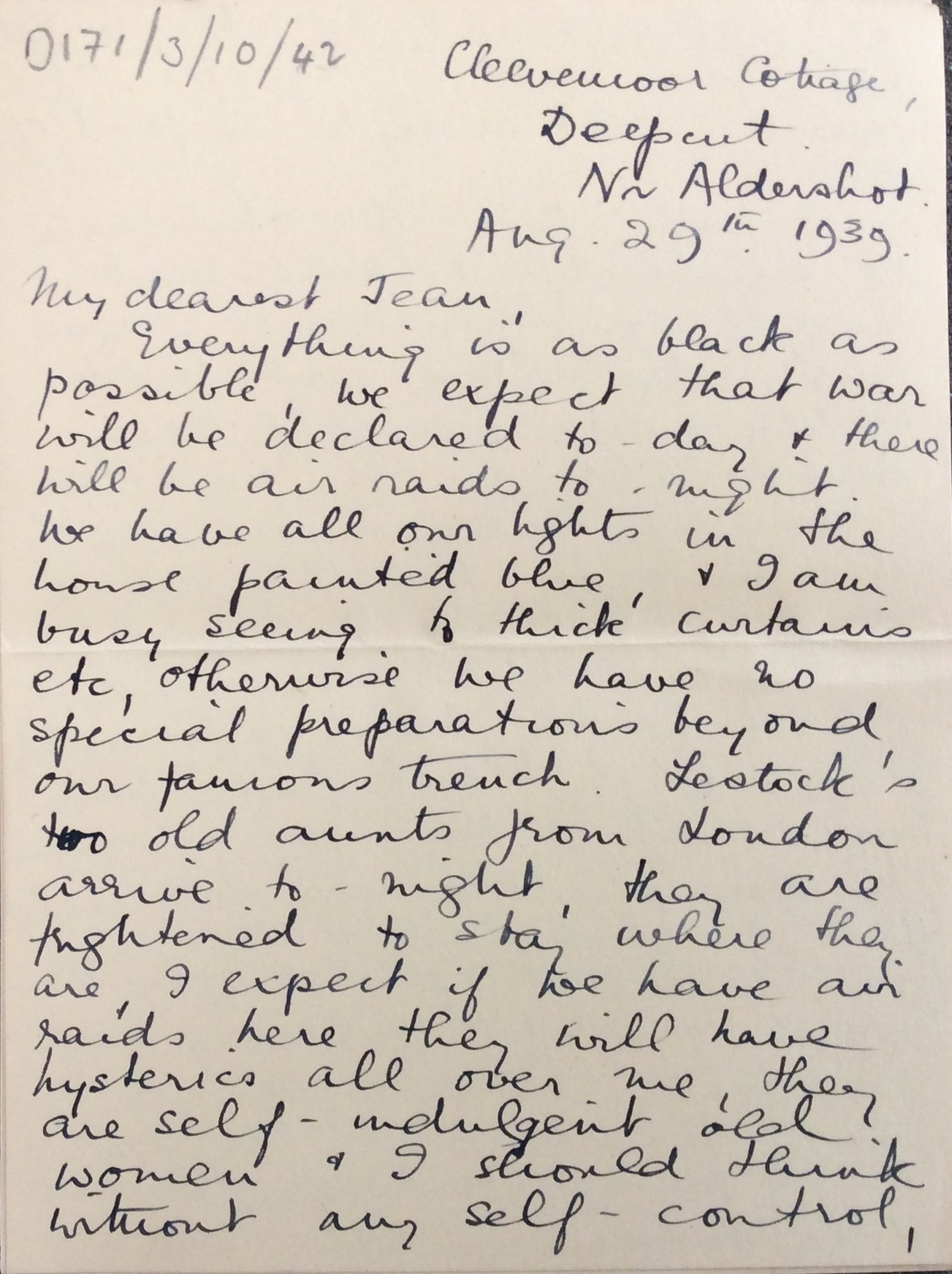
Documents in our collections show the many ways life changed for people at home during the World War Two. Buildings (including castles and hotels) were taken over by troops, many women worked making weapons or driving ambulances, and people struggled with evacuating their children and missing their husbands/brothers/fathers in the forces. Some areas, including Bank Row in Wick, were bombed. The images below focus on the home front. If you can't read the letter, there's a typed copy here.
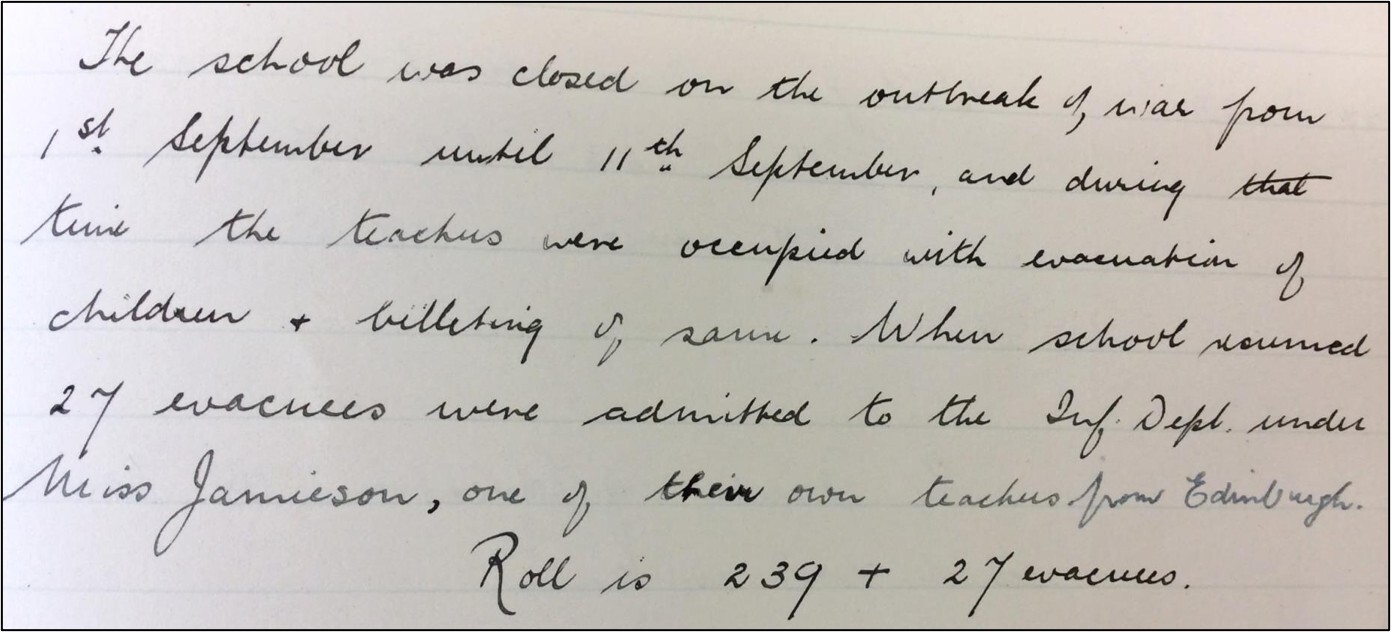
Central School Log Book, 1939
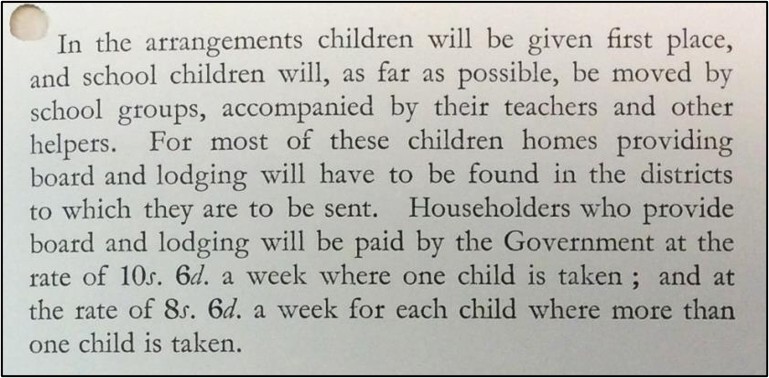
County of Nairn papers relating to evacuation, 1939
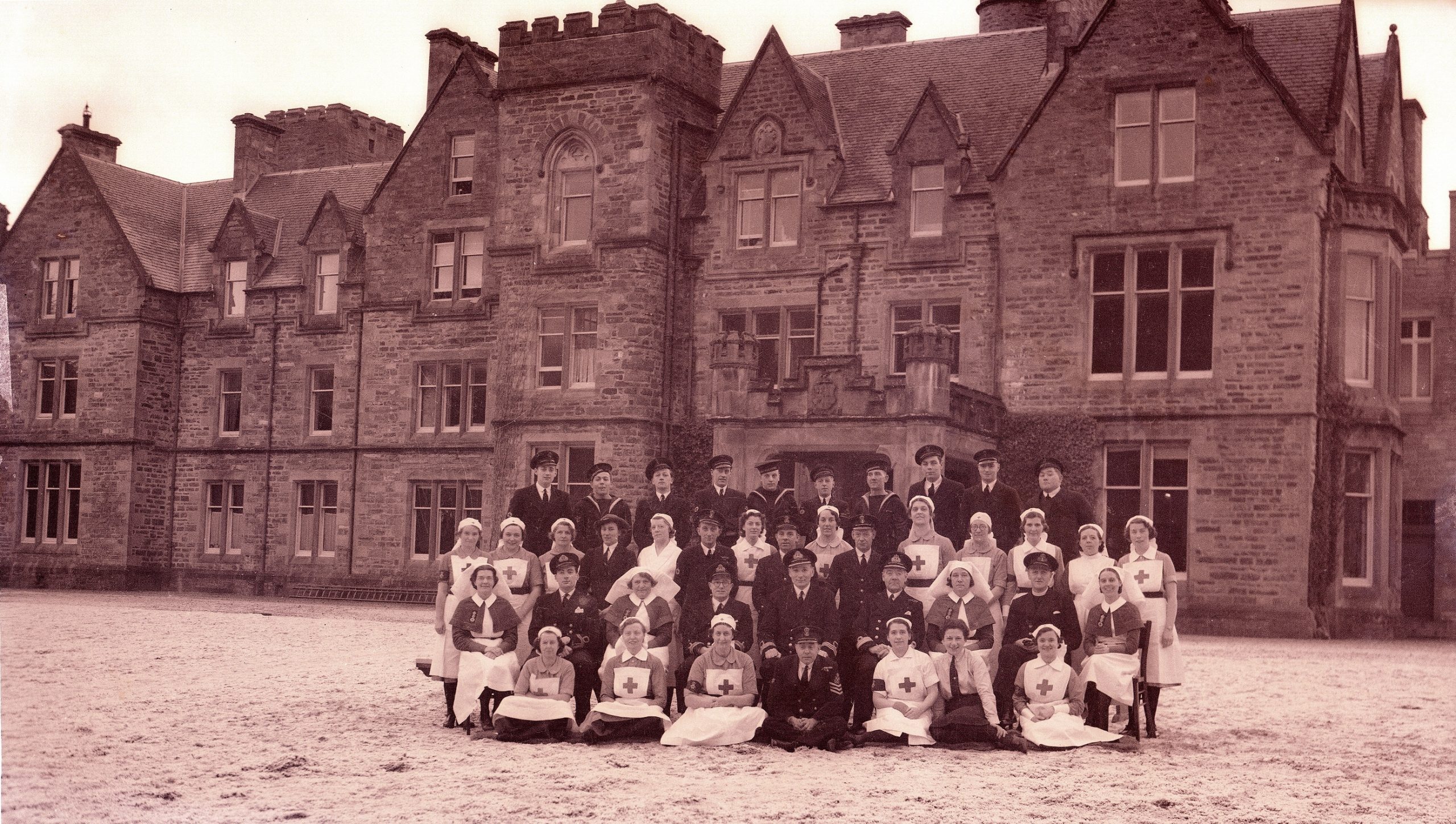
Duncraig Castle in use as naval hospital, c1940
War Front
Soldiers from many countries fought on the front lines of the war all over the world and many of the British troops trained in the Highlands. The letter below (typed copy here) was written by a woman in the French Resistance, who fought against the Nazi occupation of France. The map is also from France, from a place called Brest. It has markings on it which show the Nazi occupied areas. The statue is the Commando Memorial at Spean Bridge, which remembers all those who trained in the area.
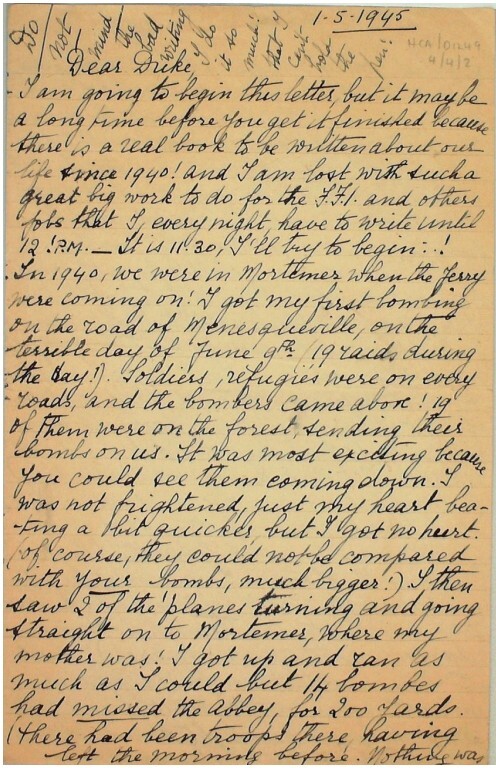
Letter by French Resistance member Huguette Verhague, 1945
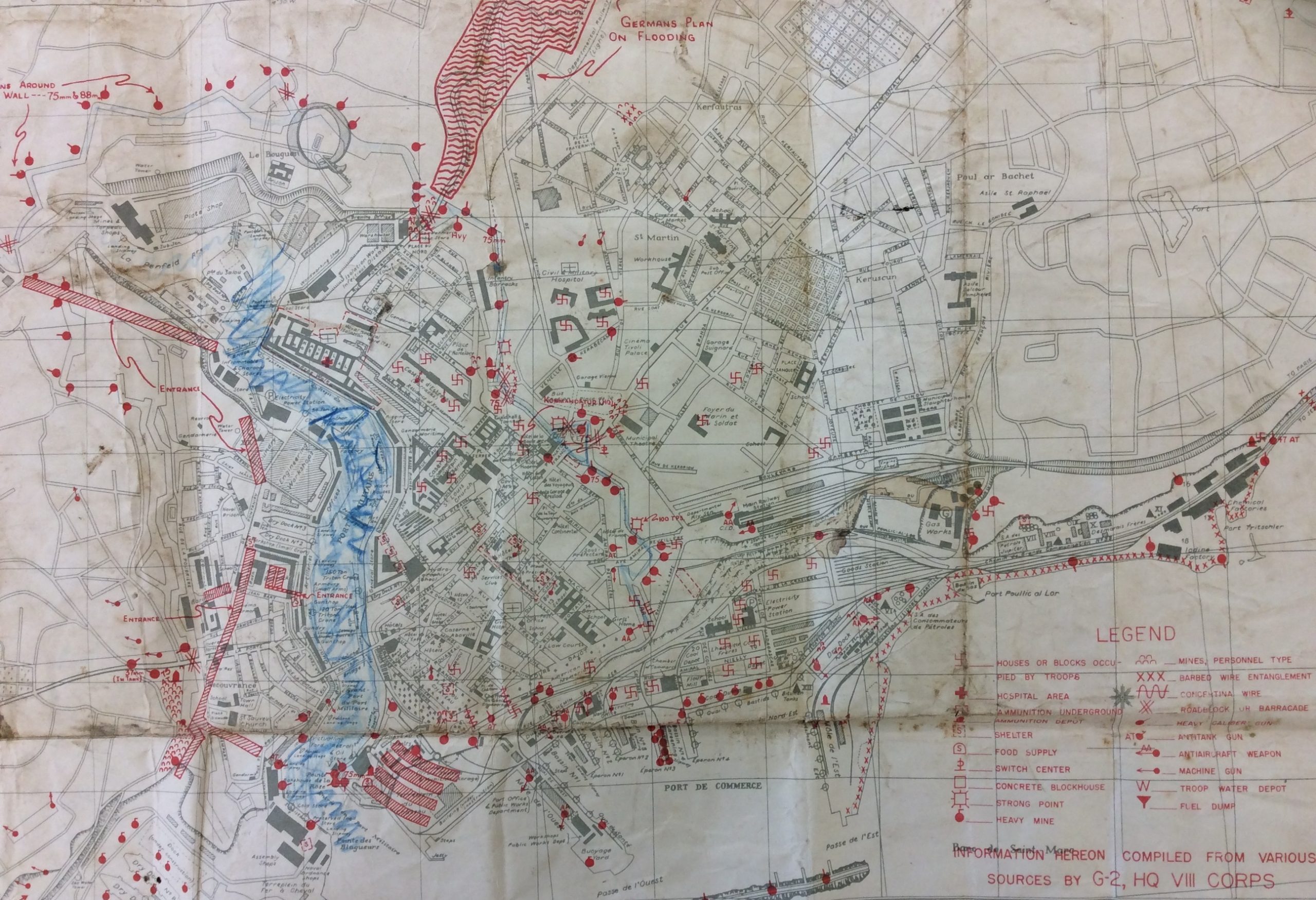
Annotated map of Brest, France, 1940s
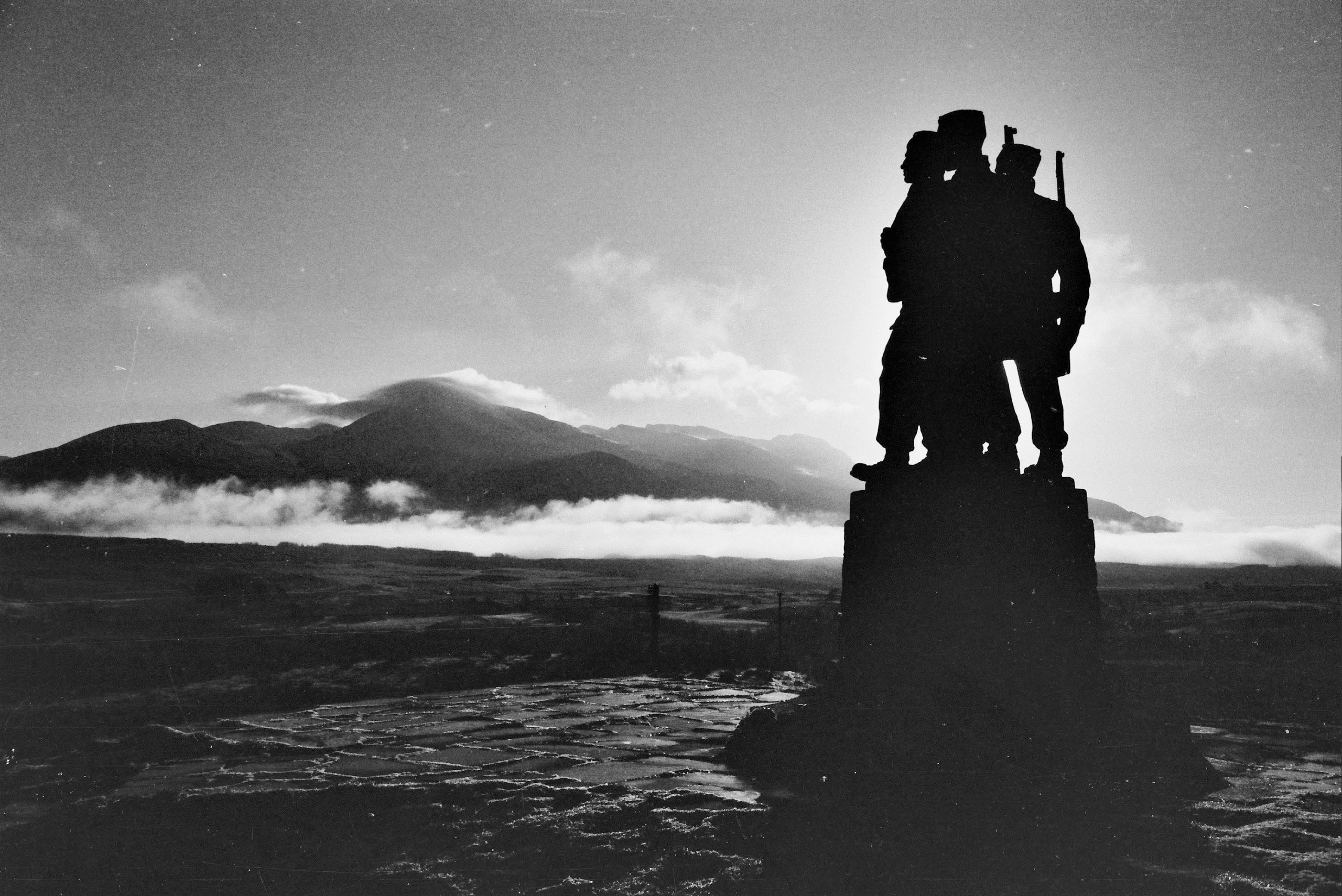
Commando Memorial, Spean Bridge, 1970s
World War Two related activities
- Food was rationed during World War Two and people had to think up new recipes to use whatever food they had. Why not look up some recipes from the time and try making one?
- During the war a lot of people in Britain (and other countries) sang and went to dances to keep their spirits up. Try and find some of these songs and dances (like the Charleston) online and have a go at singing/dancing yourself!
- There were lots of famous WWII slogans to encourage people to do the right thing. They included ‘Dig for Victory’ and ‘Keep Calm and Carry On’. You could make a poster with one of these slogans.
- Imagine you were an evacuee sent to live in a different part of the country. Write a letter home to your family describing what life is like and how you’re settling into a new family, new school and new life. Try and include things you think would be exciting and things you think would be frightening.