




The word “Jacobite” comes from the Latin version of the name James. The James in question was James II King of England, Scotland and Ireland from 1685. James was Protestant by birth but later converted to Catholicism. Religion played a major role in politics and power at this time and the Protestant political circles feared that James might turn the country back towards Catholicism. In 1688 James and his Catholic wife had a son who was baptised into the Catholic faith. The prospect of a Catholic succession to the throne brought matters to a head.
A group of noblemen took matters into their own hands and invited Mary, daughter of James II and her husband, William of Orange, to bring an army to Britain from Holland.
James II fled the country in the winter of 1688 and the throne was offered early in 1689 to William and Mary. Supporters of James II rose in his defence in an effort to reinstate him. When this failed they tried to return the crown to Stuart hands by supporting the claims of James son, James Francis Edward and then his grandson, Charles Edward.
The attempts failed however and the hopes of the Jacobites came to an end on 16 April 1746 at the Battle of Culloden.
On this page you can watch videos about the risings of 1688/89, 1715, 1719 and 1745/46, look at some examples of documents, and find some related activities!
Learn with Lorna videos about the Jacobite Risings in the Highland Archive Service collections:
The '15
These documents relate to the 1715 Jacobite uprising – the second major ‘rebellion’. It was prompted when Queen Anne died and the throne, instead of passing to her Catholic half-brother, James, went to a distant Protestant cousin, who became King George I. Many people believe that the 1715 was the rising that had the most chance of succeeding because many people across Britain (and further afield) supported it, but various things went wrong, there was poor military leadership, and the Jacobites lost.
During the '15 , Inverness Castle was seized by Jacobite supporters. This angered prominent Government supporting landowners in the area, such as Duncan Forbes of Culloden and Hugh Rose of Kilravock, who planned a siege of the Castle. Arthur Rose, Hugh's half-brother, charged into the Tolbooth (jail) to try and take the Jacobites by surprise, but was shot and later died. Arthur’s brother was so angry about the death of his brother that the Jacobites fled. An account of Arthur Rose’s death can be found in the letter below (typed copy here), alongside a painting of him.
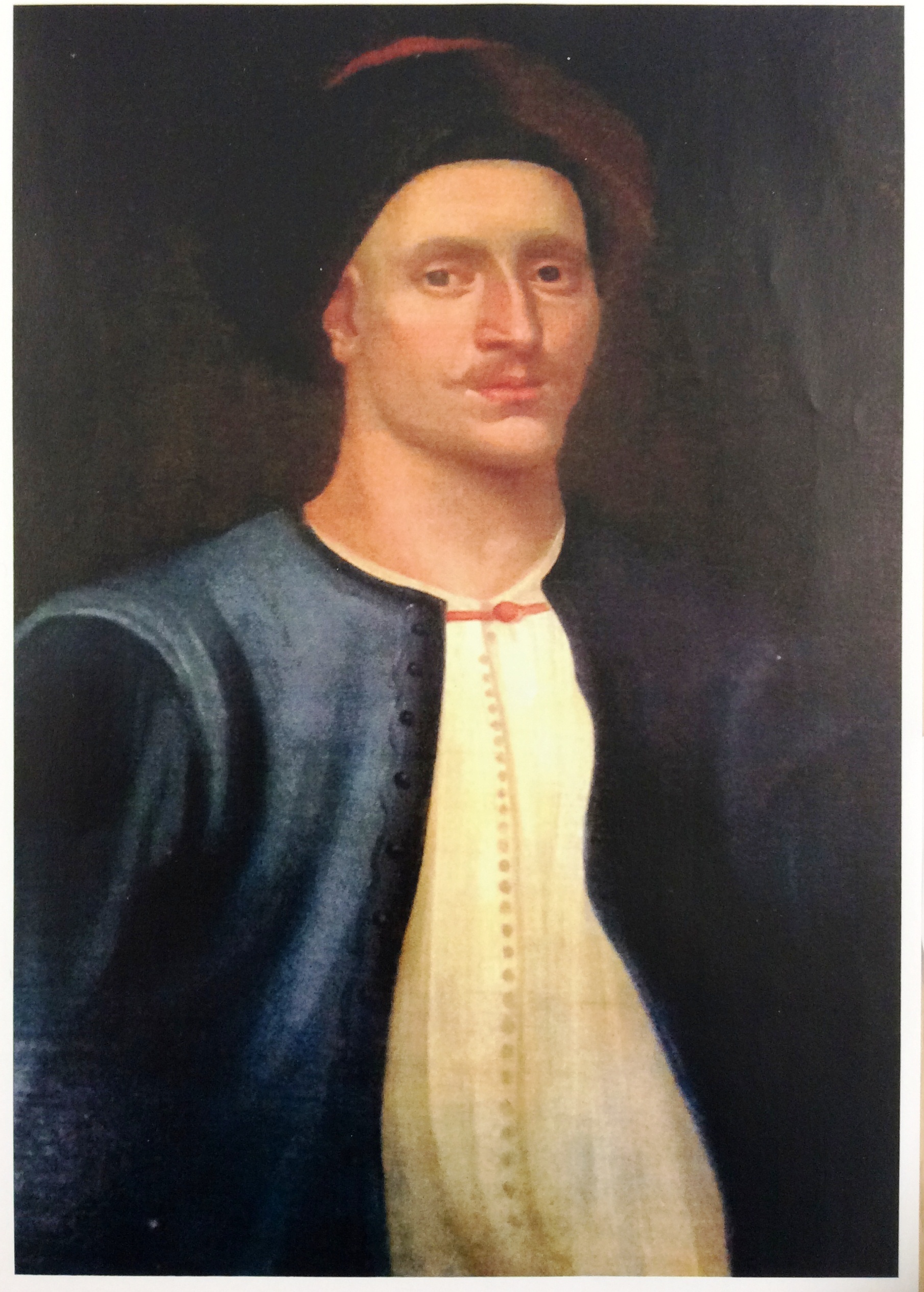
Portrait of Arthur Rose
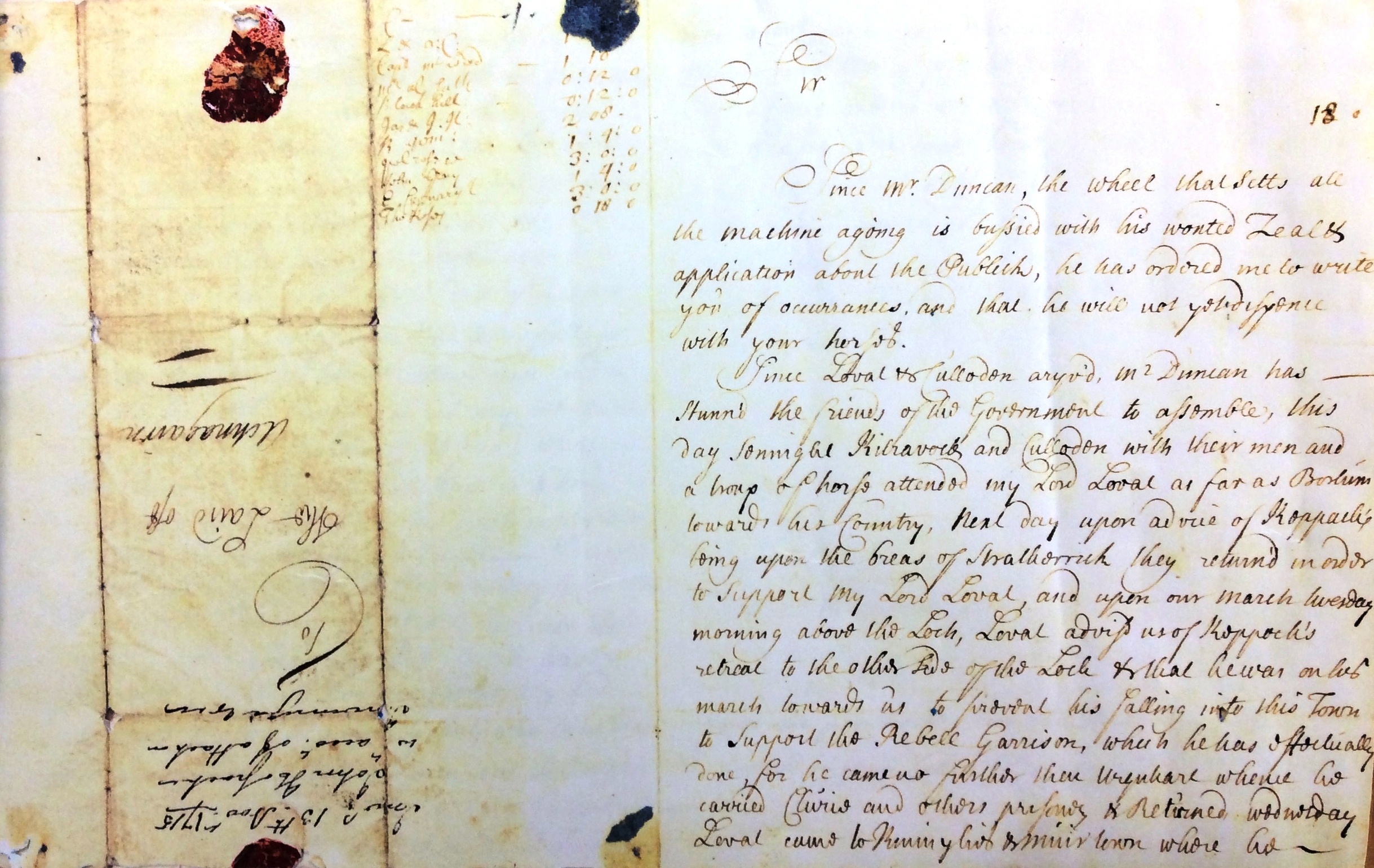
Letter describing death of Arthur Rose, page 1
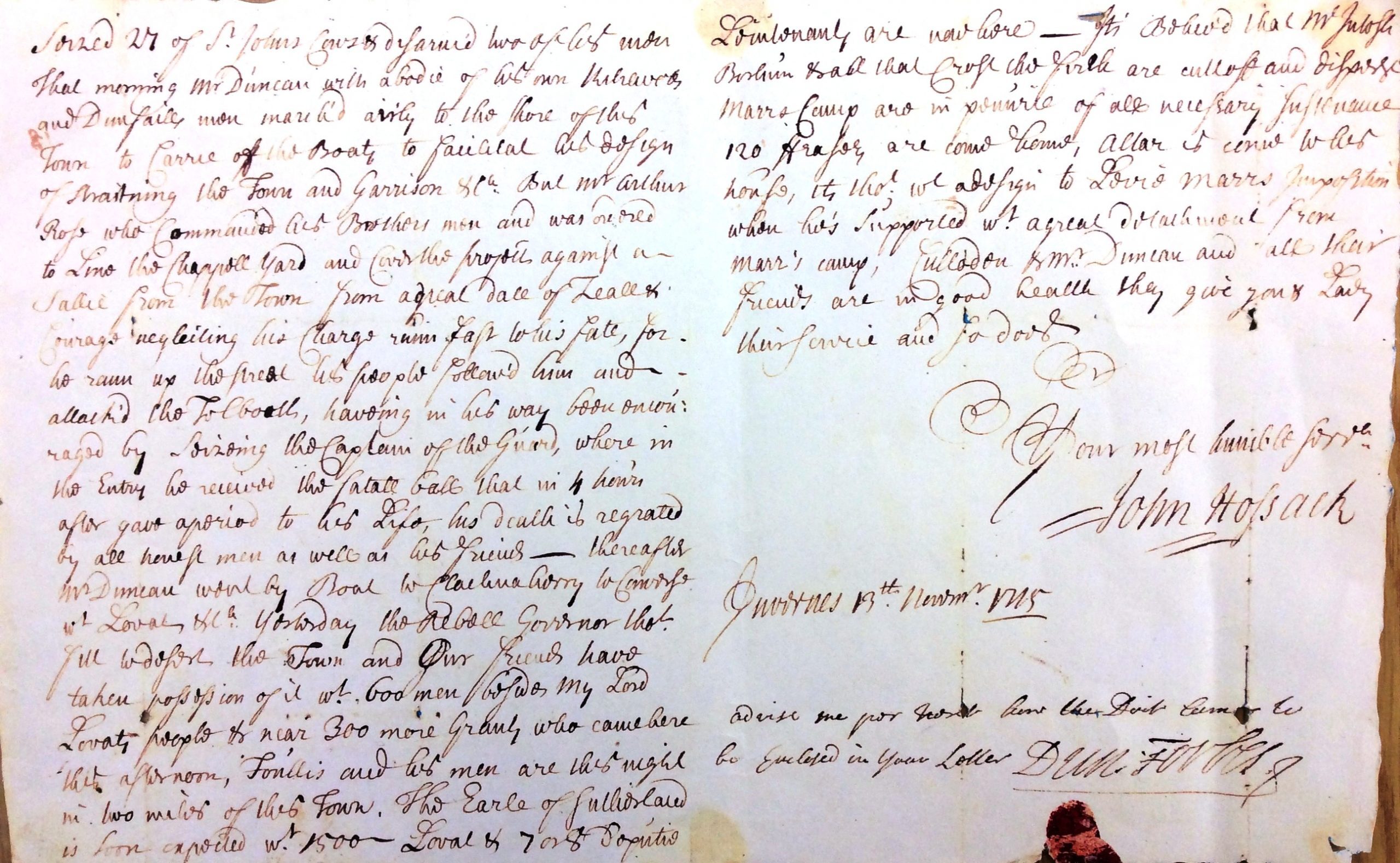
Letter describing death of Arthur Rose, page 2
During the 1715 siege of Inverness, some people had their possessions or homes damaged. After the siege was over, they claimed money from the town of Inverness for their losses. Some of these claims are below.
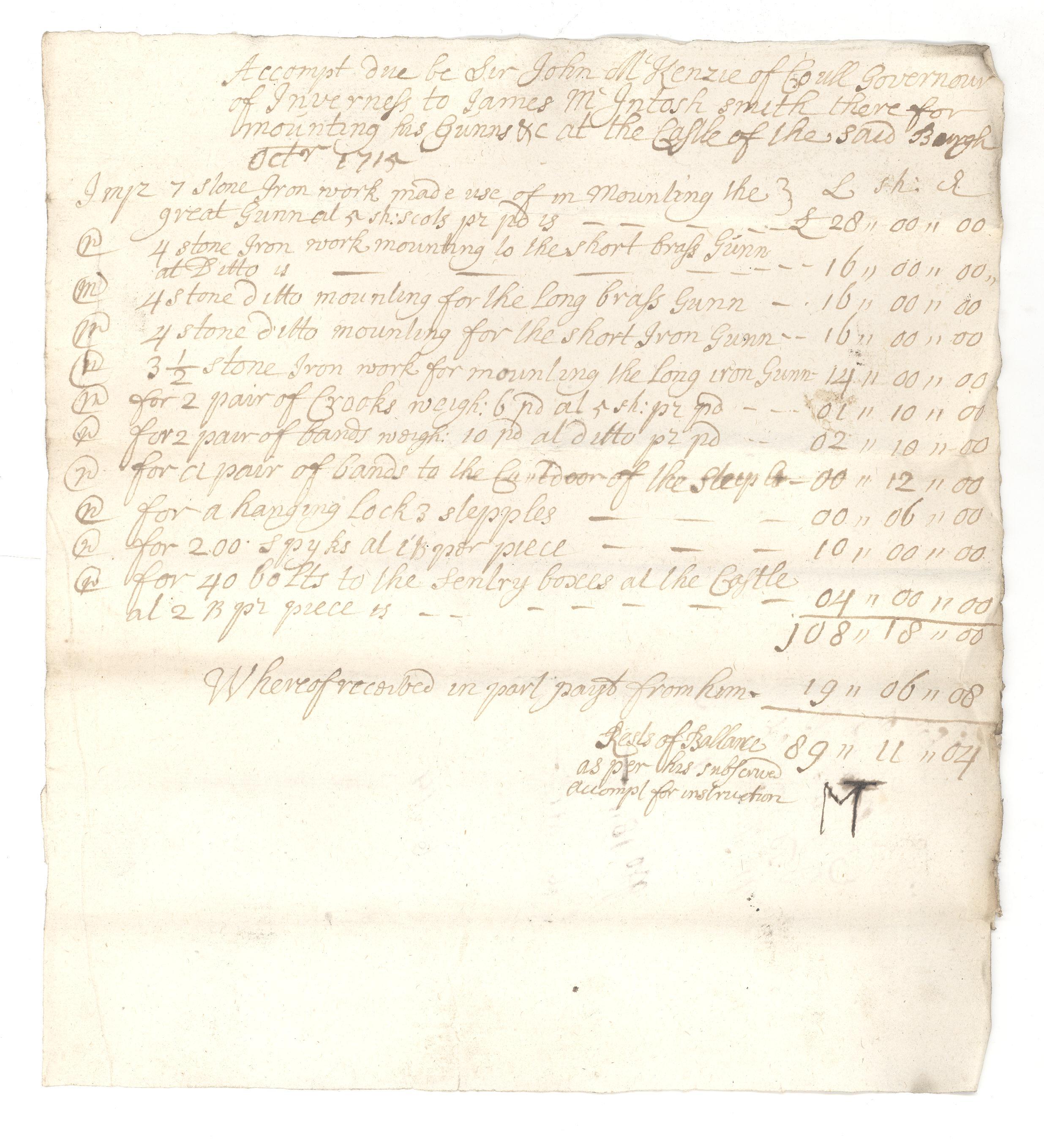
Inverness burgh claims for compensation, 1715
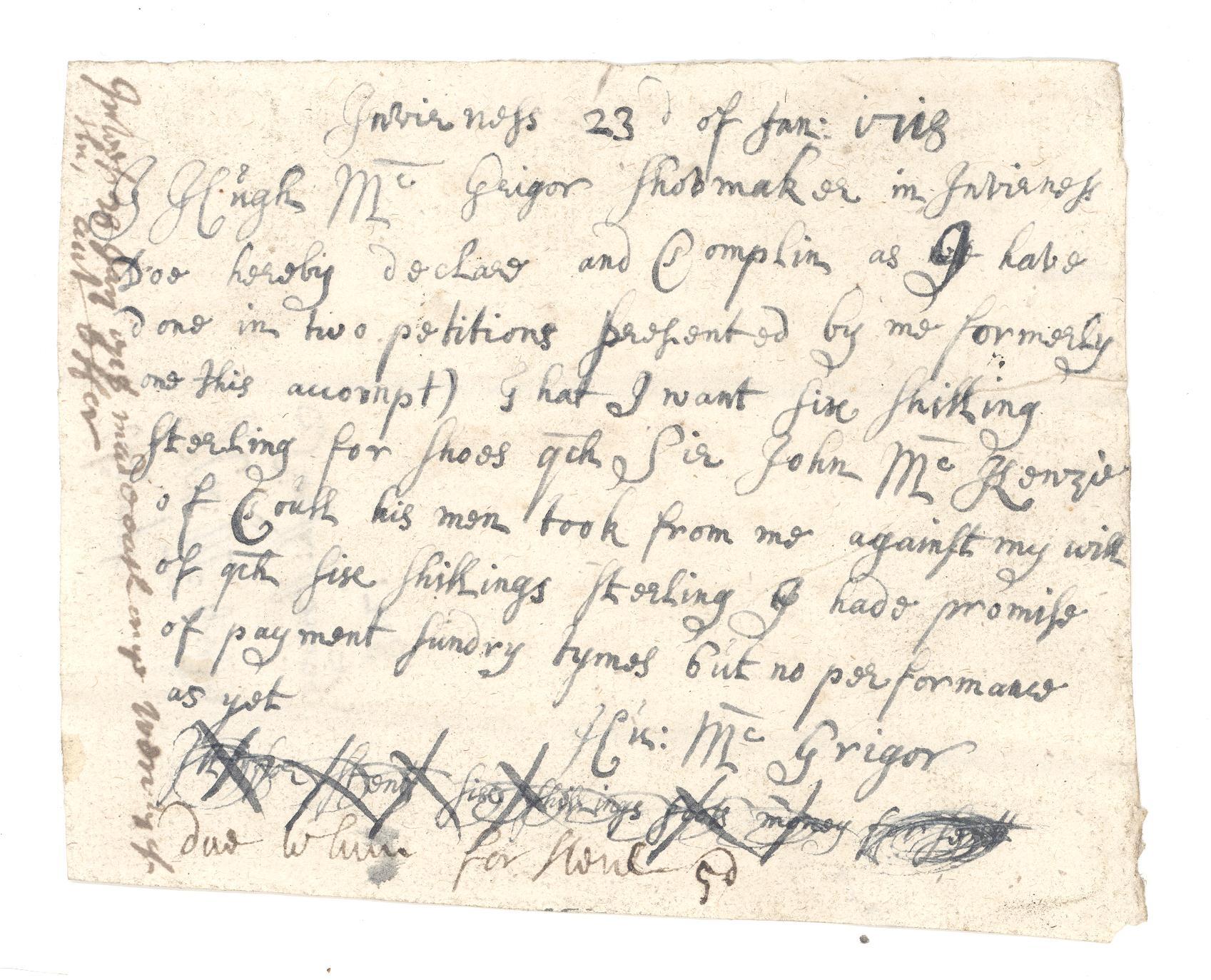
Inverness burgh claims for compensation, 1715
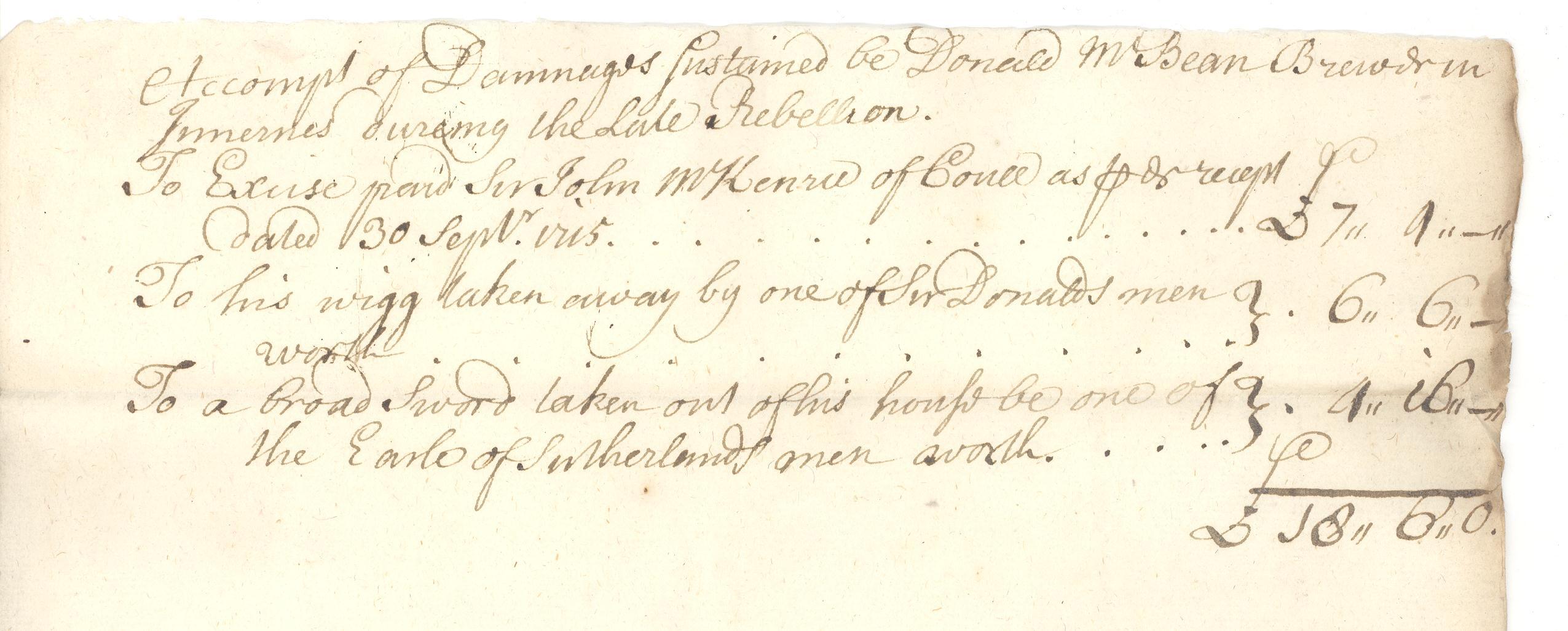
Inverness burgh claims for compensation, 1715
There was another period of Jacobite unrest in 1719 when a small force of 300 Spaniards landed on the west coast of Scotland. Their plan was to meet with the Highland forces and distract the Hanoverian government from the main invasion, which was planned for southern England. The force landed at Eilean Donan Castle in Kintail but were discovered by three government warships and the castle was blown up. The mixed Highland and Spanish army was forced inland and met Major Wightman’s Government troops in the pass at Glenshiel on the 10th June 1719. The Jacobites were scattered. The pictures below show Eilean Donan Castle. It was rebuilt and habitable again by 1932.
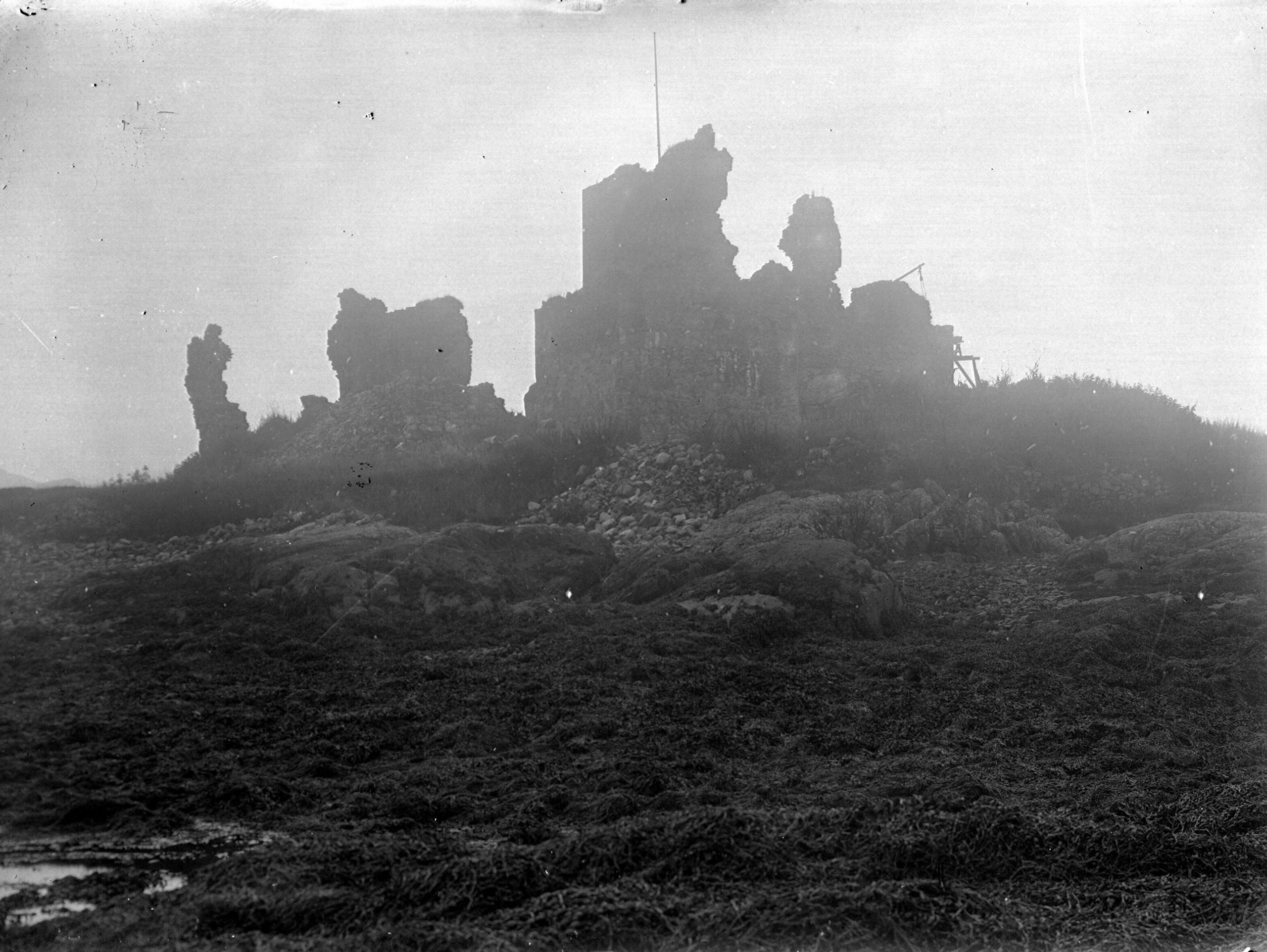
Eilean Donan Castle, 1920s
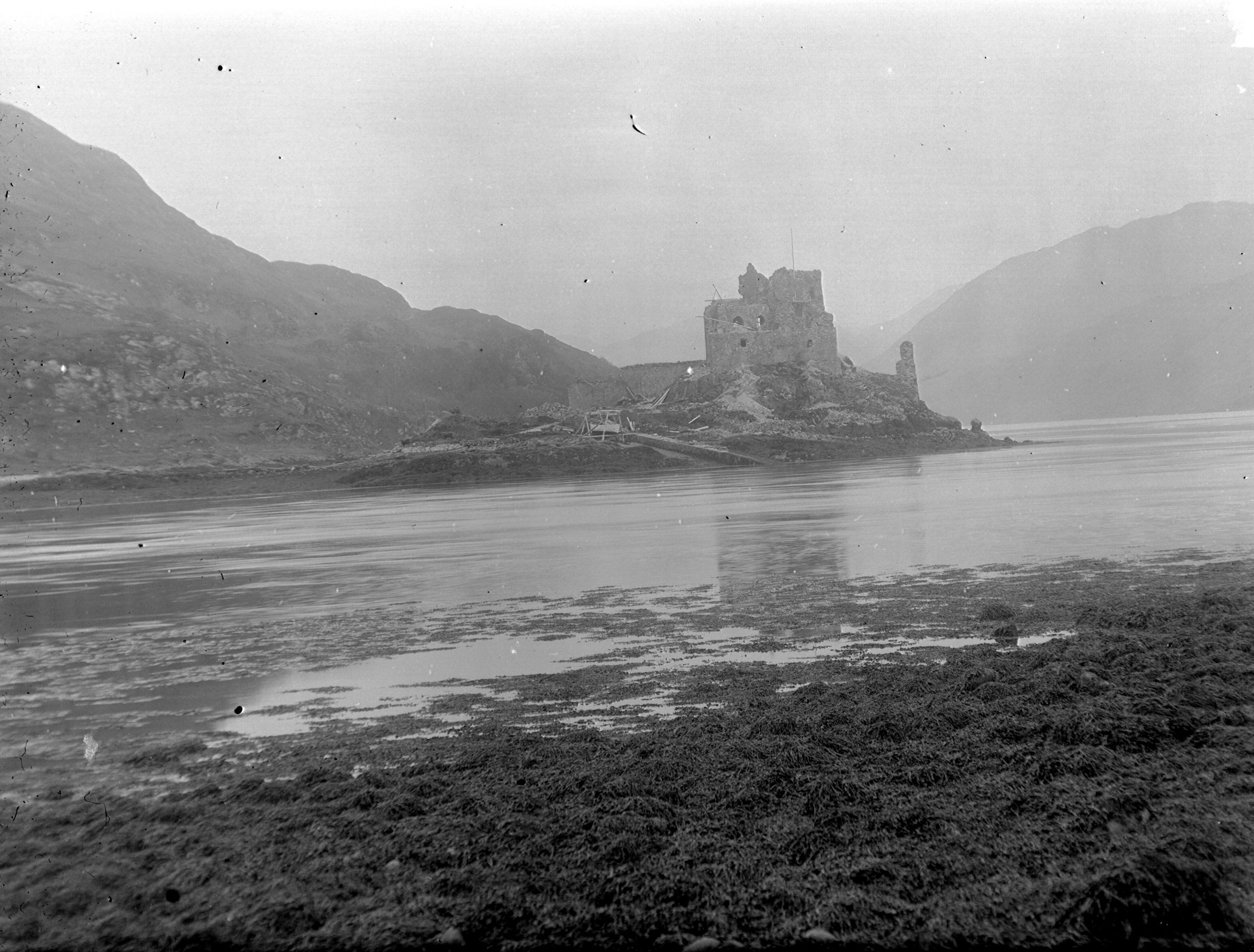
Eilean Donan Castle, 1920s
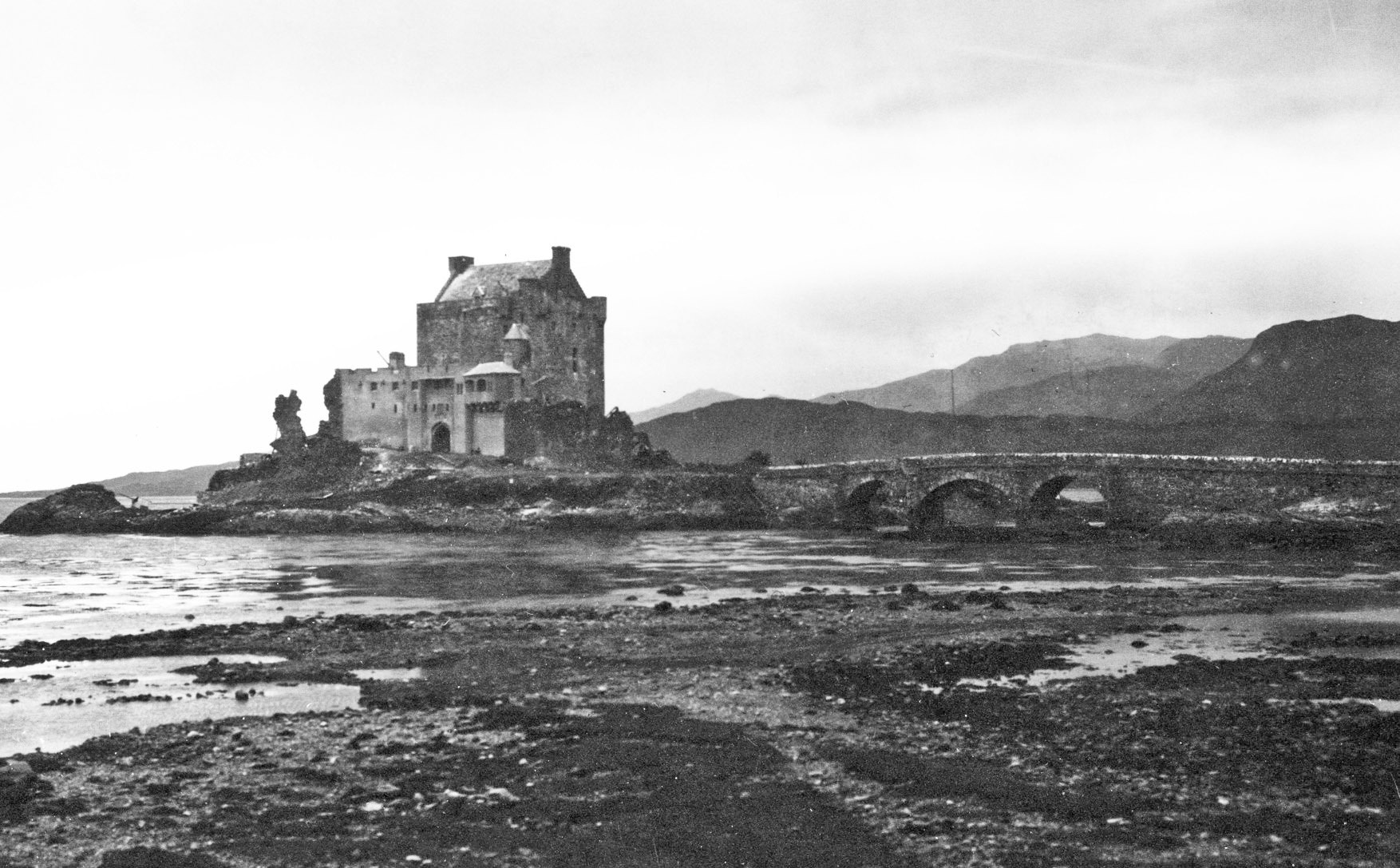
Eilean Donan Castle, 1930s
The '45
The documents below are connected to the 1745-6 Jacobite Uprising. It is the most famous of the risings because of its brutal end. Prince Charles Edward Stuart (son of James and grandson of King James VII) came to Britain to try and claim the throne back. He announced his plan by raising his royal standard (flag) at Glenfinnan in August 1745 (a letter regarding this can be seen below and there's a typed copy here). Bonnie Prince Charlie’s attempt to claim the throne was unsuccessful and ended in the Battle of Culloden – the last battle fought on British soil. After the battle he fled west through Lochaber and Skye. His supporters were killed or severely punished, the clan system was broken down and a law was passed which made it illegal to wear Highland Dress. You can see an arrest warrant for this below and there's a typed copy here.
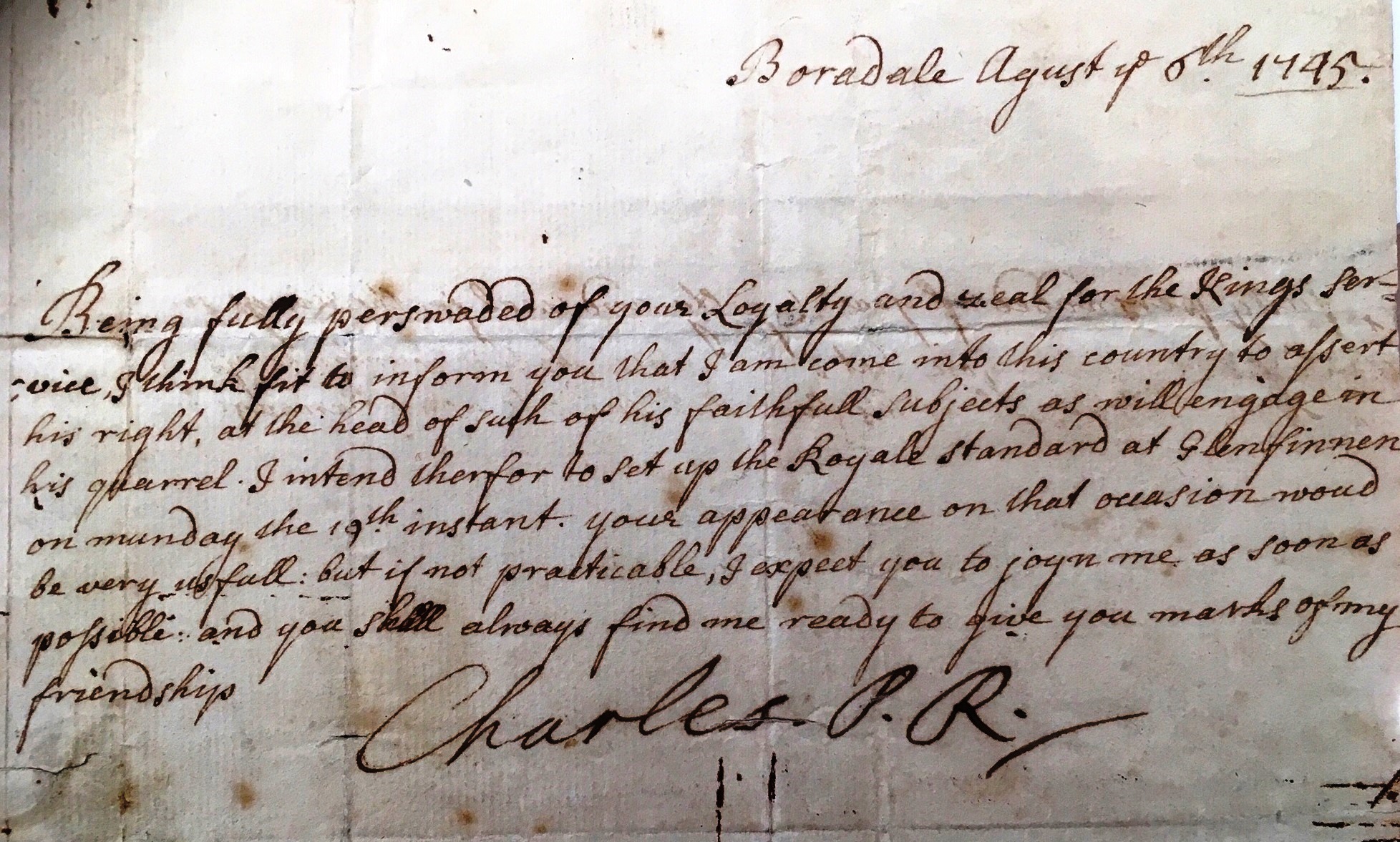
Letter by Prince Charles Edward Stuart, 1745
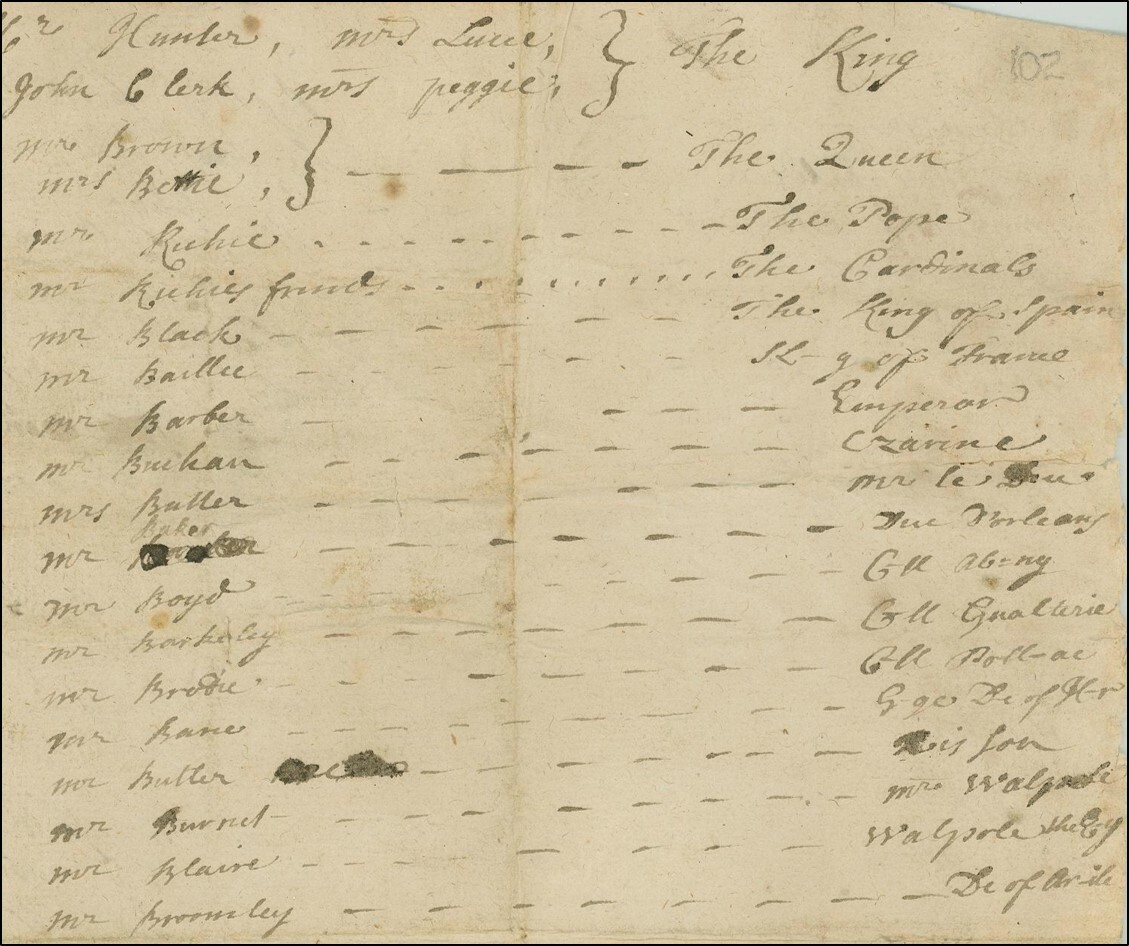
Jacobite cypher, n.d.
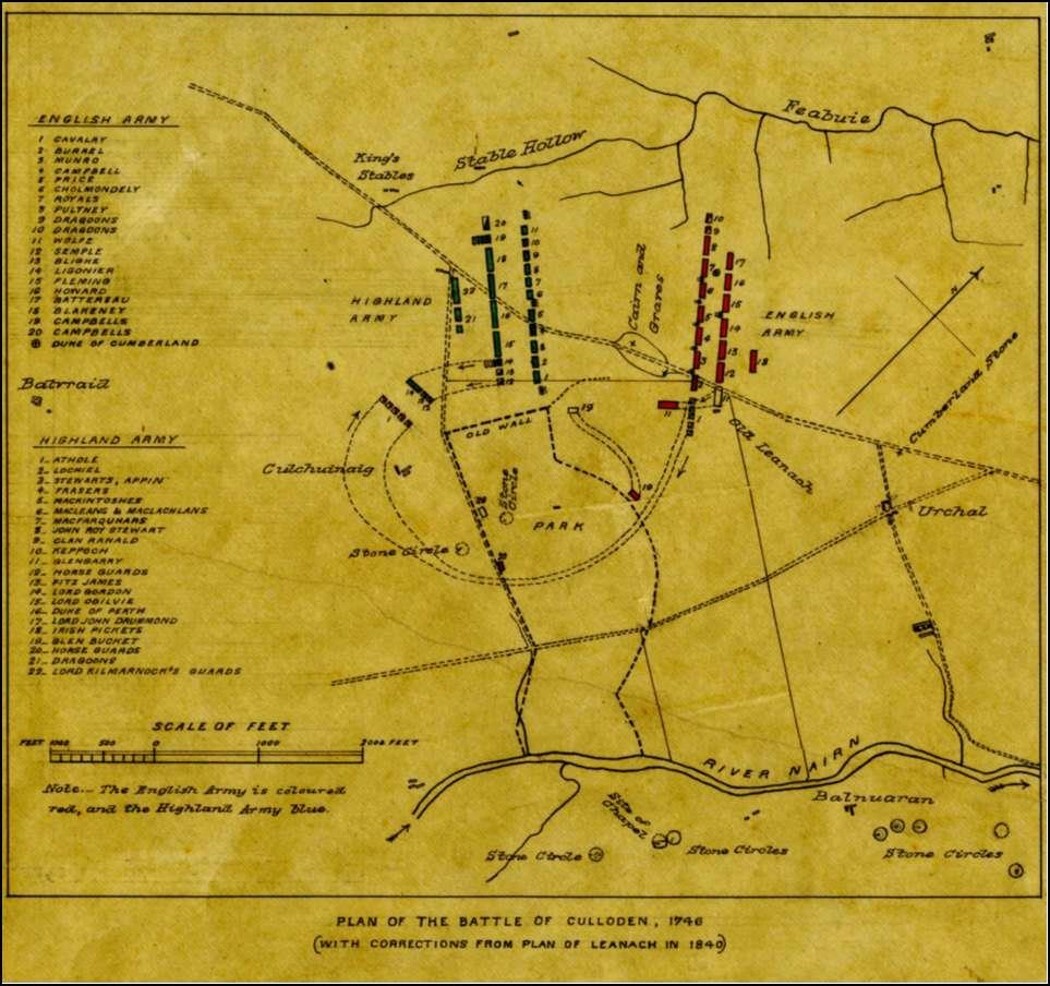
Plan of the 1746 Battle of Culloden, c1840
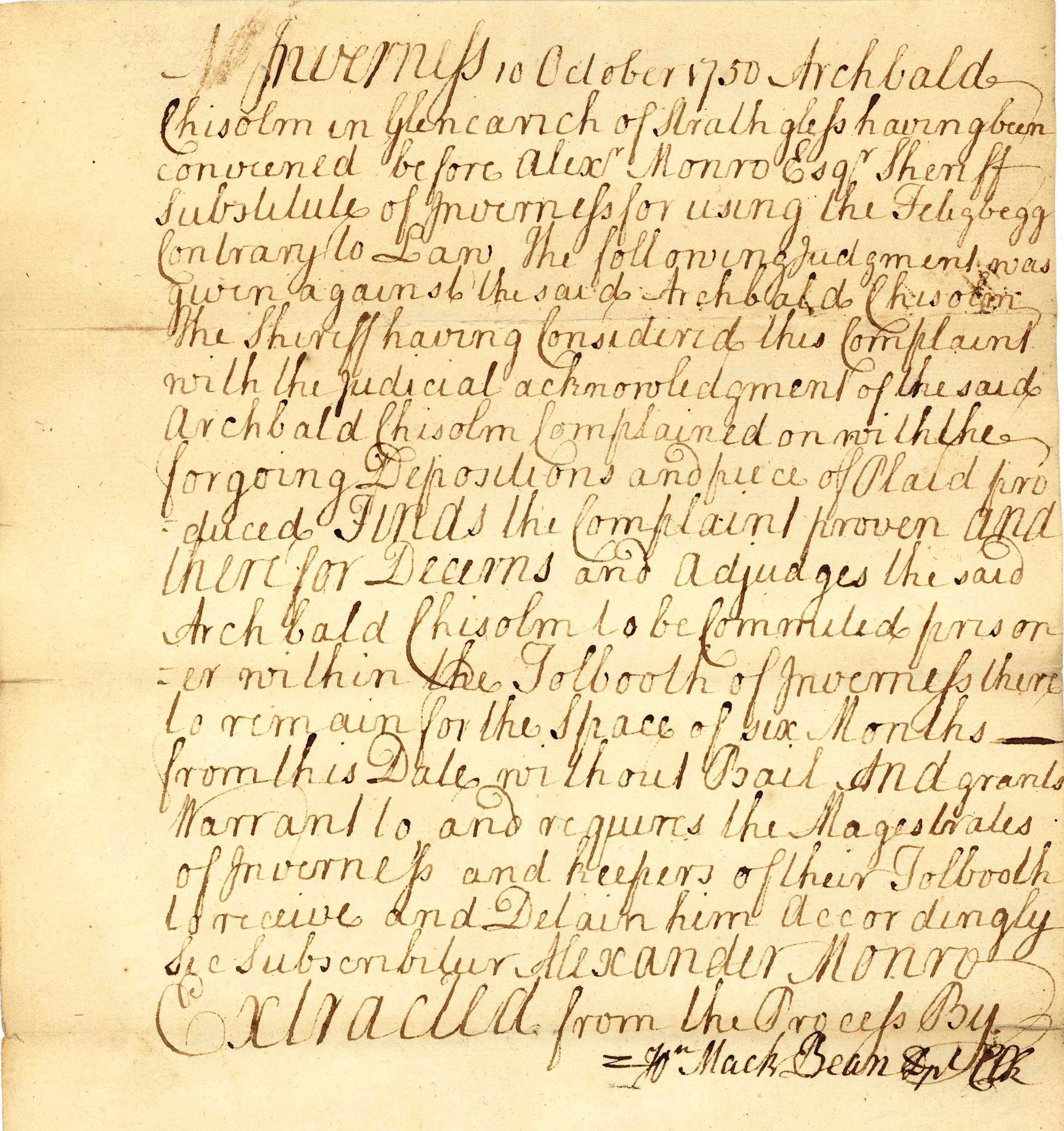
Dress Warrant, 1750
Jacobite related activities
- After the Battle of Culloden Bonnie Prince Charlie fled. There was a £30,000 reward offered for his capture but no one gave him up to the government. Why not create a ‘wanted’ poster including a picture of Charlie?
- It could be very dangerous to be a Jacobite. People created secret symbols to communicate with each other. Why not find out more about the symbols using the worksheet and then paint a picture of them?
- If you have some cardboard at home try making a Jacobite targe (a shield) and decorating it.
- Imagine you were on one side of the Jacobite cause and your brother or sister was on the other side – that happened a lot. Try writing a letter to try and persuade him or her to switch sides.
- Have a think about the secret cypher (code) the Jacobite used to communicate. If you needed to keep your family and special things safe what code words would you create?