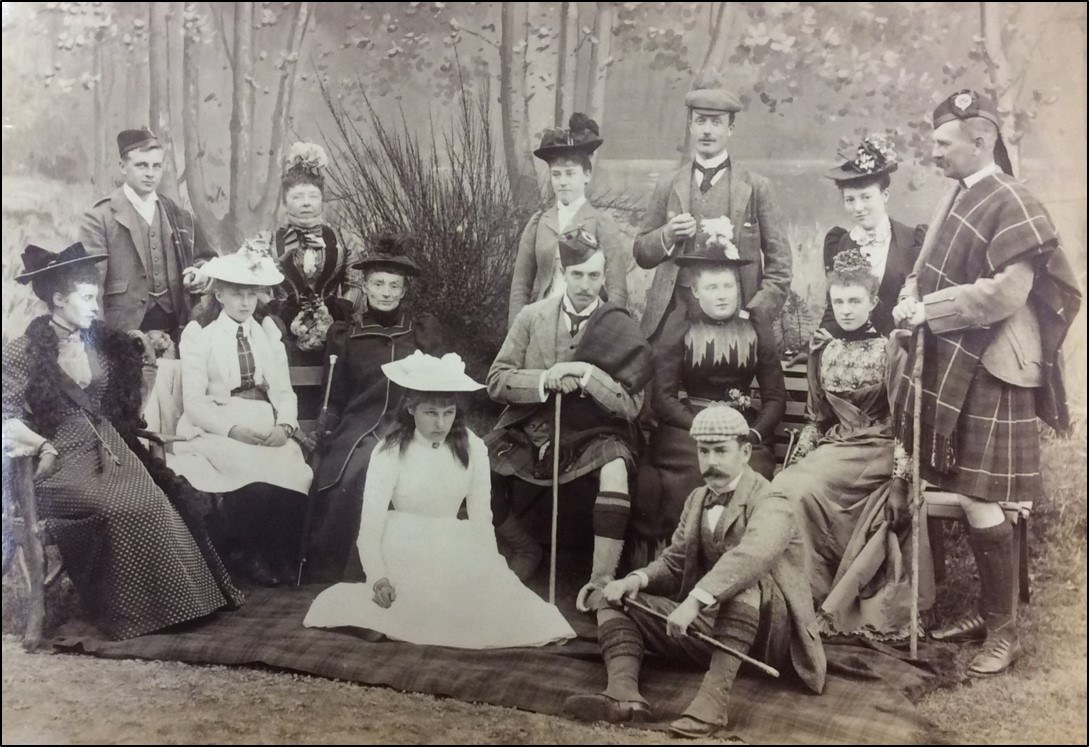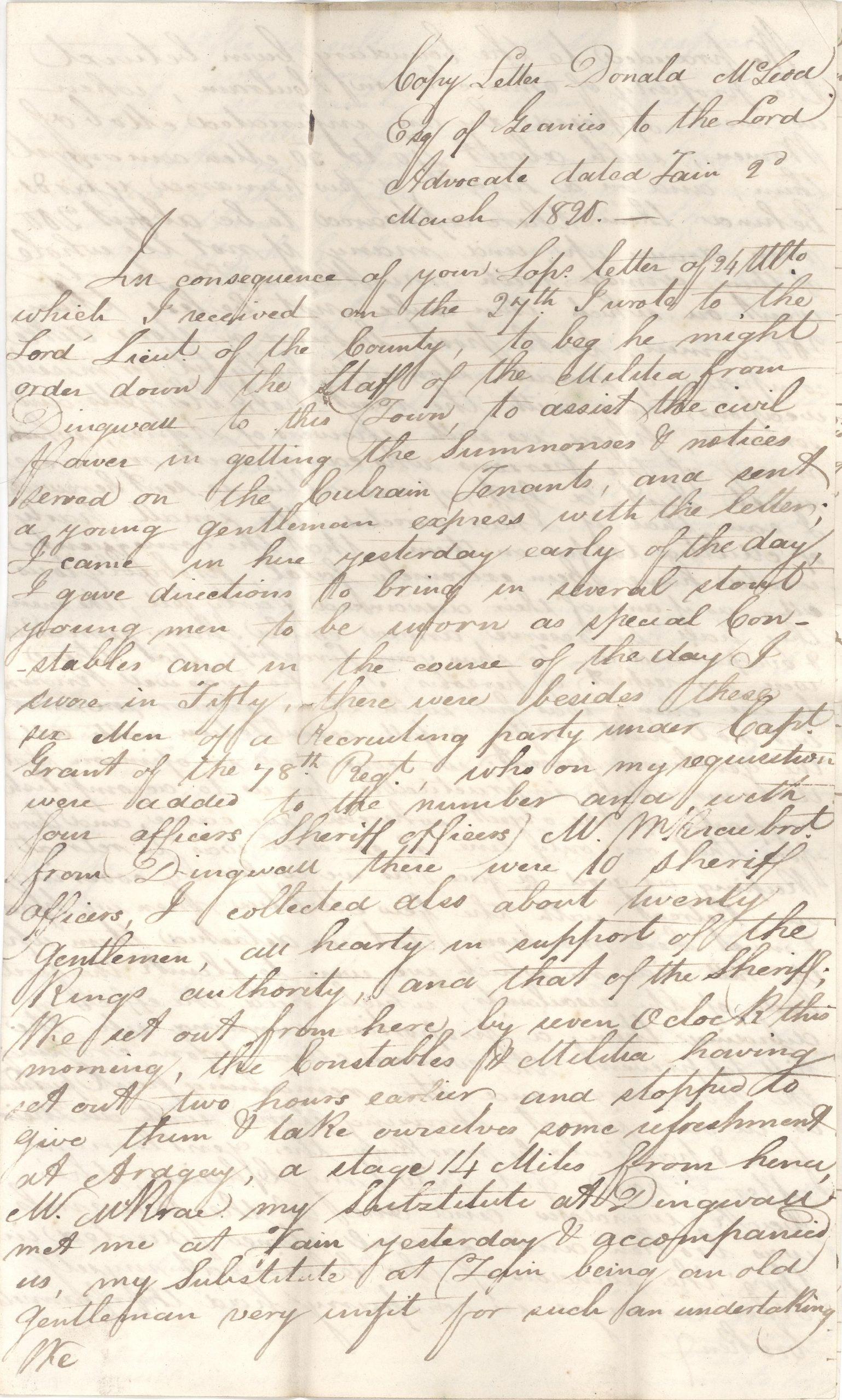





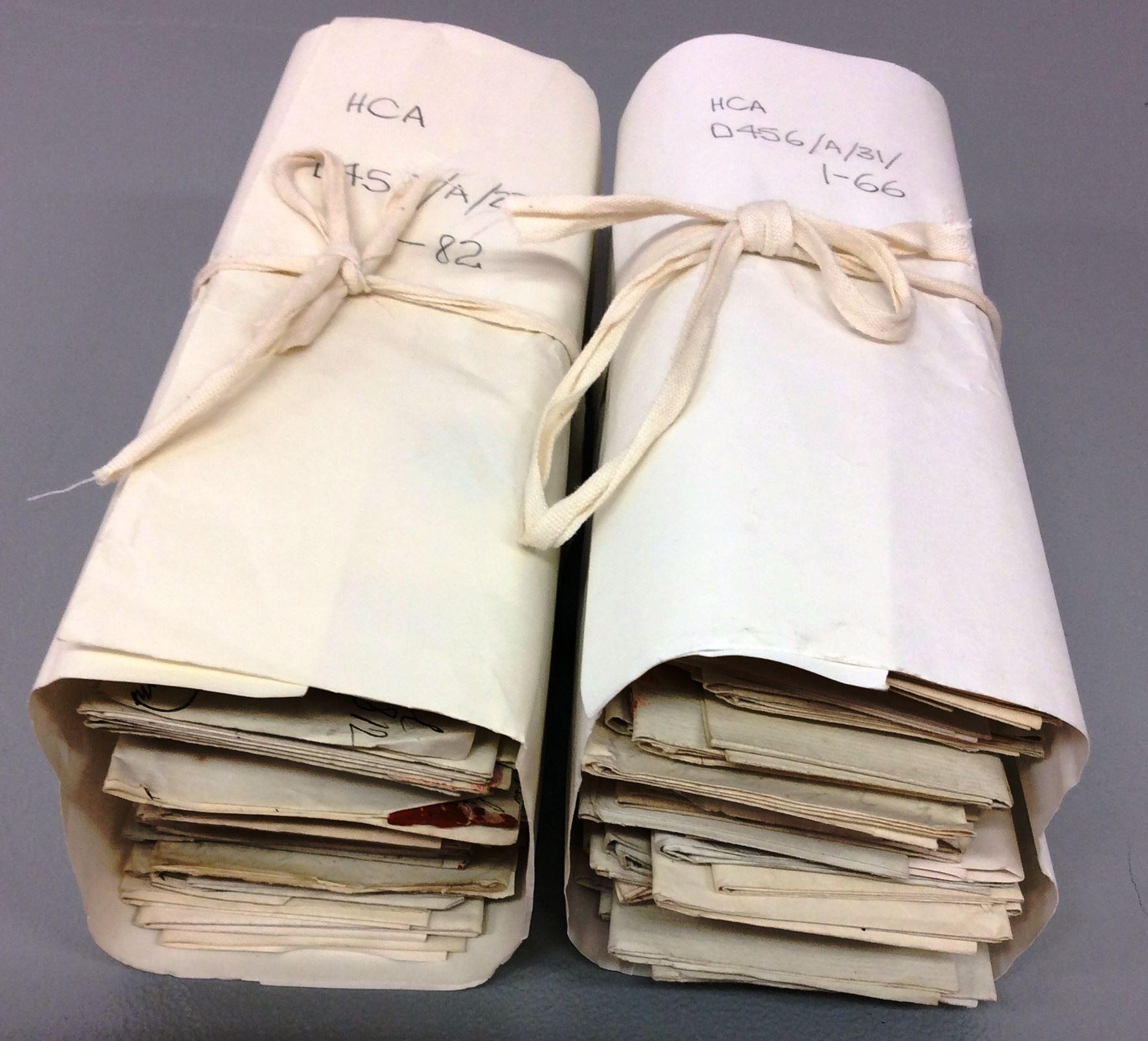
In the past people mostly kept in touch by writing letters. The Highland Archive Service looks after thousands of letters from families, businesses, and organisations. On this page you can watch videos about letters in our collections, look at some examples of letters, and find some related activities!
Learn with Lorna videos about letters in the Highland Archive Service collections:
Examples of letters in the Highland Archive Service collections:
Family Letters
The letter below (typed copy here) was written during World War One by Colonel James John Christian Davidson who led the 1/5th Seaforth Highlanders from the 7th of September 1914 to the 22nd of January 1916. During that time he wrote at least one letter a day to his wife Margret who was at home in Caithness.
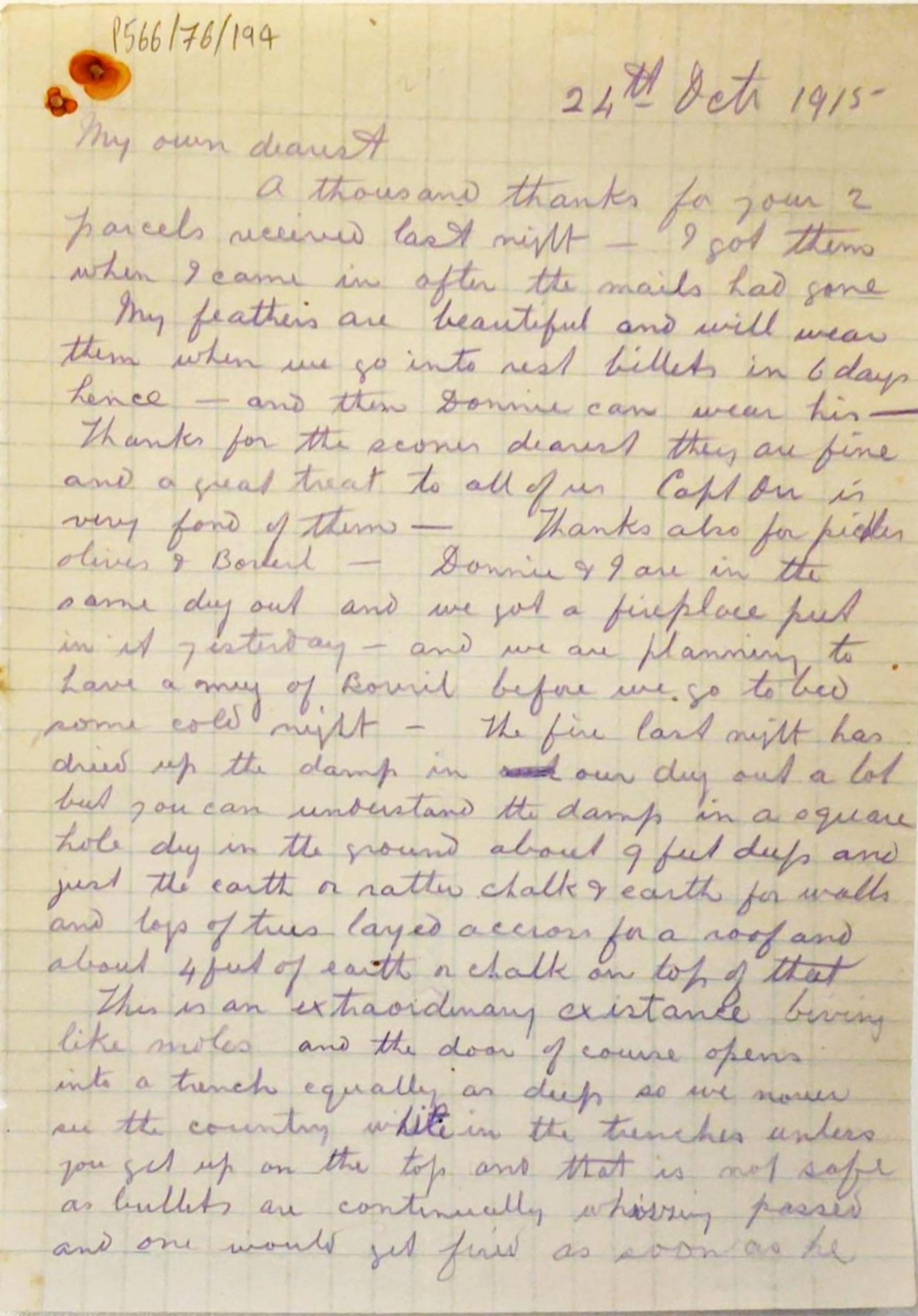
Letter by Colonel Davidson, page 1
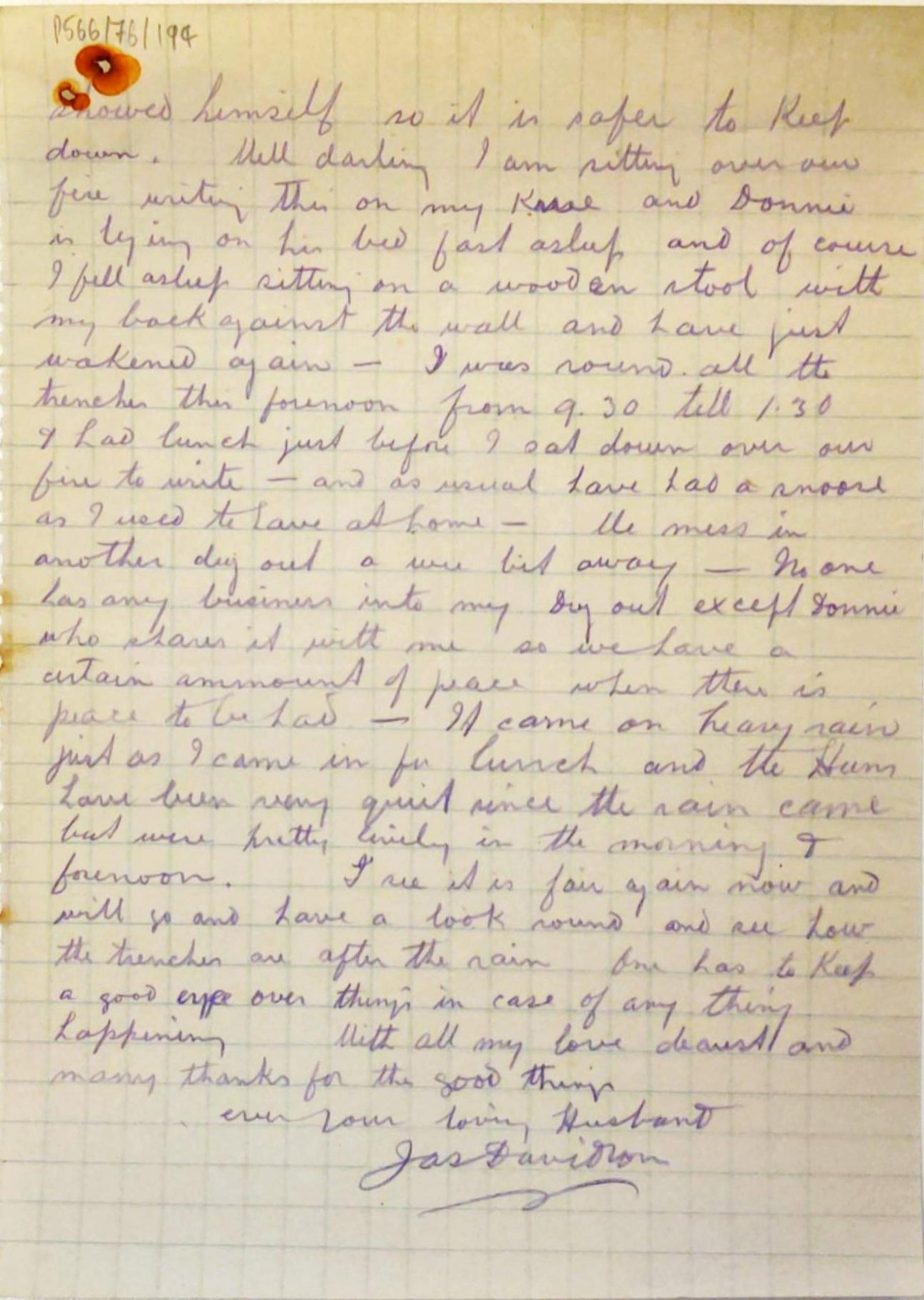
Letter by Colonel Davidson, page 2
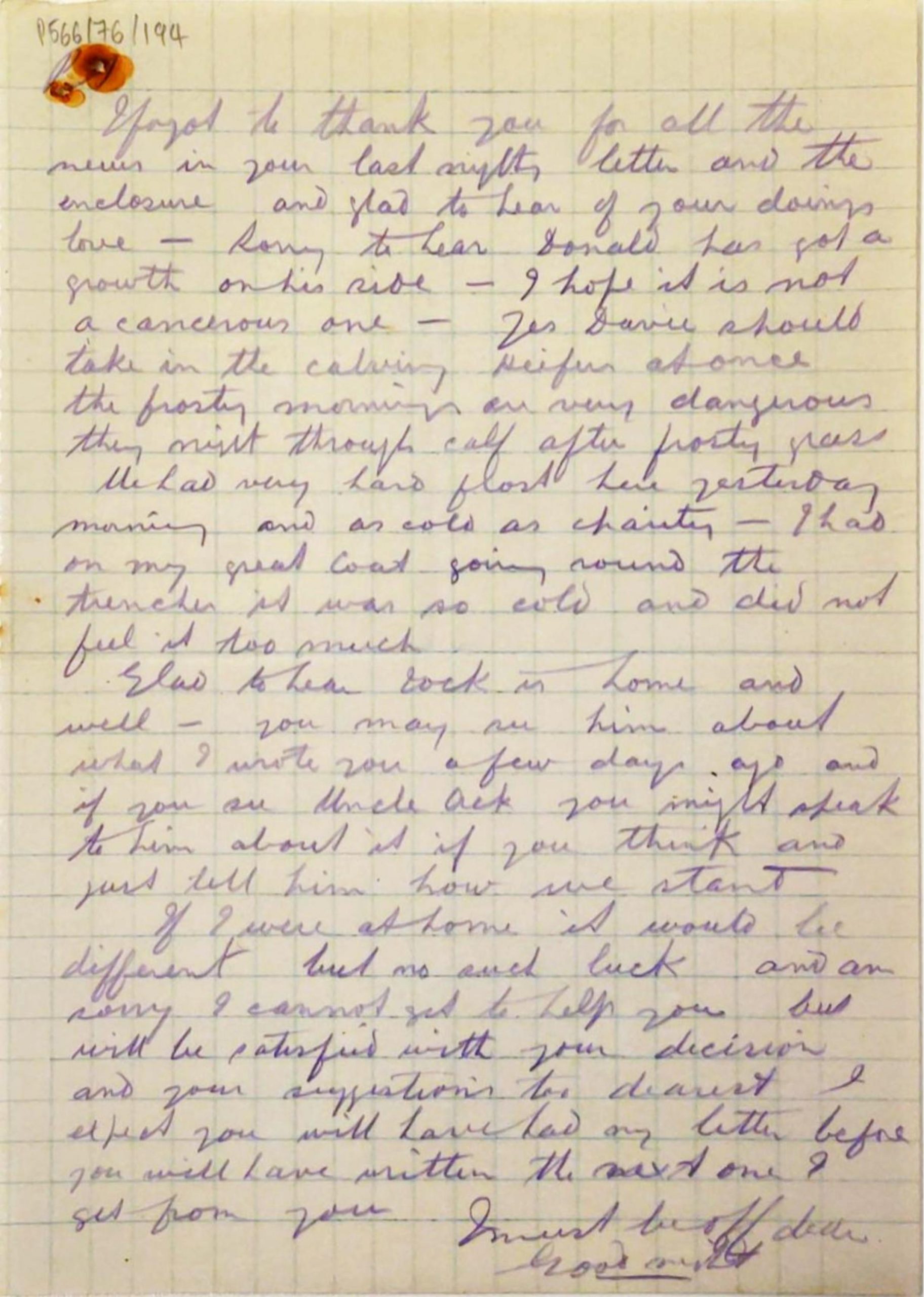
Letter by Colonel Davidson, page 3
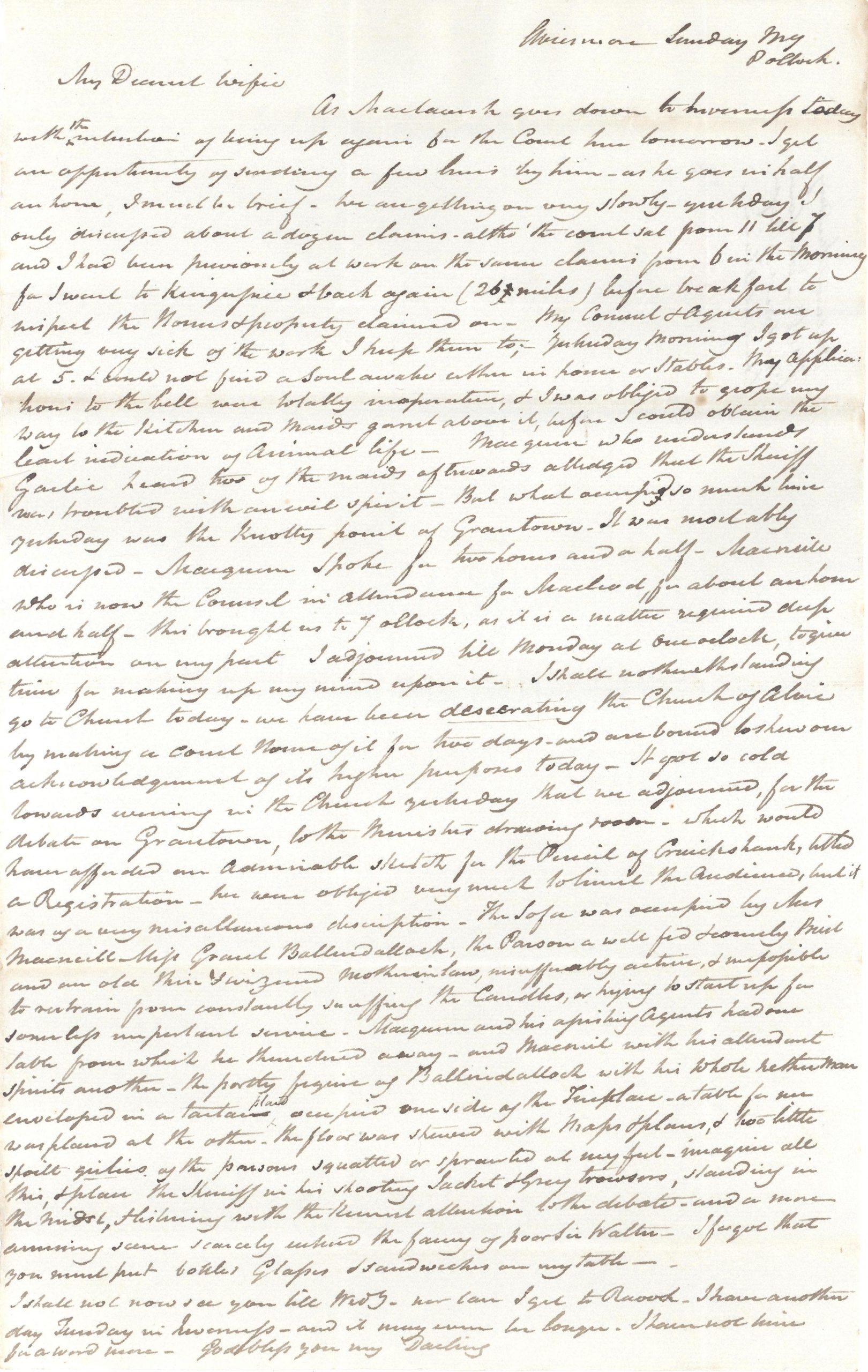
The letter below was written in 1832 by William Fraser Tytler, to his wife, Margaret. William, who was the Sheriff for Inverness-shire was attending a court hearing in Alvie Church and he described the scene in great detail for his wife Margaret at home in Aldourie Castle by Loch Ness. If you can't read the handwriting there's a typed copy here.
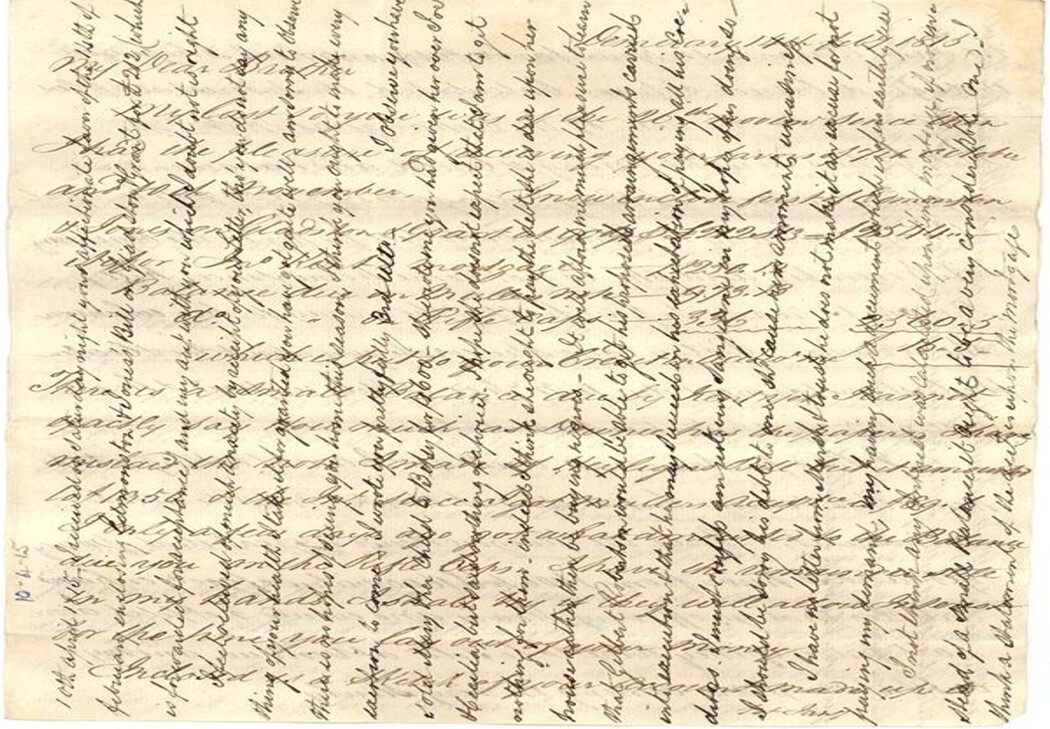
Below you can see an example of a letter that's much harder to read! It was written by Lachlan MacBean, who was from Tomatin but lived in the Caribbean at the time. Lachlan was writing to his brother, but obviously ran out of paper and layered the second page of his writing over the first! This is called cross-hatching, and we have a few of these letters! You can read them if you concentrate, but it can be tricky!
Business Letters
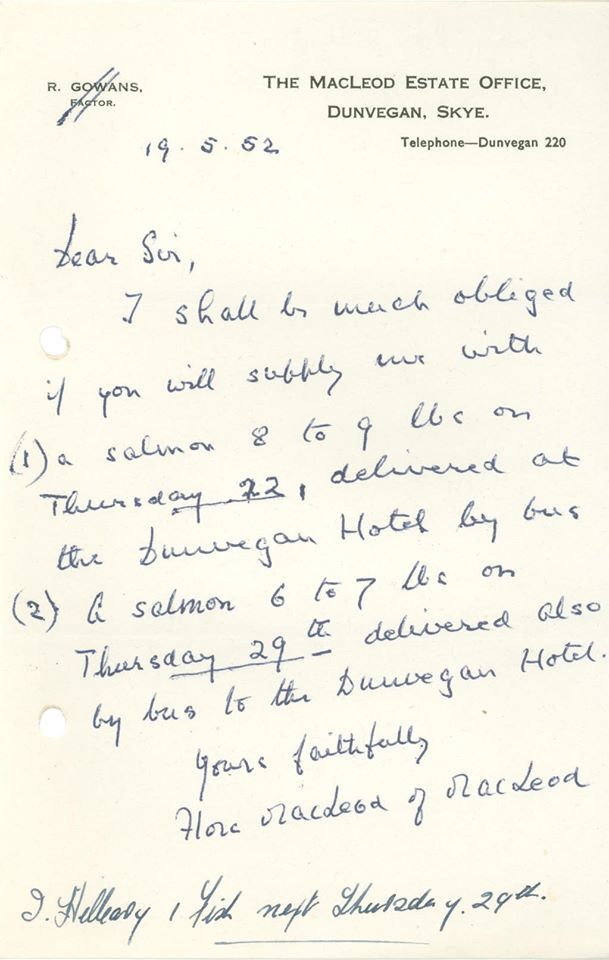
Today we can contact businesses through email, phone, website or social media. In the past, however, the only way to contact a business was by visiting them or writing a letter to them. Requesting goods or services by letter was common and there are many of these letters in business collections.
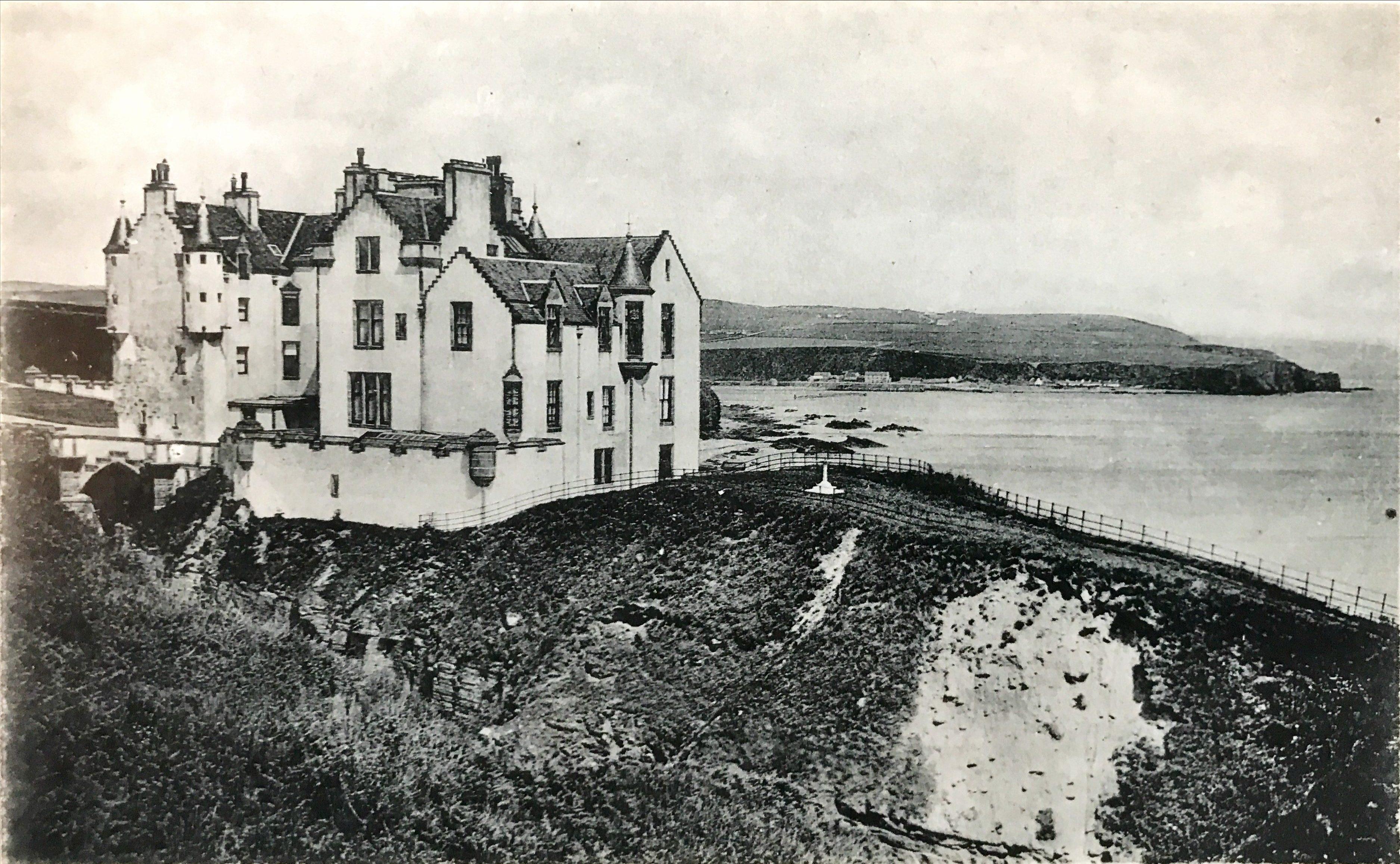
Below is a letter written to the West Highland Salmon Fisheries Company requesting salmon be delivered to Dunvegan Castle.
Letterbooks
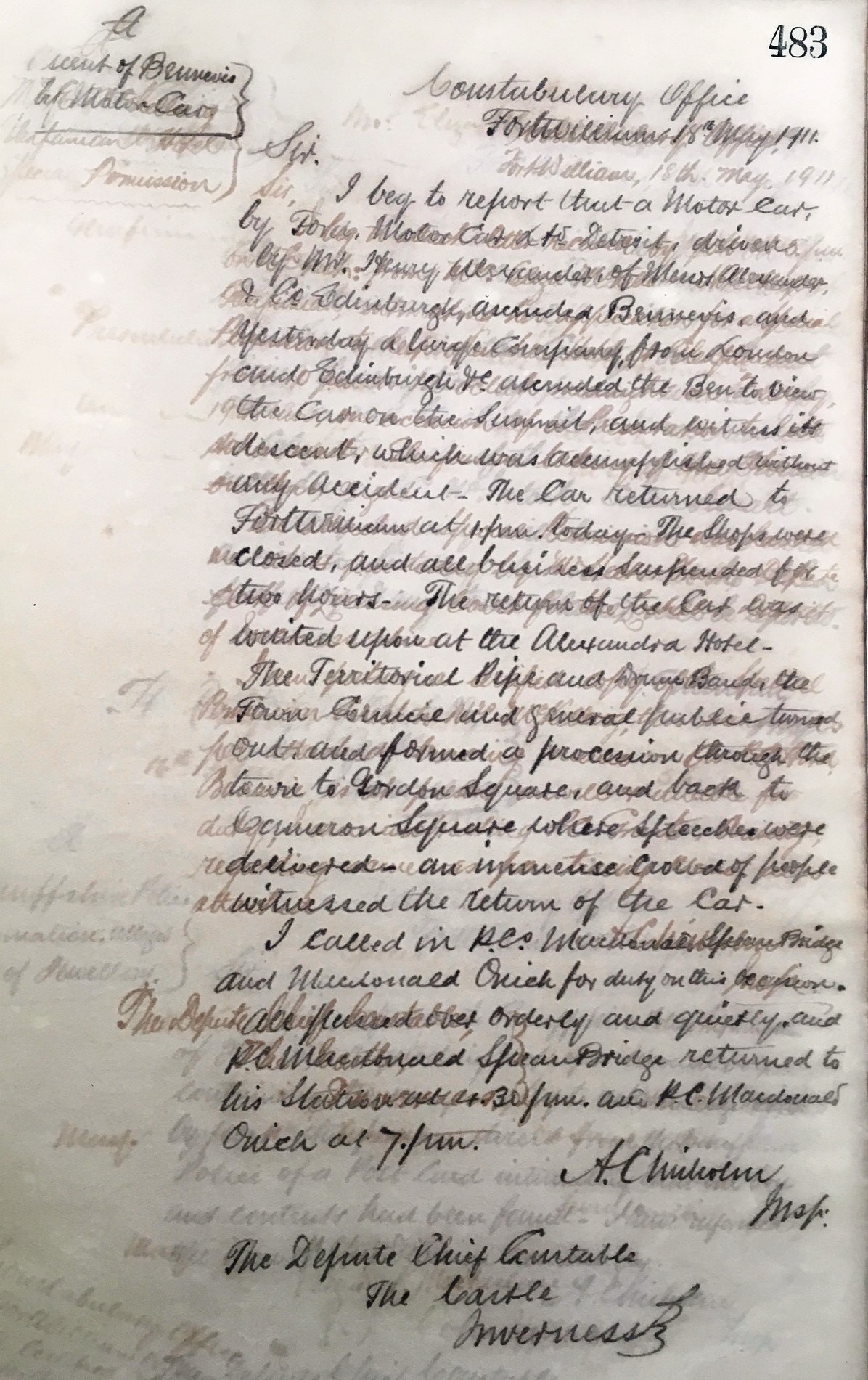
Letters can pop up in lots of different places, not just in their original format. Here we have a copy of a letter found in the Police Constable’s Letterbook. Letterbooks are, well, books of letters! They are copies of letters in kept in bound volumes and were used to keep a record of letters sent by people – in this case, the Police. They can be a bit hard to read because the pages are so thin, and when people write on the back and front of a page you can see it quite clearly through the paper!
In this letter, the Inspector in Fort William writes to the Chief Constable in Inverness to give him some news. Someone has driven a car to the top of Ben Nevis and back down again! The event drew crowds and lots of businesses were closed while a celebration welcomed the car back into Fort William. This was in 1911, and the same very dangerous feat would not be recommended today! A typed copy of the letter can be found here.
Postcards
Postcards are another way people send news to each other. They are usually shorter and less formal than letters and often have nice pictures on the front! During World War One it was common to send embroidered silk postcards.
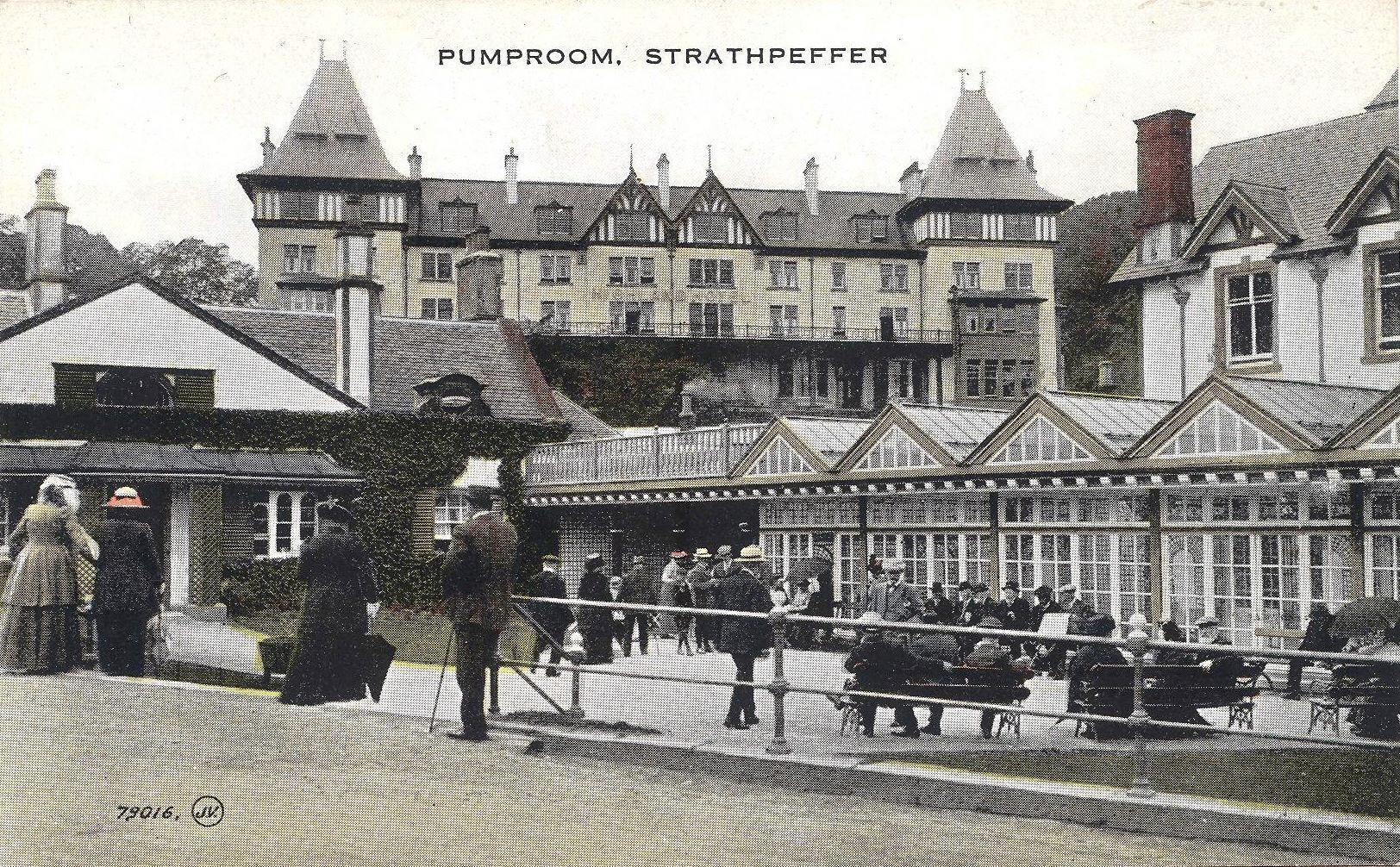
Colourised postcard of Strathpeffer
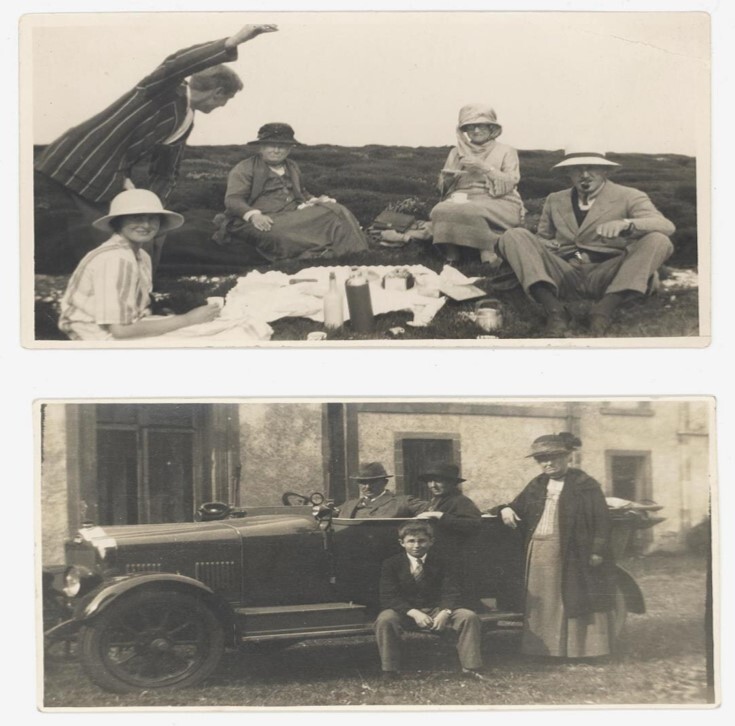
Photographic postcards, 1930s
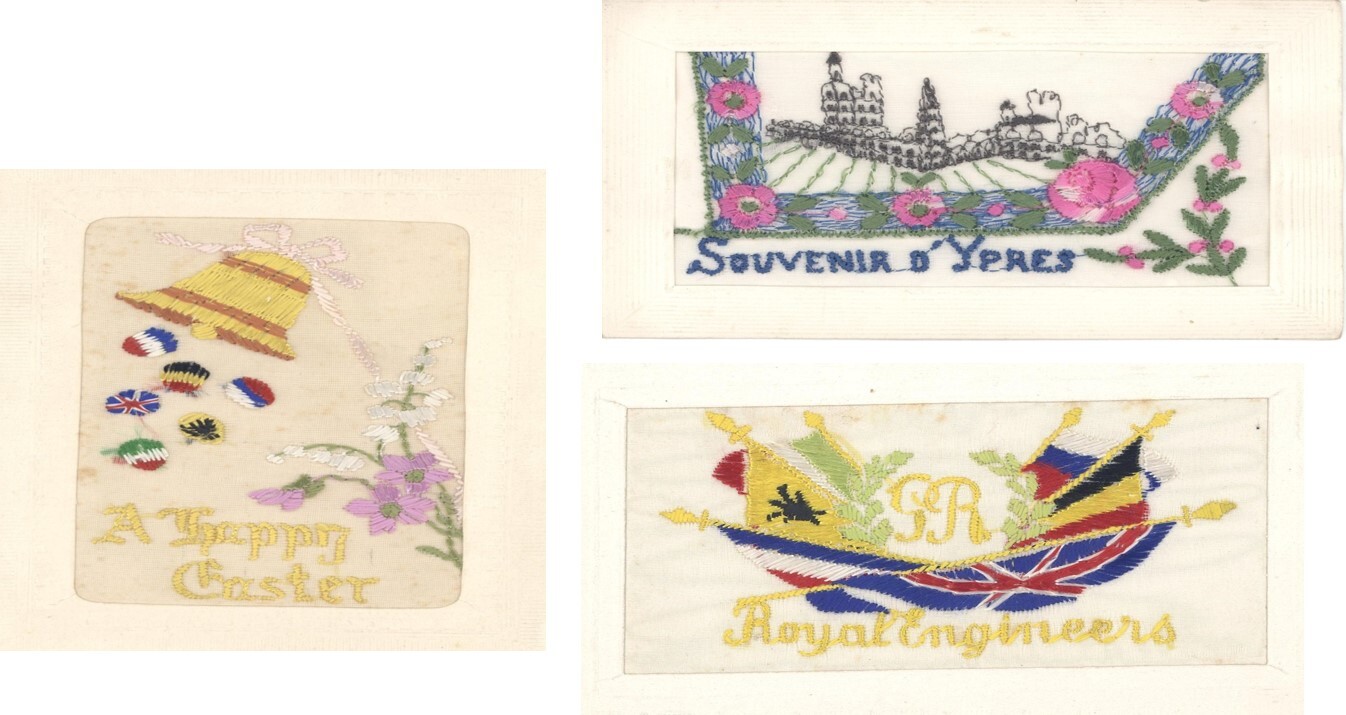
Embroidered silk postcards, 1910s
Letter-related activities
- People often love to receive handwritten letters. Why not write to a member of your family or someone in your community? You could tell them your news and ask them for some of their memories.
- William Fraser Tytler’s letter includes a description of a room full of people. He describes some children lying on the floor, a thin old lady putting out candles with a snuffer (see if you can find a picture of a candle snuffer) and a man dressed in tartan. Why don’t you try and draw a picture of what he saw in front of him OR why not try and write a description of what you can see round you? It’s a great way to find and use new adjectives!
- One of the letters here crossed-hatched (the writing goes across it in both directions to save paper). At first it’s quite hard to read but your eyes soon get used to it! Why don’t you try writing a crossed letter and asking someone else to try and read it?
- One of the letters here, written in 1911, describes the scene in Fort William when a car drove up to the top of Ben Nevis! Crowds gathered and the pipes and drums played in the street. Try and draw a picture of that day!
- Why not pick one of the letters and write a reply to it?