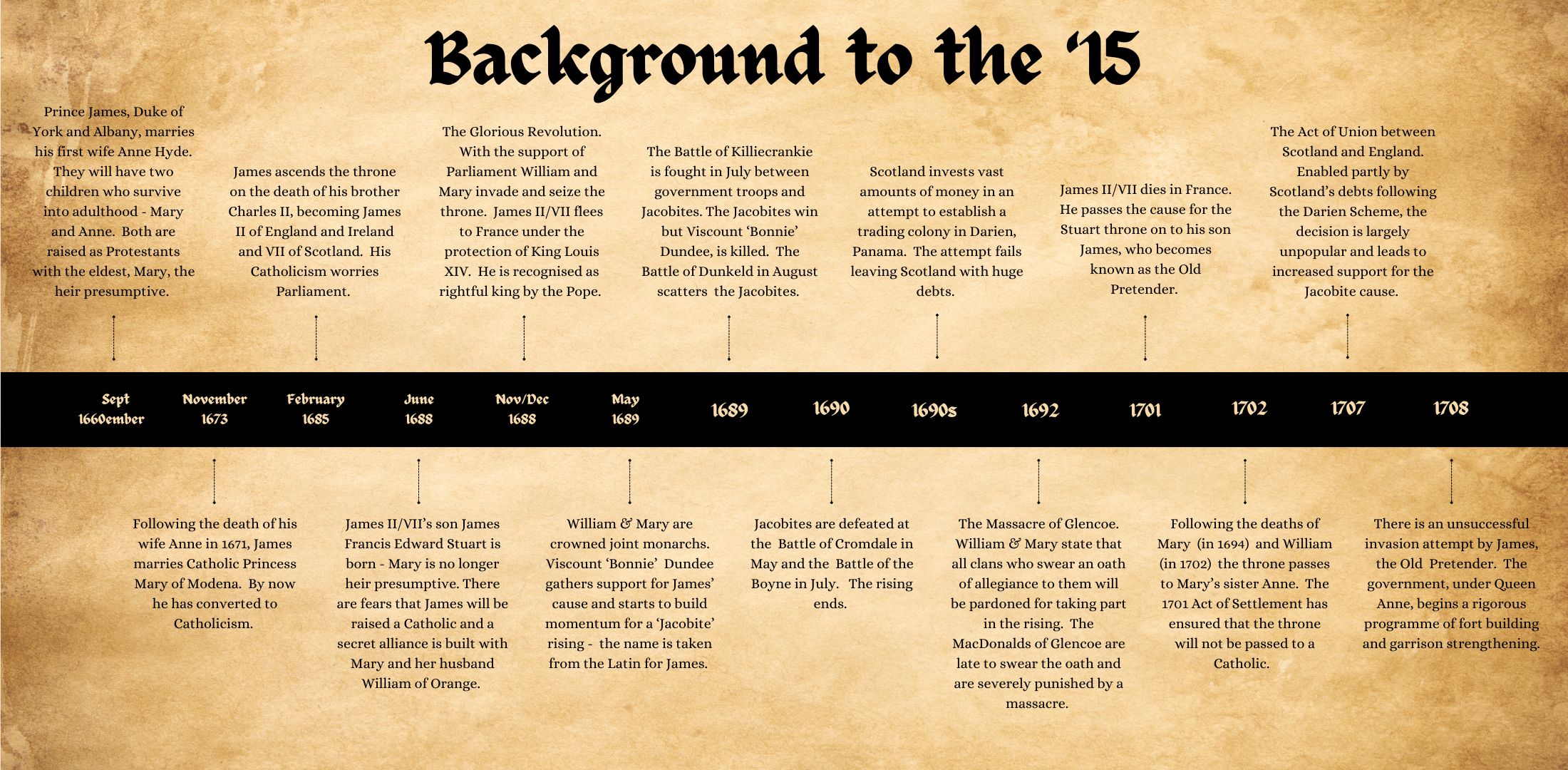









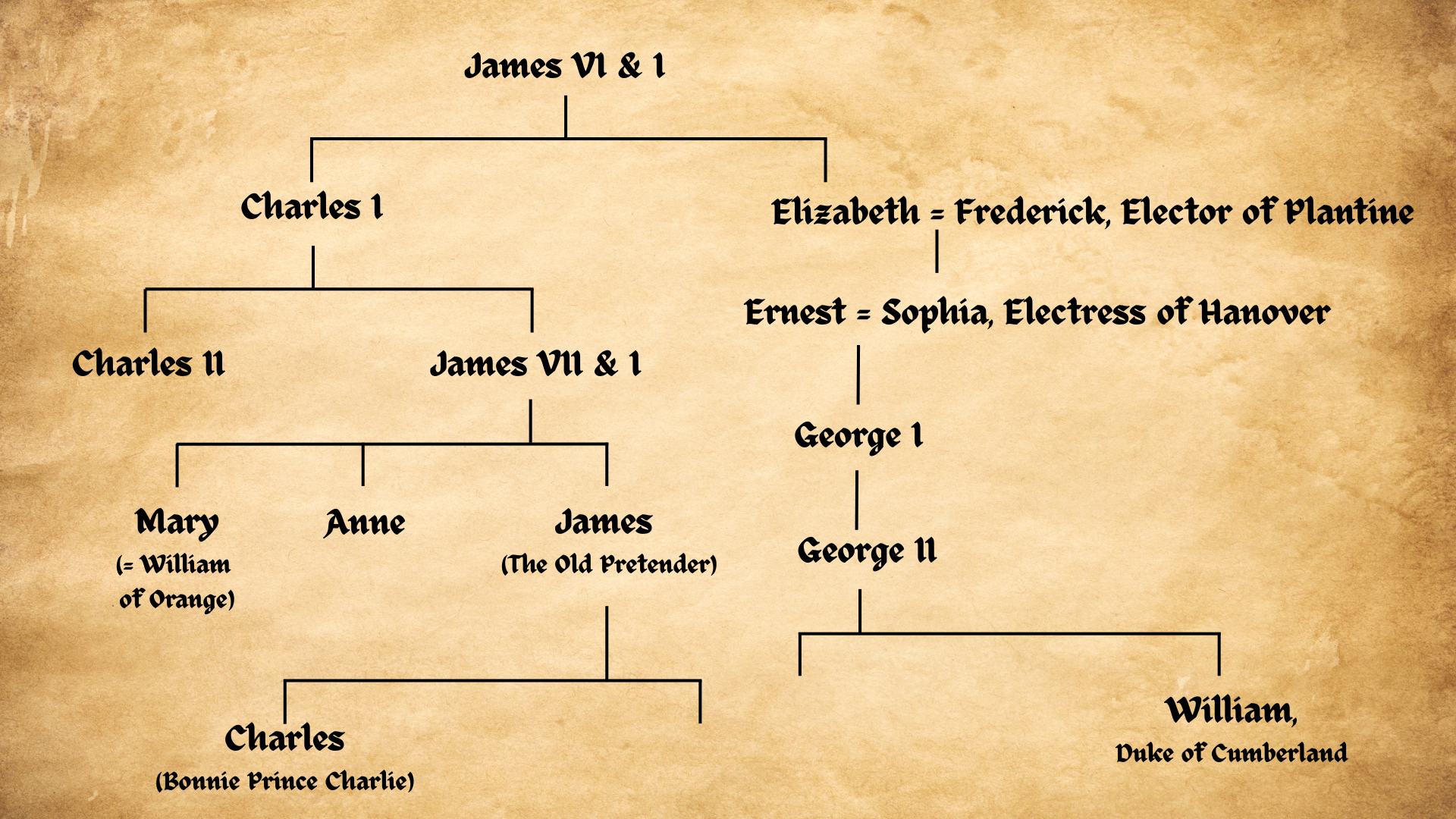
Religious struggles across Europe in the 17th century had left their mark on the population and the news of King James VII/II’s conversion to Catholicism was met with trepidation. The birth of a son by his second, Catholic, wife in 1688 compounded their fears; Plans began to be laid to depose the King, secure a Protestant monarchy and ensure that no king or queen after would have absolute power.
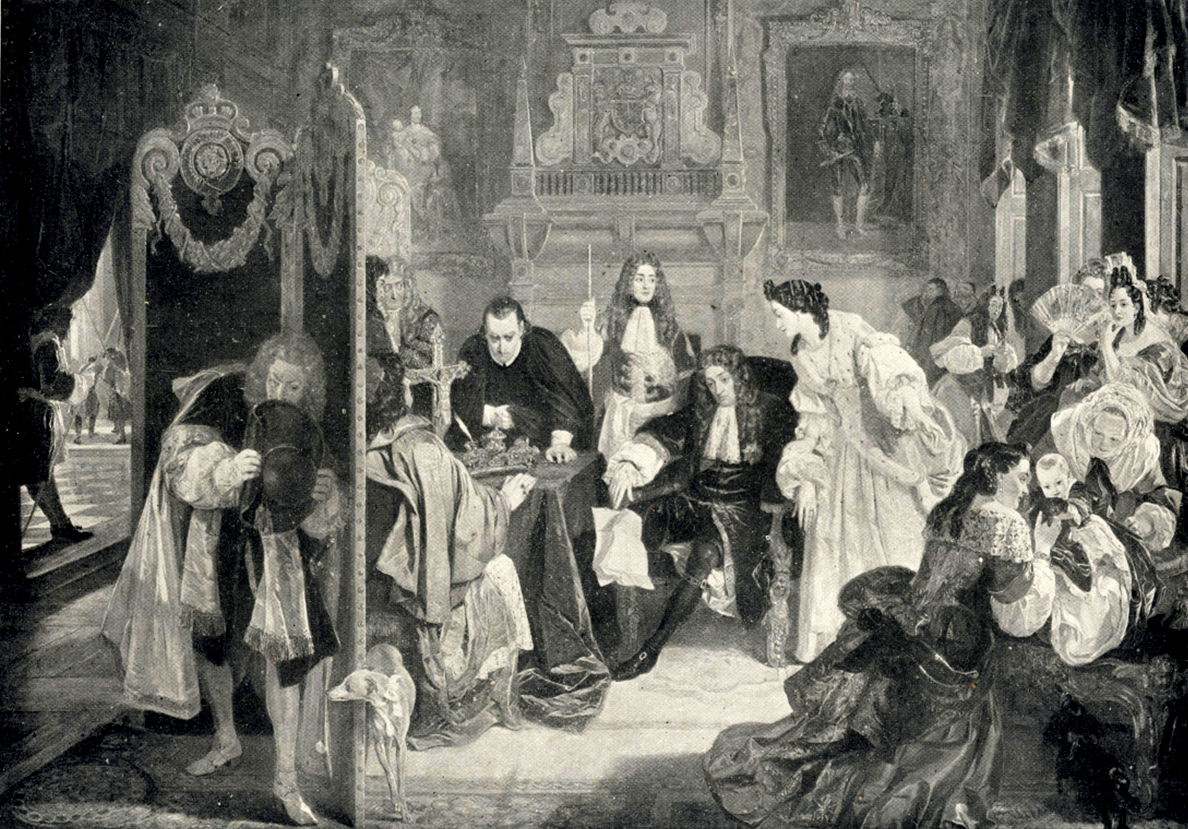
James II receiving news of the landing of William of Orange, 1688
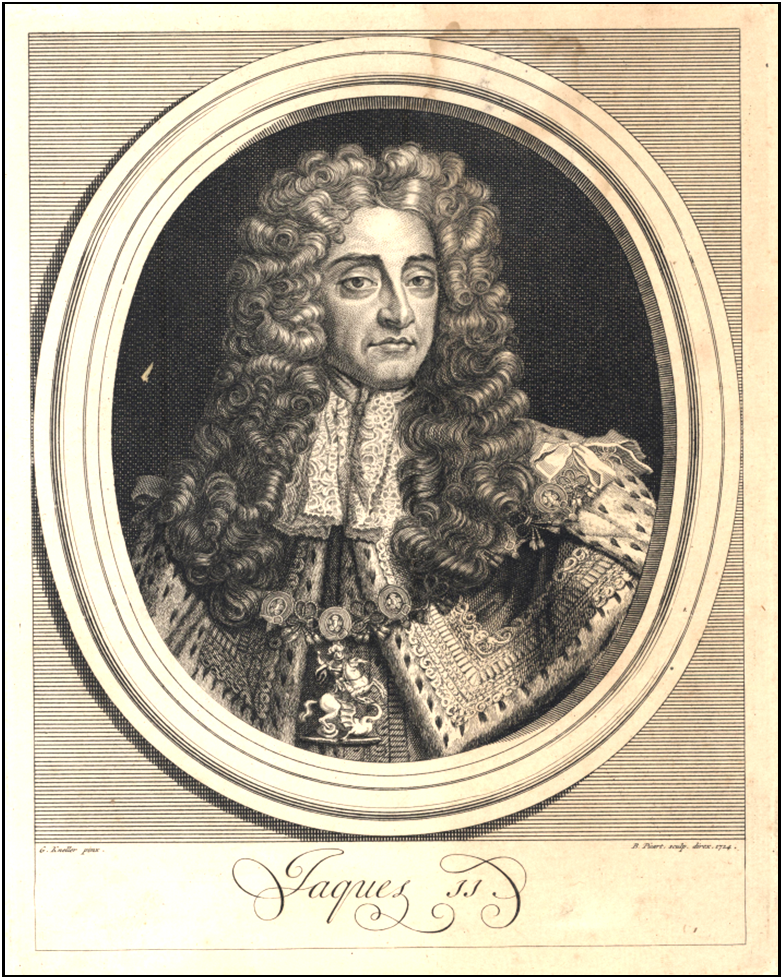
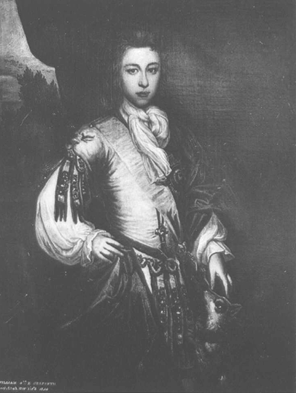
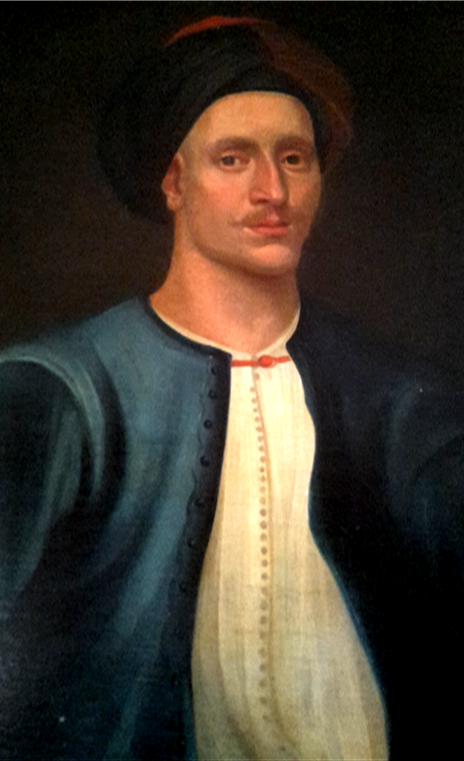
James II
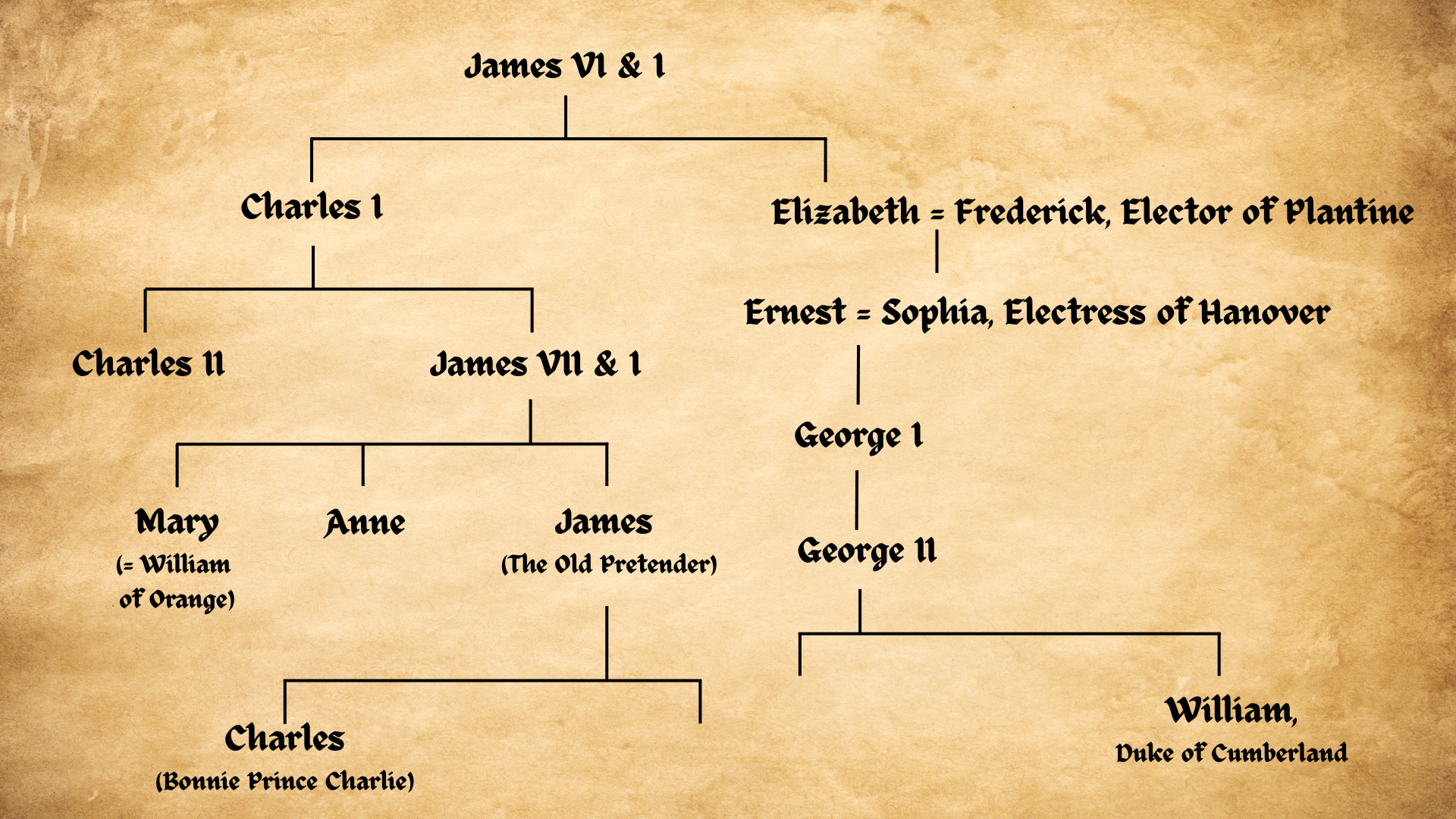
Family tree diagram showing the lineage from James VI & I through the Stuart and Hanoverian lines
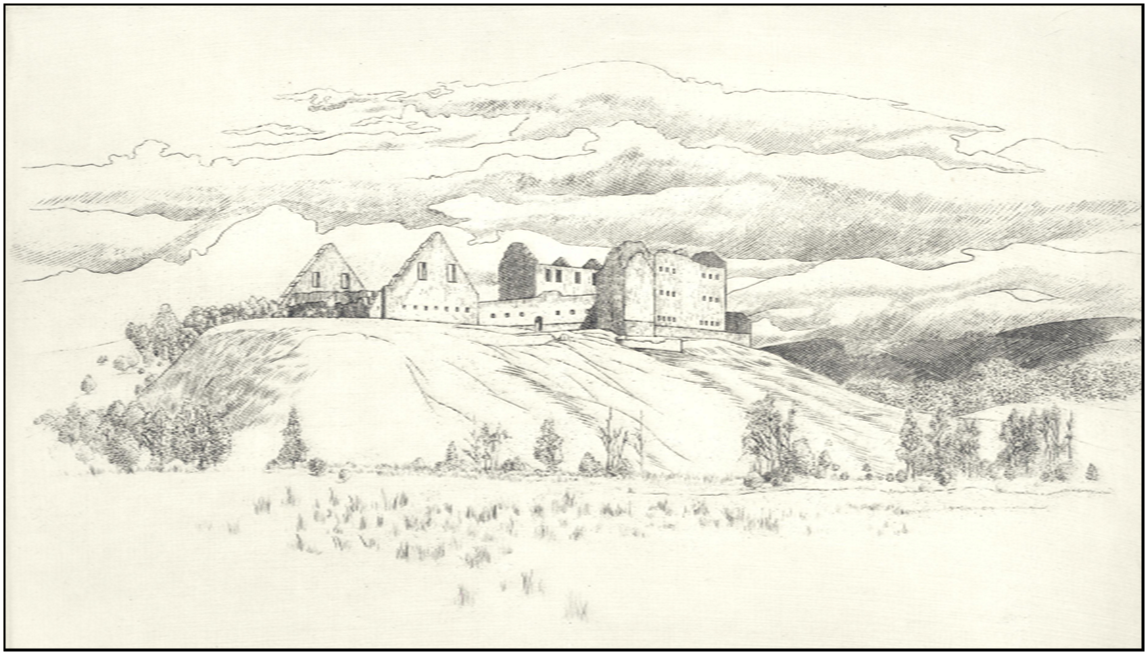
Following the ‘invited invasion’ of William and Mary and their coronations, unrest spread throughout the British Isles. During the 1689 rising Inverness was visited by both sides. Viscount ‘Bonnie’ Dundee arrived (attempting to raise support for the exiled Stuarts) and government troops garrisoned Urquhart Castle (blowing it up on departure to prevent the Jacobites from using it). Inverness Town Council minutes record the fear which existed throughout the area. The cultural divide between the Gaelic speaking ‘Highlanders’ and the English speaking Scots is highly visible in contemporary accounts.
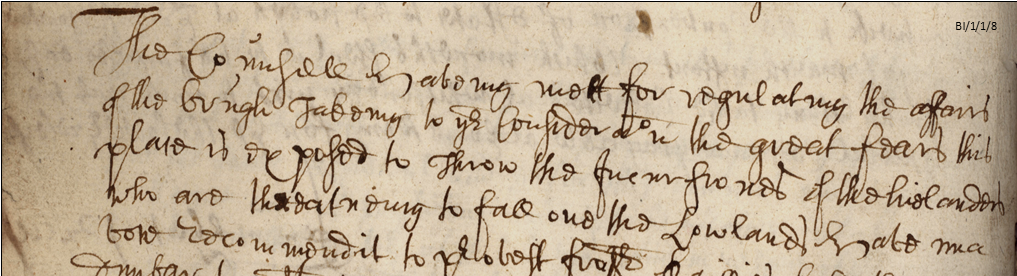
The Council, having met for regulating the affairs of the burgh, taking to their consideration the great fears this place is exposed to through the incursions of the highlanders who are threatening to fall on the lowlands….” The extract concludes that the baillies and the council will take such methods as they consider necessary “for preventing these dangers and securing the peace of the Highlands”
Following the Battles of Killiecrankie, in July 1689, and Dunkeld, in August 1689, momentum faded and the rising dissolved to nothing. The loss of ‘’Bonnie’ Dundee was felt strongly by the Jacobites. There was a failed invasion attempt in 1708 but generally an uneasy peace settled until the events of 1714 brought the Jacobite cause back to the forefront.