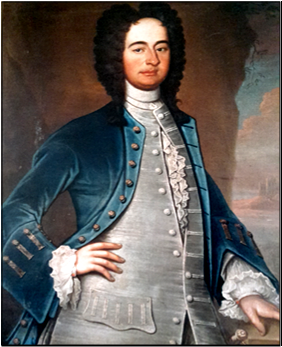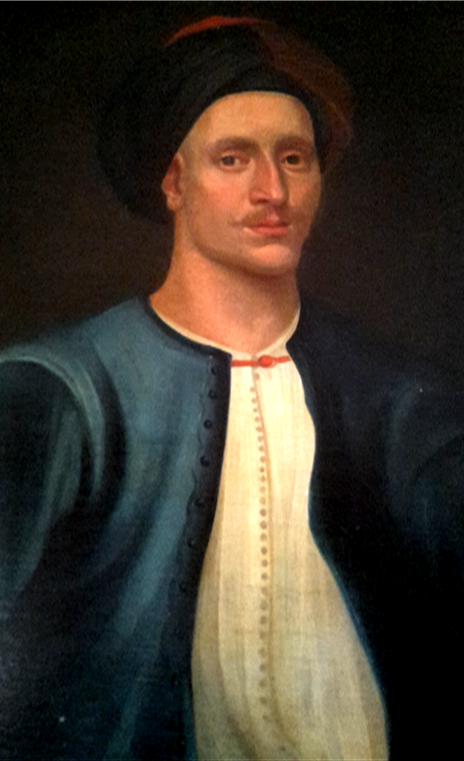






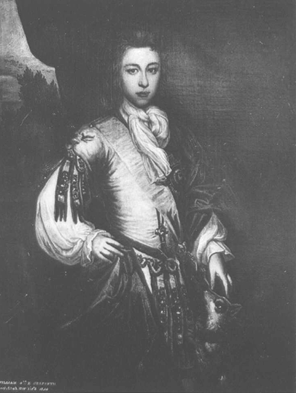
William Mackenzie 5th Earl of Seaforth and 17th of Kintail.
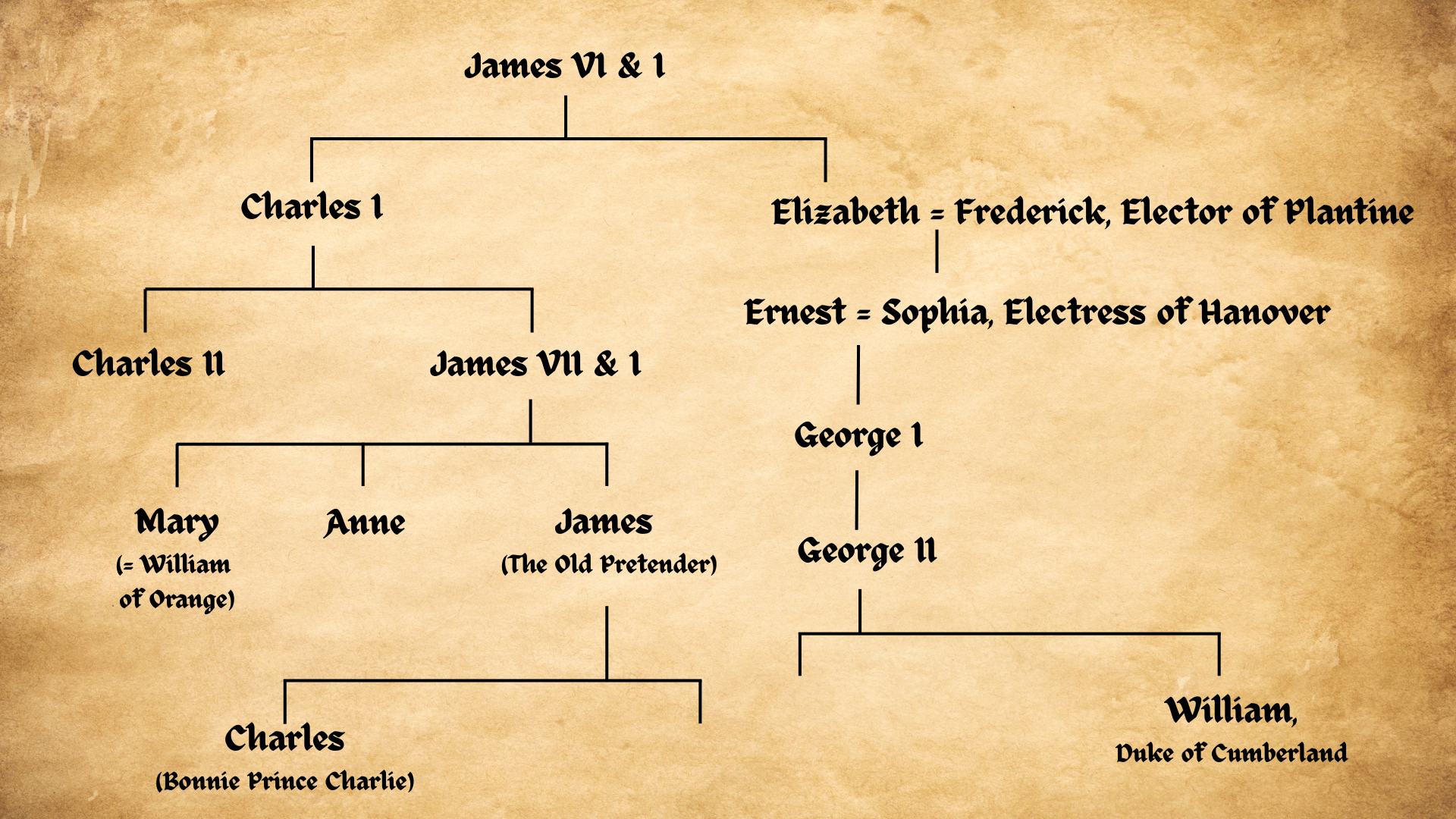
William Mackenzie was Chief of Clan Mackenzie from 1701-1740 and Earl of Seaforth from 1701-1716. (His role in the ’15 led to the loss of the title ‘Earl of Seaforth’). In addition to his role in the ‘15 William Mackenzie took part in the short-lived uprising of 1719, living in exile for some time afterwards. He was granted a pardon by King George I in 1726 but the forfeiture of his estates (as a result of the 1715 rising) was not reversed. William Mackenzie died in 1740 on the Isle of Lewis and was succeeded by his son Kenneth, Lord Fortrose, ho supported the government in the 1745 uprising - resulting in the return to the family of the title Earls of Seaforth.
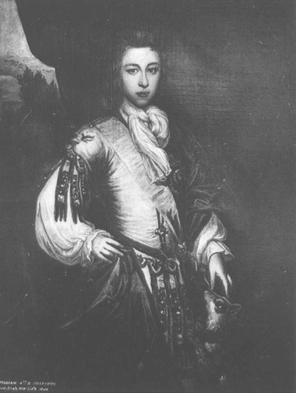
Sir John Mackenzie, 3rd of Coul
Sir John Mackenzie, third of Coul, was the eldest son and heir of Sir Alexander Mackenzie of Coul. His first wife was Margaret, daughter of Hugh Rose, 15th Laird of Kilravock. Sir John was sent to command the Jacobite garrison in Inverness by his cousin William, Earl of Seaforth and following his escape in November 1715 he joined the Earl of Mar’s Jacobite forces. Sir John Mackenzie of Coul was attainted for his part in the ‘15 and his estates forfeited.
Brigadier William Mackintosh of Borlum
Little is known of the early life of William Mackintosh. After his part in the capturing of Inverness for the Jacobites, Borlum went on to command a detachment of Jacobite forces in the south of Scotland. His involvement in the Battle of Preston led to his imprisonment in London’s Newgate prison from which he escaped. Following his return to Scotland to partake in the 1719 rising he was recaptured and imprisoned in Edinburgh Castle where he spent the remainder of his life, dying in 1743.
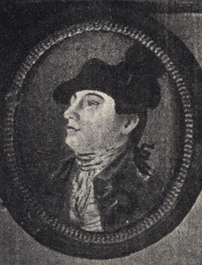
John Cameron, 18th Lochiel
The Camerons of Lochiel were involved in the fight for Jacobite restoration for several generations. John Cameron was the son of Sir Ewan Cameron of Lochiel (a staunch Jacobite supporter who had been knighted by King Charles II) and the father of Donald Cameron “Gentle Lochiel” (who fought alongside Bonnie Prince Charlie in the ‘45). John Cameron led his clan into battle at Sheriffmuir and the reward for his loyalty to the Stuarts was being titled “Lord Lochiel” by the Old Pretender in 1717…and having his Lochaber estates at risk of forfeiture by the Hanoverian government in the wake of the rising. The forfeiture did not happen on this occasion as John Cameron had transferred the legal ownership to his son. After the ‘15, and a brief role in the ill-fated 1719 uprising, John Cameron spent the remainder of his life in exile, dying in Flanders in 1748. His son Dr Archibald Cameron would be the last Jacobite executed for high treason (in 1753).