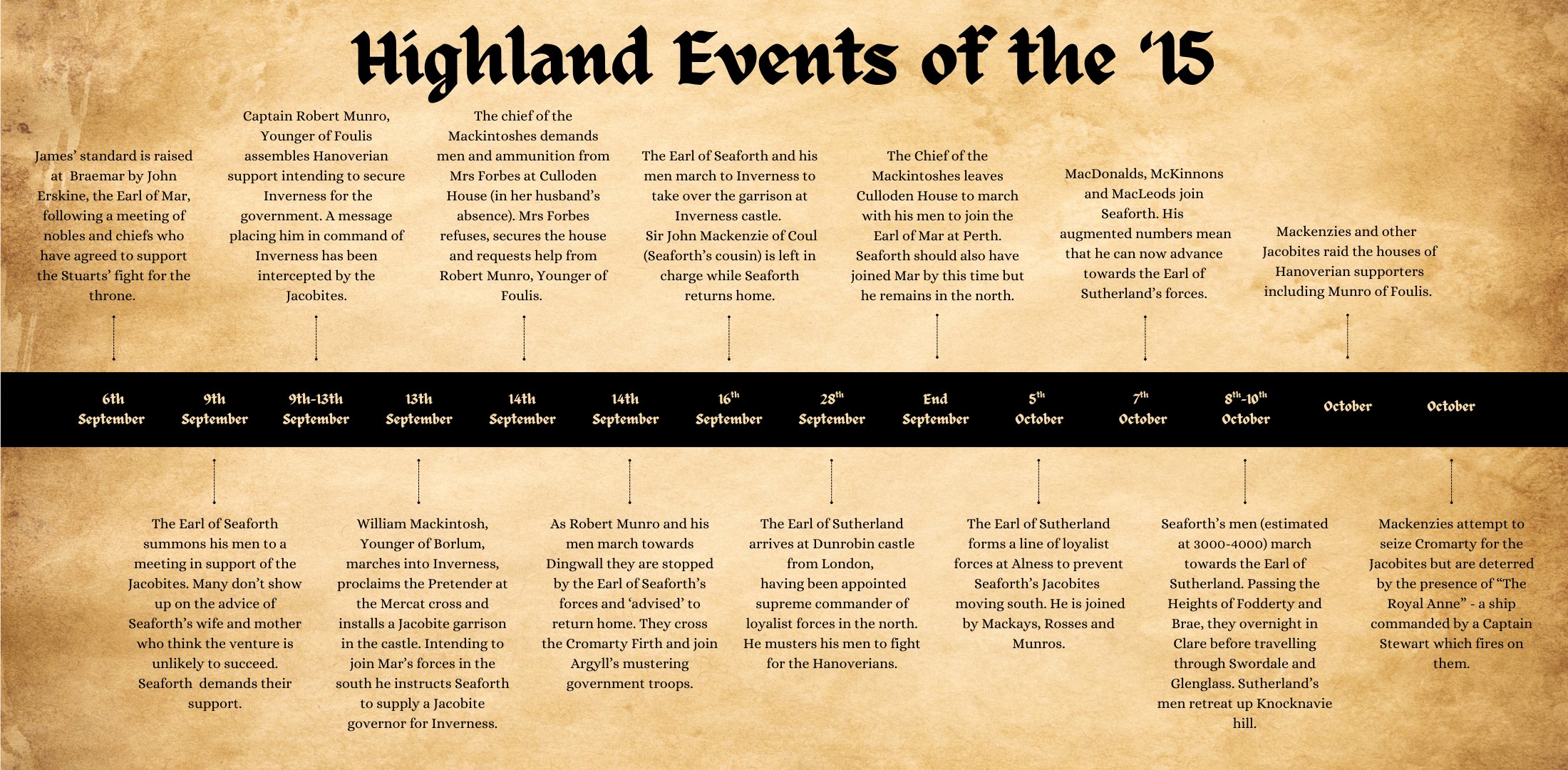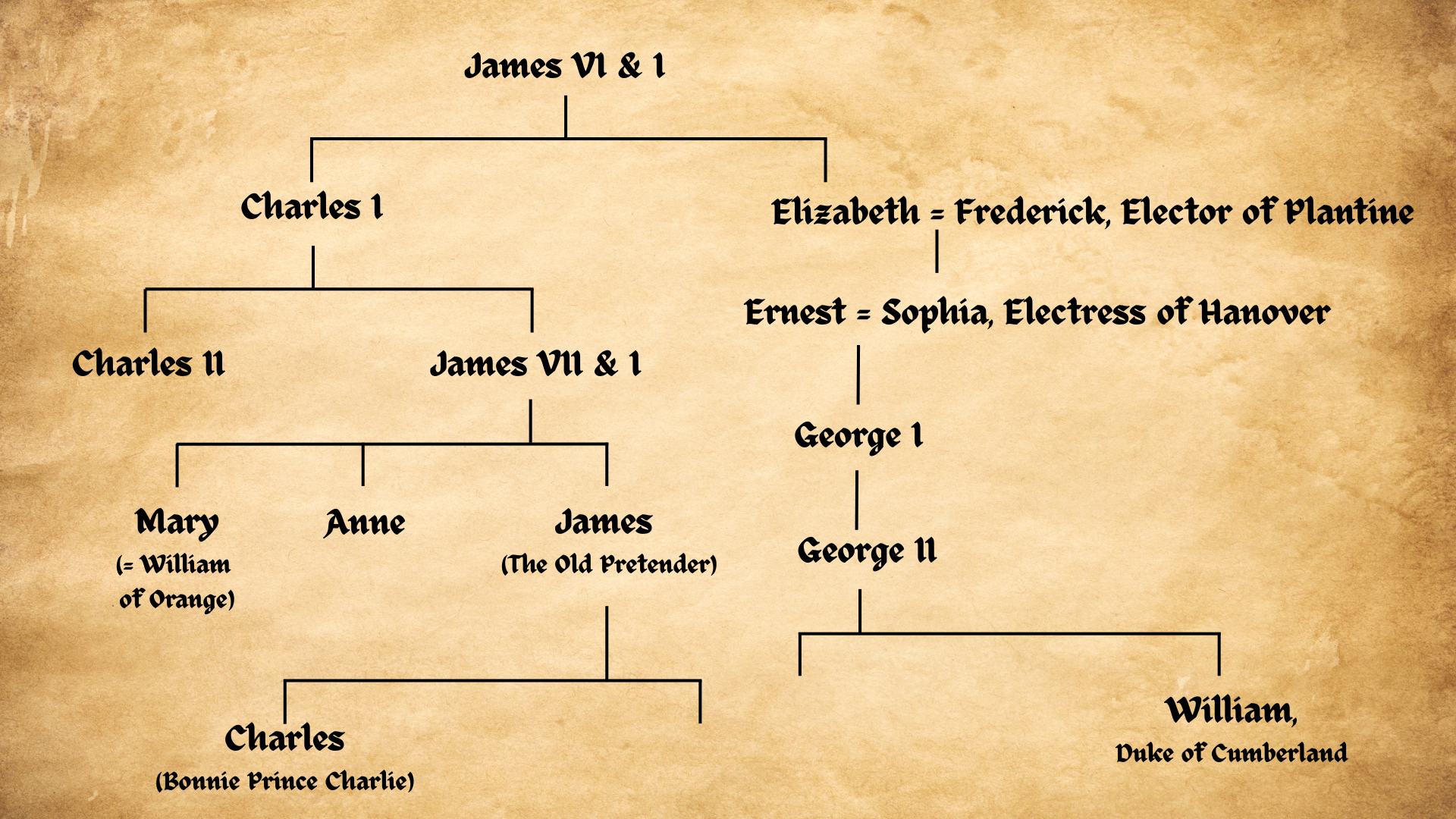










The rising immediately started to gather momentum following the raising of James’ standard on 6th September and the Highlands became a frenzy of activity on both sides of the argument. Many were quick to join Mar’s Jacobites - the Highlands were traditionally Episcopalian and many families had a long-standing loyalty to the Stuarts. Powerful Mackenzies of Seaforth, Mackintoshes, Camerons of Lochiel and others acted on their loyalty to the exiled monarchs and amassed their retainers to fight.
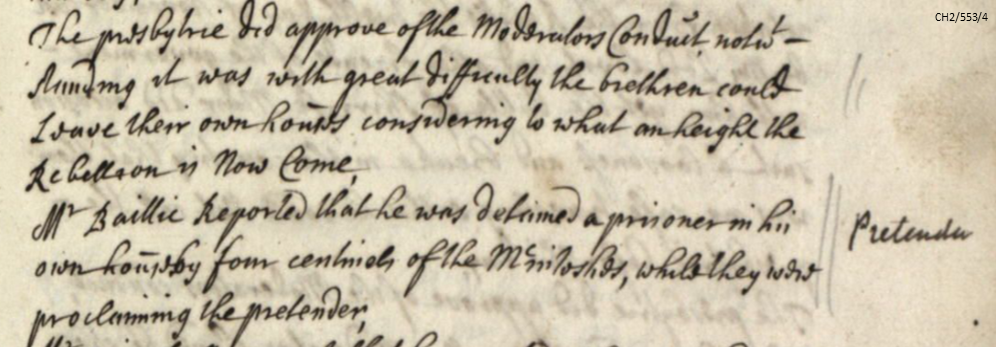
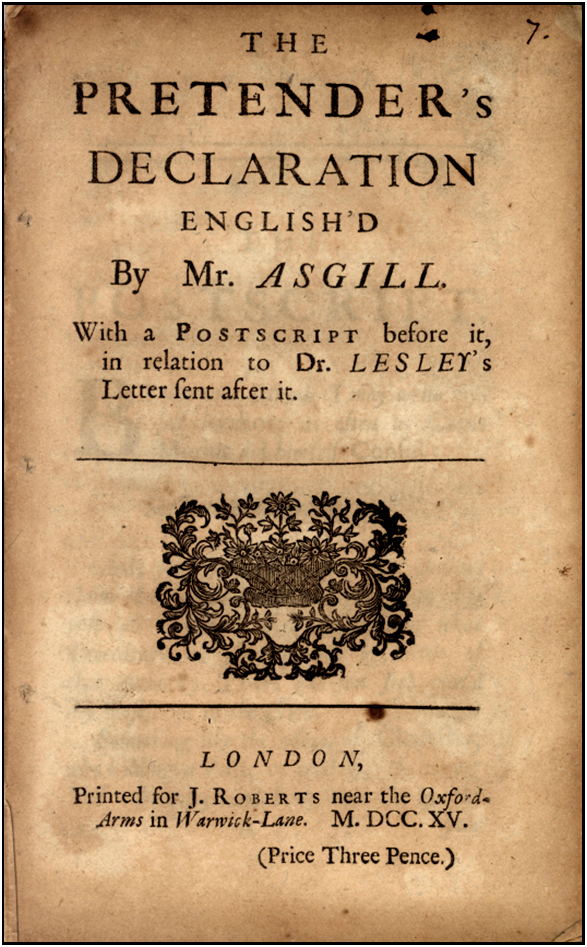
The presbytery did approve of the moderator’s conduct notwithstanding it was with great difficulty the brethren could leave their own houses considering to what height the Rebellion is now come. Mr Baillie reported that he was detained a prisoner in his own house by four sentinels of the McIntoshes, while they were proclaiming the pretender.
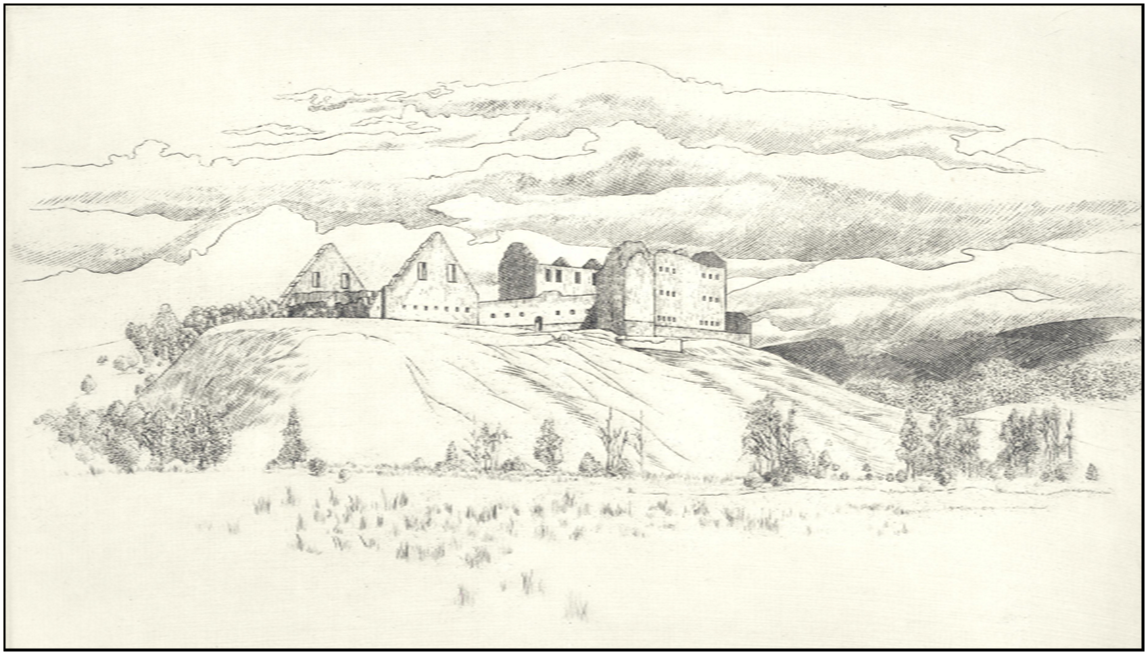
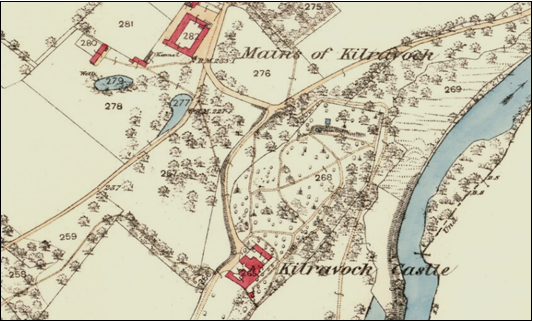
While many supported the Stuarts there were also those who feared the return of the Catholic kings and were prepared to stand against them. Munro of Foulis, Rose of Kilravock and Forbes of Culloden rose along with others in support of the Hanoverian King George. Foulis Castle, Kilravock Castle and Culloden House all played a part - being garrisoned against the Jacobites.
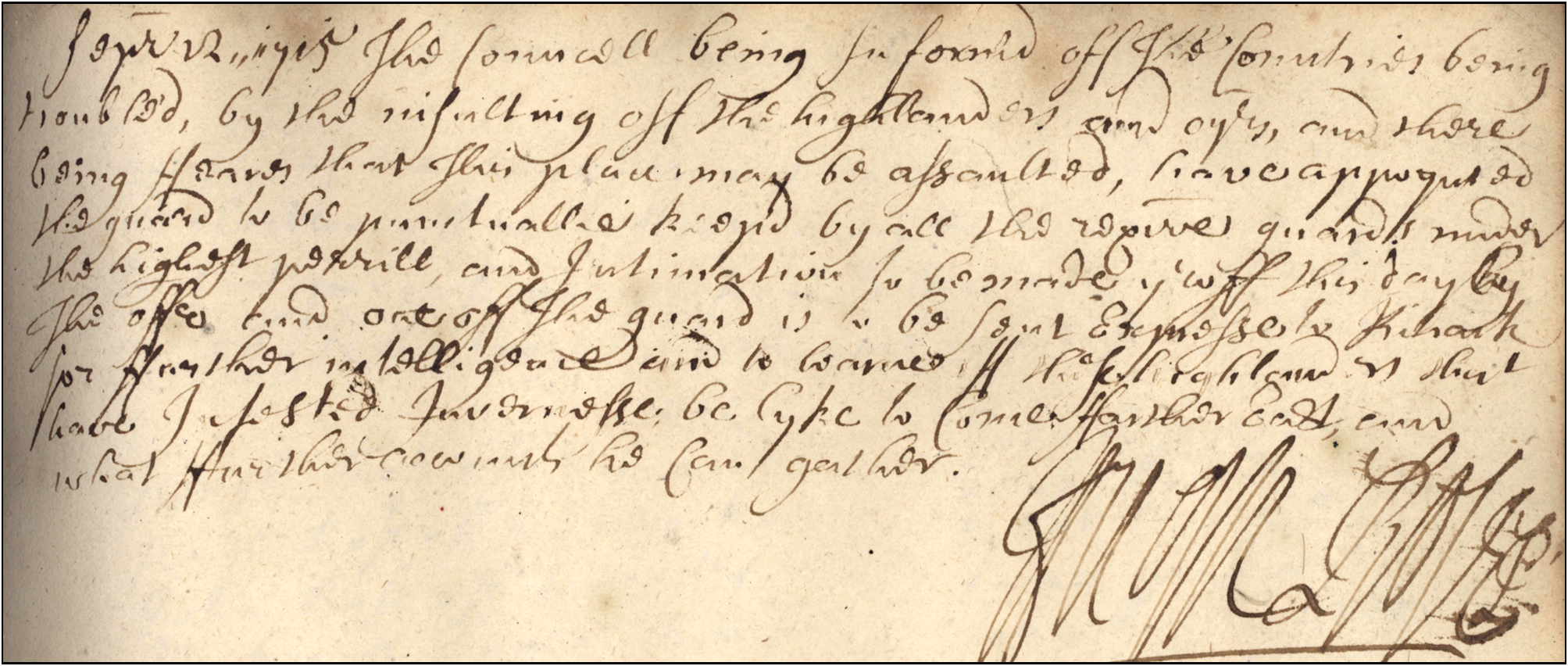
September 12th 1715, The Council being informed of the country’s being troubled by the insulting of the Highlanders and others and there being fears that this place may be assaulted, have appointed the guard to be punctually kept by all the respective guards under the highest peril, and intimation to be made thereof this day by the officer and one of the guard is to be sent express to Kilravock for further intelligence and to learn if the Highlanders that have infested Inverness be like to come further east and what further accounts he can gather.
The north of Scotland, along with the rest of the country, became a stage for skirmishes between the opposing factions. The Earl of Seaforth’s men became embroiled in standoffs with both the Earl of Sutherland and Munro of Foulis. These fights, gaining and losing ground throughout the Cromarty Firth area, delayed the Earl of Seaforth to such an extent that he was two months late taking his forces to join Mar’s army. This delay likely contributed to the failure of the rising as Mar waited for augmented forces before marching south to confront the Hanoverians.