


This year marks a remarkable milestone for one of Scotland's most treasured cultural attractions — the Highland Folk Museum turns 90.
Set in the heart of the Cairngorms, the museum is more than just a visitor destination. It is a living, evolving tribute to the people, traditions and everyday life of the Highlands, with a story that stretches back nearly a century.
How it all began
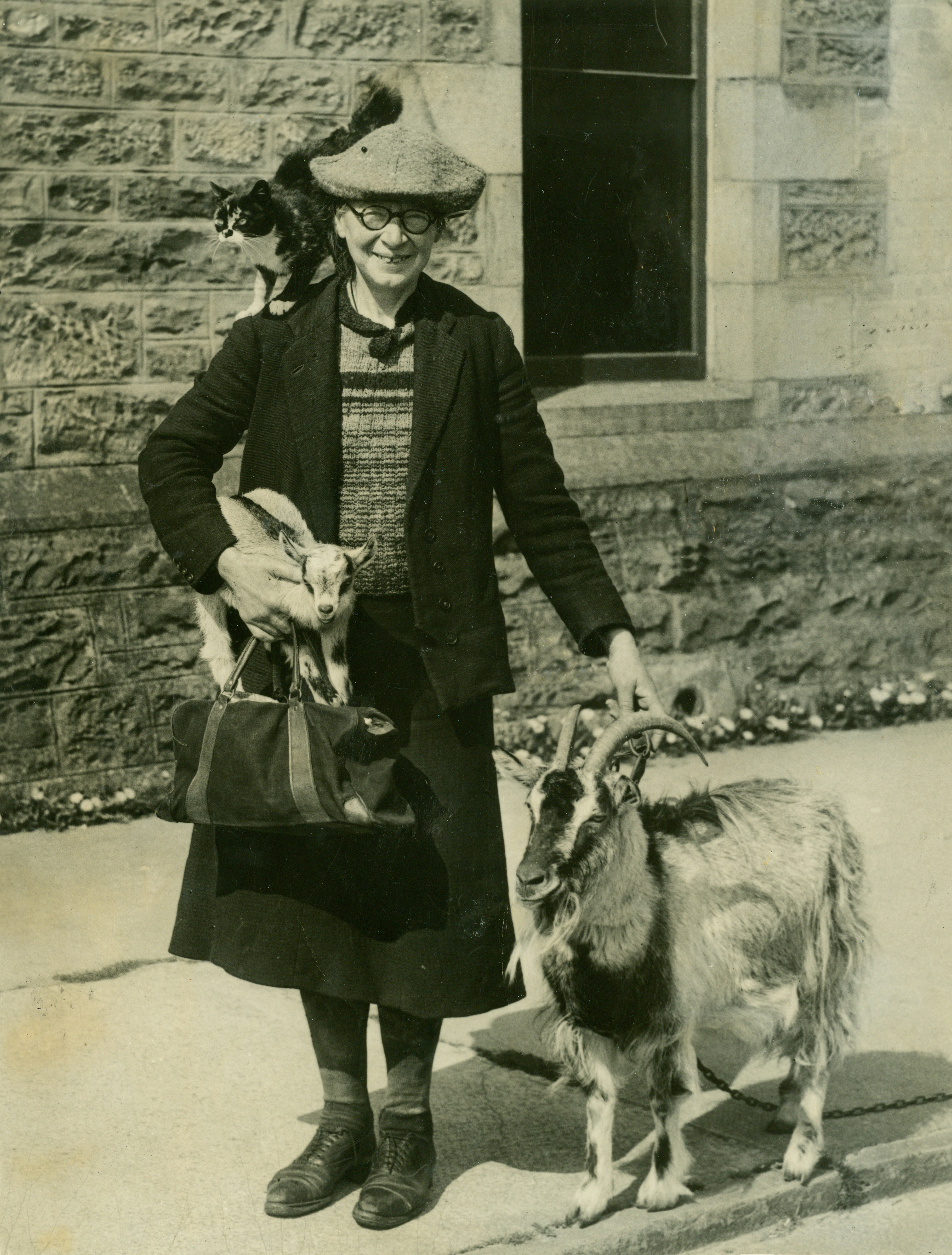
The museum's journey began in the 1930s, thanks to the vision and determination of Isabel F. Grant (1887–1983). Inspired by folk museums she had seen across Europe, Grant was driven by a clear purpose – to preserve the rapidly disappearing ways of Highland life. By 1935 she had amassed a collection of artefacts she thought worthy of preservation for generations to come – and just one year later in 1936 – she was able to open the doors of a small museum on Iona, off the coast of the Isle of Mull.
She named the museum Am Fasgadh, Gaelic for "The Shelter". Her goal was simple yet powerful – to ensure that "the old setting of our daily life… be saved."
A collection in search of a home
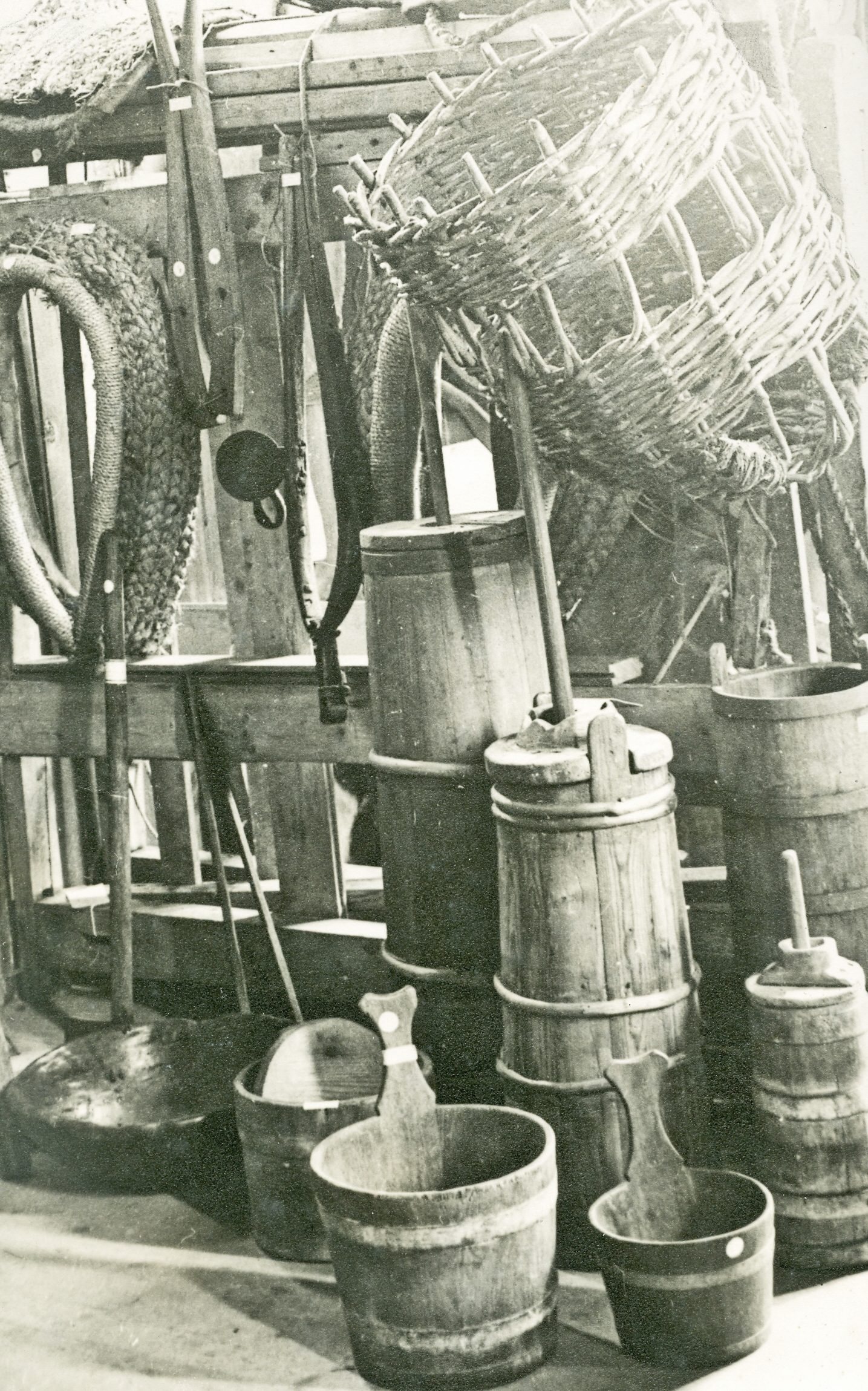
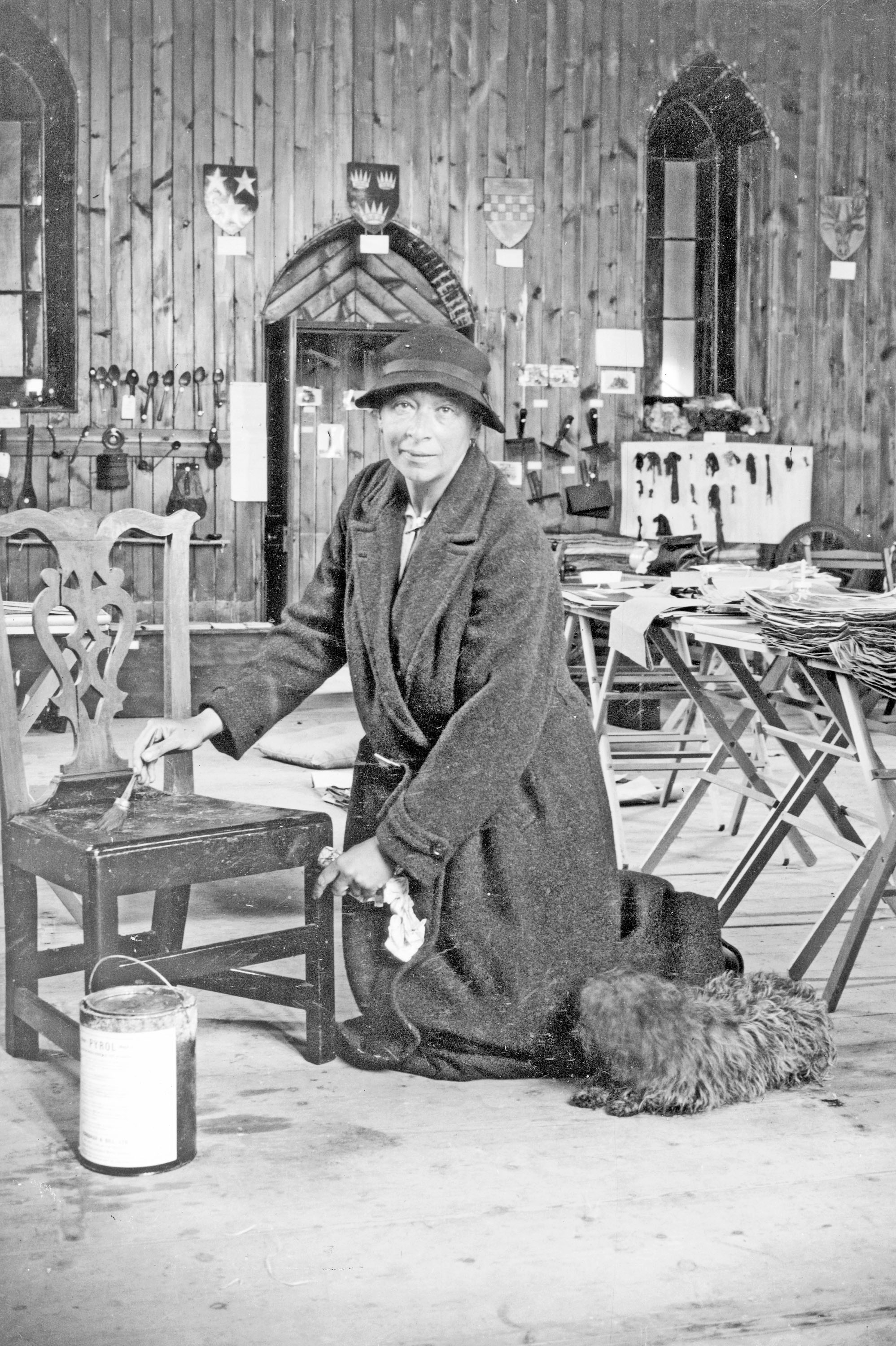
Grant collected everyday objects, tools and artefacts that told the story of Highland communities at a time of significant change. However, it quickly became clear that the collection needed more space. By 1939, the museum had outgrown its home on Iona and was moved to a disused church in Laggan, where it remained for the next five years.
Determined to establish a permanent base once and for all, Grant purchased land in Kingussie in 1943 and on 1 June 1944, the Highland Folk Museum in its new Badenoch location, opened its doors to the public.
Britain's first open-air museum
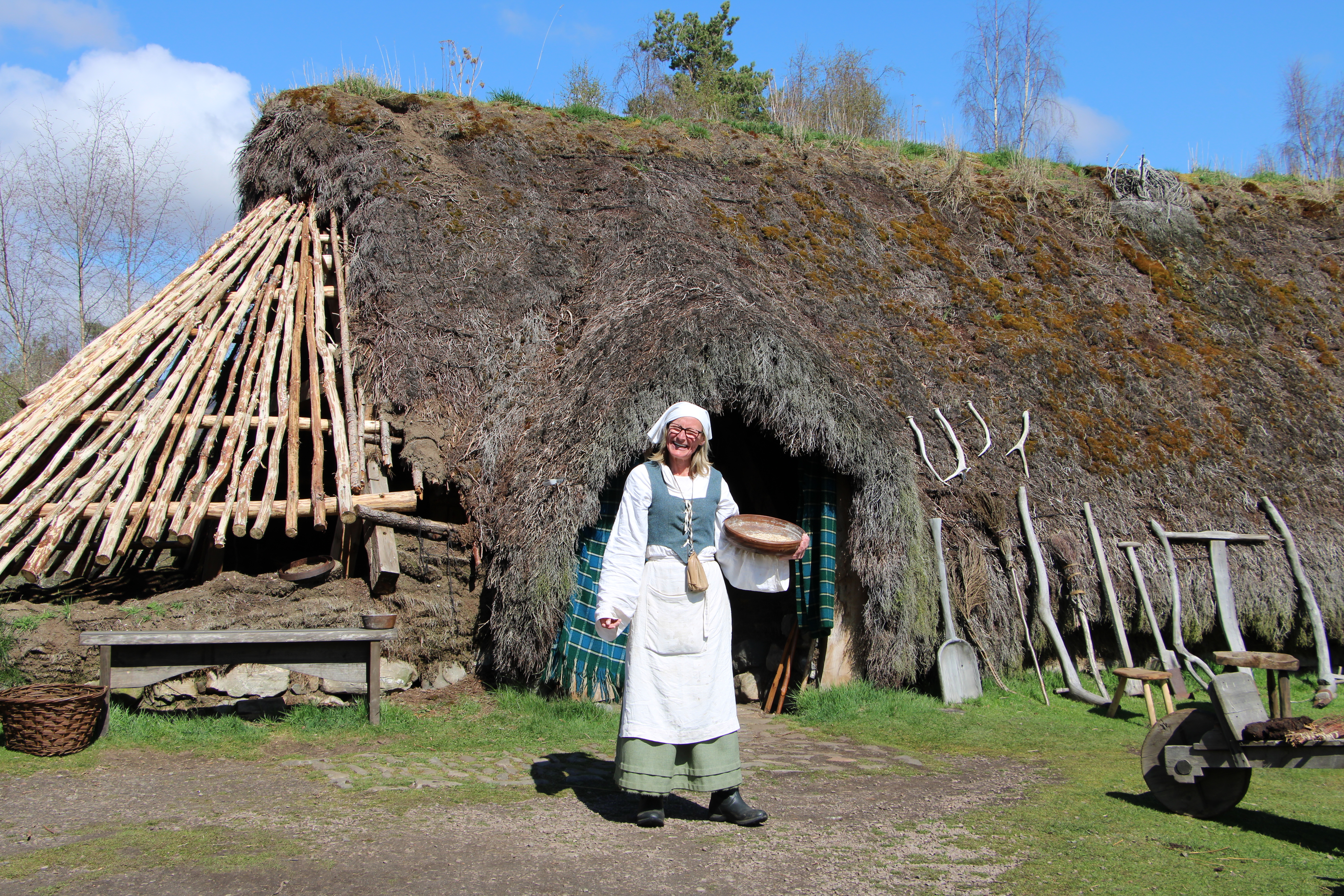
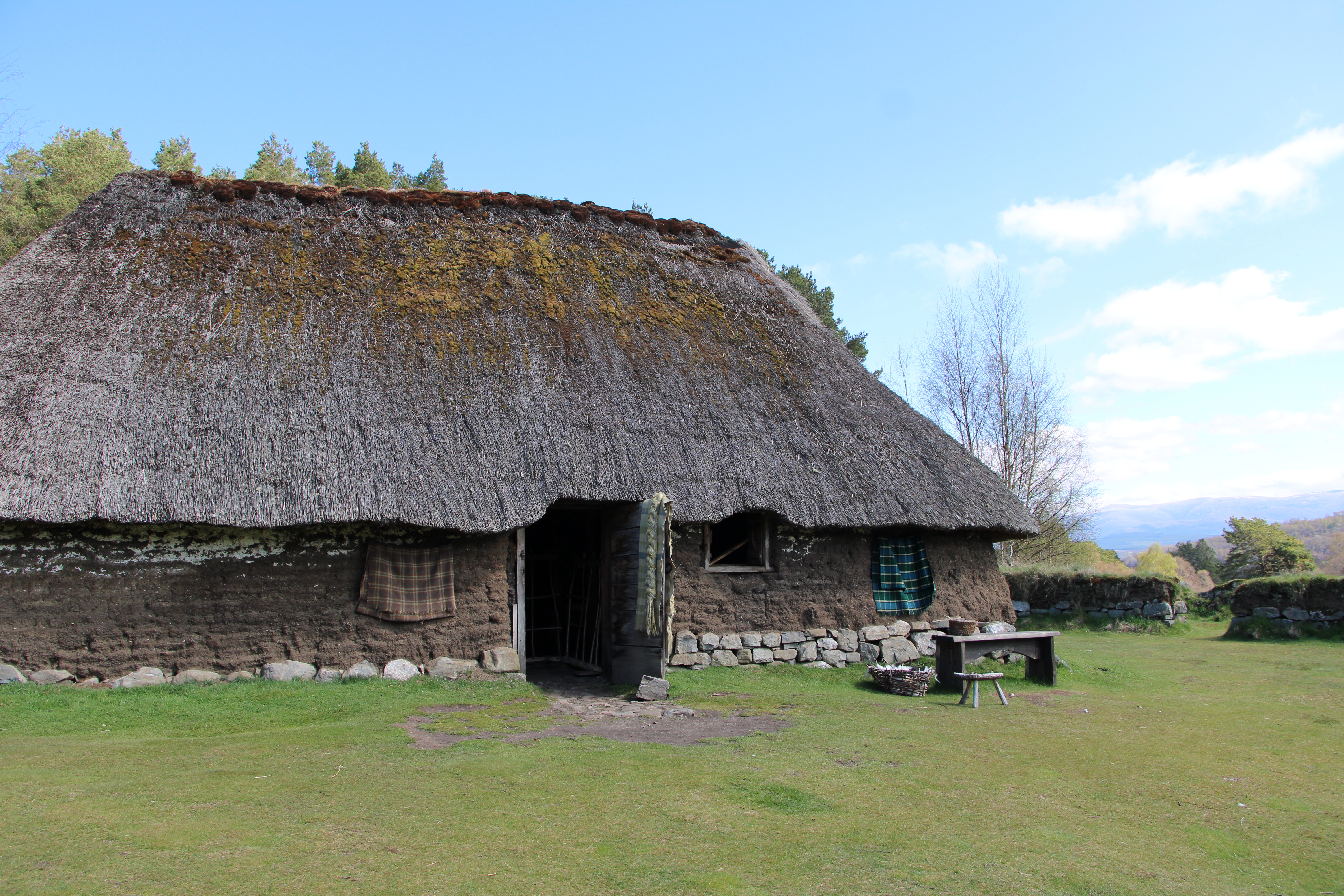
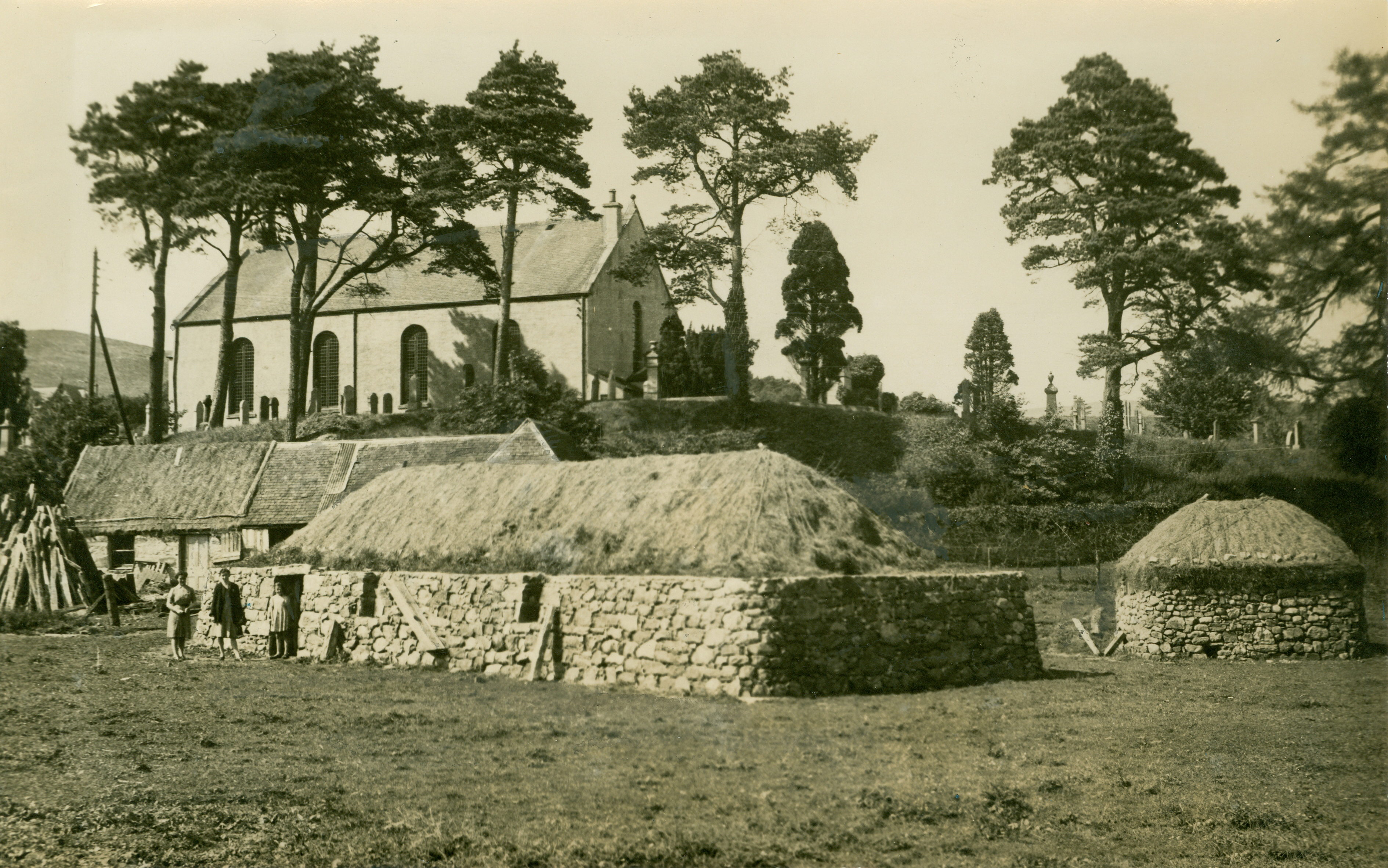
At Kingussie, the museum began to take on the character we recognise today. Grant introduced replica buildings, including a Hebridean blackhouse and traditional Highland cottages, bringing her vision of a "living history" museum to life. Visitors could step into the past and experience how people lived and worked across the Highlands.
This innovative approach made the museum mainland Britain's first open-air museum, setting a standard that many others would later follow.
Growing into Newtonmore
After Grant retired in 1954, the museum entered a new phase under the care of a trust formed by Scotland's four ancient universities. Later, in 1975, ownership passed to the Highland Regional Council, opening the door to further expansion.
A major development came with the creation of a new 80-acre site at Newtonmore, just a few miles from Kingussie. Opened in 1987, this site transformed the scale and ambition of the museum.
Today, visitors can explore four distinct areas:
- Aultlarie Croft, a working 1930s farm
- Balameanach, a reconstructed Highland community
- The Pinewoods, offering a natural woodland setting
- Baile Gean, a recreation of an early 18th-century township
For many years, the Newtonmore and Kingussie sites operated side by side, until the Kingussie site finally closed in 2007, consolidating the museum's future at Newtonmore.
Caring for the collection
The museum's commitment to preserving Highland heritage continues behind the scenes as well as in its outdoor exhibits.
In 2013, a purpose-built collections store – reviving the name Am Fasgadh – was opened. Today, it houses more than 10,000 artefacts, alongside a conservation lab, research facilities and archive spaces. Visitors can even explore the collection through guided tours, offering a unique glimpse into how history is cared for and studied.
Recognition of the museum's importance came in 2015, when its entire collection was awarded Recognised Status as part of a national scheme celebrating Scotland's most significant cultural collections. It also remains an Accredited Museum, meeting high professional standards, most recently reaffirmed in 2024.
The museum supports Intangible Cultural Heritage history through its "living history" model, providing engaging, hands-on activities for visitors and promoting and showcasing traditional crafts in action such as spinning and dying of wool, basket weaving and thatching.
90 years and still going strong
As Isobel Grant's Highland Folk Museum celebrates 90 years, it stands as a testament to her original vision. What began as a small collection on Iona has grown into a nationally important institution, welcoming visitors from around the world. It even featured in Season 1 of the hugely popular television series Outlander!
At its heart, the museum continues to do exactly what Grant intended, preserving the stories, skills and spirit of Highland life so they can be experienced and appreciated for generations to come.
Whether you're stepping inside a thatched cottage, wandering through a recreated township, or discovering artefacts in Am Fasgadh, every visit offers a chance to connect with the past in a meaningful and memorable way.