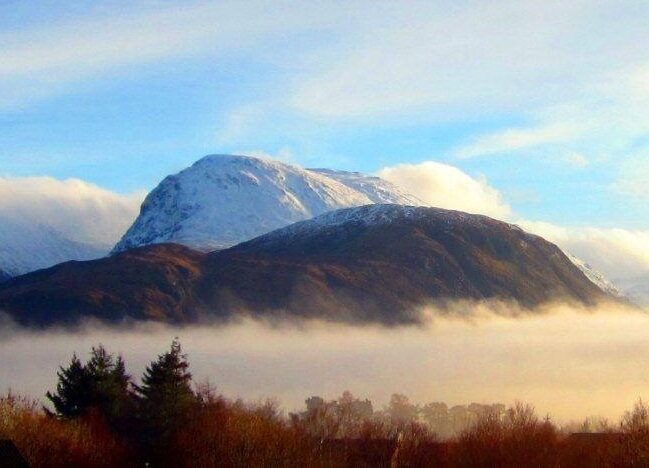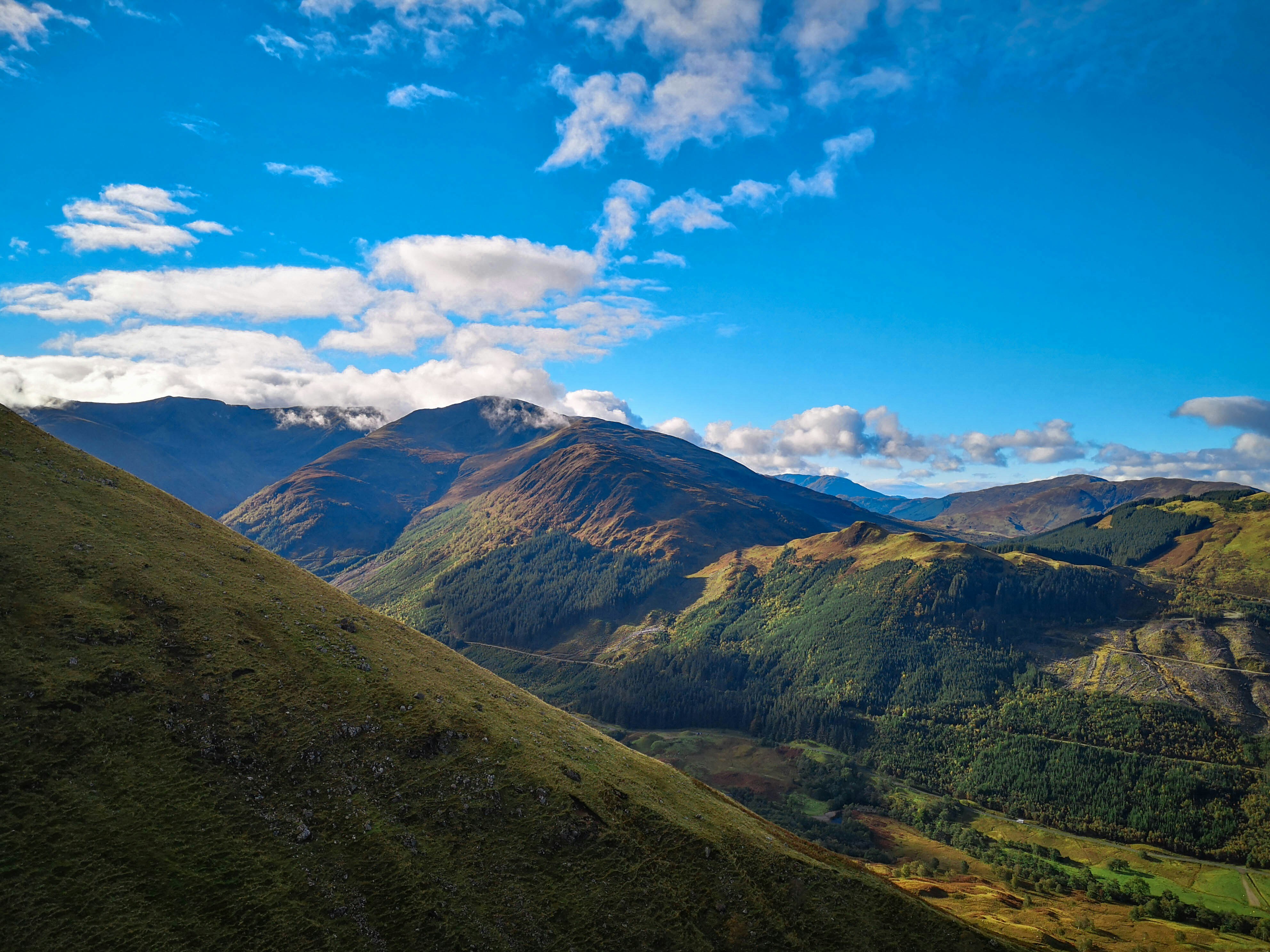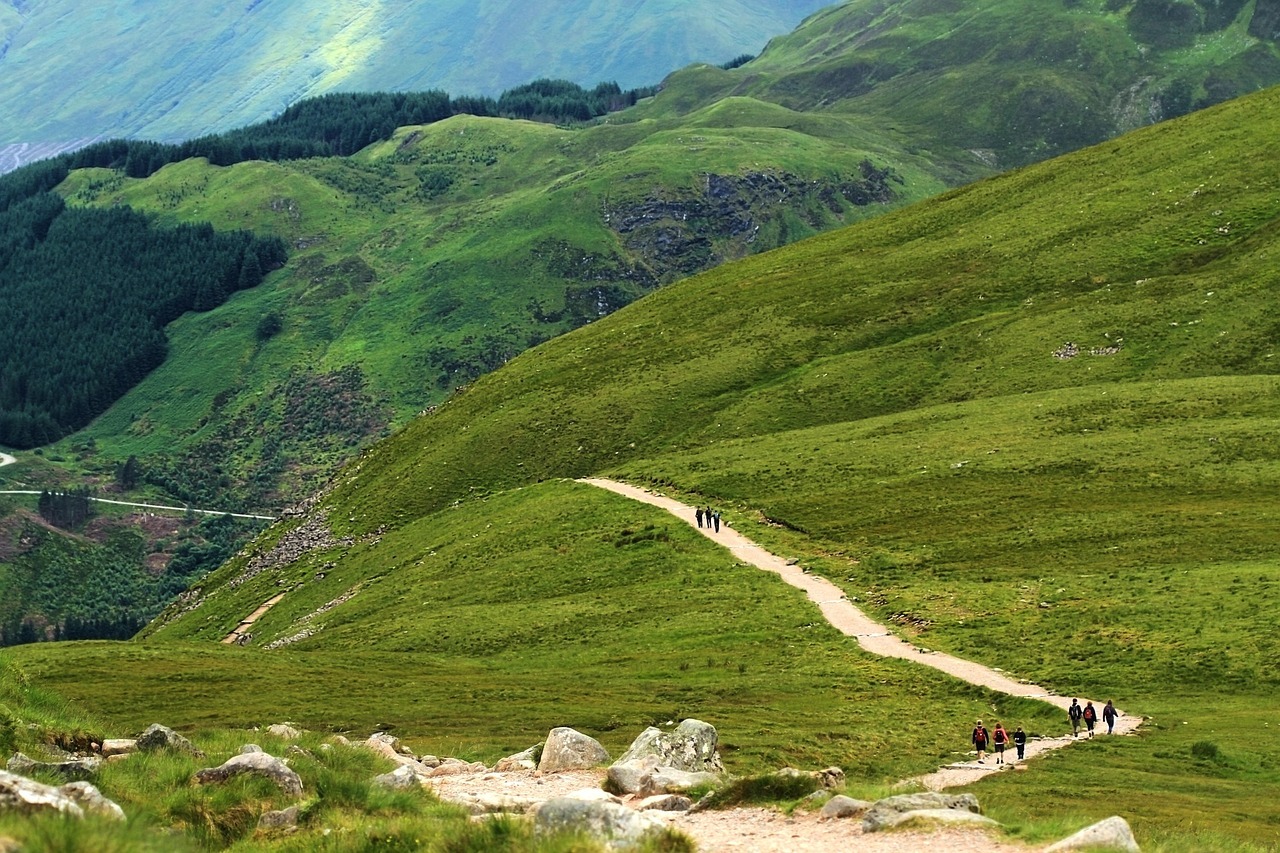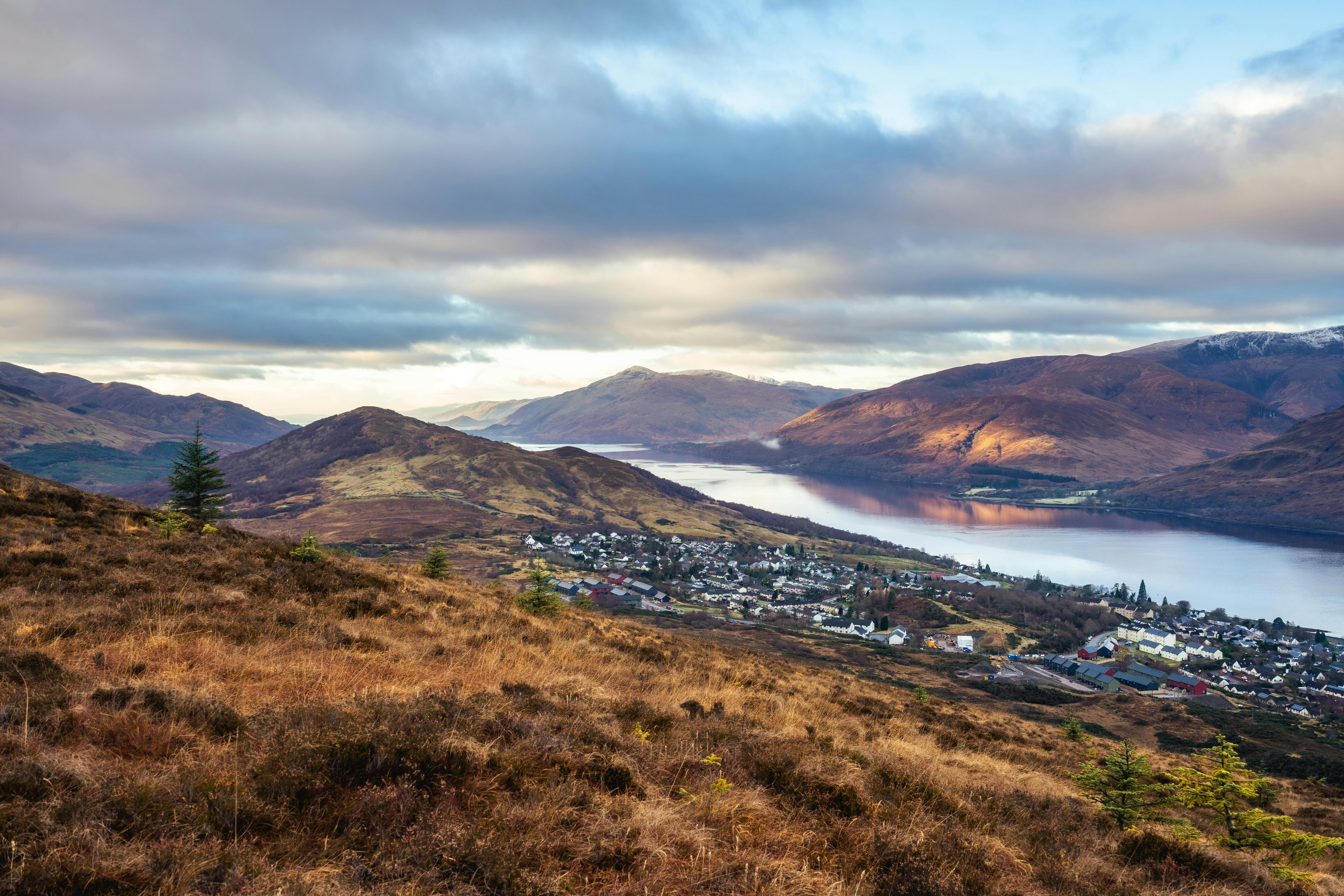










Glen Nevis is home to an extraordinary range of wildlife, shaped by thousands of years of natural change, human influence, and the unique Highland landscape. Some animals that once roamed the glen have long disappeared, while others—along with a colourful variety of plants—continue to thrive in its forests, rivers, moorlands, and mountain slopes.
Wildlife of the Past
Many species once found in Glen Nevis no longer survive in Scotland. These animals lived here for centuries before eventually disappearing through hunting, habitat loss, or changes to the landscape.
Wolves
Once common across the Highlands, wolves fed on red deer, small mammals— and, according to legend, even the occasional human. Feared and frequently hunted, they disappeared from the Glen Nevis area by the 18th century.
Wild Boar
Bones found in the Highlands show that wild boar could weigh up to a quarter of a ton. They were last known in Glen Nevis during the 17th century.
Northern Lynx
Europe’s only native big cat still survives in Scandinavia, but in Scotland it was likely hunted to extinction by Neolithic communities. The last known lynx in the Glen Nevis area lived around the 3rd century.
Beavers
Prized for their waterproof pelts and also hunted for meat, beavers once lived across the Highlands. They disappeared from Glen Nevis in the 16th century.
Brown Bears
Once widespread, brown bears were hunted for their fur and meat. They vanished from the Glen Nevis area by the 10th century.
Wildlife Today
Despite these historic losses, Glen Nevis remains a thriving habitat for many species. From majestic red deer to rare butterflies and soaring golden eagles, the glen is alive with wildlife throughout the year.
Land‑Dwelling Animals
Red Deer
The most familiar large mammal in Glen Nevis, red deer are the fourth‑largest deer species in the world.
- Stags are large, with impressive antlers.
- Hinds are smaller and antler‑less.
In summer they roam freely across the hills; in winter they move to lower ground, bringing them closer to people. With no natural predators (wolves were their last), professional culls are sometimes needed to manage herd size and protect woodlands, farmland, and road safety.
From late summer into early winter, the glen fills with the dramatic roars of the rut, when stags compete for mates in fierce displays of strength.
Foxes
Far less bold than their city cousins, foxes in Glen Nevis are shy and mostly nocturnal. Sightings are rare unless you're out after dark.
Badgers
Another elusive nocturnal species, badgers live in complex underground setts dug into firm soil. With poor eyesight but an excellent sense of smell, they forage at night. Their young are called kits.
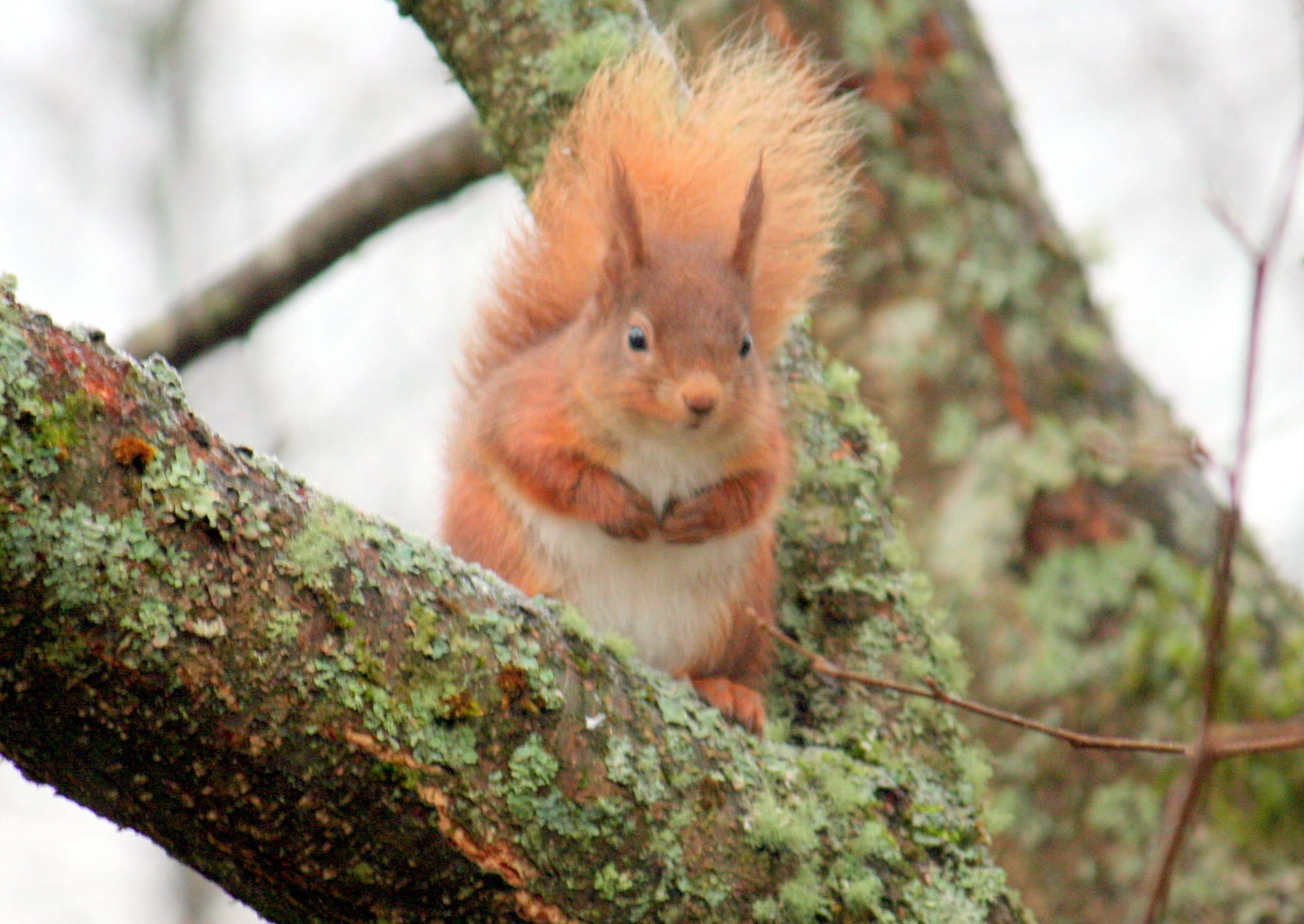
Red Squirrels
Thanks to the absence of invasive grey squirrels, native red squirrels are thriving. They don’t hibernate; instead they venture out in winter to eat food stored during the summer. They live in dreys, and their young are called kittens.
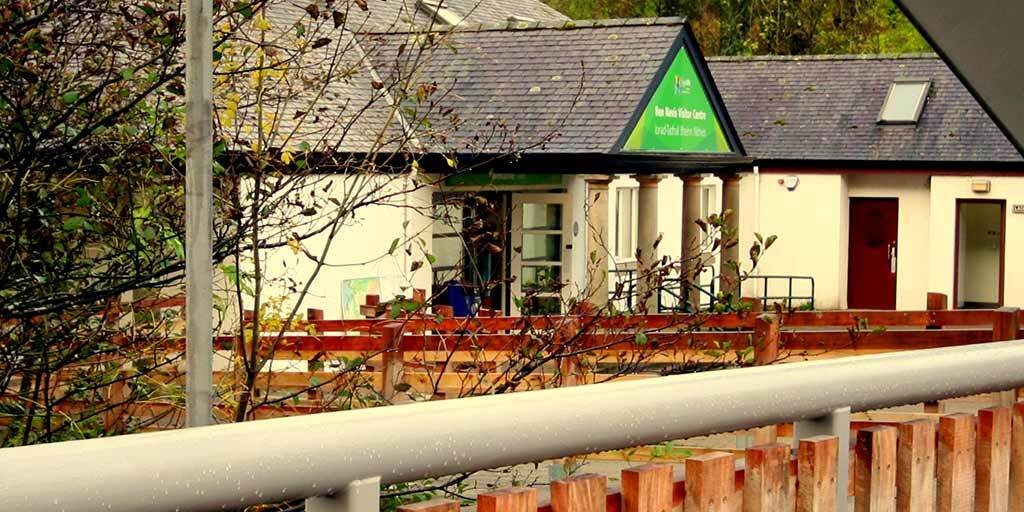
The glen has several squirrel feeders—ask at the Visitor Centre for the best places to spot them.
Otters
Shy and difficult to see up close, otters live along the river and in nearby burns. Their dens, called holts, are close to water where they hunt fish and small reptiles. They are social animals and are often seen playing, especially with their pups.
Pine Martens
Slender, agile and cat‑sized, pine martens live in woodland and occasionally on rocky moorland. They have dark chestnut fur, a bushy tail, and a creamy throat patch. They eat everything from small mammals to birds and beetles.
Birdlife of the Glen
Golden Eagles
One of Scotland’s most iconic birds of prey.
Dark brown with golden head feathers, they soar on thermals above the glen, hunting hares, rabbits, and small mammals. Their cliff‑top nests are often used for decades.
Buzzards
Common throughout the Highlands, buzzards are frequently mistaken for eagles but are smaller and often seen perched on poles. They mainly eat carrion and earthworms.
Great Spotted Woodpeckers
Heard more often than seen, these birds are regular visitors to the Visitor Centre’s feeders—adults bring their chicks in season.
- Males have a red patch on the back of the neck.
- Juveniles have a red crown.
Snow Buntings
Large buntings with striking snowy plumage. Ben Nevis is home to around a third of Scotland’s breeding pairs.
Garden Birds
The glen hosts a wide variety of garden birds year‑round, including bullfinches and goldfinches. A live nest‑box camera at the Visitor Centre offers an inside look during the breeding season.
Insects, Butterflies & Dragonflies
Chequered Skipper
Extinct in England, this rare butterfly now survives almost entirely in Lochaber. Look for them in warm, sheltered woodland clearings from mid‑May to late June.
Peacock Butterfly
Unmistakable with bold eye‑spot markings, the peacock butterfly has been steadily expanding north and west and is now increasingly common in the glen.
Dragonflies
Abundant in summer, dragonflies glide along riverbanks and burns using two pairs of wings that beat far more slowly than bees.
They may hover nearby out of curiosity but cannot sting. Don’t confuse them with slimmer, delicate damselflies.
Plantlife of Glen Nevis
Glen Nevis supports a remarkably diverse range of plants and wildflowers. Some species are easy to spot along woodland paths and meadow edges, while others are rare treasures that thrive only in very specific Highland habitats. Here are just a few examples to inspire your exploration.
Wood Anemone
A true sign of spring, Wood Anemones open their white star‑shaped flowers only in sunlight and close again at night. They are common throughout Glen Nevis and add a delicate brightness to woodland floors.
Violets
These small purple flowers appear in early summer and have been prized for thousands of years—used medicinally by the ancient Greeks as far back as 4000 BC. Violets also play an important ecological role, providing essential food for the larvae of fritillary butterflies.
Common Spotted‑Orchid
Widespread across grassland, woodland edges and roadside verges, this orchid is one of the easiest to recognise. Its flowers range from pale pink to pink‑purple, decorated with darker streaks and spots. It blooms from June to August.
Lesser Butterfly‑Orchid
More elusive than its common cousin, the Lesser Butterfly‑Orchid favours undisturbed grasslands, moorland and old woodland. Its greenish‑white flowers have long, narrow lips and distinctive parallel pollen sacs. Spot them between May and July.
Butterwort & Sundews
Among the rarest—and most fascinating—plants found in Glen Nevis, these species grow in peat bogs and damp, nutrient‑poor soils. To survive, they have evolved into carnivorous plants:
- Their leaves are covered in sticky digestive enzymes that trap and dissolve insects (including midges!).
- This unusual adaptation provides the nutrients their environment cannot.
Sundews also have a long history in traditional herbal medicine, believed to contain natural antibiotic properties once used to treat coughs, fungal infections, and even tuberculosis.
Share your sightings
If you’ve been out exploring the glen and have any exciting wildlife or plant life sightings—or photos—you’d like to share, please pop into the Visitor Centre. We always love hearing what our visitors discover, and your observations help us build a fuller picture of the animals and plants thriving in Glen Nevis.