









A volcanic past
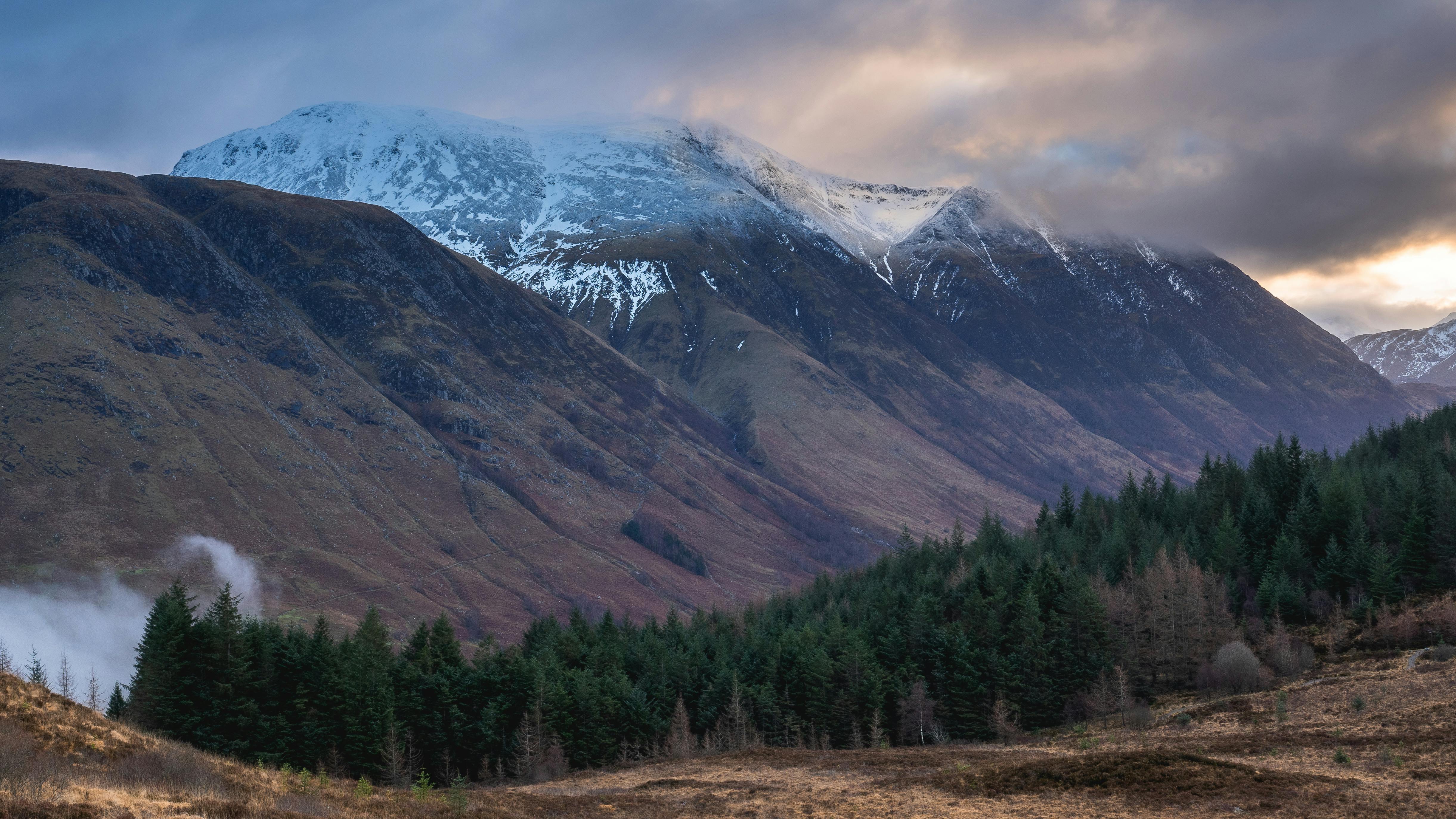
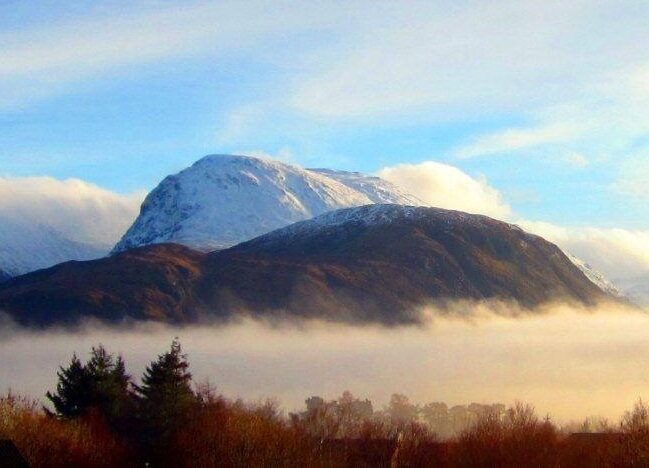
Around 410 million years ago, the summit rocks of Ben Nevis survived erosion because they collapsed into a chamber of molten granite magma. This dramatic event shaped the mountain we see today.
Rock formations along the path
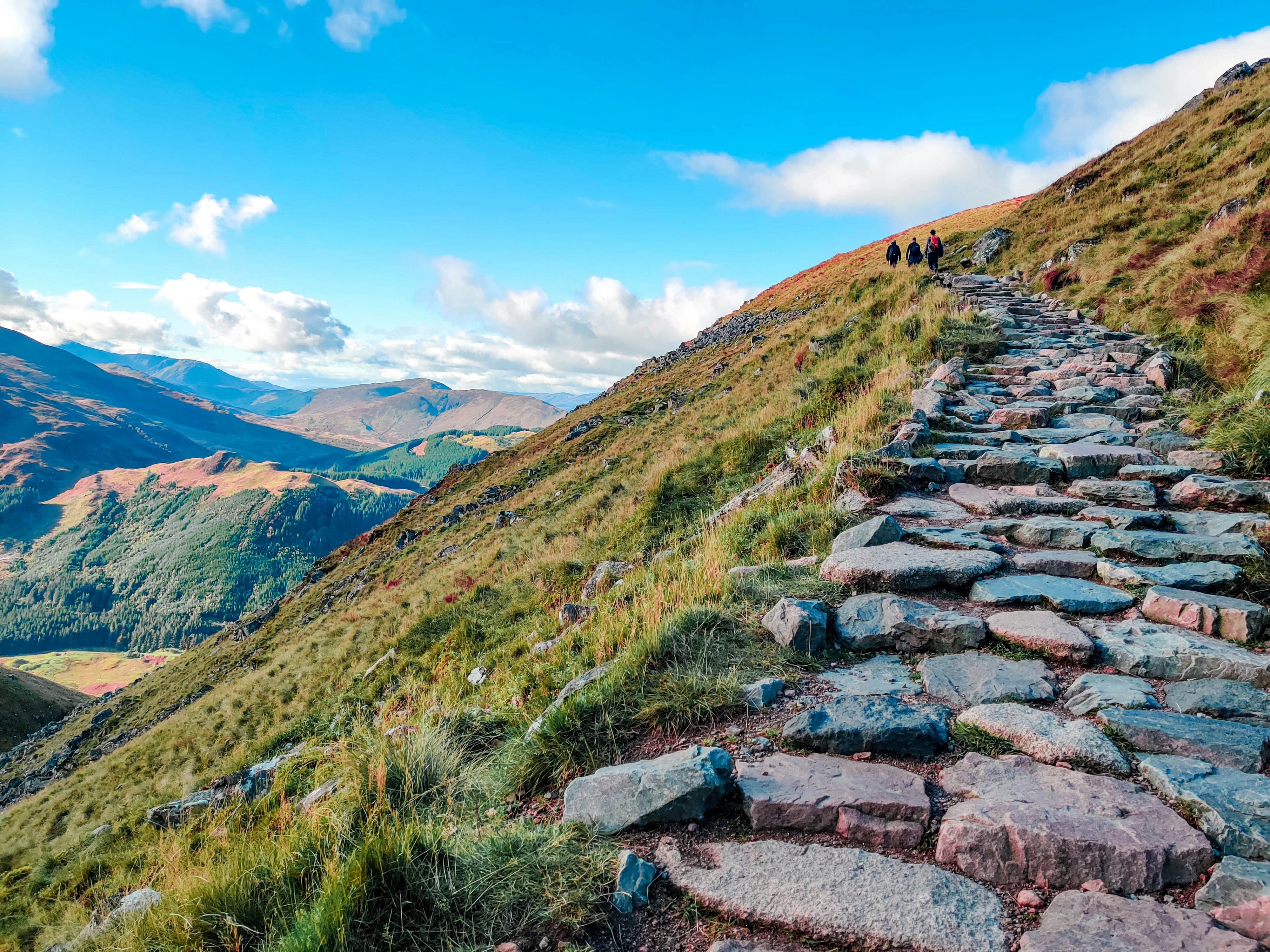
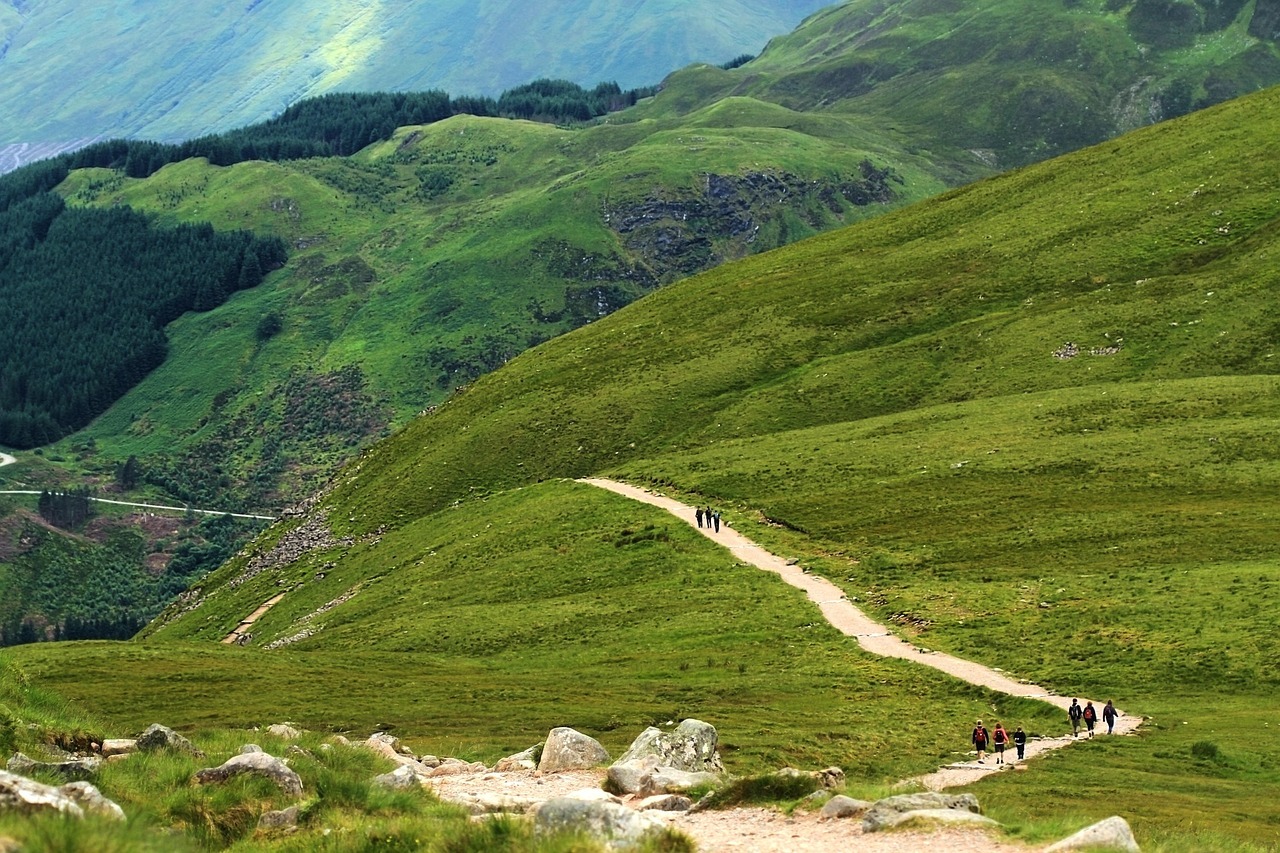
As you climb Ben Nevis, you’ll encounter a fascinating variety of rocks that reveal its geological history:
- Hornfels
About 600 metres from the stile at Achintee, on the east side of the path, you’ll find a small outcrop of hornfels. This metamorphic rock was originally impure limestone, transformed by intense heat into a pale green and white banded rock. - Quartz-diorite
Shortly after the hornfels, the path changes to quartz-diorite – a grey rock similar to granite. - Nevis Outer Granite
Where the path from the youth hostel meets the main route, you’ll see coarse-grained granite known as Nevis Outer Granite. Beyond the first two zigzags, several dark dykes cut through this granite. - Ben Nevis Inner Granite
Before reaching the lochan (Meall an t-Suidhe), the path crosses the Red Burn and turns southwards. Here, you’ll encounter Ben Nevis Inner Granite, a highly weathered rock visible along the first three major zigzags. - Volcanic rocks near the summit
At the top of the third zigzag, the rock changes to dark grey volcanic material, mainly andesite lavas. This marks the formation of the summit section – a 2 km-wide cylindrical block that sank into molten granite while still hot.
The caldera
The summit of Ben Nevis was once 600 metres higher than today. Its collapse into the granite chamber created a massive surface crater called a caldera. Explosive eruptions of frothy magma and hot ash eroded vast amounts of rock, leaving the dramatic landscape we know now.
When you stand on the summit, you are directly above the centre of this ancient caldera – a reminder of Ben Nevis’s fiery origins.