









A landscape shaped by nature and history.
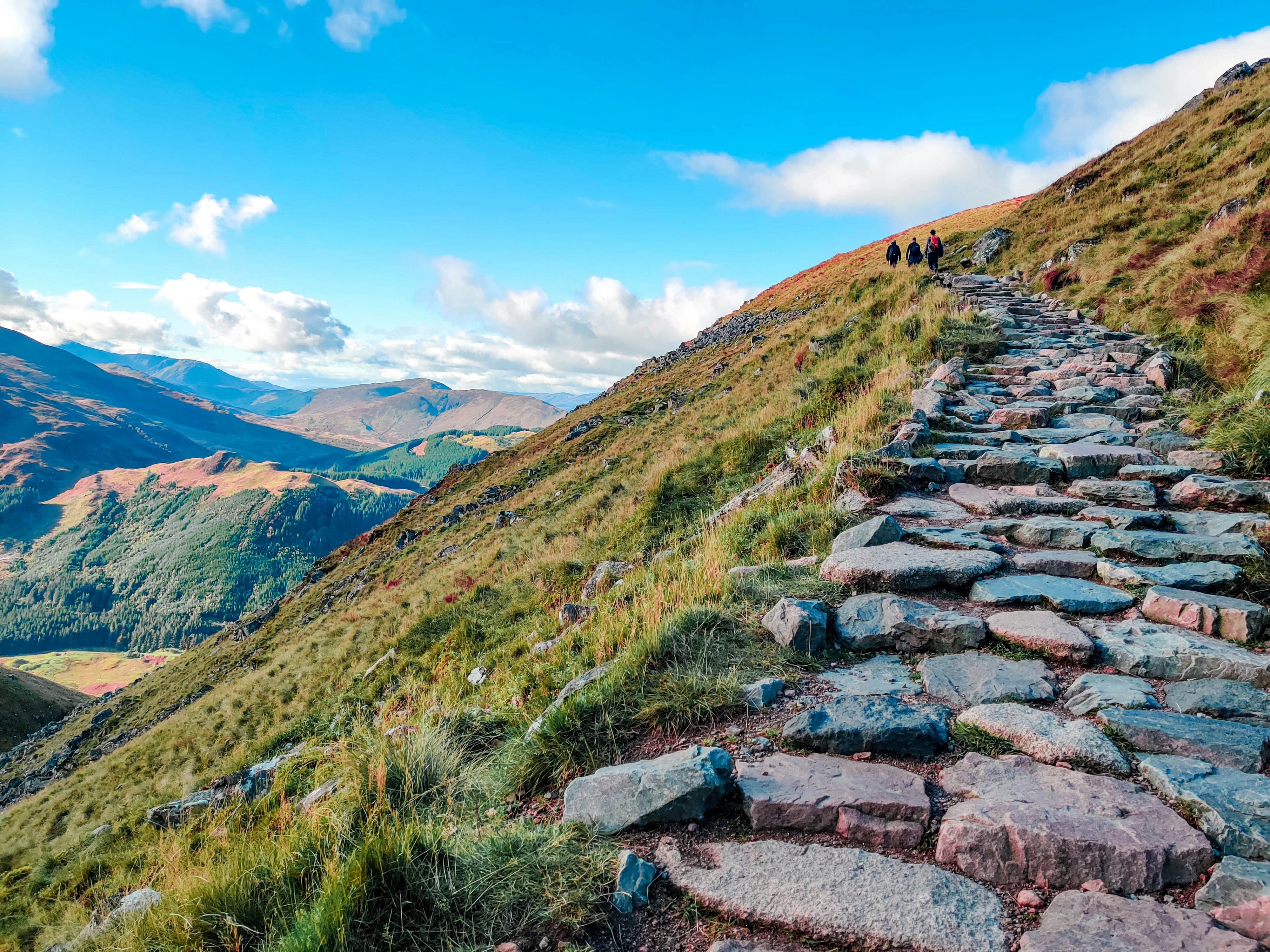
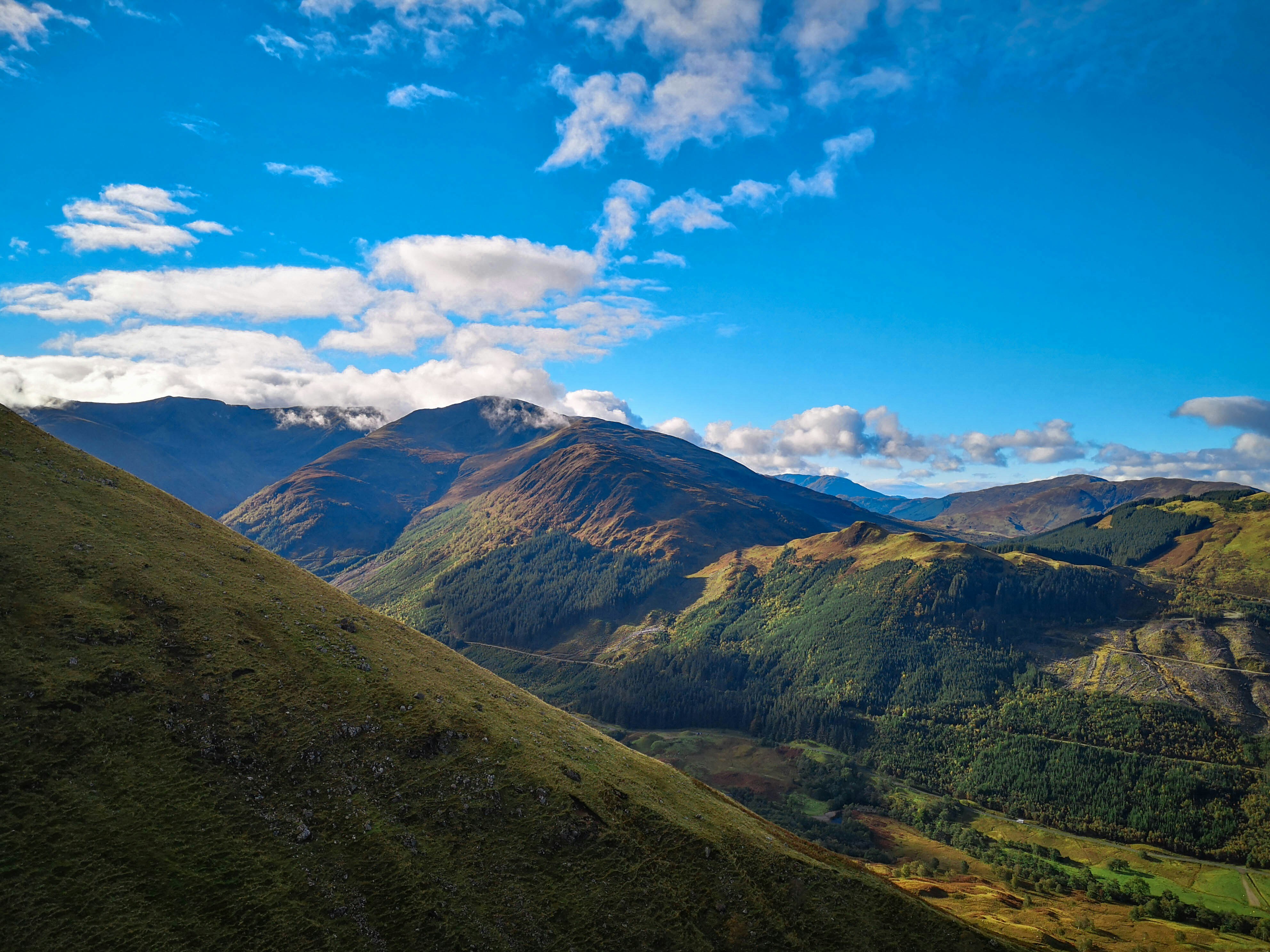
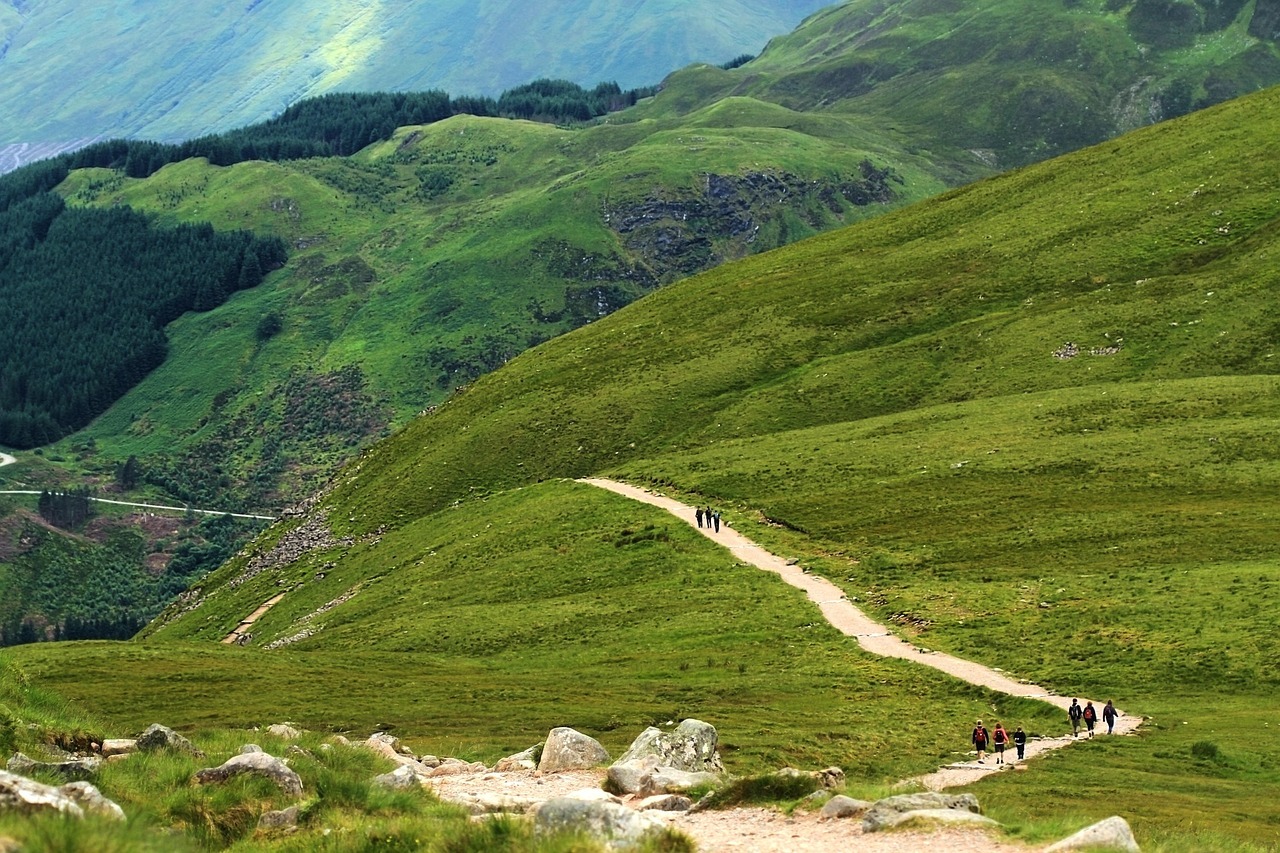
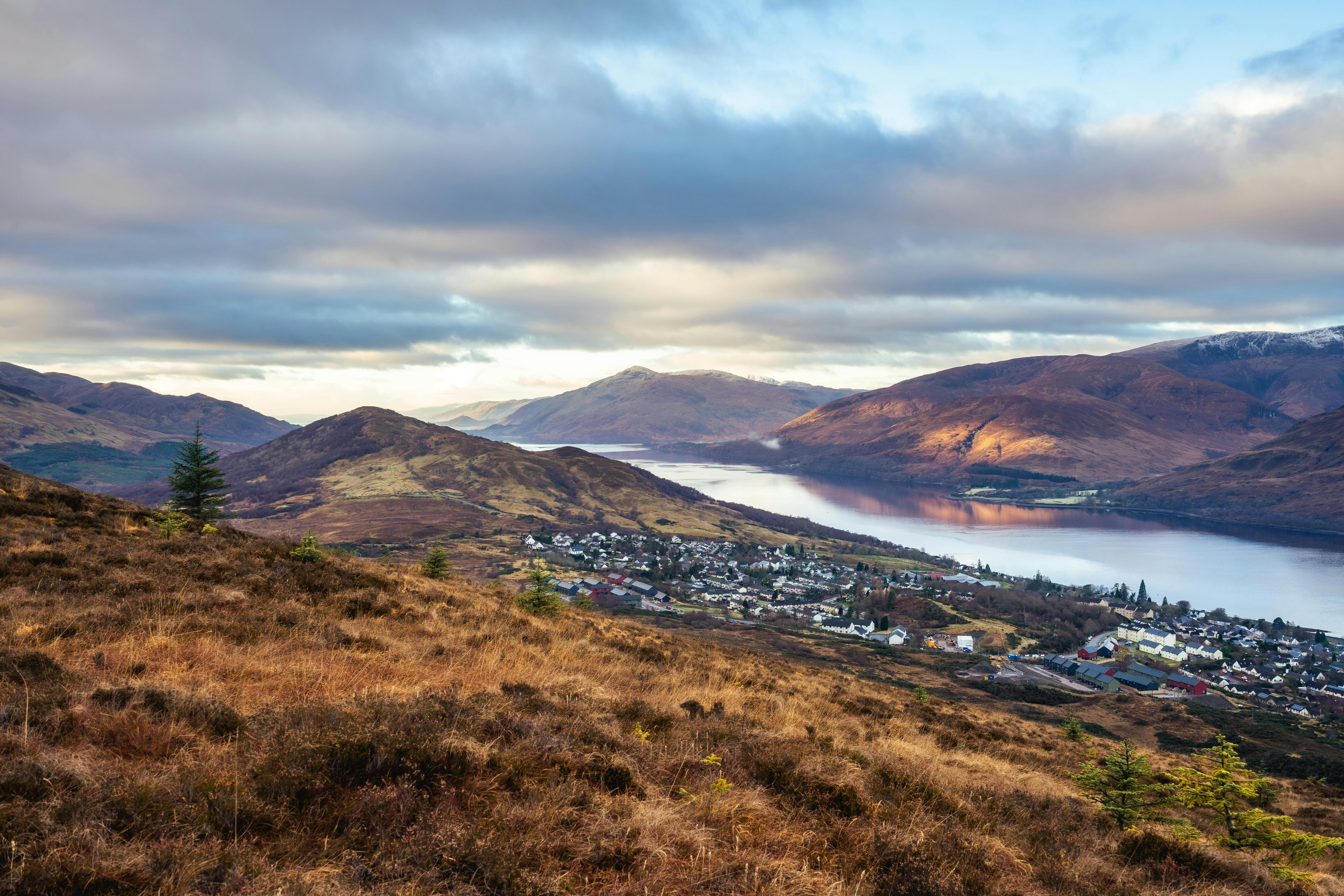
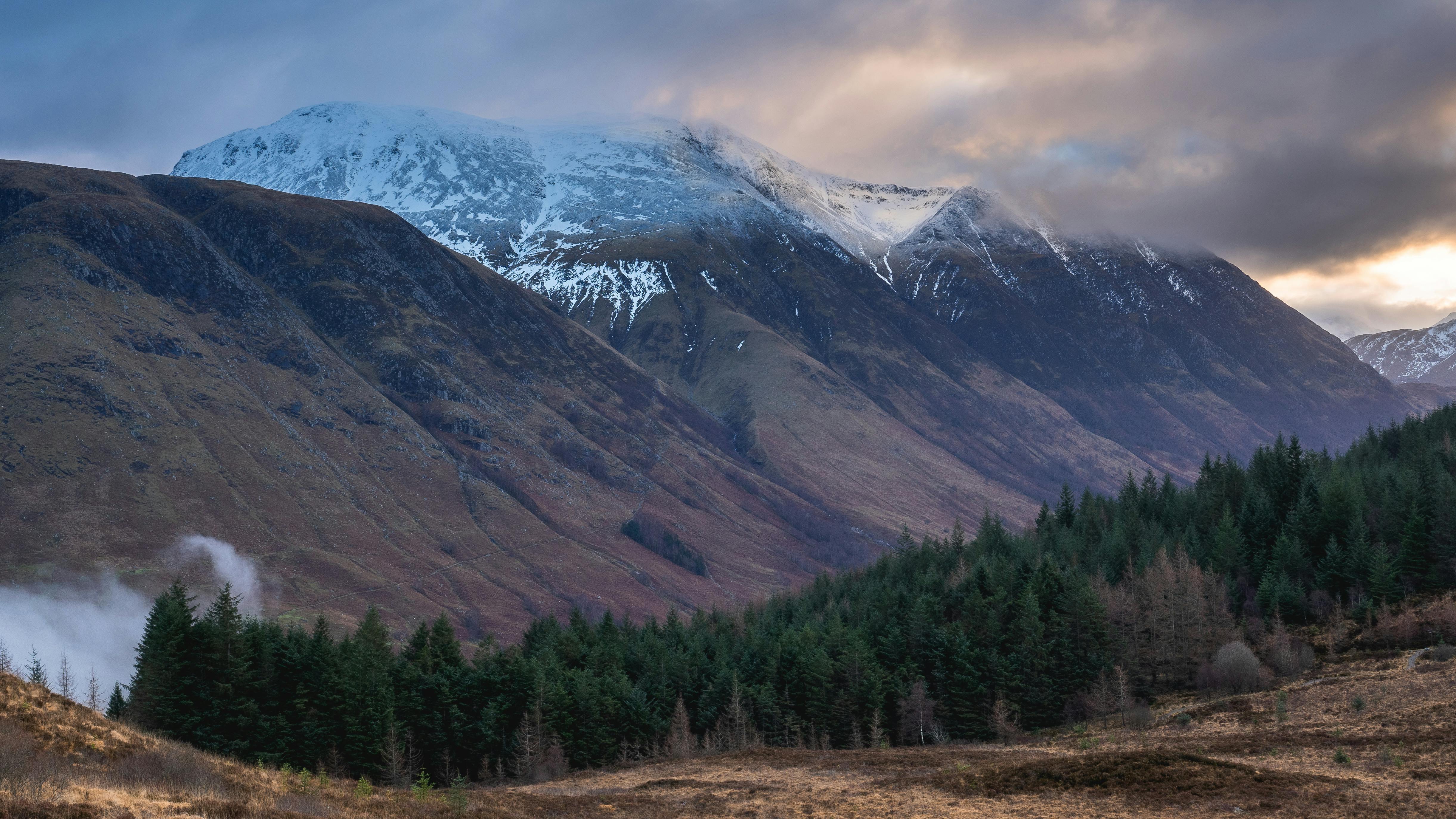
Glen Nevis is one of Scotland’s most beautiful and historically rich glens. Surrounded by towering peaks, deep forests, and the rushing River Nevis, the area is home to thousands of years of human stories and remarkable natural features.
The meaning behind the place
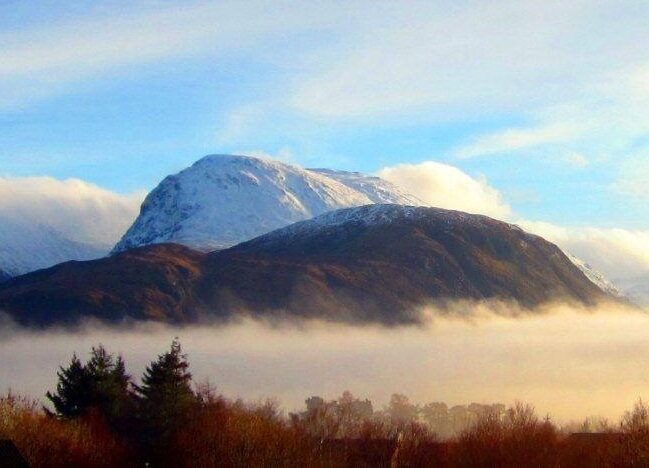
Glen Nevis takes its name from the River Nevis, which flows from the heart of the Mamores and through the valley before reaching Fort William. The name “Nevis” is often linked to meanings such as “heavenly” or “cloud‑touched”, reflecting the dramatic and changeable weather that sweeps through the glen.
A landscape of ancient settlements
High above the valley lies Dun Deardail, an impressive Iron Age fort perched on a steep knoll overlooking the glen. Over 2,000 years old, this vitrified fort was built using wood, peat, and stone—materials fused together by intense heat. It offers a striking reminder of the early communities who made their homes in Glen Nevis.
Clans, conflict, and folklore
Glen Nevis has long been woven into the wider story of the Highland clans.
Two major battles took place at the mouth of the glen—one in the 15th century and another in the 18th century. During this era, the glen was held by a branch of the Clan Cameron. Although they did not take direct part in the 1745 Jacobite Rising with Bonnie Prince Charlie, government troops still raided the area.
Several places within the glen still bear names linked to this turbulent time:
- The Soldiers’ Pool – a spot near the river used by troops stationed in the area.
- The Soldiers’ Seat – a lookout point above the River Nevis where redcoats watched for Jacobite activity.
- Samuel’s Cave – a shelter at the entrance to the gorge where children were hidden from soldiers during the harsh winter months.
Echoes of the past
History remains visible throughout Glen Nevis.
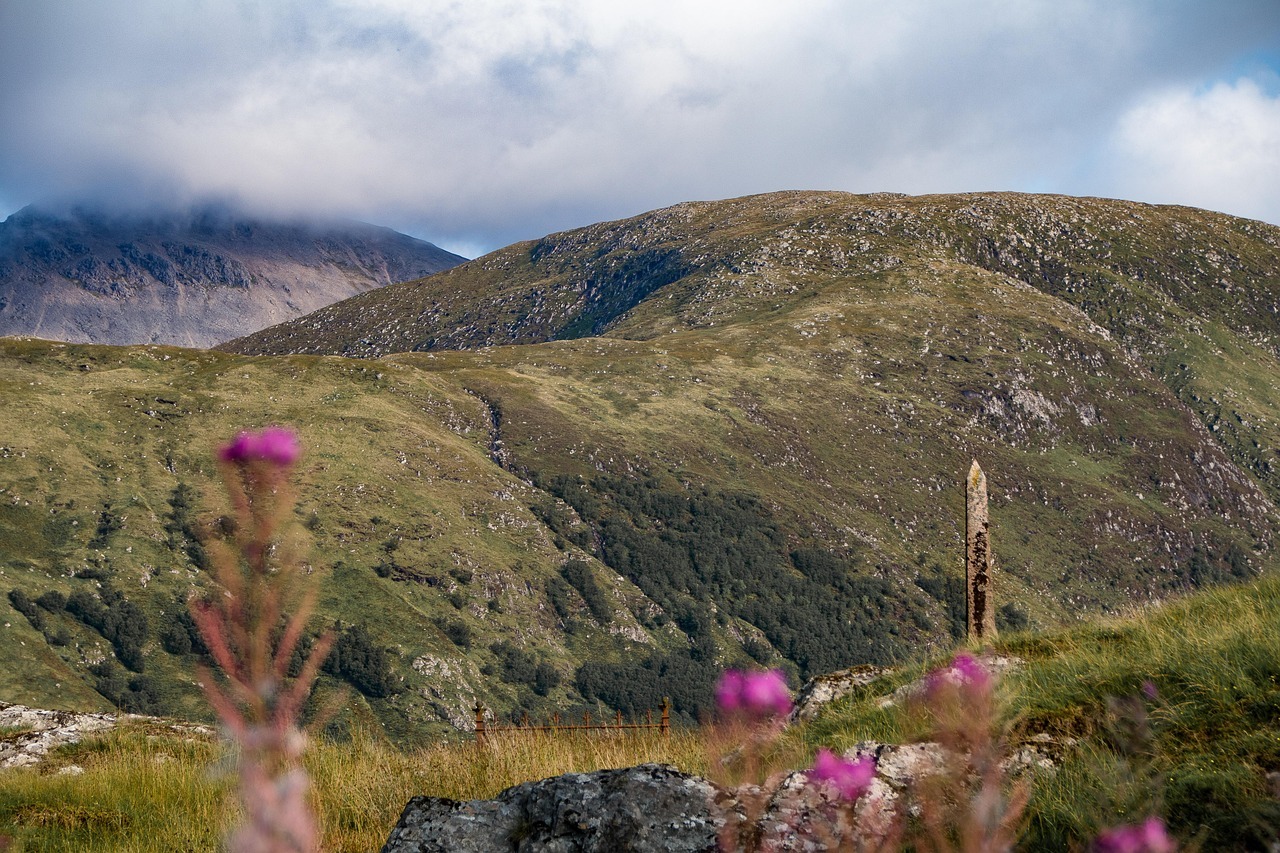
Just beyond the Soldiers’ Pool lies Ach‑na’n‑con, the old Cameron burial ground—an atmospheric reminder of the families who lived in and shaped the glen over centuries.
Nearby sits Dun Dige, a grassy mound beside today’s youth hostel. This site marks the location of the former home of the head of the Camerons of Glen Nevis, connecting the present landscape with its long lineage of clan leadership.