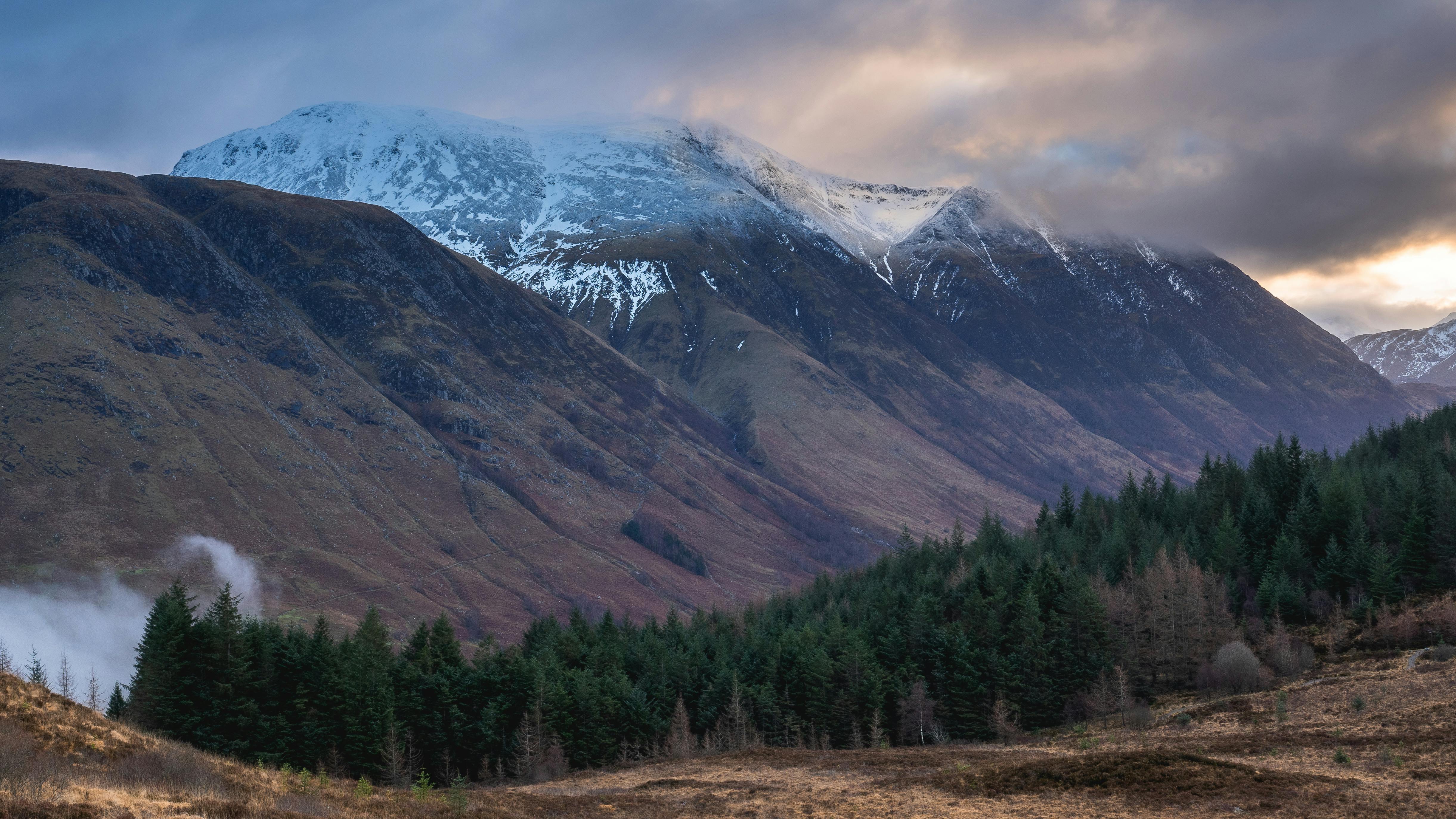






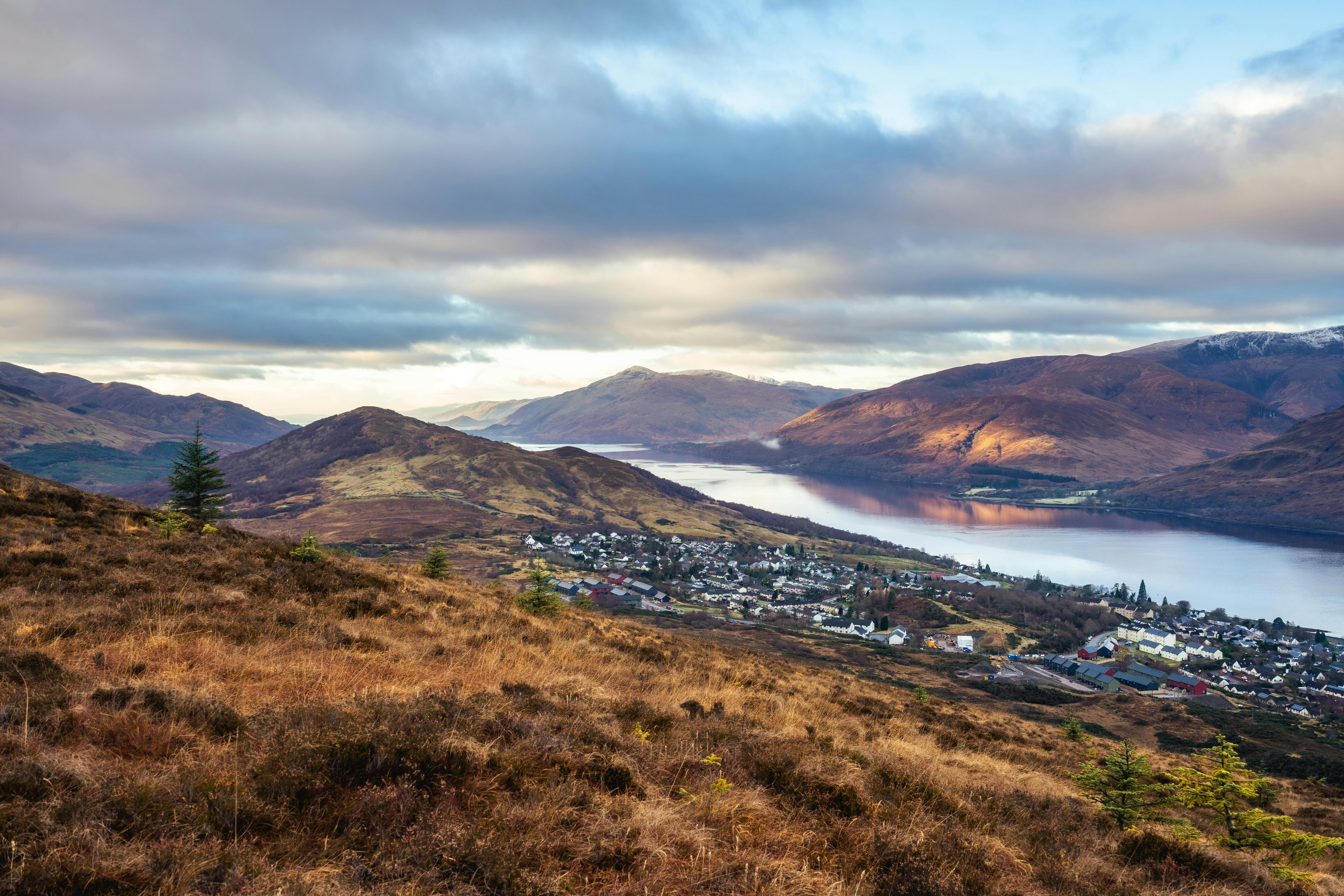
Glen Nevis has a long and varied history shaped by ancient traditions, industry, clan heritage, and the dramatic Highland landscape. From Iron Age forts to wartime stories and centuries‑old legends, the glen is rich with clues to its past.
Changing Ffrests
Visitors often ask why so many trees in the glen are being felled. Much of the woodland surrounding Glen Nevis was planted with non‑native species by the Forestry Commission for quick‑growing commercial timber.
Historically, the glen – like much of the Highlands – was covered by vast forests of native Caledonian pine. These woodlands were heavily cut during the First World War to supply pit props for the trenches, leaving a lasting impact on the landscape.
Charcoal burning in the Highlands
On the hillside above the Steall car park lie the remains of around 20 charcoal‑burning platforms, with many more once scattered throughout the glen. Active from around 1750 to the late 19th century, these platforms produced charcoal for iron foundries in Argyll and formed a key part of local industry.
Farming & traditional estate life
Over time, industry in Glen Nevis shifted towards estate work and farming. The rugged terrain is well suited to black‑faced sheep, while Highland cattle are still a common sight—confidently roaming the glen, often taking charge of the roads. These animals are usually gentle and famously photogenic, but visitors should keep a respectful distance, especially when calves are present.
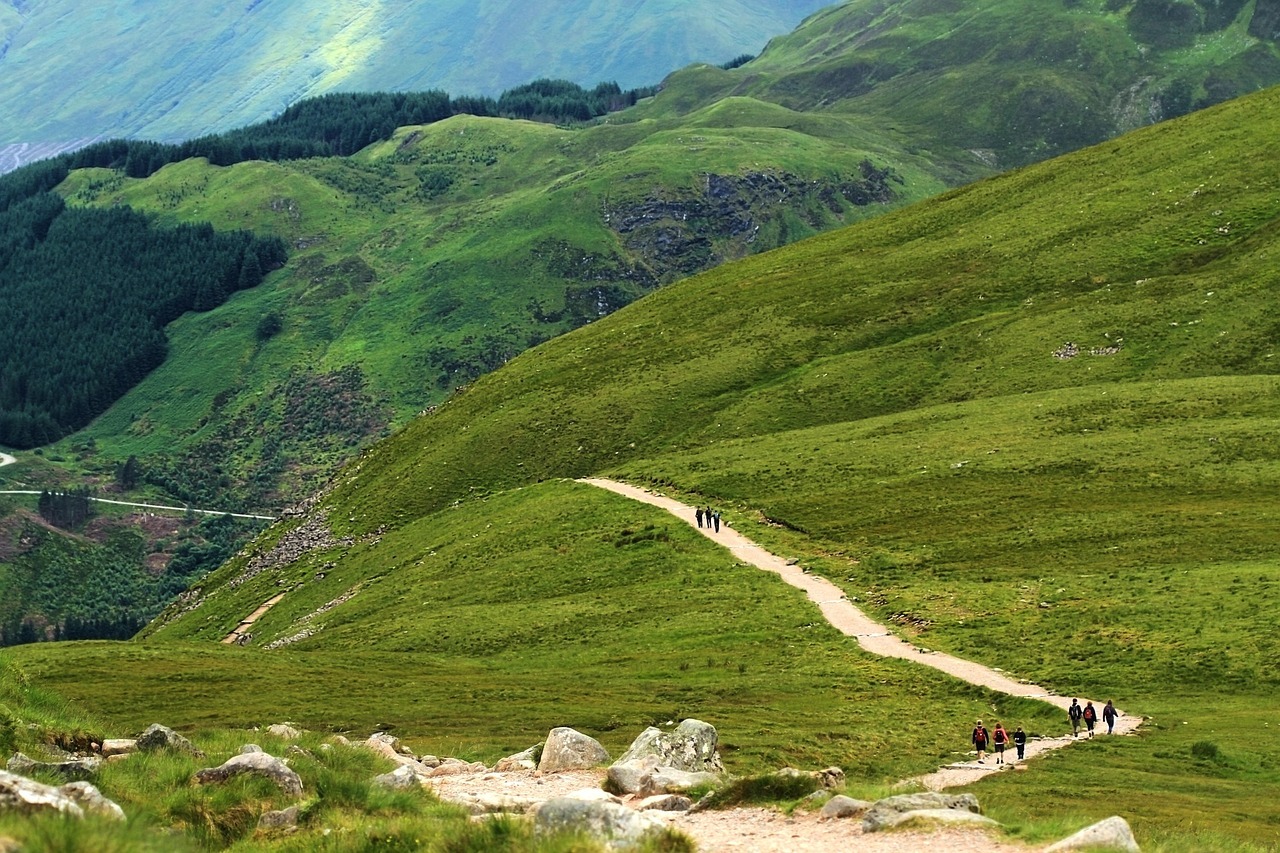
Walking out towards Steall Falls, you can see the ruins of an old farming settlement, a reminder of the generations who made their living here.
Fishing on the water of Nevis
Fishing in the River Nevis has long been overseen by the estate. The river is known as a traditional salmon run, once fiercely protected by bailiffs with a formidable reputation.
One local tale tells of three poachers who were supposedly hanged with their own nets at the Roaring Mill. Today, catches are mainly brown trout, and fishing permits provide a valuable source of income rather than conflict.
Tourism takes the lead
While forestry and farming continue, tourism is now the glen’s main industry. Glen Nevis Holidays operates a large caravan and camping park, holiday lodges, cottages, a restaurant, and a café—offering modern hospitality within this ancient landscape.
Peat‑cutting & The Burial Path
Peat has long been a vital source of fuel in Highland crofts. The Peat Track, now part of the Cow Hill Circuit, was once an area where peat was traditionally cut. Its slow‑burning nature can keep forest and moorland fires alight for days.
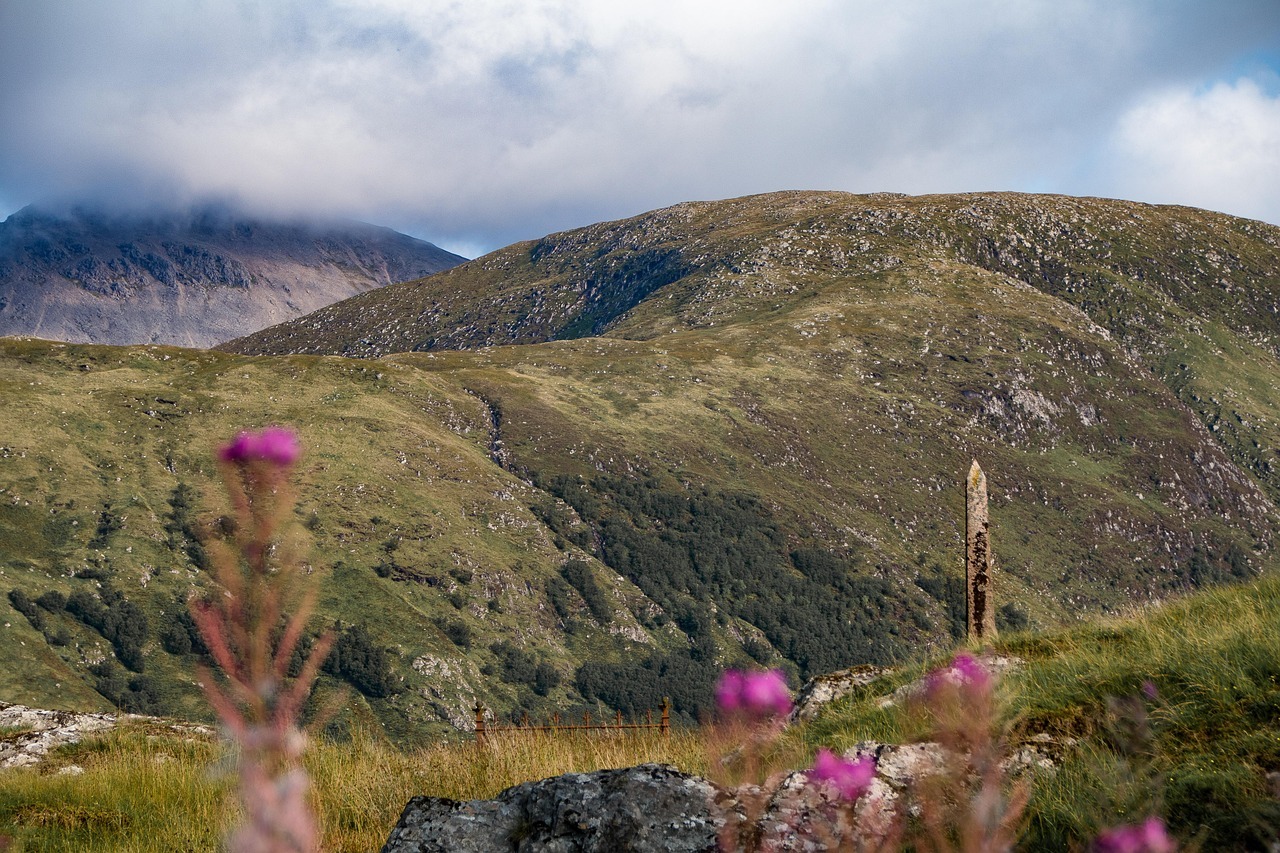
The trail leads on to the Burial Path, once used by distant clans carrying their dead to the old Glen Nevis graveyard. Many found the journey too long and buried their loved ones along the way.
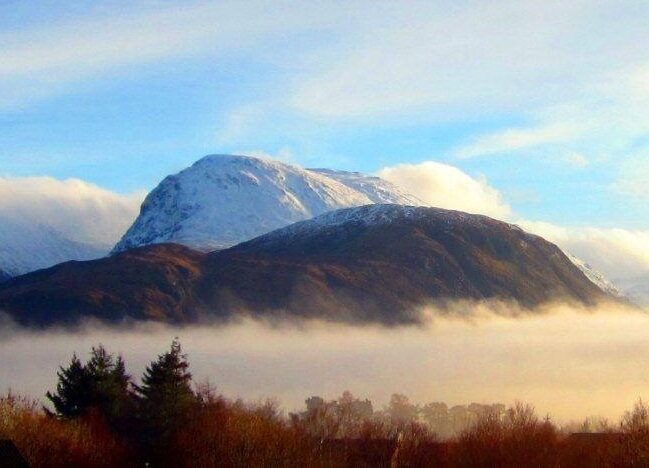
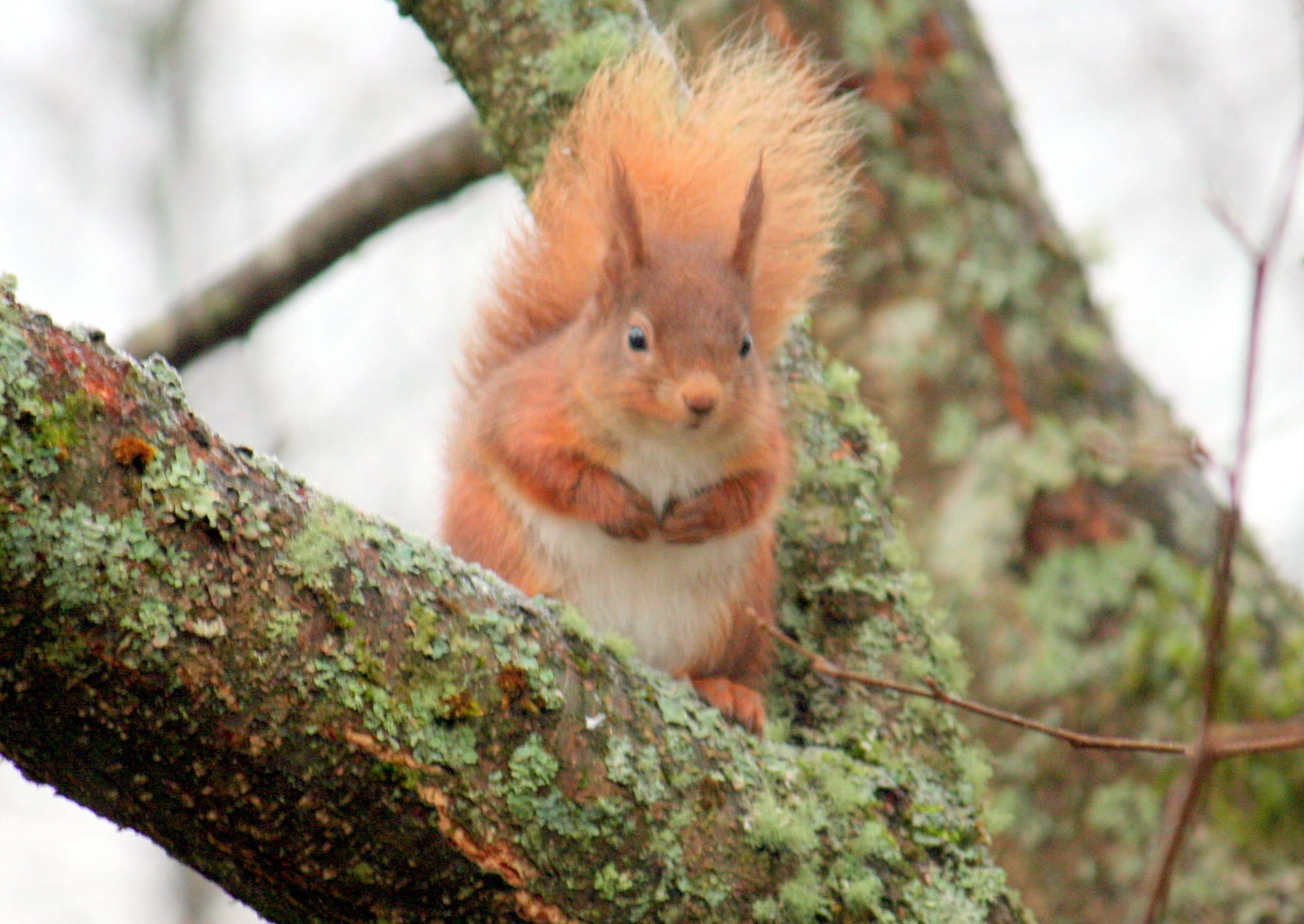
The old graveyard itself is peaceful, with a stunning view of Ben Nevis and is a favourite spot for red squirrels, thanks to feeders placed just outside the walls.
Clan Cameron & the Dun Dige Massacre
On the opposite side of the river lies the Cameron clan graveyard, surrounded by ancient birch trees and featured in the funeral scenes of Braveheart.
The Camerons are central to the glen’s history. One of the most famous stories is the Dun Dige massacre. A peace meeting between Clan Cameron and Clan Chattan ended in disaster after the Cameron piper, unhappy with the truce, played provocative tunes insulting Clan Chattan. Offended, the clan returned in the night and slaughtered the Camerons as they slept.
Only one young man escaped, smuggling out the baby heir and clan heirlooms—including a silver spoon. After years in hiding, the heir returned at 17 to reclaim his rightful place in Glen Nevis.
The mystery of Dun Deardail
Another ancient site, Dun Deardail, is a vitrified Iron Age fort high above the glen. Its origins remain a mystery; although many have tried, no one has been able to recreate the vitrification process used to fuse its stones. How early settlers achieved such intense heat with limited tools remains one of Glen Nevis’s unsolved puzzles.
A wartime tragedy
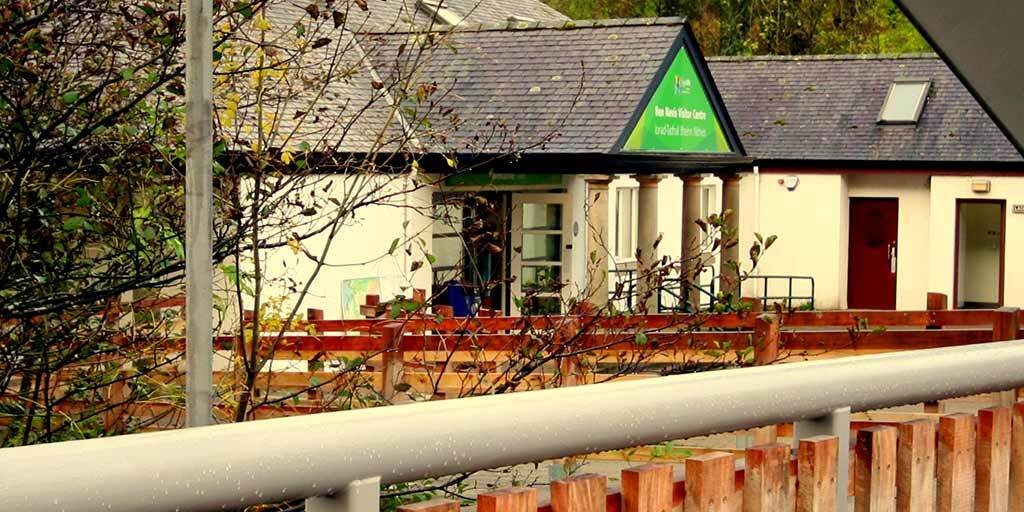
On 16 May 1943, Flying Officer John Donald McDonnell, a 21‑year‑old Royal Canadian Air Force pilot flying with the RAF, experienced engine trouble while returning to Dyce and crashed into the hillside of Meall an t‑Suidhe in low cloud. The site has since been recognised as a war grave, and a memorial plaque stands within the grounds of the Glen Nevis Visitor Centre.
The hydropower pipes
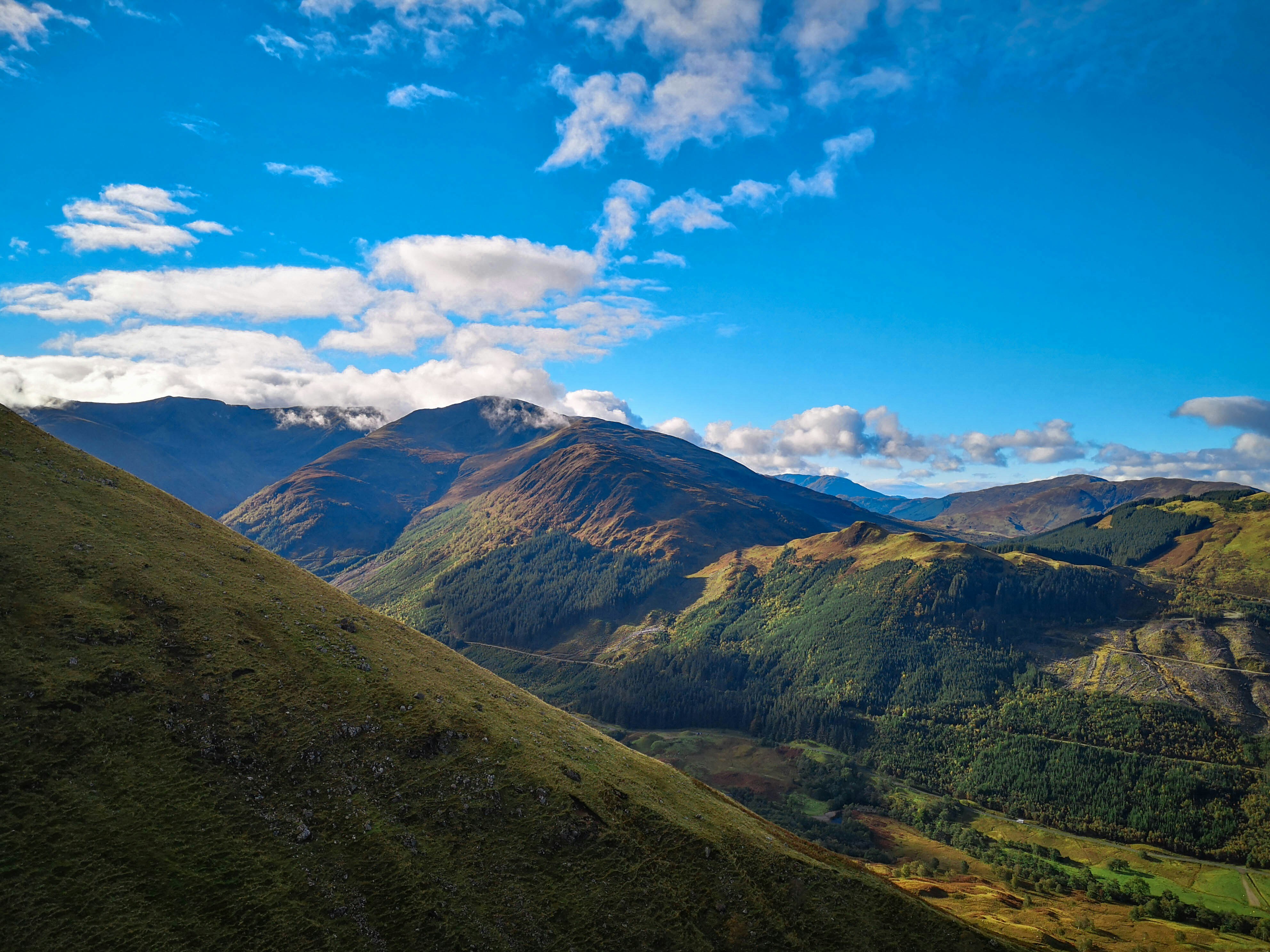
Visitors often notice the pipes running down the side of Meall an t‑Suidhe. These carry water from the dammed Loch Treig, channelled through a 24km pipeline and down into the valley.
The water’s drop powers generators at the local aluminium smelter, which historically produced around 40,000 tonnes of aluminium each year. The smelter has deep ties to wartime production and remains an important part of the region’s industrial story.
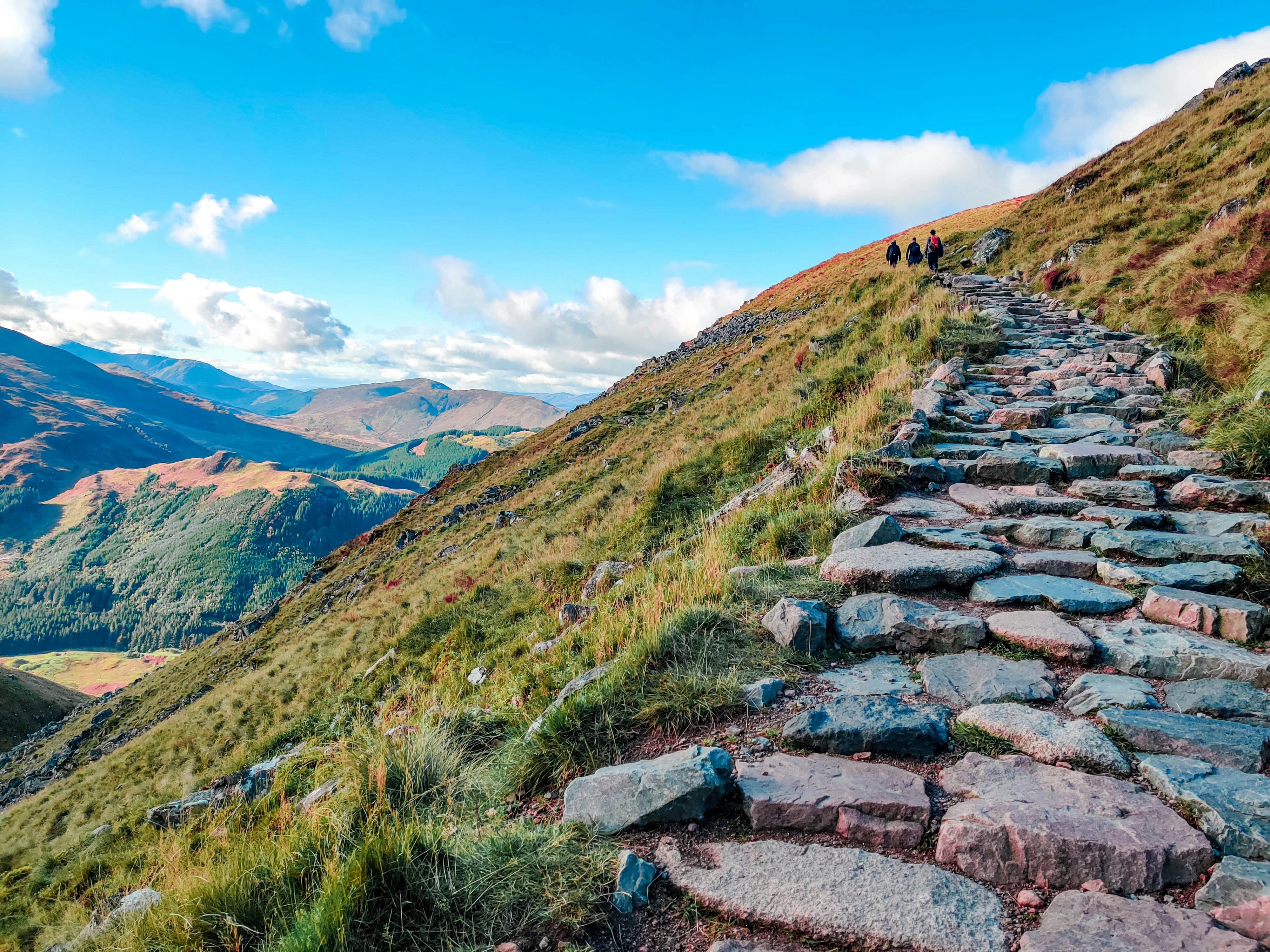
More recently, Alvance British Aluminium—owners of the lower slopes of Ben Nevis—replaced two footbridges on the mountain. Despite their origins in aluminium, one is now a concrete structure and the other oak, chosen for durability under the hundreds of thousands of footsteps the path receives annually.