






At the deepest level, an artist’s Journey is about saying YES to creativity. In much of the world today, an artist is thought of to a person with the skills to conceptualise and make creative works; such persons are singled out and prized for their artistic and original ideas. Their art works can take many forms and fit into numerous categories, such as architecture, sculpture, ceramics, digital art, drawings, mixed media, paintings, photographs, prints, and textiles etc. Of greater importance, is that artists are the individuals who have the desire and ability to envision, design, and fabricate the structures, objects, and images that we all encounter, debate, and enjoy in our lives.
But if so many of us are considered as creatives, how then is an artist’s work assessed for entering the Royal Scottish Academy of Arts and Architecture (RSA)? It can be assessed in the same way as a writer’s life, a musician’s or a filmmaker’s life is evaluated: by considering a ‘body of work.’
It is impossible to measure the importance of the arts on a global scale, as art is a fundamental way for humans to express themselves and share ideas. Art can be a mechanism to have difficult conversations and discuss sensitive topics, that would otherwise be too tricky to navigate, and artistic expression can connect cultures, bridge ideological divides and expand viewpoints. RSA Academicians are expected to have both a wide range of contemporary and historical works that span personal, abstract, technical, and exploratory themes, but they must also become an important voice for art in Scotland, and for the future of the Academy.
The RSA Academicians form the core body of the Royal Academy of Arts and Architecture, steering its overall direction, organizing the annual Summer Exhibition, and running the free postgraduate RSA Schools. The selection criteria for the Academicians centres on artistic merit, technical skill, innovation, and the strength of the visual or architectural concepts, and there is a robust process in place to become an Academician with the RSA.
Established in 1826, the RSA is the oldest surviving artist-run institution in Scotland, and its collections tell the story of art and architecture and collecting in Scotland, from the 18th century to the present day. These collections are a living entity, connected to the RSA, its artists, and its developing role in supporting, exhibiting and learning, within the visual arts. The core Diploma Collection that is unique and varied; containing works that are self-selected by past and present Academicians, on their election.
In theory, anyone is eligible to become a Royal Scottish Academician, as long as they are living in Scotland, under 75, and professionally active as an artist, or an architect. A nominee is proposed by their peers, and then becomes an Associate Member, or an RSA (Elect). The Academicians then meet for a General Assembly several times a year to vote in person, on each of the nominees. There are no more than 100 RSA Academicians at any time, and each RSA (Elect) needs 8 signatures to become a full RSA Academician.
Once elected, the new Royal Scottish Academician is contacted by the President and their proposer. A traditional ceremony is held, and the terms of obligation are read out. They receive their medal, and sign the Role of Obligation, which includes the signatures of every Academician since their founding in 1768. The newly elected Royal Scottish Academician then donates an artwork known as their Diploma Work, to the RSA Collection, and it is at this point that they receive their Diploma, signed by the sovereign.
The Royal Scottish Academy provides significant wider benefits to society too: championing Scotland's visual arts and architecture, funding emerging creative talent, and by preserving a cultural legacy of national significance. They also support Residencies for Scotland: an artist-led scheme which provides valuable research and residency opportunities for artists. It establishes vital connections with leading Scottish artistic hubs, from traditional residencies to specialised production spaces.
Open to visual artists at all stages of their careers, with a focus on supporting research, development, and production, while fostering skill acquisition, knowledge exchanges and experiential, practice-based research. Artists can apply for funds of up to £5000 and are responsible for managing their own residency, in discussion with the partner venues.
So, the next time you find yourself lost in thought at an RSA exhibition, as all those visual cues in an exhibition spark unrelated personal memories, daydreams, or philosophical questions, spare a moment to consider the journey these Academicians take, to bring their art to you.
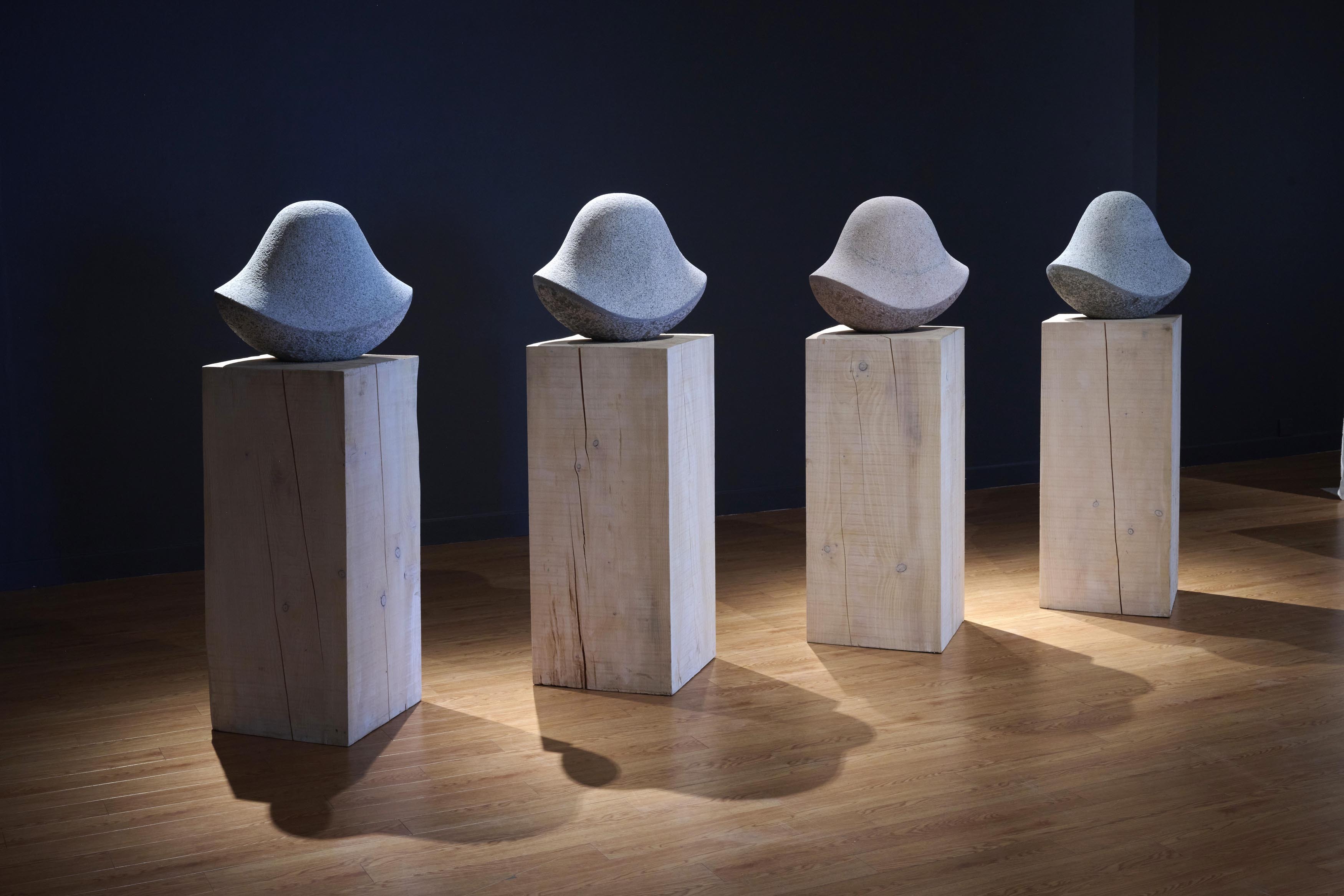
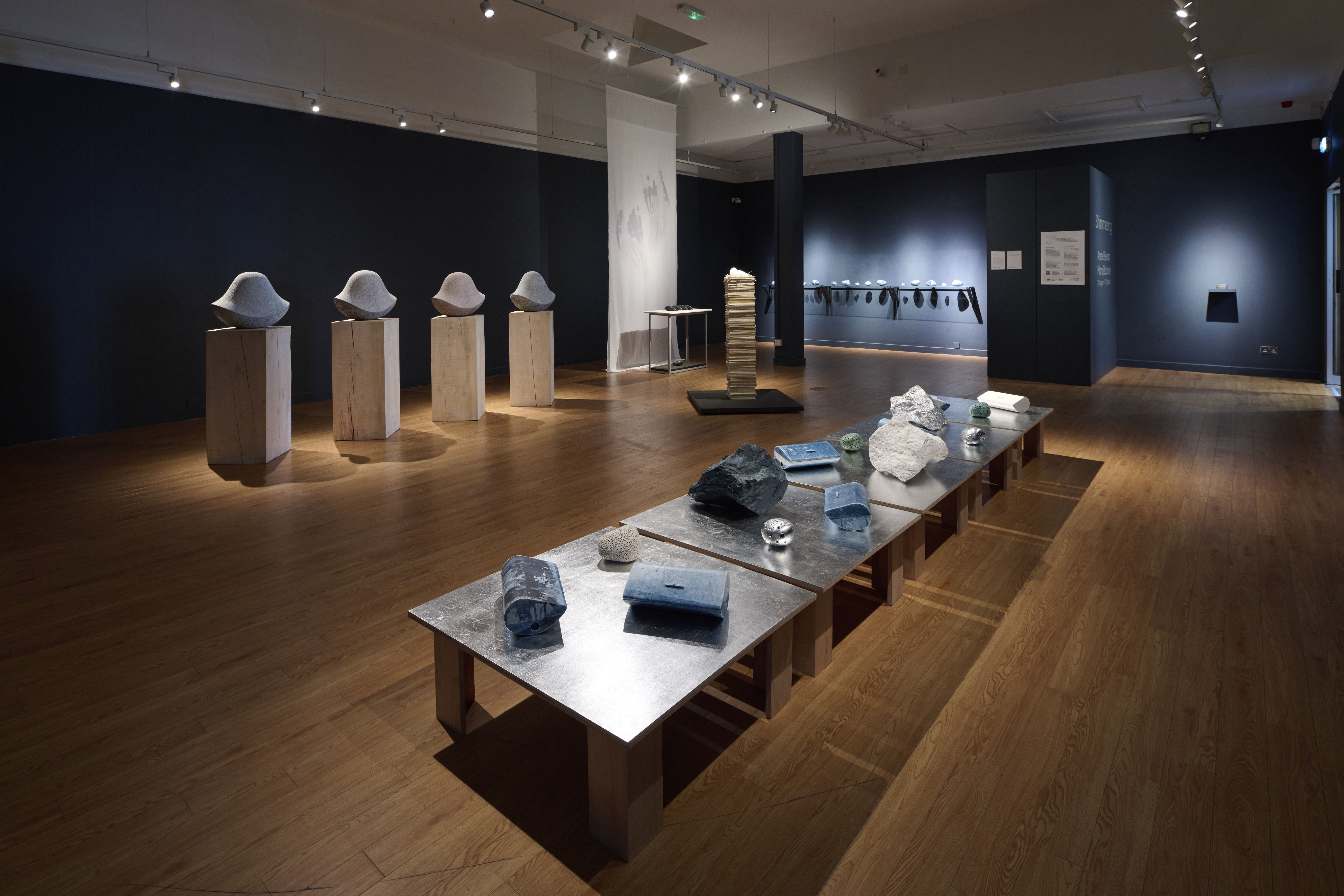
Photos: Shimmering, exhibition by Mary Bourne & Anne Bevan, photo - Ewen Weatherspoon, 2026