





Conservation of Collections
Conservation at Inverness Museum and Art Gallery is an integral part of the care and management of the collections. Because of their age or the materials they are made from, some types of objects require very careful treatment and monitoring. This is particularly important for archaeology, social history, textiles and natural sciences collections.
Collections staff are also actively involved with preventive conservation. This involves managing and monitoring the environmental, biological and physical factors that influence the stability of collections, both in store and on display.
The Conservation Laboratory
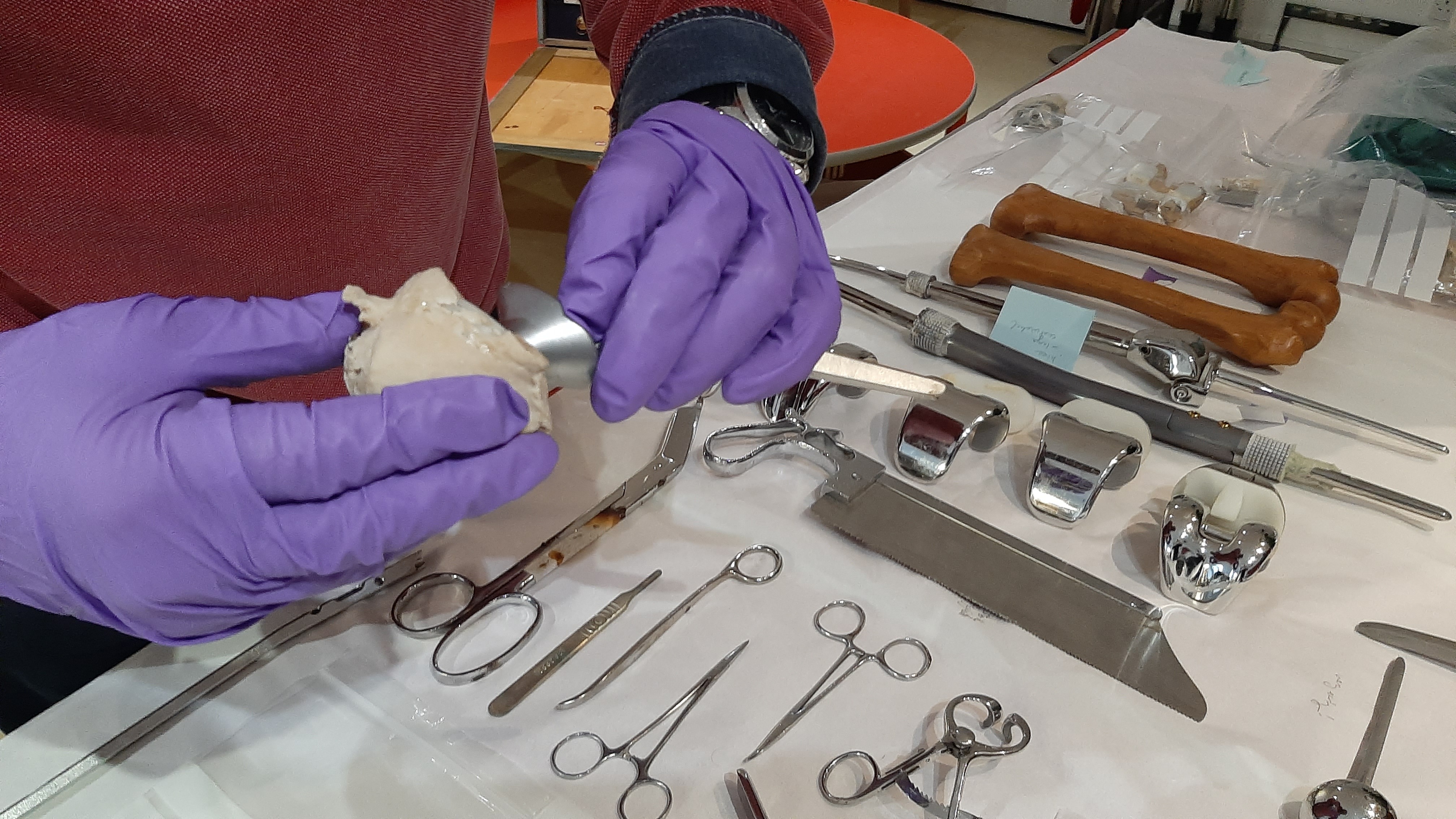
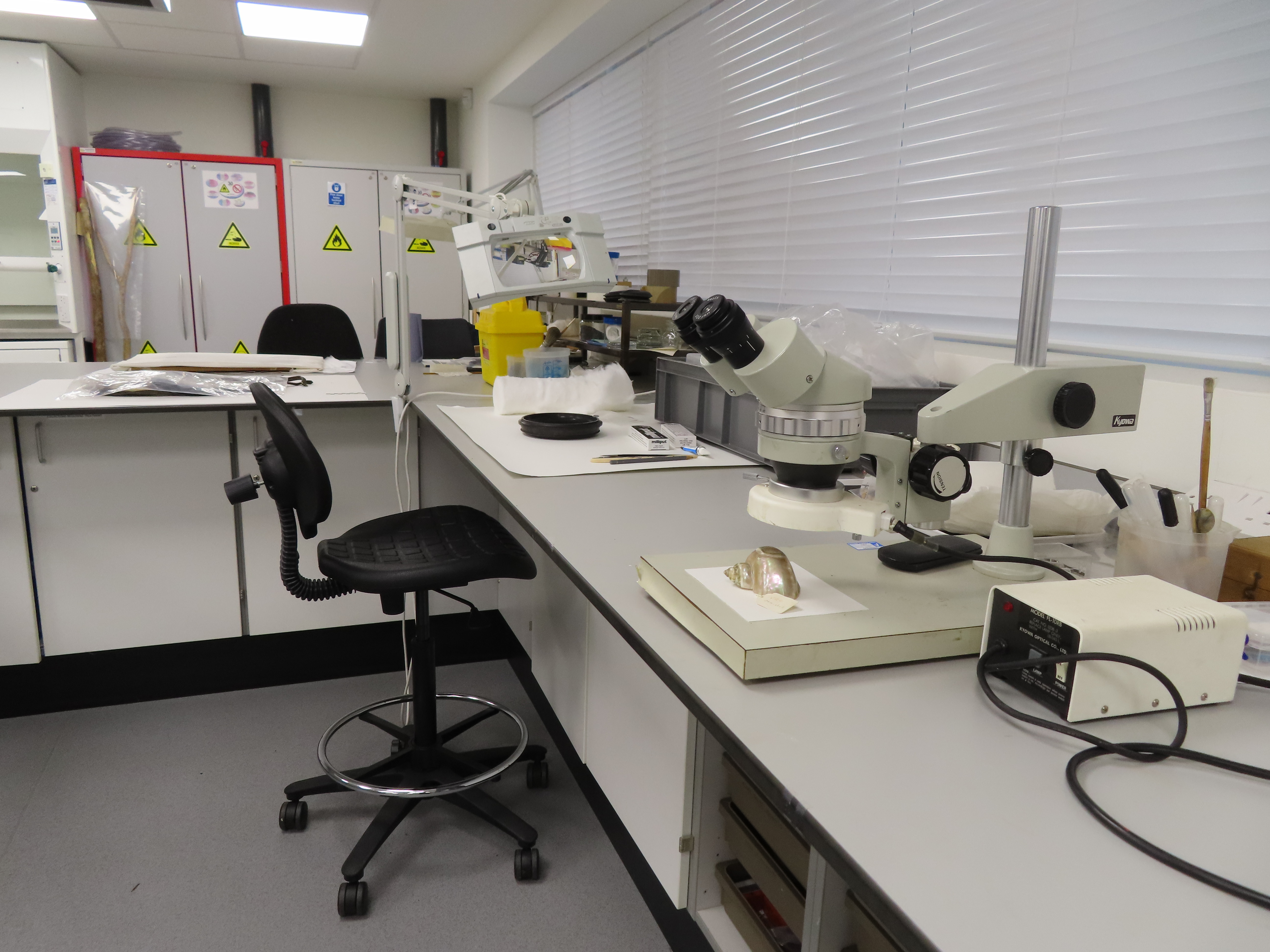
Although some work is undertaken in the workshop at Inverness Museum, any major work takes place in the Conservation Laboratory. The Laboratory is sited in Am Fasgadh, the Highland Folk Museum’s store. Items from the collections of both Inverness Museum and the Highland Folk Museum are assessed and treated here.
Much of the work undertaken in the Laboratory involves maintaining the existing collections, as well as assessing and stabilising newly acquired material, especially archaeological finds. Some of the potential problems artefacts suffer from are tarnish, bronze disease, breakage and pests. However, the aim is not only to clean and preserve these artefacts, but to investigate them for any information that they might reveal.
Conservation Services
As well as looking after our own collections, we offer a range of conservation services for other museums and cultural organisations who have archaeology or historic artefacts. These services include:
- Object conservation, stabilisation & treatment
- Condition surveys
- Training courses and workshops on collections care or basic conservation
For organisations that hold historic archives, books, maps and other similar items, our colleagues in the Archives Service also offer conservation services.
Jeanette Pearson ACR
To discuss your conservation requirements, please contact our conservation officer
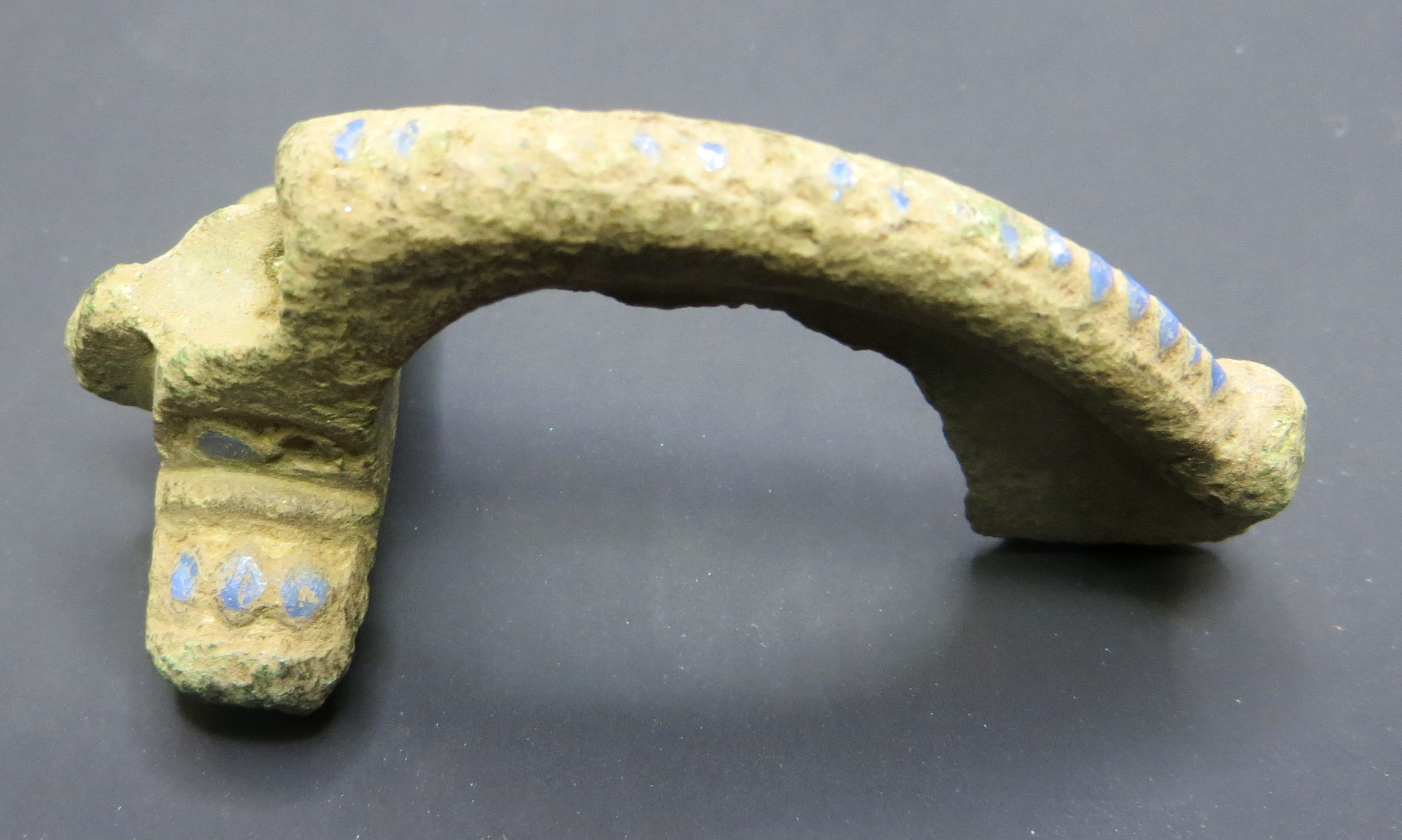
Roman fibula brooch, before conservation
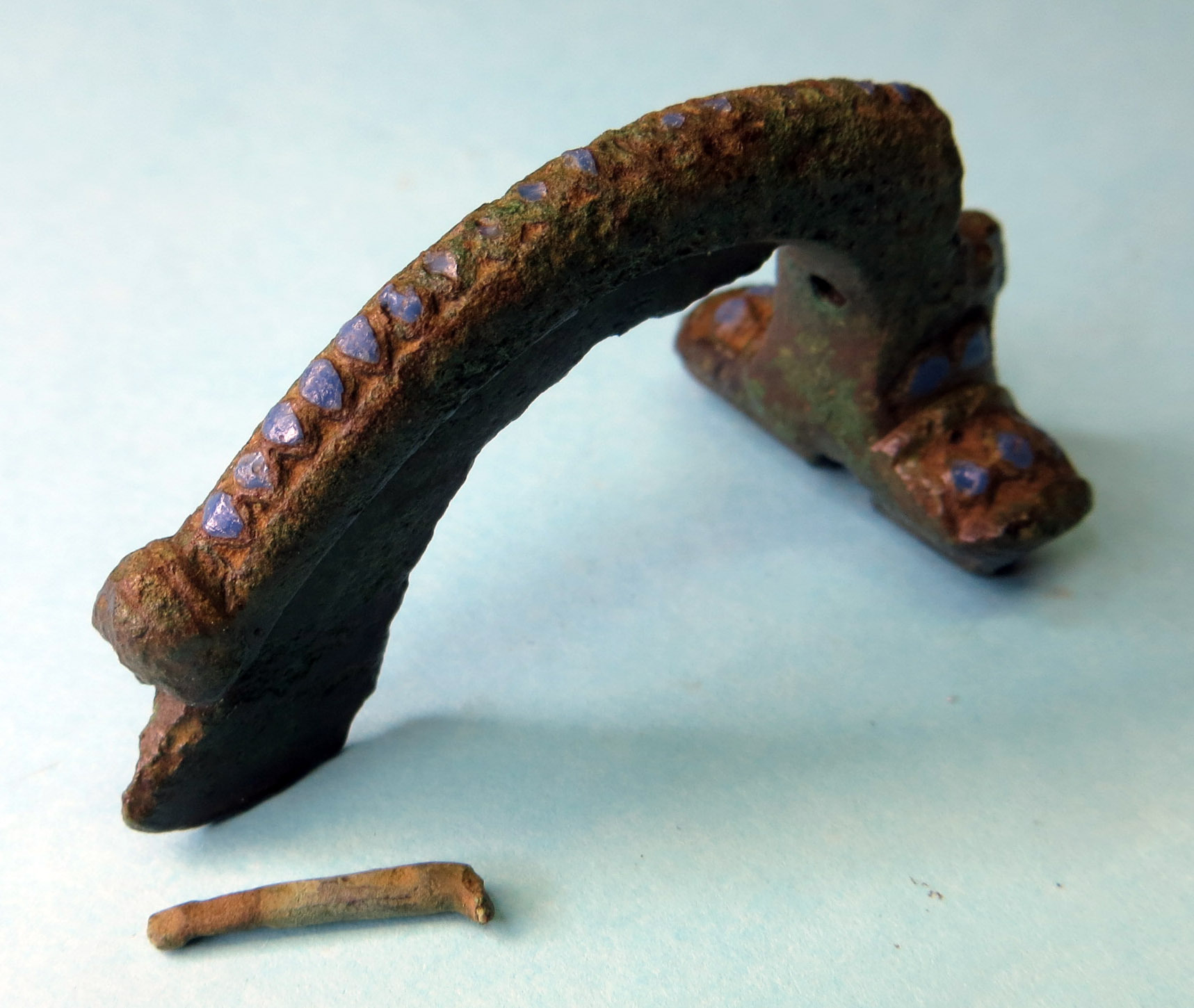
Roman fibula brooch, after conservation
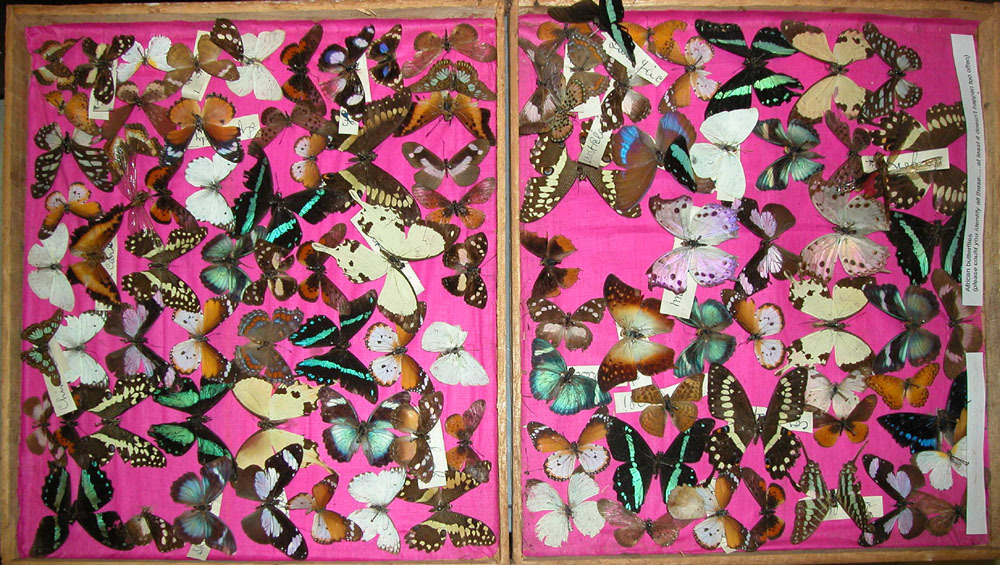
Box of African butterflies, before conservation
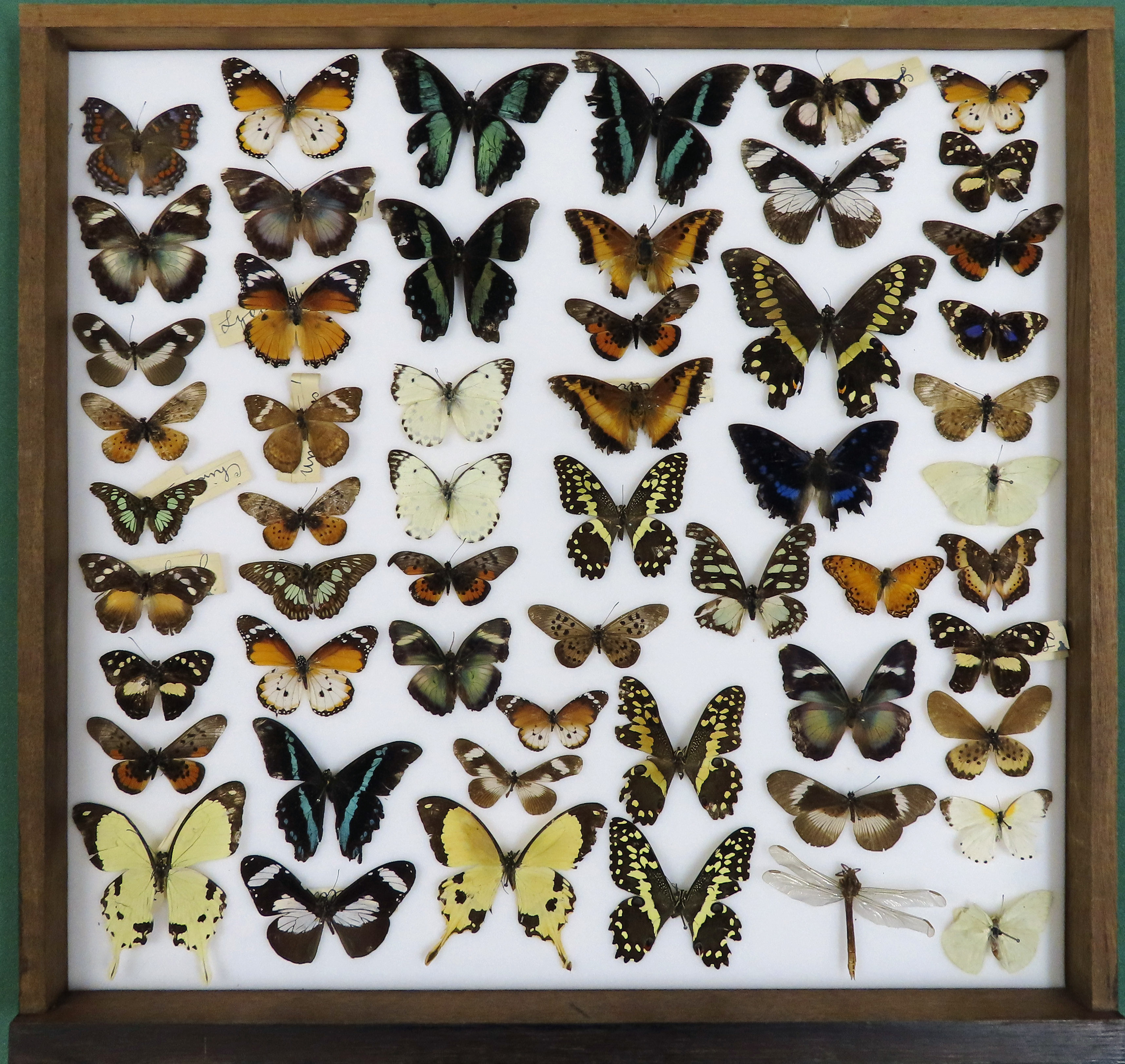
Box of African Butterflies, after conservation
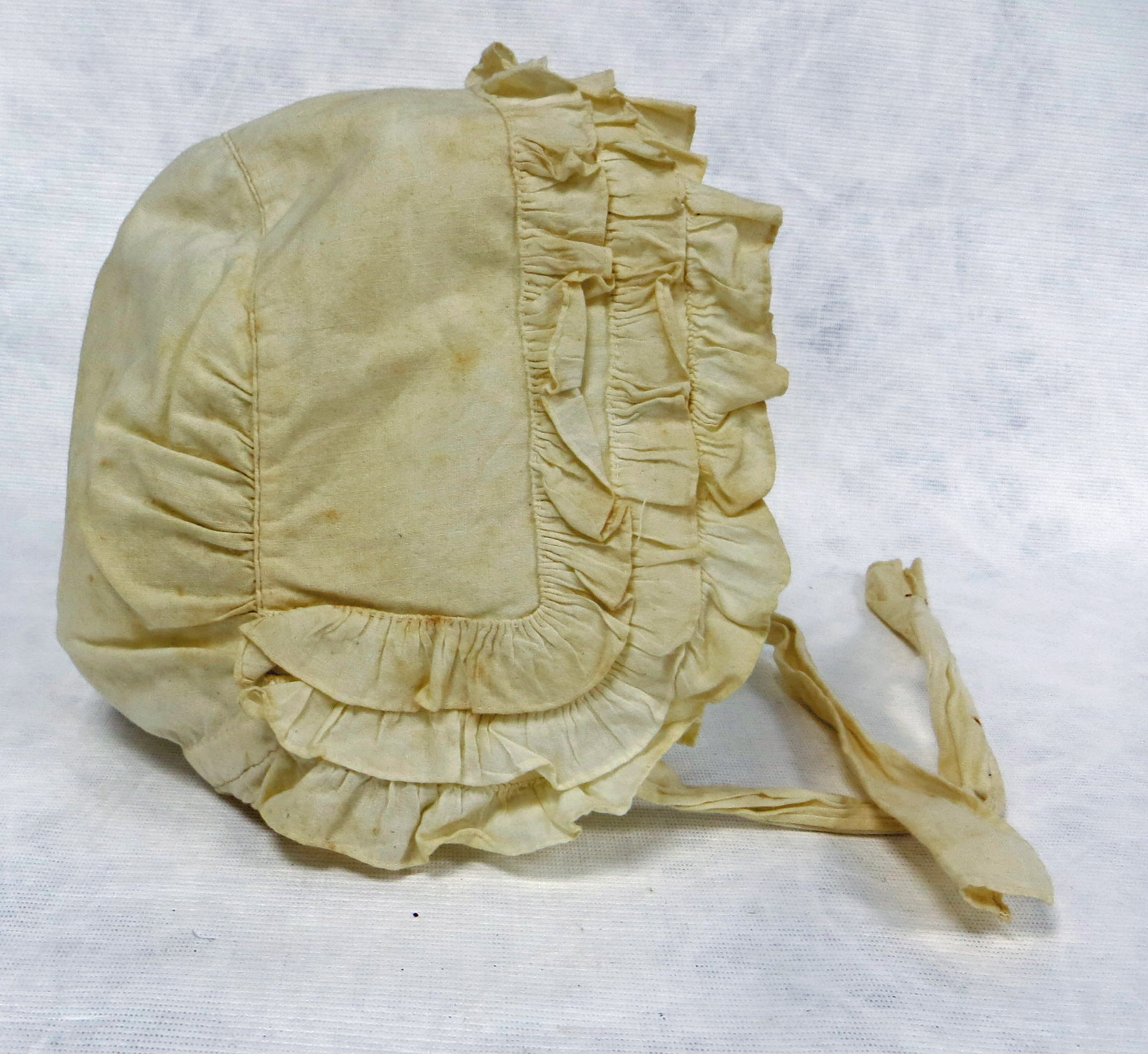
Cotton mutch bonnet, before conservation
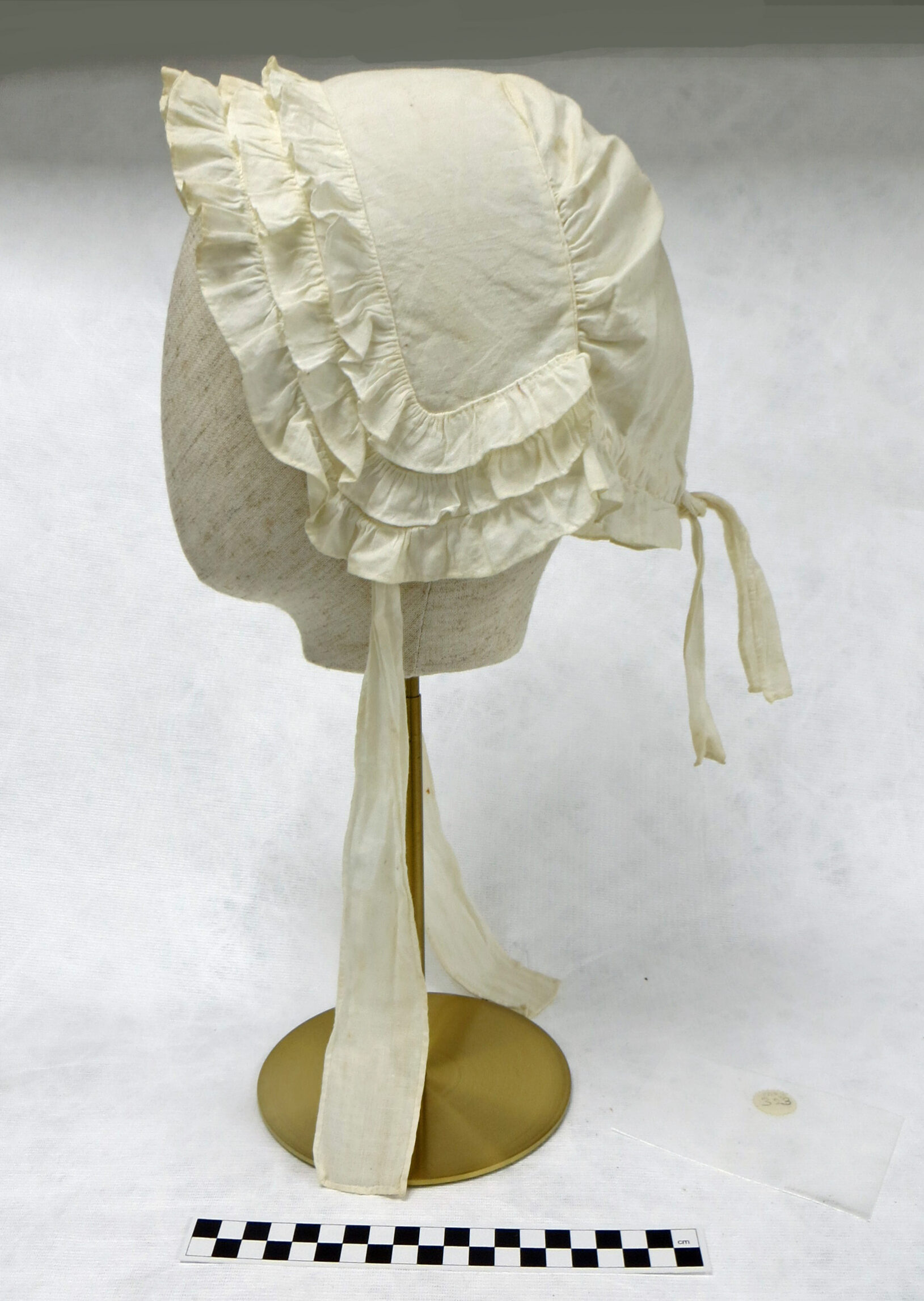
Cotton mutch bonnet, after conservation
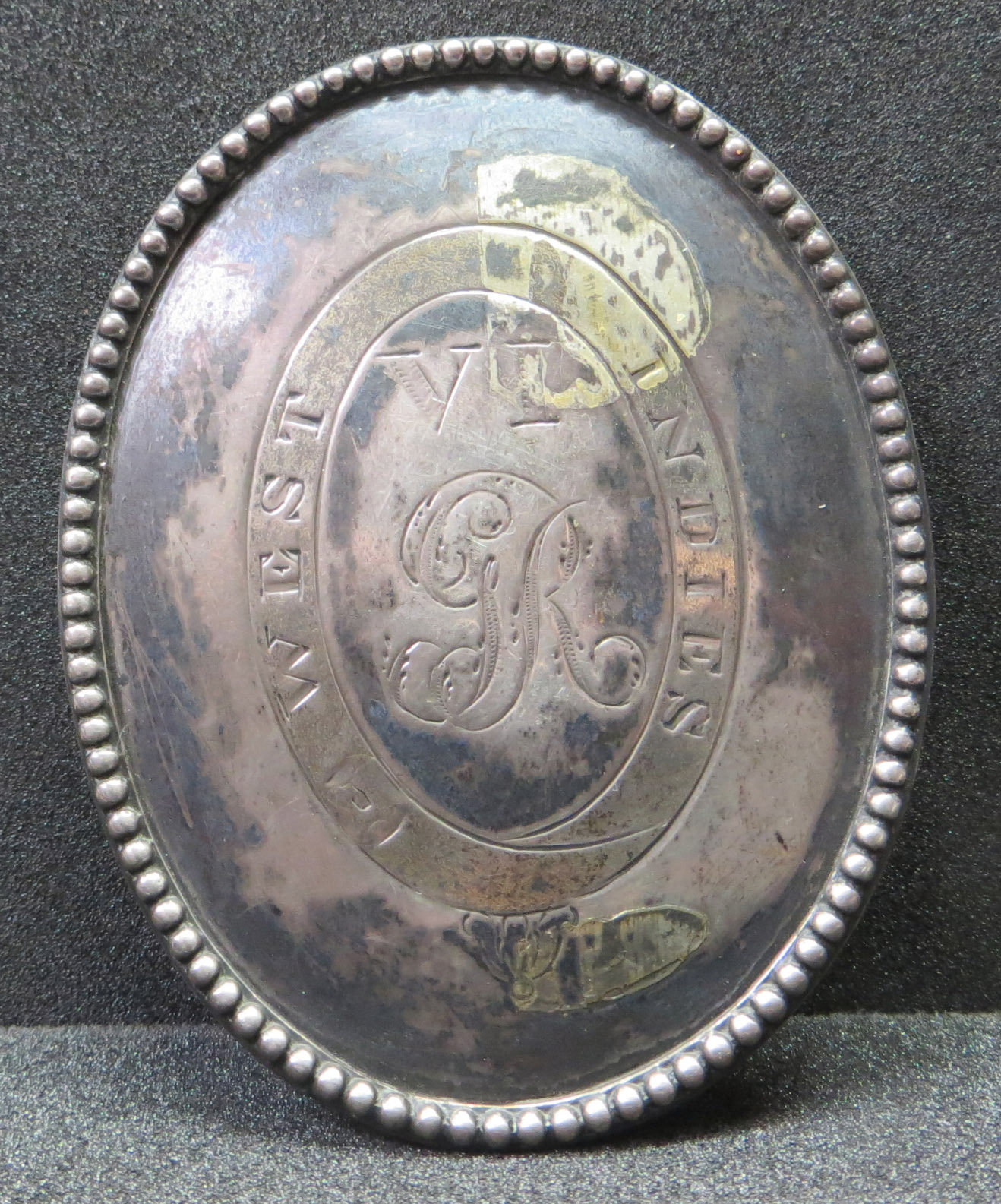
Military shoulder belt plate, before conservation
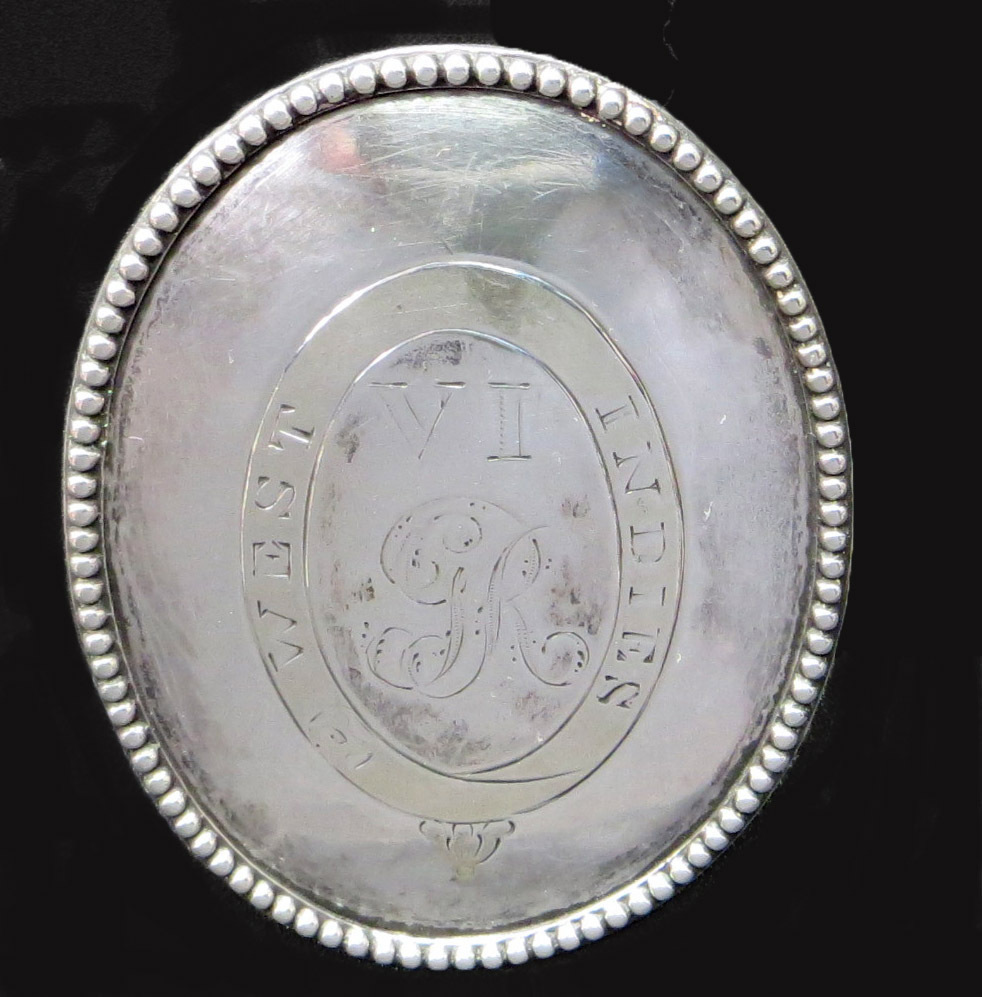
Military shoulder belt plate, after conservation