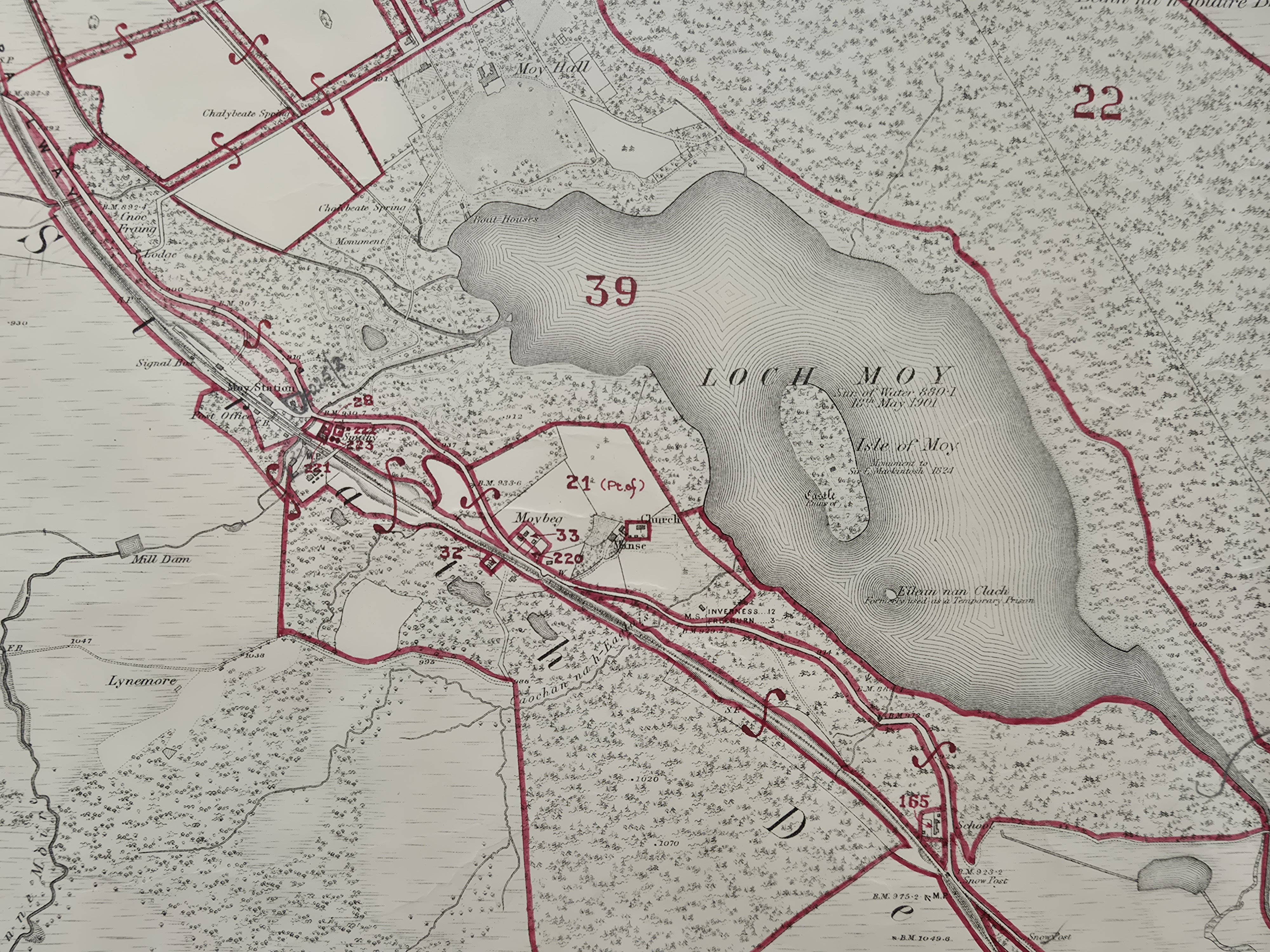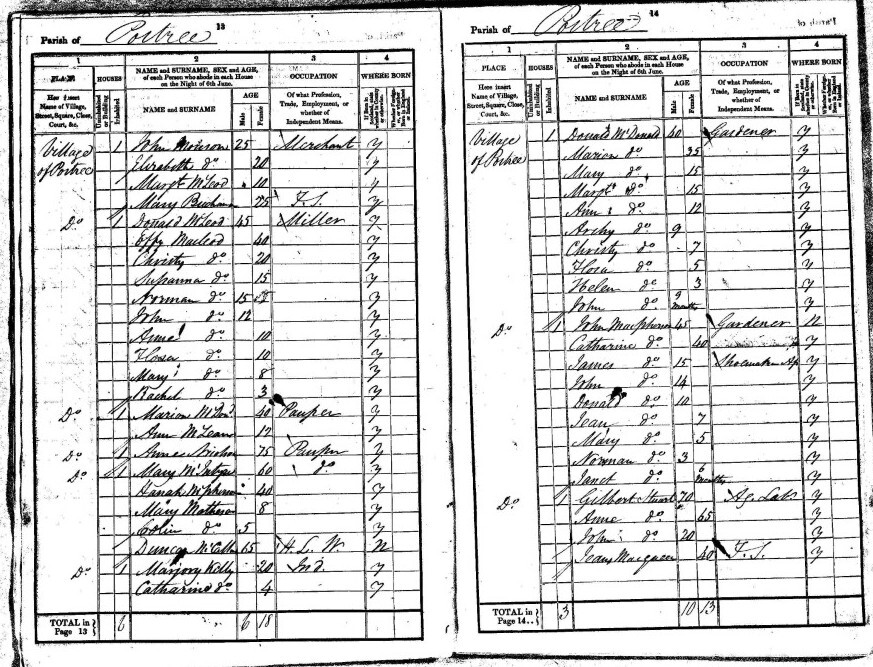







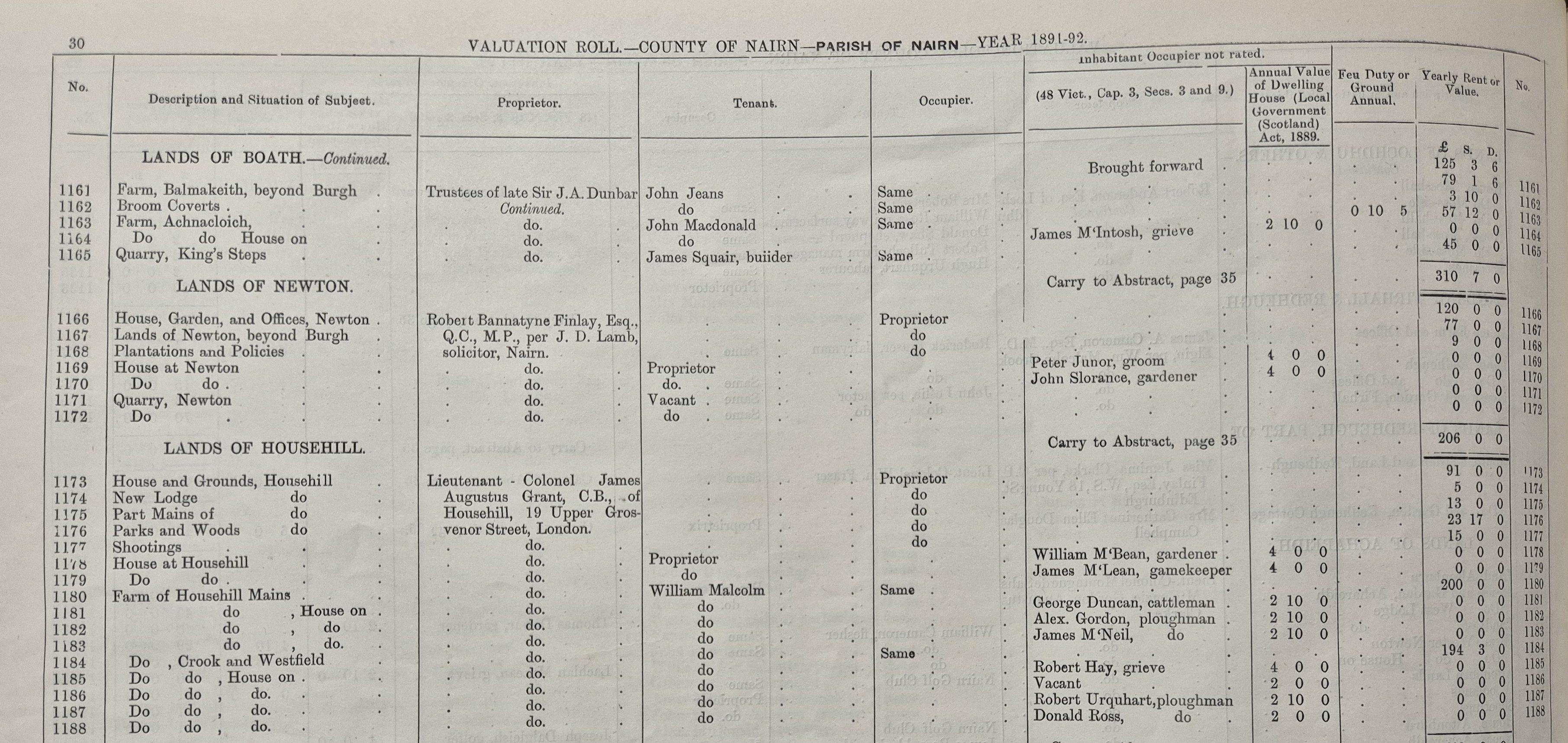
Valuation rolls record the rateable values of inhabited properties and the names of their proprietors, tenants and occupiers. They are divided into counties and burghs (later districts) and organised by parish or ward. Valuation rolls can fill in the gaps between census years but do not record the names of every person in the household.
Date and location coverage
Highland Archive Centre in Inverness holds valuation rolls for the counties of Inverness-shire, Ross & Cromarty, Sutherland and Nairnshire, as well as the parish of Cromdale, with most coverage c.1869-1975
Caithness Archive Centre in Wick holds valuation rolls for the County of Caithness from 1855-1975 and the Burgh of Wick from 1855-1961.
Lochaber Archive Centre in Fort William holds valuation rolls for Inverness-shire from, 1874-1975, Argyll-shire from 1873-1975 and Lochaber District from 1964-1990.
Skye and Lochalsh Archive Centre in Portree holds valuation rolls for the County of Inverness from 1881-1975 and the County of Ross and Cromarty from 1874-1975.
What can these records be used for?
If you’re tracing a building or person and you have an address or rough address, the valuation rolls are an essential place to look. They can be used:
- To establish when a building was built, demolished or altered
- To trace property ownership
- To determine when an ancestor moved house
- To learn what a building used to be.
Access and restrictions
All valuation rolls are open to View.
Copies and photography
Both copies and photographs are permitted. Charges may apply.
What next?
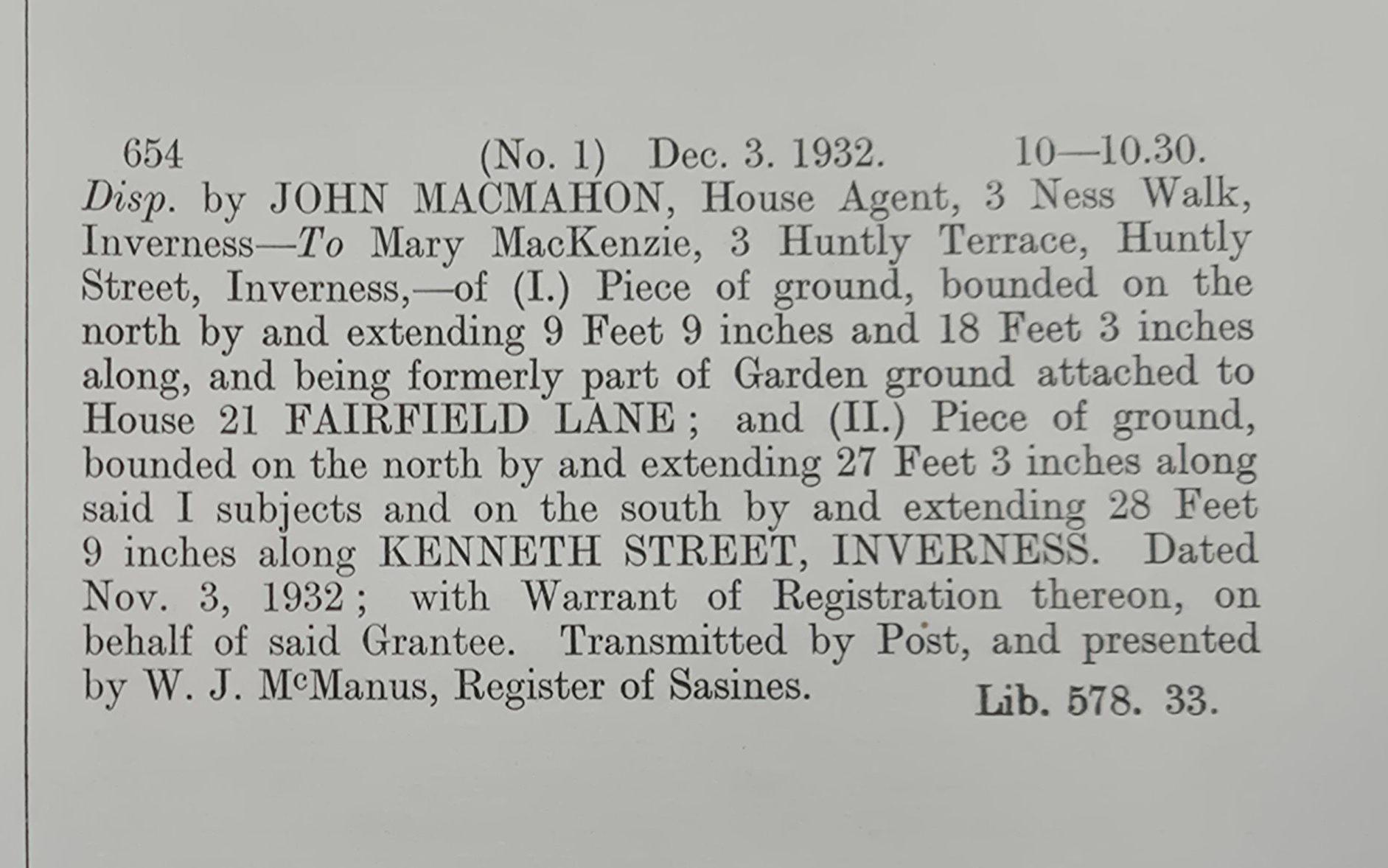
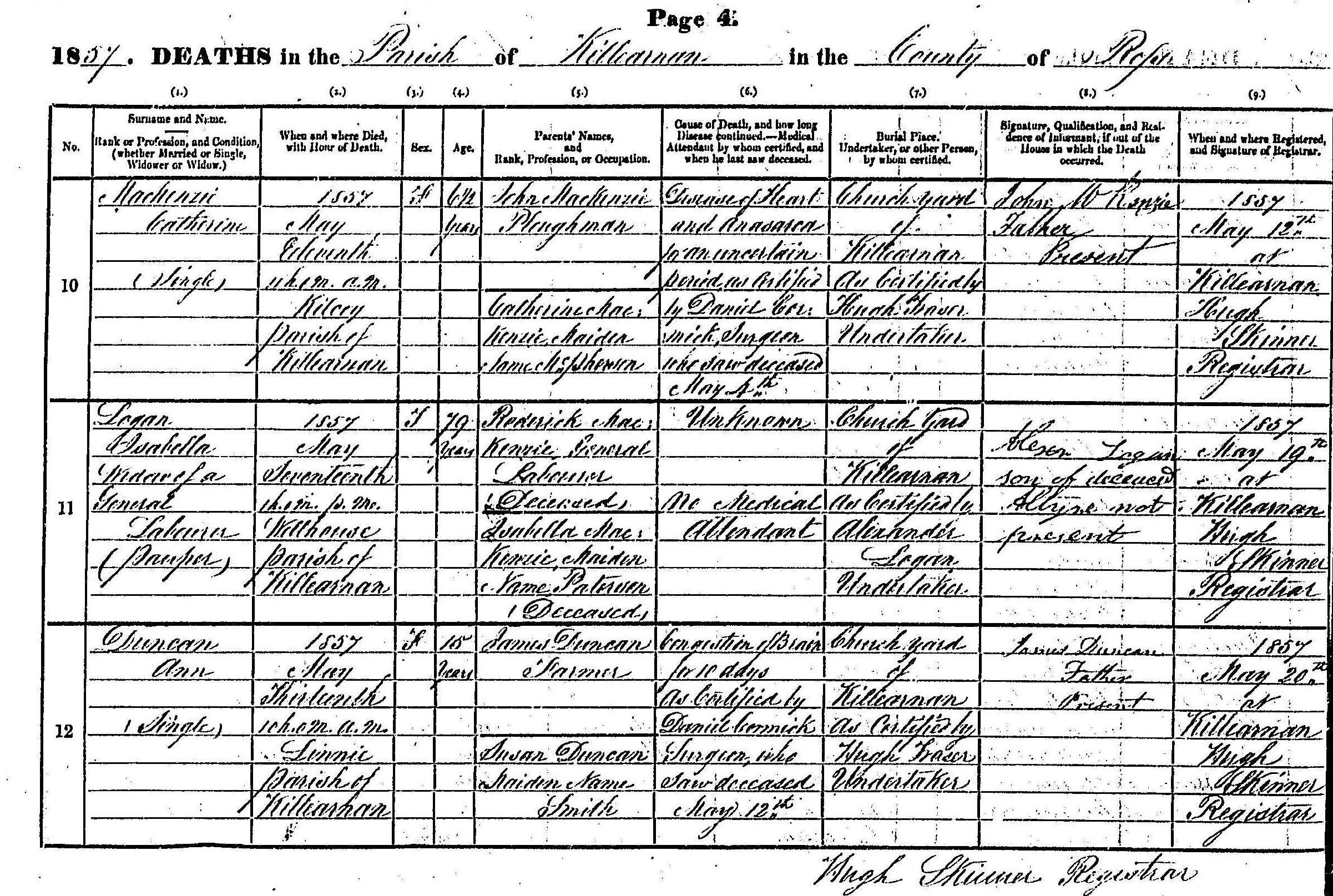
If you’re researching a family, statutory registers are the building blocks of family history. If you’re researching a building, sasines detail sales of land and property.