






The Poor Law Amendment (Scotland) Act of 1845 established Parochial Boards (later Parish Councils) in each parish who administered funds for the poor, gradually removing that responsibility from the church. Those who were unable to support themselves were eligible to apply for help. This included the elderly, the young and those with a mental or physical disability (including pregnancy).
Date and location coverage
Poor relief records are held in the Highland Archive Centre in Inverness, Nucleus: The Nuclear and Caithness Archives in Wick, and Lochaber Archive Centre in Fort William. Dates vary for each parish depending on what records (if any) have survived. Where complete sets of records survive they can date from 1845-1930, when the Parish Councils were abolished.
What can these records be used for?
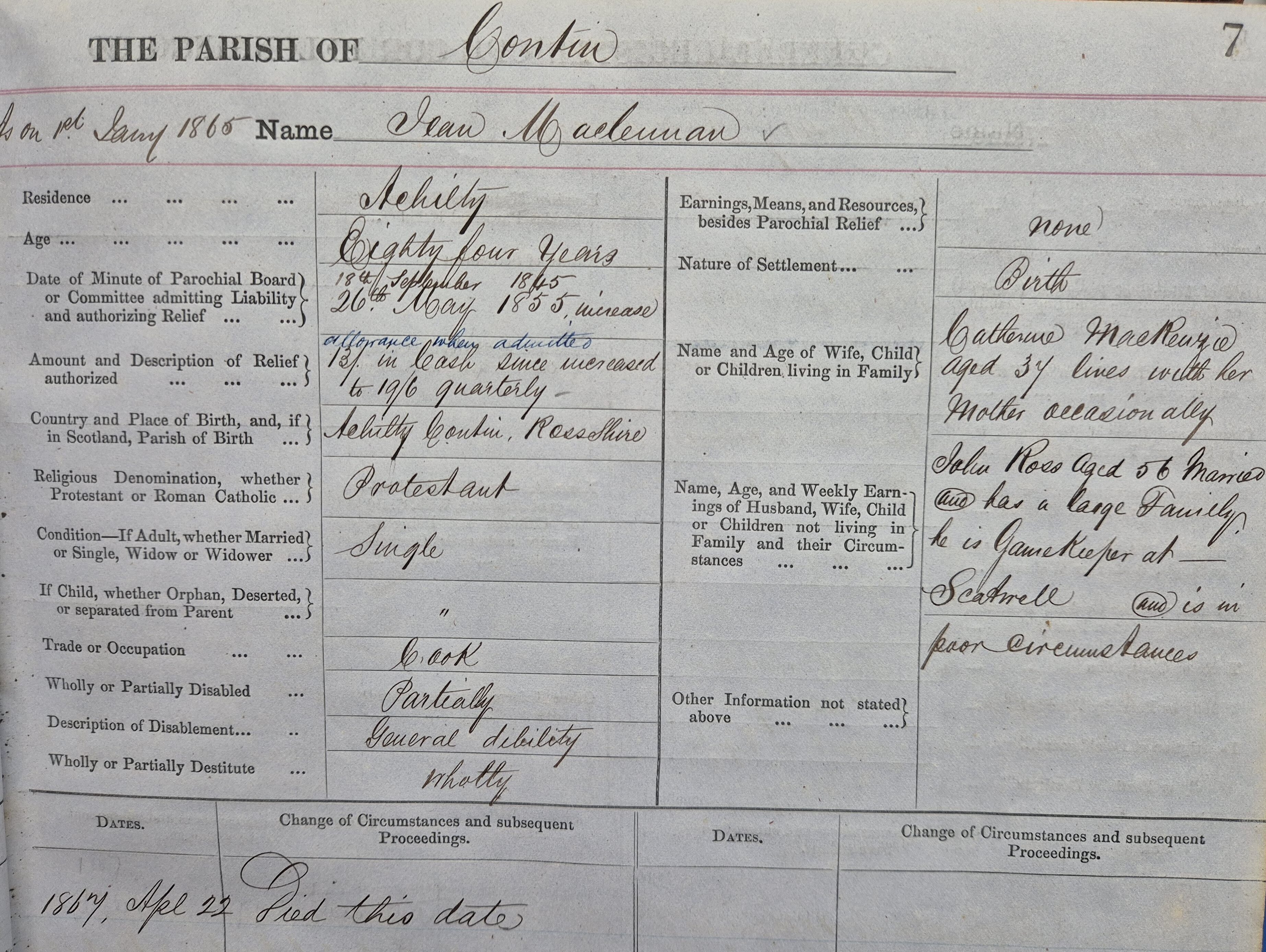
- Applications for relief record requests for assistance and include details of the applicant. These include Name, Age, Marital Status, Occupation, Nature of Disability and the result of the application.
- Parochial Board minute books detail the debate about whether relief should be granted.
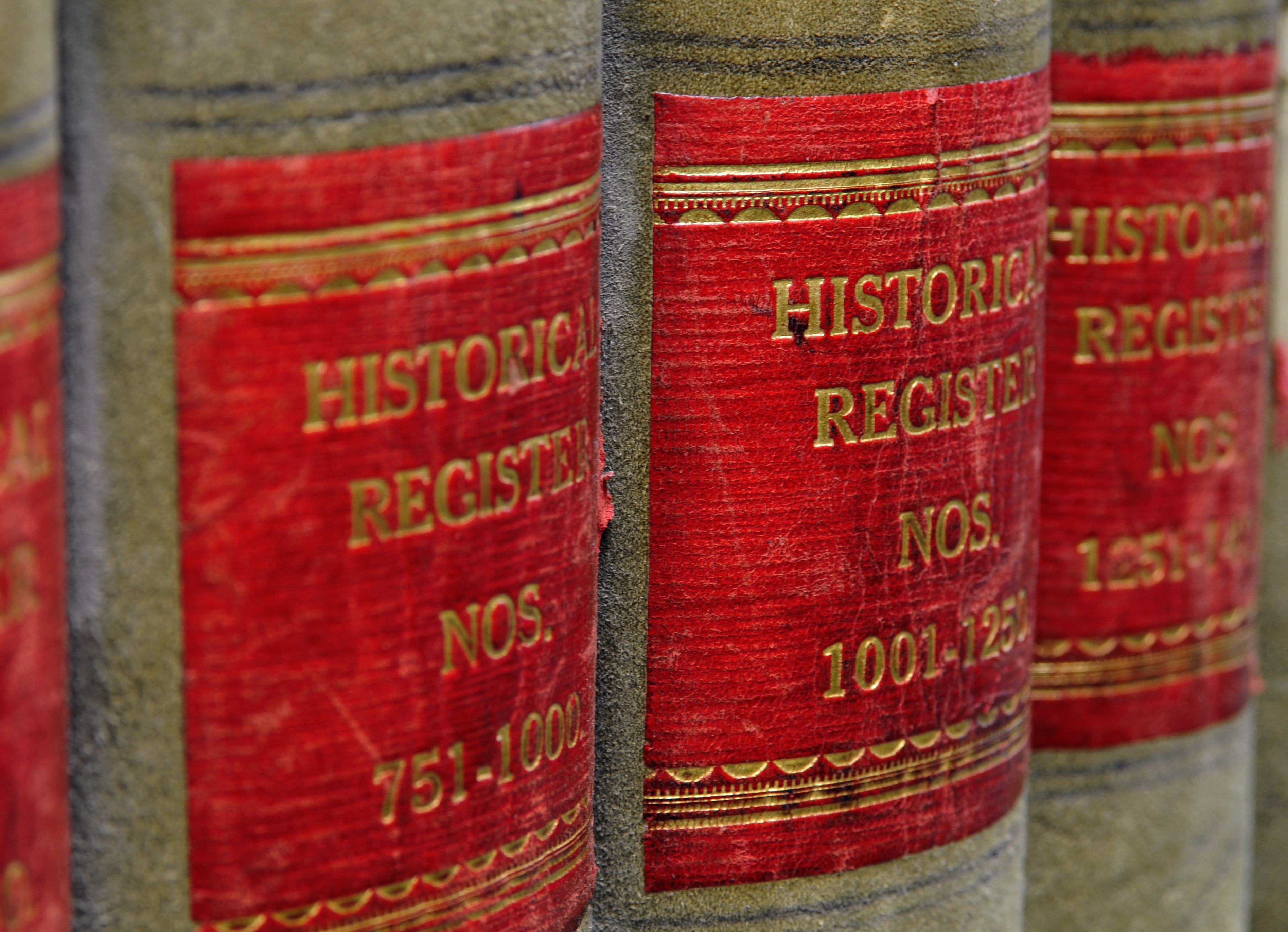
- General registers of poor list people whose applications were successful for 'in relief' (in the poorhouse) or 'out relief' (money given in their own home). They contain detailed information about applicants, list all help given and record the nature of settlement. Entitlement could be claimed through birth, marriage or long-term residency in a parish.
These records can be used:
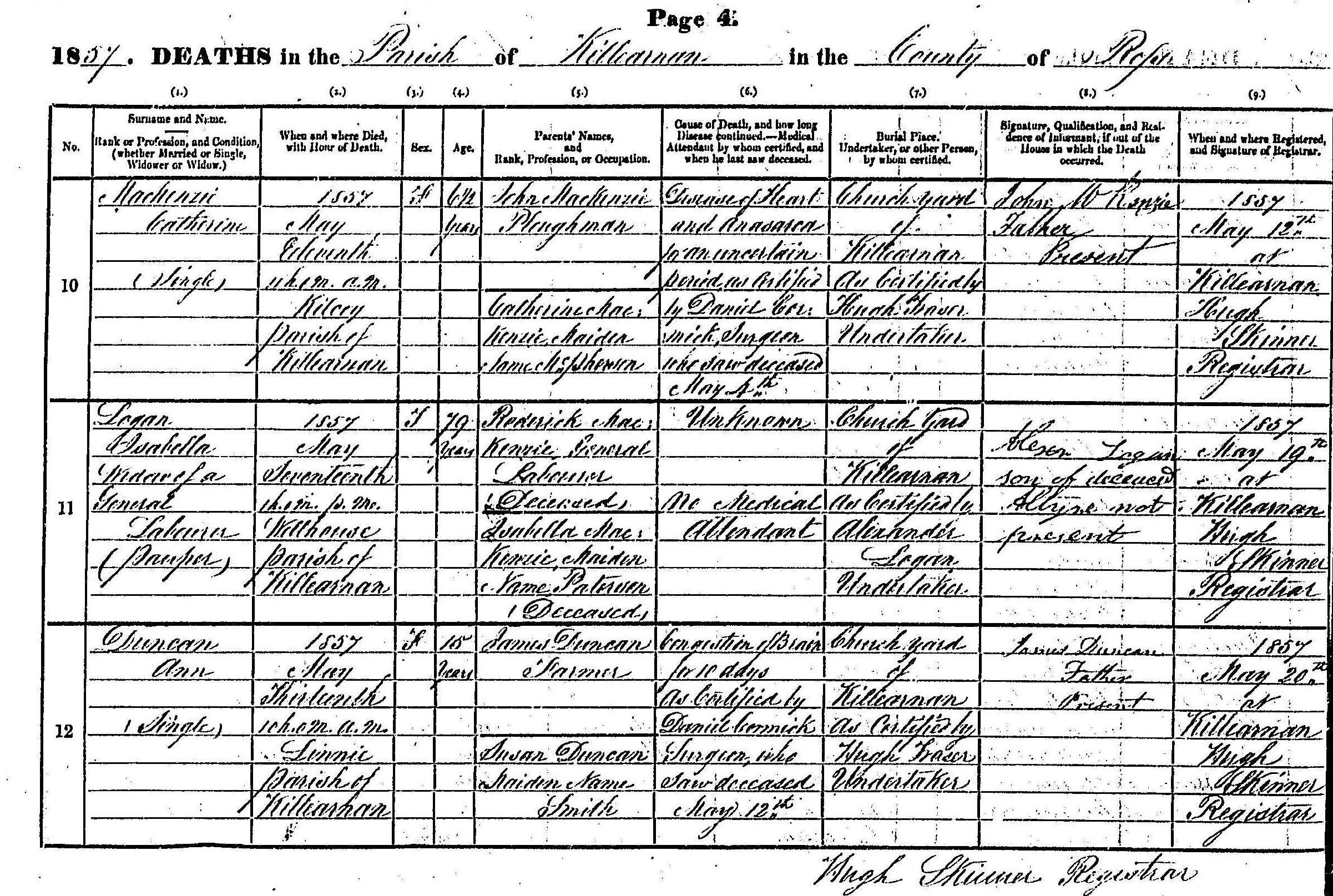
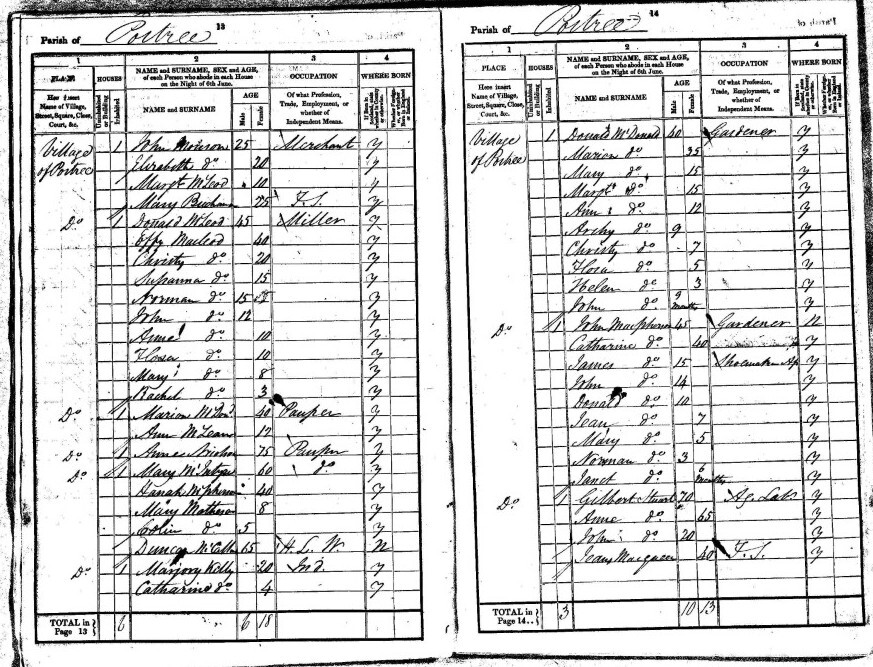
- To trace someone in the Highlands shown on a death certificate or census as ’pauper’
- to understand provision for the poor in the past
- to learn about the development of the welfare state
- to find an ancestor whose death certificate shows a Highland Poorhouse as place of death
- to look for an illegitimate child (single mothers often claimed for help)
Access and restrictions
Due to the sensitive information within poor relief records, access is not given to records created less than 100 years ago, except in certain circumstances. If you require access to a closed record, please contact us.
Copies and photography
Both photocopying and photography of these records are permitted. Charges may apply.
What next?
If you’re researching a person claiming relief in the 1800s why not try earlier church records to see if his/her name appears there? If you find a person who was admitted to a poorhouse we also hold the records of some poorhouses. If you’re researching Highland welfare provision try the Highland Health Board collection.