


Origins of the Highland Folk Museum
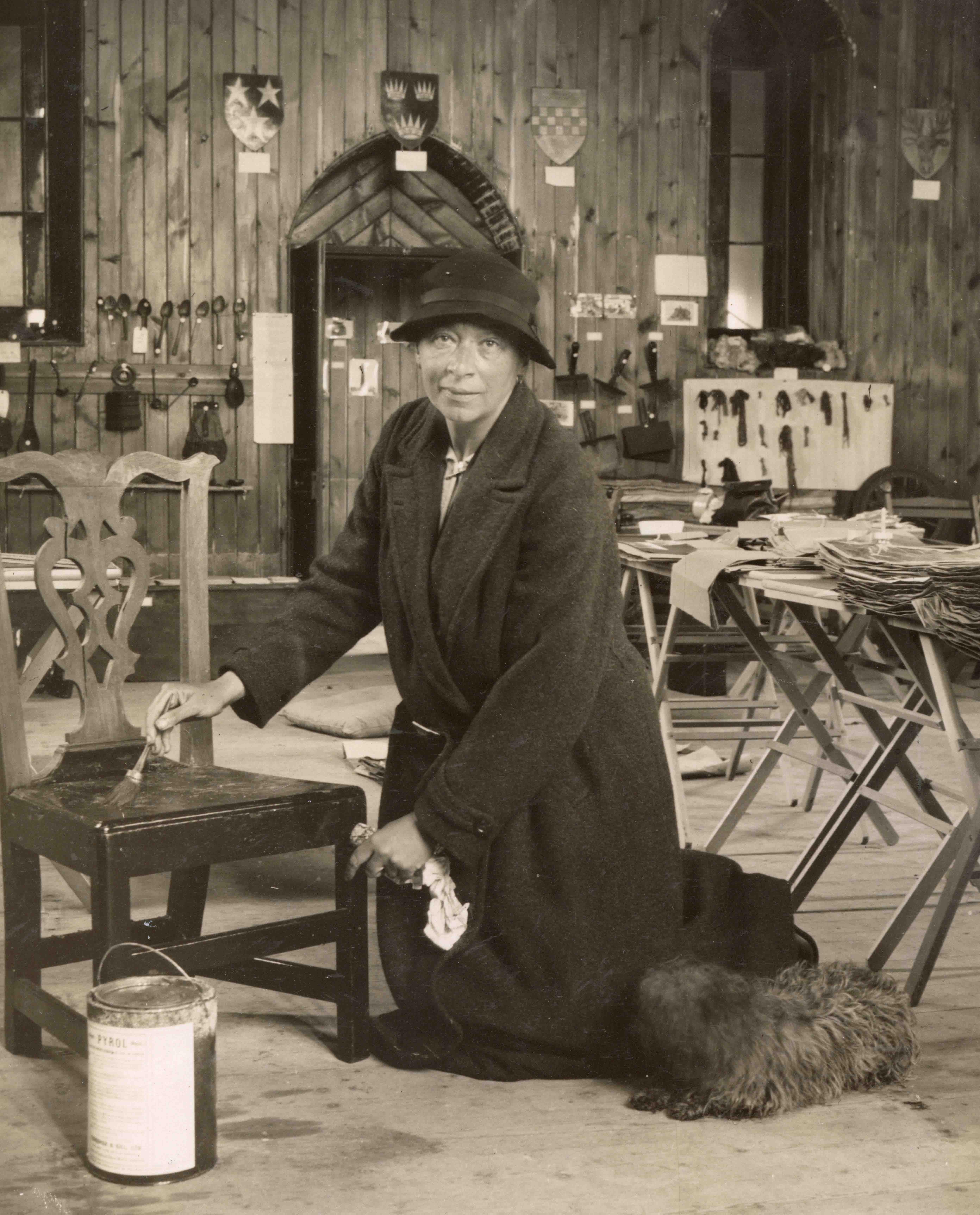
In a national context, it is fair to claim the Highland Folk Museum is unique in terms of its origin, its longevity and it cultural reach. Inspired by European folk museums Isabel F Grant (1887-1983) founded the Highland Folk Museum in 1936 on Iona, so that “the old setting of our daily life….be saved”. She named the Museum ‘Am Fasgadh’ (Gaelic: ‘The Shelter’) and began collecting artefacts from the fast-disappearing way of Highland life. By 1939 the collection had outgrown its Iona home and was moved for a period of five years to a disused church in Laggan, Inverness-shire.
Establishing a permanent home
At this time Dr. Grant was looking for a larger, more permanent site and in 1943 she bought a three-acre site in Kingussie, and on the 1st of June 1944 the Highland Folk Museum was opened to the public. Over the years she developed the site to incorporate three replica buildings; a Hebridean Blackhouse, a Central Highland cottage and a South-Western Highland cottage.
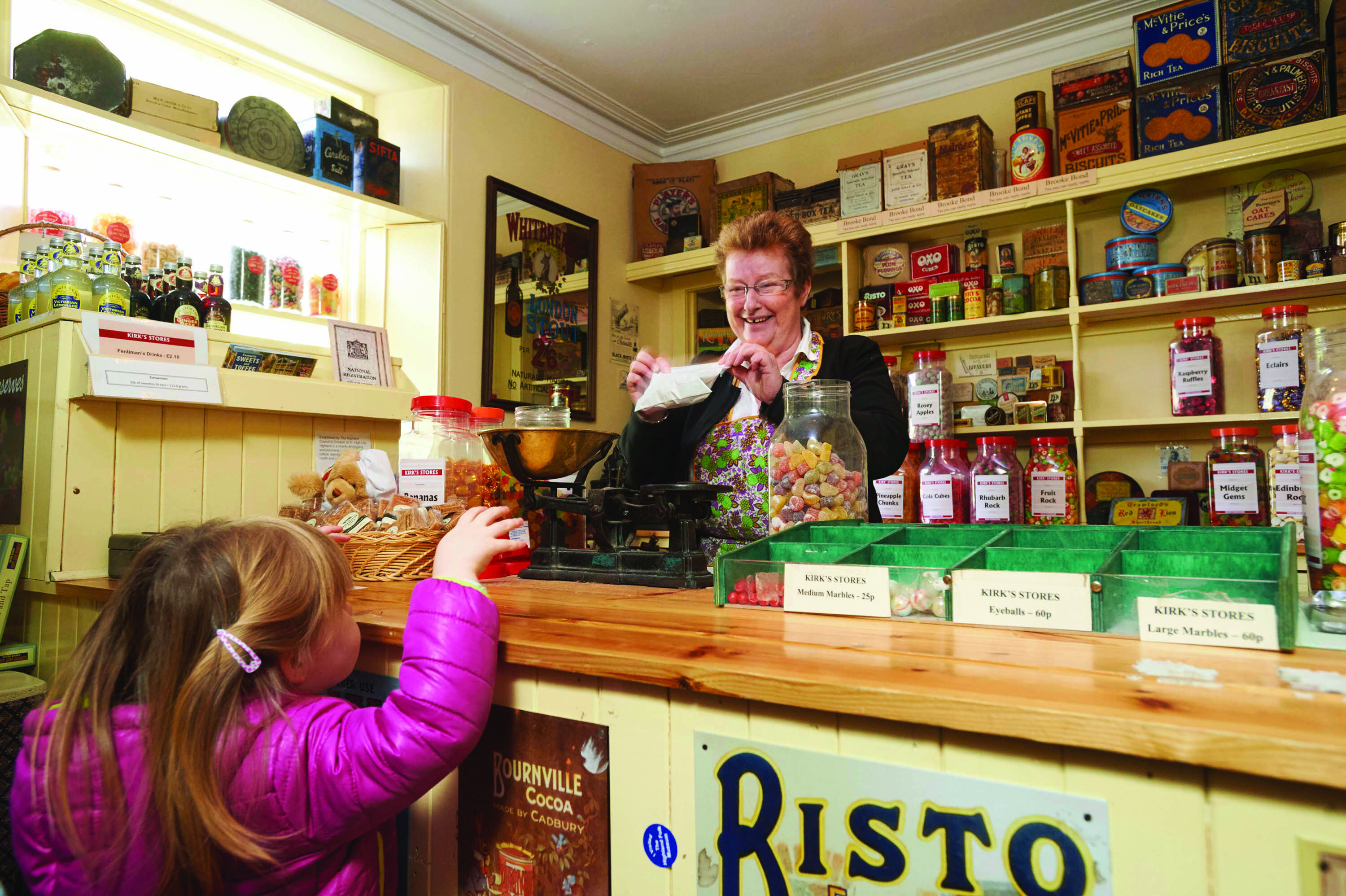
These buildings, along with the unique collection of everyday objects, tools and machinery were interpreted in all manner of lifelike settings. This ‘living history’ approach gave visitors a real insight to the living and working conditions of the Highlands in the past and the site is acknowledged as being mainland Britain’s first open air museum.
Growth and development
When Grant retired in 1954, ownership of the Museum and its collections was taken over by a Trust formed by the four ancient Scottish universities and George ‘Taffy’ Davidson (1893-1976) was appointed as curator.
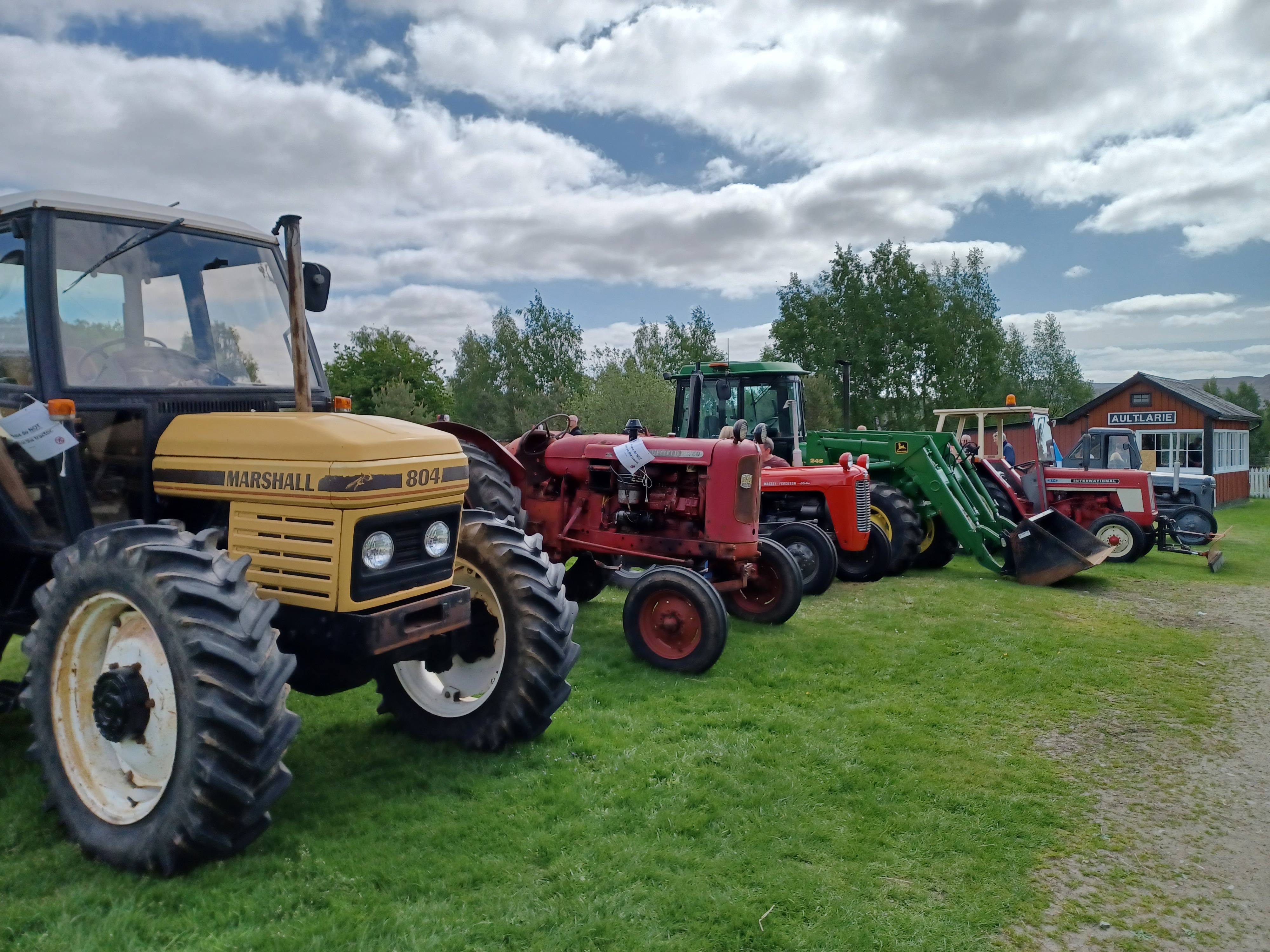
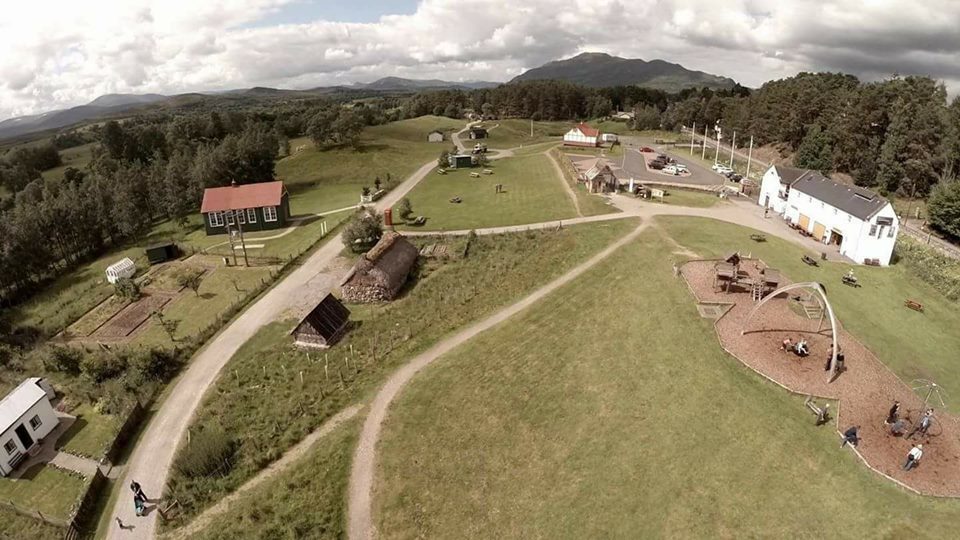
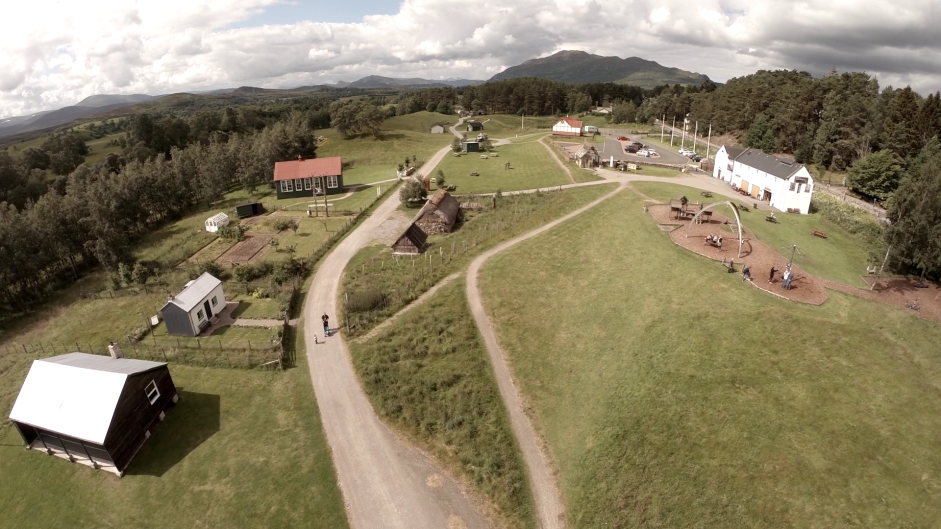
A new phase began in 1975, when the Museum was transferred to the Highland Regional Council. Ross Noble was appointed curator, who established the popular and successful "Heritage in Action" days. An eighty-acre site was acquired, about 3 miles away at Newtonmore, and work began to lay out the four distinct areas of the museum: Aultlarie Croft – a 1930s working farm; Balameanach (‘Middle Village’) – a community of relocated buildings; the Pinewoods – a forest area; and Baile Gean – a reconstruction of an early 1700s Highland township. The Newtonmore site opened to the public in 1987 and operated in tandem with the Museum in Kingussie, until the closure of the latter in 2007.
In 2013 a new purpose-built storage facility, ‘Am Fasgadh’ was completed and over the next year the remaining collection was moved from Kingussie. Am Fasgadh now houses over 10,000 accessioned items along with a conservation laboratory, research areas, library, meeting rooms and offices. Access to the collection is by appointment or guided tours by our store tour team.
Recognition and Accreditation
In 2015 the Museum was awarded Recognised status in respect of the Entire Holdings. Scotland’s Recognition Scheme celebrates and promotes Nationally Significant Collections, beyond those held in the national museums and galleries. This status acknowledges the importance and breadth of our entire collection of Highland material culture. Collectively, the Recognised Collections showcase the immense diversity in Scotland’s museum and galleries collections.
Highland Folk Museum is an Accredited museum. Museums within this national scheme are resilient, well governed organisations that meet and maintain an agreed upon set of professional standards. Our most recent reassessment was in 2024.