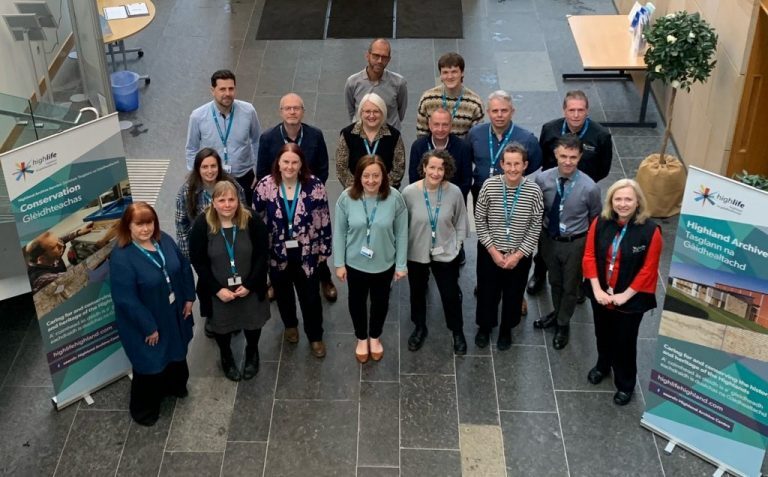


As the winter weather finally starts to pass and the changing clocks propel us into spring, it's time to send round an update of our news and activities since the beginning of the year. If you have any feedback or would like to know more about any aspect of our work please contact us on archives@highlifehighland.com.
Highland Archive Centre Update
Collections Audit
The Highland Archive Centre team started the year, for the first time, with a two-week closure which allowed us to undertake a partial collections audit. Several high-usage collections were chosen to be reviewed item by item to check for listing errors, discrepancies, or conservation needs. With around a million items in our collections in the Highland Archive Centre alone this is an ongoing but vital job to ensure the collections' preservation and accessibility for future generations.
Events and activities
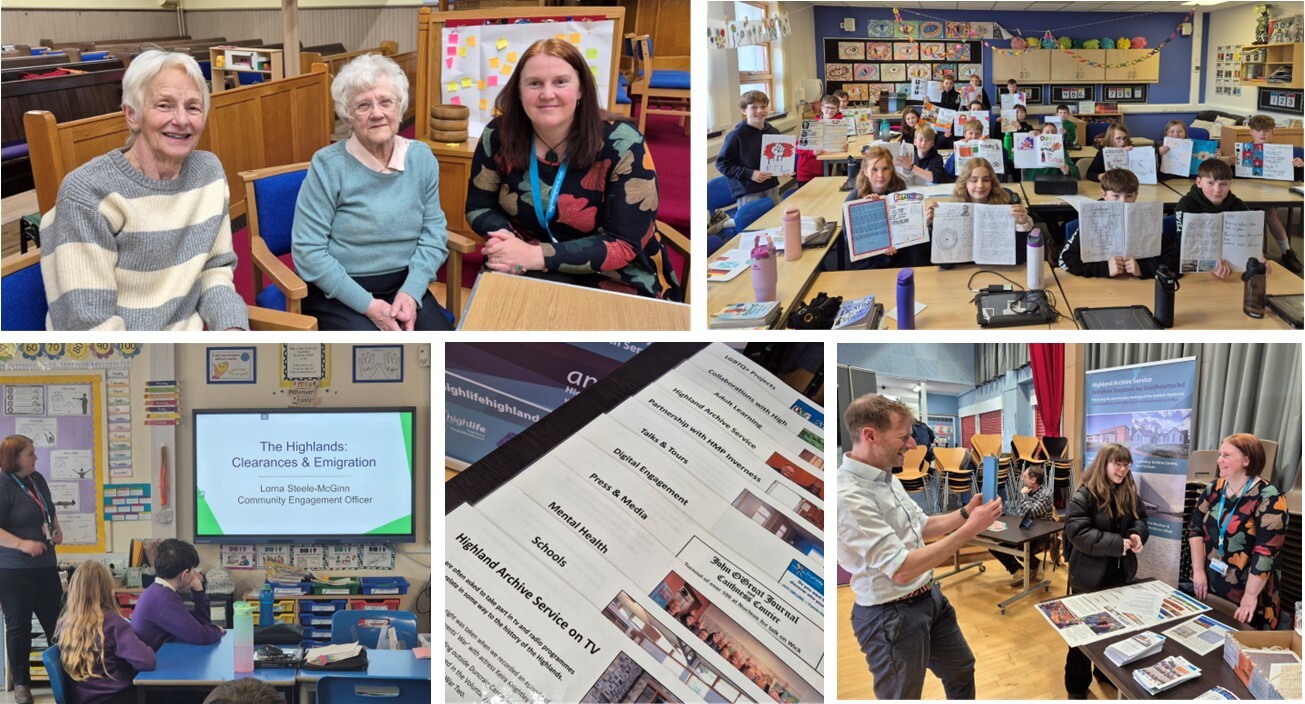
As well as welcoming many researchers to our searchroom, the first quarter of 2026 has been incredibly busy for engagement activities, talks, and group visits, with 60 events reaching over 2000 attendees. We have spoken to local history and heritage societies, church guilds, U3As and health support groups about a wide range of subjects. We have really enjoyed continuing our strong relationships with the University of the Highlands and Islands (speaking to students as part of their Public History module) and HMP Inverness (working with prison learners on the history of Highland prisons and how to gather an archive of their current building prior to their upcoming move to HMP Highland). As always, it is a pleasure to share our collections with these audiences and to learn from their experiences and interactions with the documents.
Education
We are proud to maintain close partnerships with many schools in the Highlands, and have continued working with pupils and teachers from across the area. Since the beginning of the year we have helped Kingussie Primary School mark their 150th anniversary (which resulted in a substantial addition of records to our collections), supported DYW careers fairs, given talks to the pupils of Cawdor, Duncan Forbes and Bishop Eden's about the Highlands in World War Two, looked at the Victorians with the pupils of Newmore Primary, and spoken about the Jacobites and the Clearances with pupils at Duncan Forbes and Balloch. In addition it has been a pleasure to welcome to the archive centre pupils from Lochardil Primary School and Inverness Royal Academy.
Learn with Lorna
Our series of short online talks about the records held by the Highland Archive Service returned on 22nd January 2026 after a Christmas break. As advertised in our last newsletter we are looking forward to hosting an in-person Learn with Lorna event at the Highland Archive Centre on 28th May 2026. A talk on some "Treasures of the Highland Archive Service" will be followed by the chance to see some of the many documents that have featured across the 6 years of the series and to meet some of the other team members who have contributed research over the years. We are really looking forward to welcoming LWL viewers to the archive centre, celebrating the community that has grown from the series, and saying thank you to all who have helped it grow. The few remaining tickets are available via https://tickets.highlifehighland.com/events/highlifehighland/2057468 or by contacting the Highland Archive Centre direct.
We really appreciate all requests to give talks (in person and online), tours, and run school workshops, so if you're a member of group or a teacher, why not get in touch to hear stories from our collections and learn about the work of the archive service?
In the meantime, thank you for your support of our work which is greatly appreciated.
Family History
Family Historians Anne Fraser and Alasdair MacDonald have been busy since our last newsletter undertaking research for people and delivering classes (in person and online) to support those looking into their own family trees.
We were delighted to host, on 14th March, a sold out event to mark National Genealogy Day, which saw 40 people attend for a talk on 'The Quirks of Family History', browse case studies illustrating the use of archival material in genealogical studies, and chat all things family history with our staff.
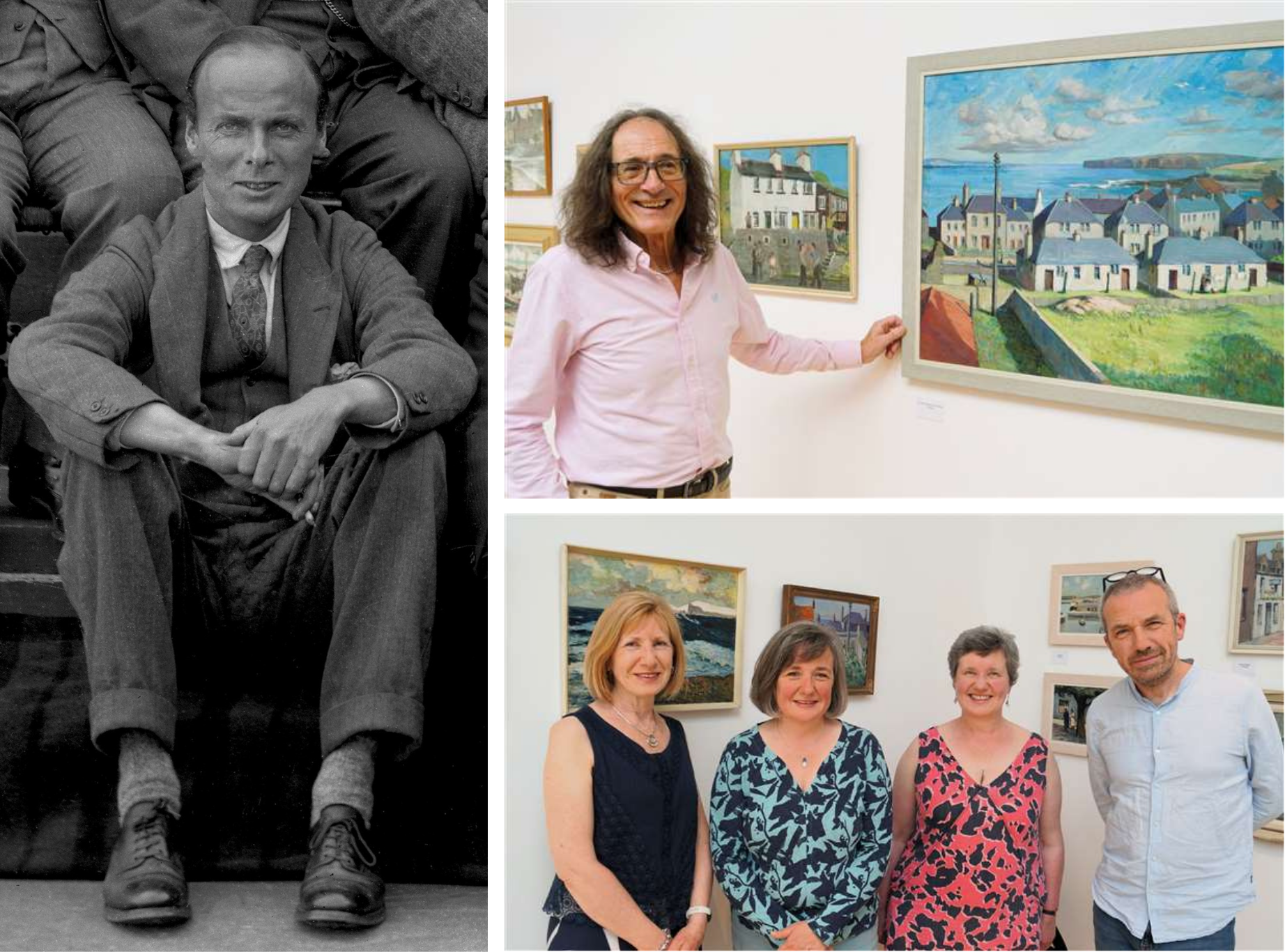
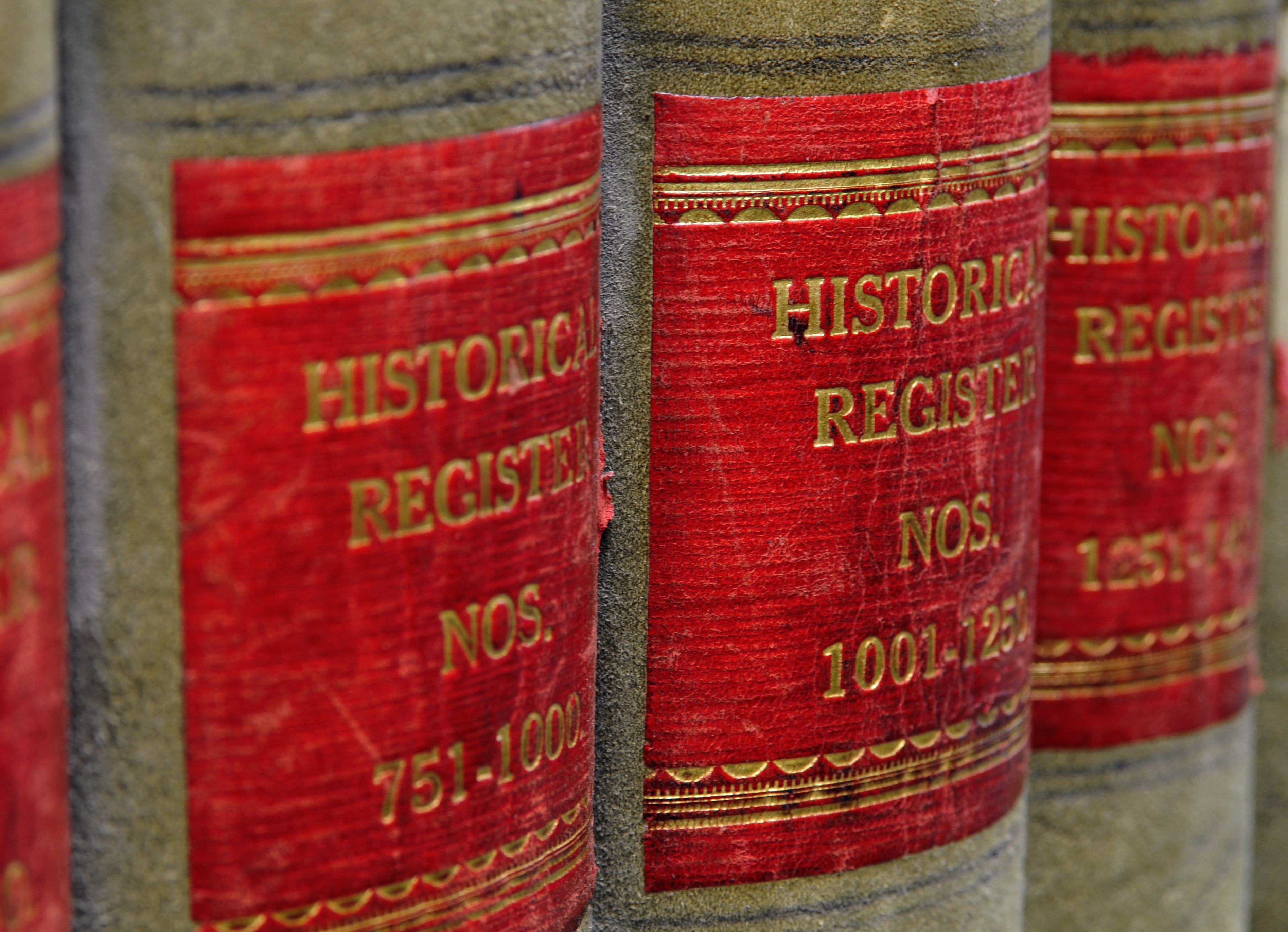
The importance of investigating a wide range of archival sources when researching family history was also at the forefront of a piece of work Anne recently completed along with our colleagues in Nucleus: The Nuclear and Caithness Archives (seen in images below) - a piece of genealogical research for Iron Mountain journalist, Jim Levack.
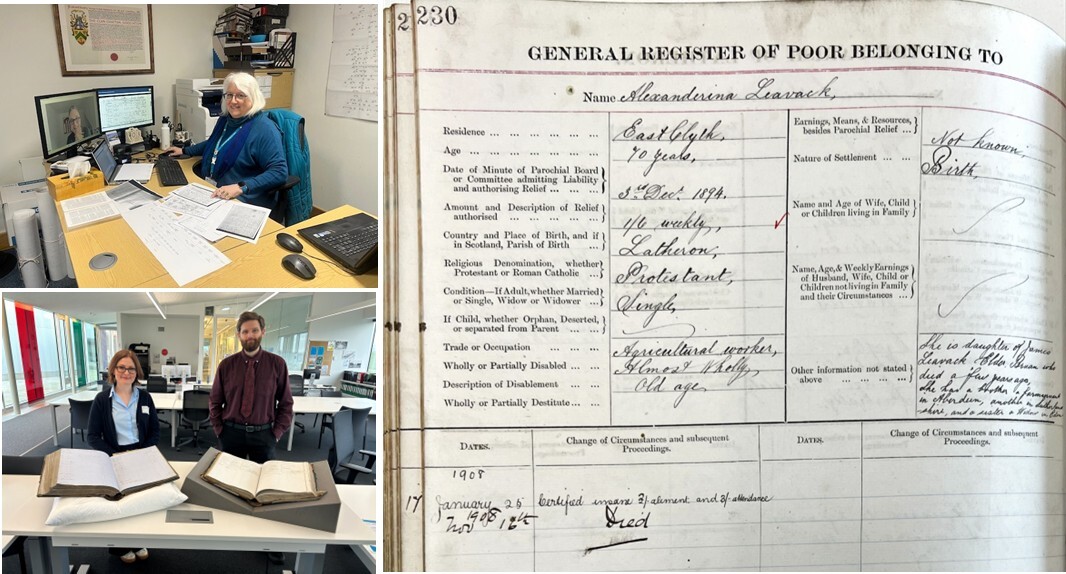
A search through birth, marriage, and death entries, followed by school, land, and parish records, revealed the stories of nine generations of Levacks starting with those who, from the early 1700s onwards, eked out a living from small crofts and fishing in Caithness. Jim was moved to learn about Henry, an illegitimate child, and Alexandrina who, in 1894 at the age of 70, was added to the General Register of the Poor for Latheron parish (image above right). Described as 'almost wholly disabled by old age' she was admitted to Latheron poor house and died in 1908. Jim's reaction to the documents is something frequently experienced by those interacting with archival material. As Caithness Archivist Jamie McCaffrey says, “It can be very emotional for people, particularly when they hold original material that their ancestors held or when they see their handwriting for the first time. That’s when it moves from genealogy into something immediate and incredibly personal.”
The research carried out by Anne and the Nucleus team revealed the family's move from Caithness, first to Aberdeenshire, and then to London, where Jim's great great grandfather became first a granary labourer and then a nightwatchman, setting up base in Chiswick, the family's home for subsequent generations. It was a pleasure to work on Jim's family tree and to see, once again, the power archives have to connect people to their own past and the past of places across the country.
Family History vouchers make wonderful presents and can be purchased by contacting us via the details below or by visiting our online shop.
For more information about the work of our family historians, or to request some research, please contact us on geneaology@highlifehighland.com.
Am Baile - Highland History and Culture website
For this newsletter's Am Baile article we're looking at items on the website relating the Bught area of Inverness (the area surrounding the Highland Archive Centre) which was recently a topic of discussion at one of our football memories events.
The name Bught is believed to come from the Gaelic bogha, meaning “a green bow-shaped area beside (and created by) a river “. The earliest written mention of it comes from 1322 when the Abbot of Arbroath granted the lands of the Bught to Sir Christian del Ard (it had been previously granted to the Abbey of Arbroath by William the Lion in the 1190s but not specifically named in the charter).
The main residence on the estate, Bught House (pictured below left), was built in the mid-18th century. Bishop Forbes described it in 1762 as “a snug box of ten fire rooms.” The house underwent significant alterations in the 19th century and the OS name book in the 1870s describes it as "a commodious residence… it has extensive outbuildings and garden attached, the buildings are in good repair and occupied by the proprietor Duncan Grant esq." Upon his death the estate passed to his wife, Catherine Munro Warrand.
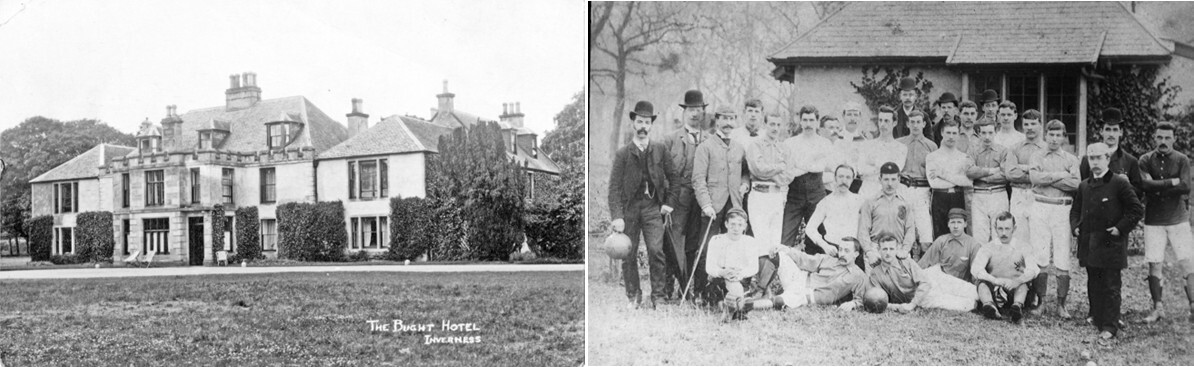
In 1888, a major sporting event took place on the Bught Estate when Glasgow Rangers came to play an Inverness Select (pictured above right). A crowd of around 4,500 came to watch the game which Rangers won 4-0. This was no disgrace as Rangers were one of the top teams in the country and the Inverness team had never played together before.
The land of Bught Estate eventually came into public ownership in April 1923 when Colonel Alexander Warrand, who had never married and had no children, offered the land to the town. When put up for sale in 1920 he asked for £13,500, a figure well below the market value (between £600k and £800k today, depending which formula you use). After much negotiation, the Town Council acquired the land, buildings and fishing rights for £11,250.
Over the subsequent decades, the area became a significant venue for sport, leisure and recreation in Inverness. The first shinty final played at the Bught was the Camanachd Cup Final on 7 April 1923 which saw Furnace defeat Newtonmore 2-0. The attendance was in excess of 3,000. In 1935, Inverness Shinty Club made it their permanent home. In June 1933, the Town Council decided to erect a permanent sports ground at the Bught and providing suitable facilities not just for shinty but for football, rugby, hockey and athletics. The work included the construction of a pavilion and a grandstand which could accommodate 1,200 spectators. By the mid-1930s, the Park was the home to a thriving amateur football scene greatly assisted by the formation, in 1935, of the North of Scotland Scottish Junior Association.
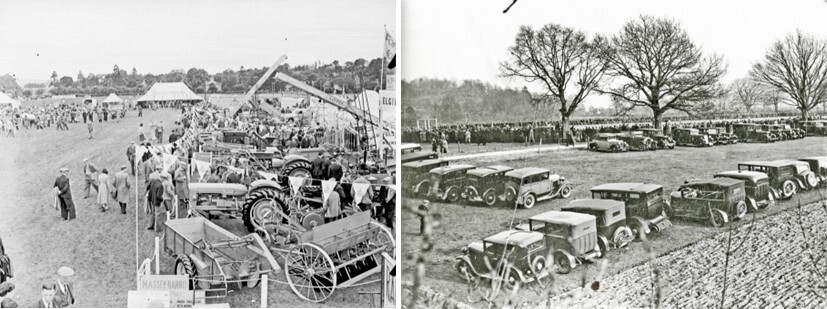
The Northern Counties Agricultural Society held its annual shows at the Bught, beginning in 1930. In addition to displays of livestock there were horse riding demonstrations, displays of work from the various branches of the Scottish Women’s Rural Institutes in the north of Scotland. In 1948, the first post-war Show of the Royal Highland and Agricultural Society was held at the Bught and attended by the King and Queen. The Inverness-shire Farmers’ Society also held their shows here. Images of some of these many uses can be seen below.
Other pre-war attractions at the Bught included circuses - Lord John Sanger and Bertram Mills, amongst others, pitched their circus tents on Bught Park and pony racing was held under the auspices of the Scottish Pony Turf Club. During World War II there were inter-service sports competitions. Highland Games came to Bught Park in July 1950. The first military tattoo at the Park took place in August 1953 with the Navy, Army and Air Force Coronation Display. On 3 May 1955, the charismatic American evangelist Dr Billy Graham held a rally during his preaching tour of the UK and Ireland and 12,000 worshippers came to hear him speak.
Bught House later became a hotel and was demolished in 1967 to make way for the Inverness Ice Centre and the town’s first indoor curling rink. The house’s high-walled garden became a plant nursery and is now Inverness Botanic Gardens, neighbour to the Highland Archive Centre. Recently, the Bught Stadium changing rooms and the grandstand have been upgraded and a new pavilion, incorporating a major shinty exhibition, built at a total cost of £9.6 million.
The Am Baile website can be found here.
Conservation
We were delighted to welcome conservator Carrie back from maternity leave at the end of March. It's lovely to have her in the studio again and she's straight back to working on books from the Chivas Brothers collection, Strathisla Distillery.
Scottish Catholic Archive
The High Life Highland Conservation Service is currently in the final stages of the first round of a three year project for the Scottish Catholic Archive supported by the Menzies Trust. The objective of this project is to preserve and make available valuable documents that detail the Menzies estate over almost 400 years.
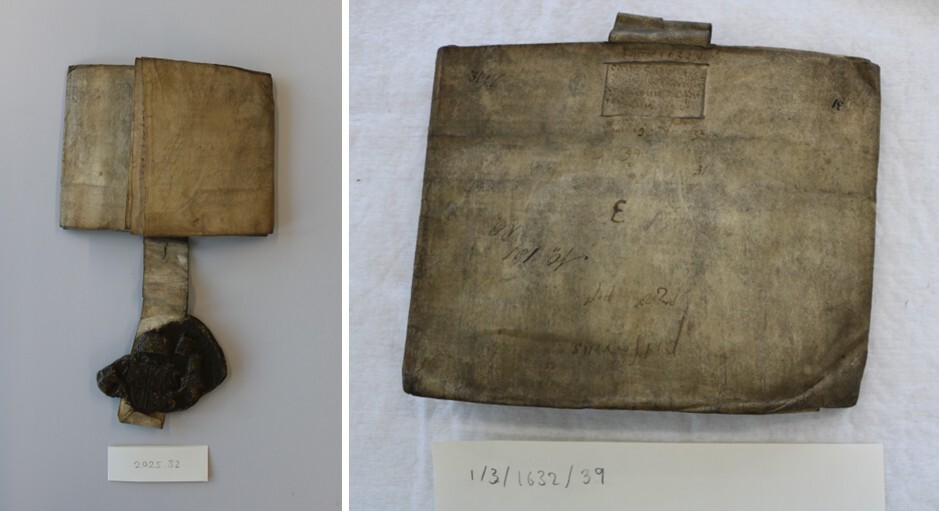
John Menzies of Pitfodels 1756-1843, benefactor and philanthropist, was born on the 15th August 1756, the last member the Roman Catholic family from Pitfodels in Aberdeenshire. The Menzies of Pifodels collection consists of 6 boxes of material dating from 1518 – 1899, a mix of paper and parchment. They have not been available for general use before as the parchment manuscripts were tightly folded, springing back when opened (images below). The chance of causing more damage from handling was high and our conservators therefore have been working on cleaning, humidifying and packaging the manuscripts so they can be viewed, digitised and studied.
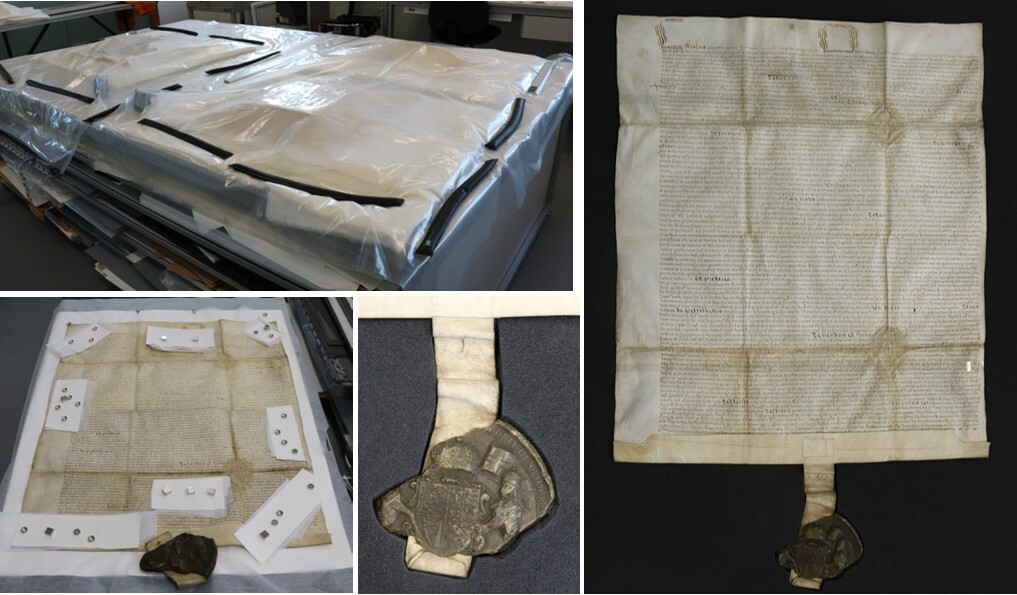
The documents were first cleaned using a latex aerated sponge, with stubborn areas of dirt cleaned using a grated Staedtler eraser. The documents were gently unfolded and humidified within a humidity chamber; the document would sit on supporting smooth polyester fabric (bondina), and sympatex – a material which allows moisture through without droplets and wet capillary matting. The chamber (below top left) is created using polythene, weighted around the edges. The humidity is measured inside the chamber using a humidity sensor (hygrometer). The documents were left within the chamber to relax, before being removed and dried between bondina and blotting paper under weights.
Folds that still obscured writing were further humidified with 3/1 water/isopropanol applied using a fine brush, and blotted immediately using bondina, blotting paper and a bone folder. The documents were then tensioned flat using strong magnets on a metal sheet and allowed to dry fully between bondina and blotting paper under tension (below bottom left). This allows the parchment and creases to remain natural, a sympathetic way of easing tension and folds in parchment.
After treatment the documents were housed on supported custom archival foam (plastazote) backing using strips of 75micron polyester to trap the documents to the plastazote and contained within a custom box made from archival folding box board. An example of a finished document and seal can be seen below.
Having this collection conserved will allow for comprehensive study of John Menzies of Pitfodels and his family, who were important landowners from the early 16th century onwards, which would show great insight to the social structure of the Northwest of Scotland. In addition it is possible that the Menzies papers will provide further understanding of how a Catholic family managed to survive such a violent period in Catholic history.
For more information about our conservation work please visit https://www.highlifehighland.com/archives-service/conservation/
Contact The Highland Archive Centre
The Highland Archive Centre, Bught Road, Inverness, IV3 5SS
Nucleus: The Nuclear and Caithness Archive Update
We have enjoyed a busy and interesting start to 2026 with a wide variety of events and activities, some of which we have shared below!
Dounreay Reminiscence Group:
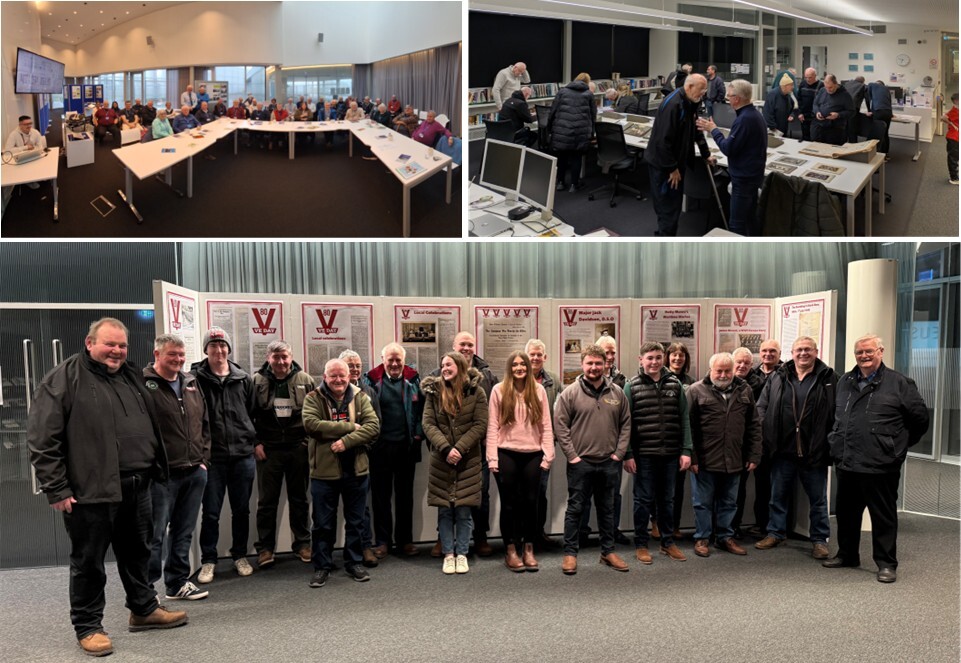
The DRG is a collaborative project run by NRS Dounreay and Nucleus: The Nuclear and Caithness Archives which brings ex-employees, friends and family together to reminisce and socialise, whilst capturing precious archival metadata for posterity. The DRG has been running since 2022 and over that time has grown in both membership and programming to include events such as talks, bespoke archive displays and metadata capture sessions (image below top left). The 2025/2026 run has been excellent and more sessions will follow from October 2026. Highlights this year included talks from long time member Grant Coghill on his memories of PFR, as well as a fascinating talk from the Dounreay Drone Team.
Regular sessions run from October to March each year. Interested in attending? Join the mailing list by contacting: north.highlandarchive@highlifehighland.com
Caithness Football Memories
Following several significant deposits of archives relating to local football teams and initiatives, a new reminiscence group called Caithness Football Memories was launched at Nucleus in 2025.The group is for anyone and everyone with an interest in Caithness football, past and present. Attendees are able to explore photographs and memorabilia, as well as bring along their own keepsakes, memories and stories (image above top right). There is also tea, coffee and biscuits for everyone. If you are interested in attending look out for events posted on our Facebook page or get in touch with us at north.highlandarchive@highlifehighland.com to join our mailing list.
Also, don’t miss the newly curated display of football and golf memorabilia at Nucleus including several trophies, medals and artifacts.
Agricultural Heritage
The Caithness Archive team was delighted to welcome both the Caithness Tractor and Machinery Club (26th January - pictured above) and the Caithness Farmers Society (4th March) for special evening events at Nucleus. Following a presentation about the building and the records we care for, a bespoke display of agricultural records was on display in our public searchroom. Both evenings also led to new deposits of records to the Caithness Archive, enriching further the agricultural heritage preserved at Nucleus for generations to come.
If you would like to organise a bespoke visit to Nucleus for a group, organisation or club then get in touch with the Caithness Archive Team today:
T: 01955 29 00 50
E: north.highlandarchive@highlifehighland.com
Engage with us online
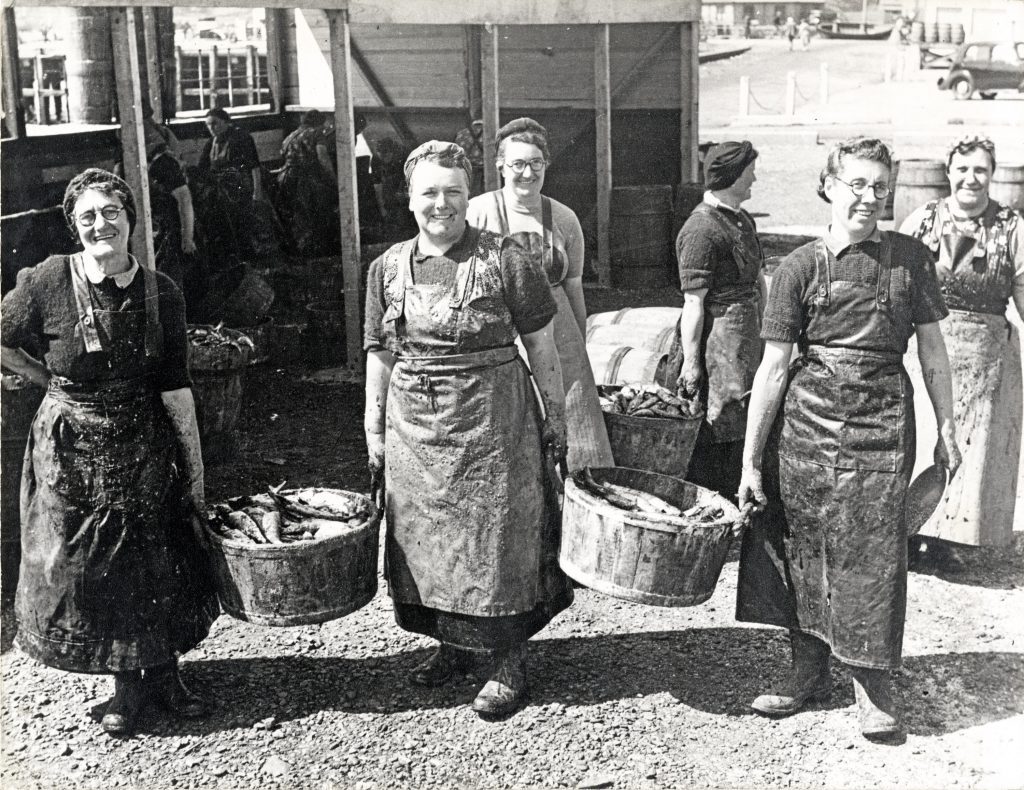
Our online exhibitions, including 'Atomic Housing: Thurso Transformed', 'Atomic Recreation', and 'WK: History of a harbour' can be found on our website along with all previous editions of our blog, 'Stories From The Archive', which take an in-depth look at our collections. Please do have a look and please follow us on Facebook to see a wealth of material from Caithness' history!
Contact Nucleus
Nucleus: The Nuclear and Caithness Archive, Airport Industrial Estate, Wick Airport, Wick, KW1 4QS
Skye and Lochalsh Archive Centre Update
We’ve had a steady and productive start to the year as we ease into spring. Researchers and visitors have continued to use our collections, exploring a wide range of topics—from local family histories to broader themes in Skye’s past. Our community groups also continue to go from strength to strength, providing valuable opportunities to share knowledge and connect over local heritage. Over the winter months, we’ve been actively supporting these groups through talks, pop-up displays, and meetings, helping to share expertise and develop ideas for future projects and events.
In January, we were pleased to give a talk at the History of Minginish event at Portnalong Hall. This event brought together local residents and those with an interest in the area’s past. Our talk focused on the early history of Tusdale and Eynort, examining the impact of early clearances, land-use patterns, and the lives of the people who once lived in these townships. We also explored the history and significance of St Malerubha Chapel, an important local site, and hope to return later in the year to continue sharing more archive stories.
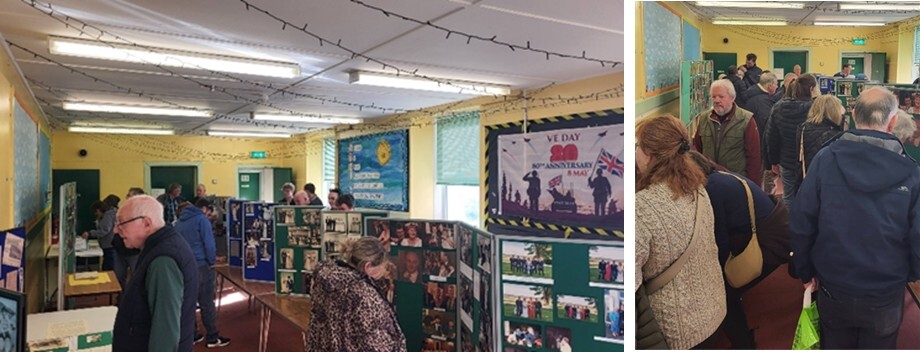
January also saw a welcome return to the Struan History Group for a well-attended day centred on education records and crofting history - two themes that resonate strongly within the local community. The event featured a fantastic selection of photographs and archival material gathered by local contributors, sparking discussion and shared memories. We were delighted to follow this up with a second event in March, which focused on weddings, social events, and The Clarion newspaper, offering a glimpse into the area's social life and traditions in years gone by.
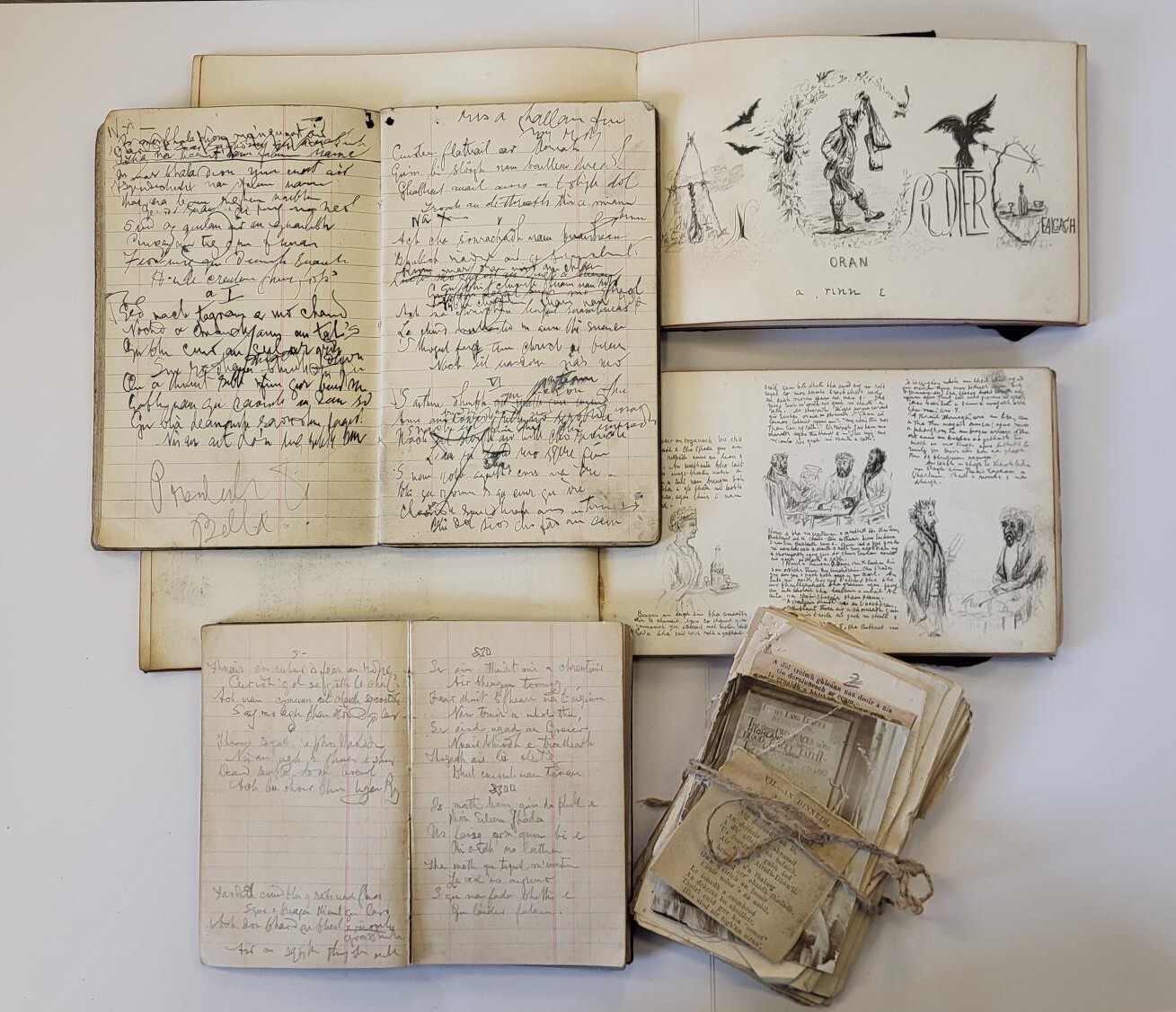
The Clarion newspaper has emerged as a particularly popular topic in recent months. Through a series of talks, we’ve explored its origins, its role within the community, and the many personal stories captured in its pages. These events have been delivered in collaboration with the Portree Local Historical Society and Comunn Eachdraidh Shlèite (Sleat Local History Society). This highlighted the continued interest in, and importance of, preserving and sharing local history. As we move forward, we look forward to welcoming more members of our community to become involved, ensuring our shared heritage remains vibrant for generations to come.
Contact Skye and Lochalsh Archive Centre
Elgin Hostel, Viewfield Road, Portree, IV51 9HA
Lochaber Archive Centre Update
It has been a busy time for outreach at the Lochaber Archive Centre. In January we attended the Highland Council's Vision 26 Lochaber event at the Nevis Centre and spoke to parents and teachers about our work with young people across the area.
In March, there were visits to Bun-Sgoil Ghàidhlig Loch Abar and Acharacle Primary School (below left) to talk about Highland Clearances and the Jacobites respectively. Visits to both Gaelic-medium schools gave Archivist Rory Green the chance to support curriculum studies using related archival materials, and to speak some Gaelic with the P6 and P1-5 pupils. There are further school visits planned in the coming months.
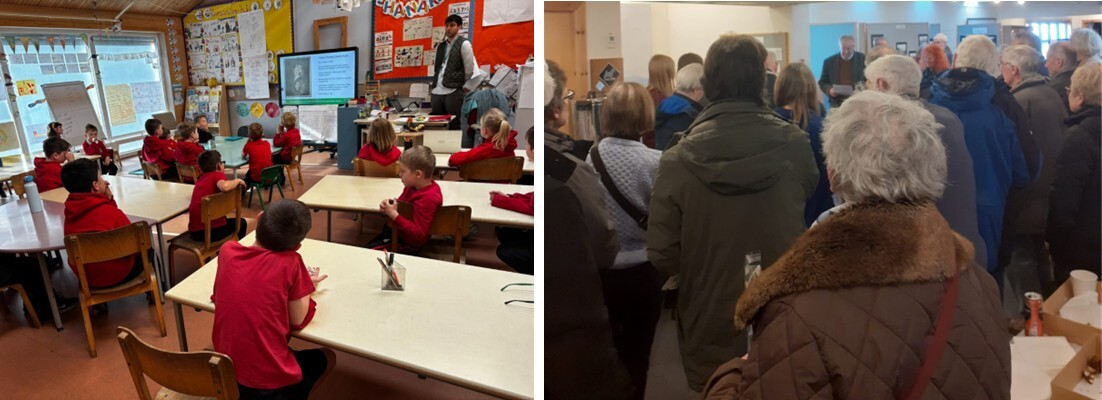
Continuing in positive relationships made over the past year or so, the Lochaber Archive Centre once again teamed up with Mallaig Heritage Centre in an event celebrating the 125-year anniversary of the West Highland Railway Mallaig Extension (above right). Organised by the West Highland Community Rail Partnership and Friends of the West Highland Lines, in partnership with Network Rail, ScotRail, and Glenfinnan Station Museum, this was held at the Mallaig Heritage Centre on the 1st April. Lochaber Archivist Rory Green and Mallaig Heritage Centre manager Morag MacLean worked together on a specially curated exhibition which showcased their respective collections and helped to tell the story of the railway’s arrival in Mallaig. This was the first of many collaborations planned for 2026 between Lochaber Archive Centre and Mallaig Heritage Centre.
We look forward to the arrival of spring and summer, more chances to get out into the Lochaber community, and to welcoming more visitors into the Searchroom.
Contact Lochaber Archive Centre
Alexander Ross House, Achintore Road, Fort William, Inverness-shire, PH33 6RQ
Would you recommend High Life Highland?
The Highland Archive Service, along with the rest of High Life Highland, is always working to improve so that we can continue to make life better for people in the Highlands and beyond. Please take a moment to help us by rating our service via this quick online survey.
We would really appreciate hearing from you about your interactions with the Highland Archive Centre, Nucleus: The Nuclear and Caithness Archives, Lochaber Archive Centre, and Skye and Lochalsh Archive Centre and Am Baile. Your contributions help us to shape our service.
Thank you.
Your donation can make a difference
Did you know that by making a donation you can play a part in helping the Highland Archive Service preserve, conserve and make accessible over 700 years of Highland history?
High Life Highland is a charity and we rely on your donations now more than ever. You can make a donation to any one of our archive centres or Am Baile and help us to continue our work as well as delivering extra services such as the events, talks and exhibitions you have been reading about in this newsletter.
Donate to Highland Archive Service
The Archive Service preserves, conserves and makes accessible over 700 years of Highland history. There is no charge to visit our Archive Centres and access the collections we hold, but High Life Highland is a charity and we rely on your donations.
Join Highlife
A highlife membership offers you and your family access to a range of health and fitness opportunities in leisure centres throughout the Highlands. In addition to swimming pools and gyms, your membership allows access to court activities, swimming lessons and a huge range of group exercise classes for people of all abilities and interests. Your membership also secures access to great range of local benefits as well as accessing libraries and other facilities.
For more information, or to join, please visit https://www.highlifehighland.com/join-high-life-highland/