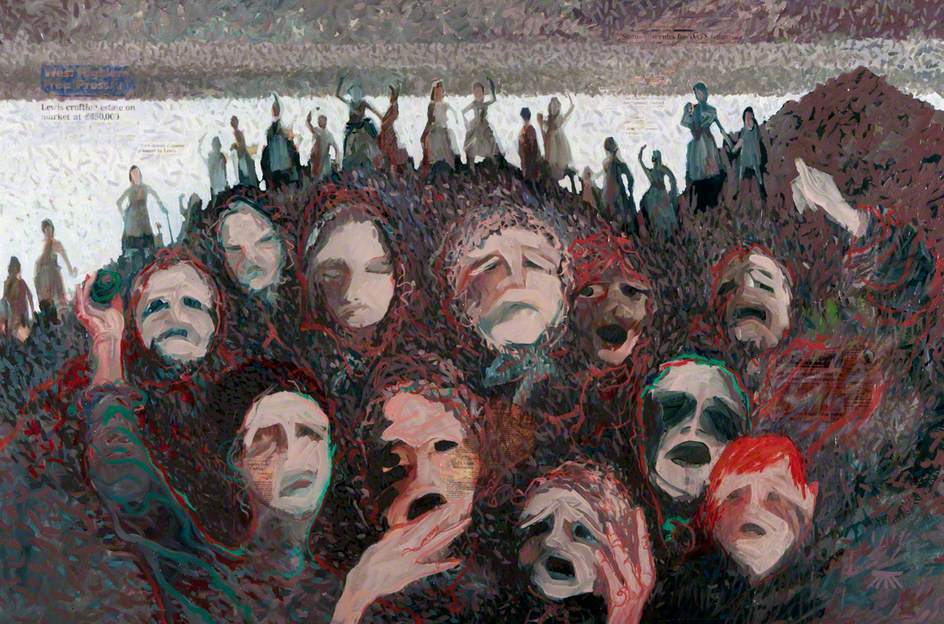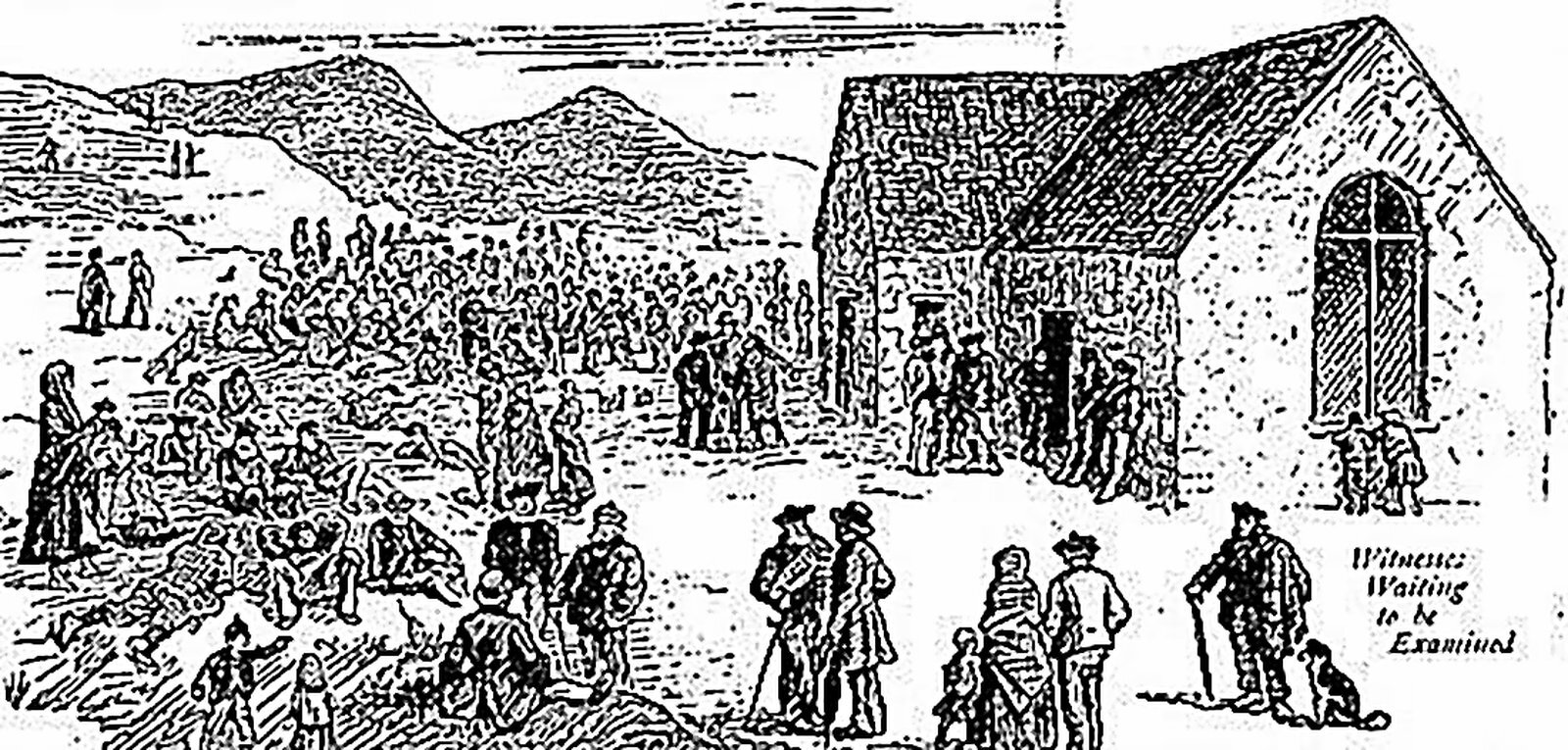



Song and poetry have long been, and still remain, an important medium for the expression of history, cultural identity and political views in the Highlands. Since the Battle of the Braes was fought, it has influenced some of Skye’s best-known artists, including Skye born political poet Màiri Mhòr nan Òran, Raasay born Gaelic poet Sorely MacLean and Skye’s world-renowned Celtic rock band Runrig.
Màiri Mhòr nan Òran (Big Mary of the Songs)
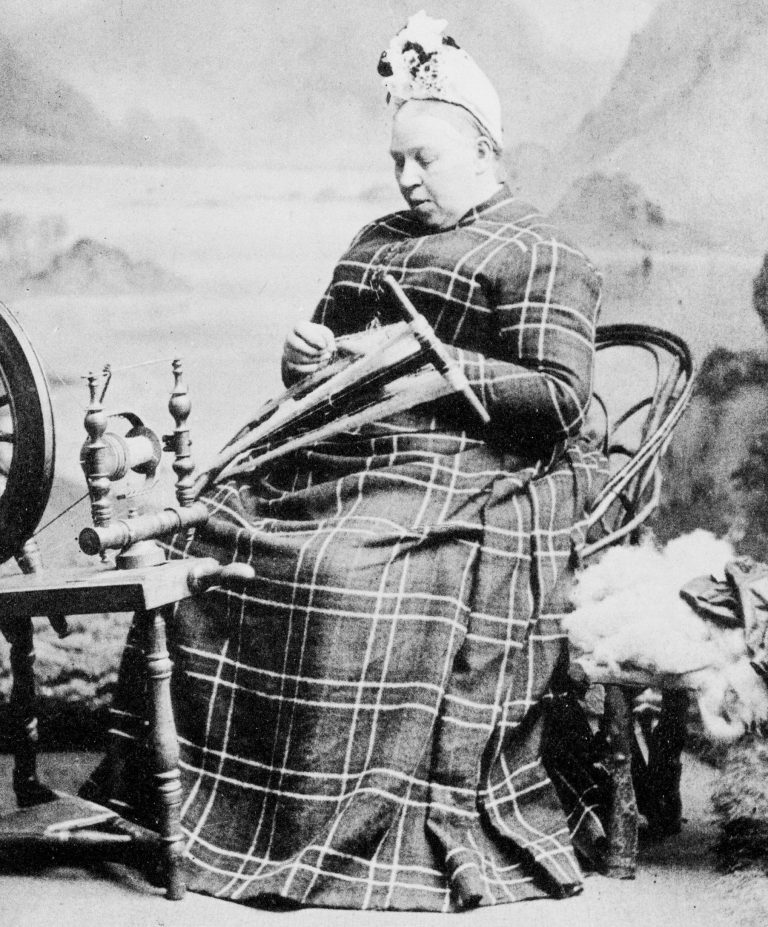
Màiri Mhòr nan Òran (Big Mary of the Songs) was a renowned Gaelic poetess and political activist famous for her songs of exile and powerful prose during the days of the Highland Land League.
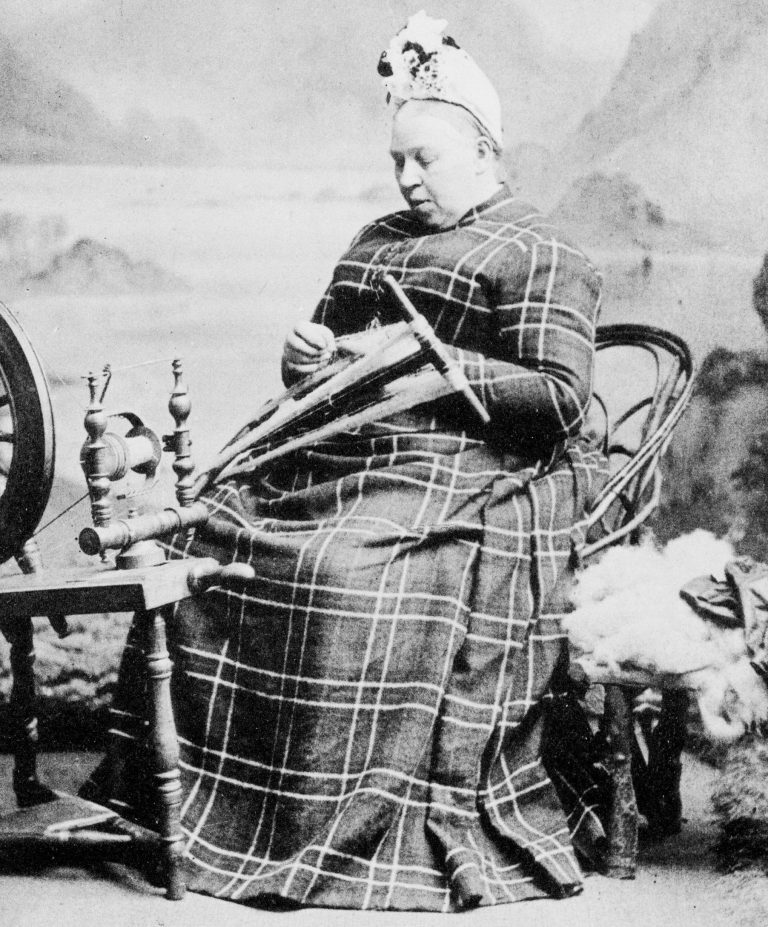
Born on the 10th March 1821 in Skeabost on the Isle of Skye, Màiri lived and worked in Inverness and Glasgow. In 1871, while working as a domestic servant, Màiri was accused by her employer of stealing a piece of clothing and after standing trial and being found guilty of the offence, was sentenced to 40 days in prison.
Màiri was humiliated by this ordeal and never forgot it, spending the rest of her life protesting her innocence and expressing her anger through her poetry. She wrote that it was the shame she suffered that brought her poetry to life.
Màiri returned to the Isle of Skye in 1882 where she was actively involved with the crofters fight for land rights. Known throughout the Highlands and Islands as the Bard for the Highland Land League, Màiri’s songs were a powerful way to spread information about the crofters fight amongst a community of working people, many of whom could not read or write.
One of her most famous songs Òran Bèinn Lì was composed after the crofters in Braes won their 1882 court case to have their grazing rights on Ben Lee returned to them along with their rents being reduced to a fair price. The following extracts and translations are from Òran Bèinn Lì and give a sense of both the crofters’ struggle and the community pride in their achievements:
"S na diùlnaich a b’ uaisle, ‘S nach robh riamh ann an tuasaid, Chaidh na ruighich a shuaineadh’ Gu cruaidh air an dùirn"- and the heroes most noble, that were never before in a fight, the handcuffs were twisted, hard on their fists. "S na mnathan bu shuairce, ‘S bu mhodhaile gluasad, Chaidh an claiginn a spuaiceadh’ Ann am bruachan Beinn Lì"- and the kindliest women, of conduct most mannerly, their skulls were broken, On the braes of Beinn Lì. |
Listen to Catherine Anne MacPhee sing Òran Bèinn Lì here.
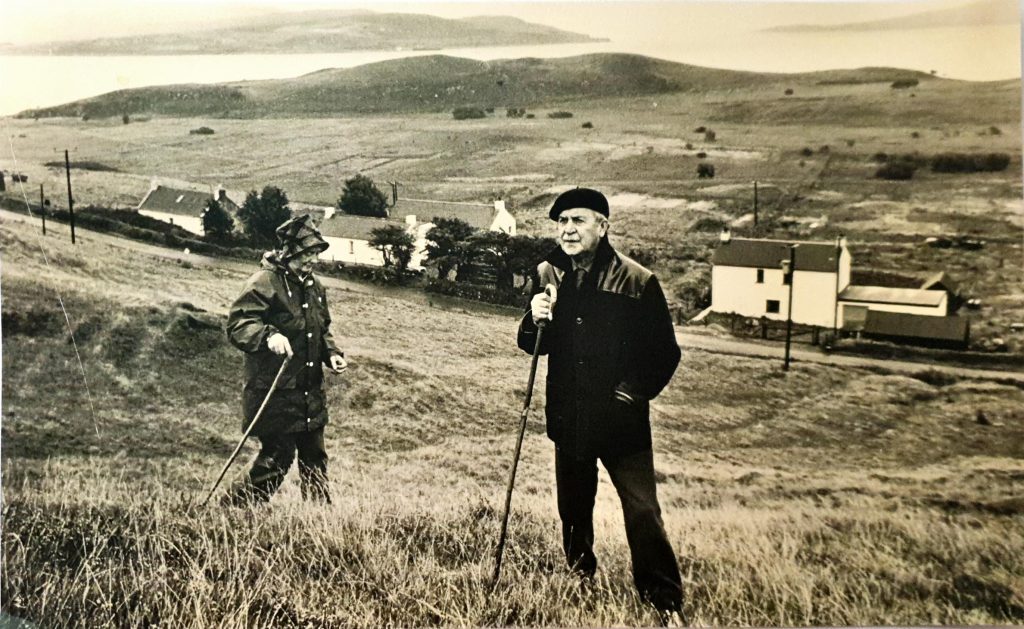
Sorley MacLean
Sorley MacLean was one of the foremost Gaelic poets of the twentieth century and many of his works, including “Dàin do Eimhir” (“Poems to Eimhir”), “Hallaig”, and “An Cuillithionn” (“The Cuillins”), have become seminal texts in Gaelic culture.
“An Cuillithionn” (The Cuillins) takes the mountain range of the Cuillins as its central figure, using it as a symbol through which to explore the competing political ideologies in Europe at the time of writing in 1943. The legacy of the Clearances, the Crofters’ War and the Battle of the Braes is felt throughout, shaping the identity and outlook of the poem. In this extract, MacLean portrays the problems of depopulation on the islands, giving a sense of the degradation of community and culture worsened by the lack of heroes on Skye now that the men of Braes are gone. These themes have continued importance today. However, hope is not lost, as embodied by the word “fhathast” (“yet”).
Seo latha eile air na slèibhtean (Earann II: 138-155) | Another day upon the mountains (Part II: 138-155) |
Runrig
A Scottish Celtic rock band formed on Skye in 1973, Runrig released fourteen studio albums, with many of their songs sung in Gaelic. Their lyrics focus on the heritage, politics, and people of Scotland, while making reference to the historical struggles around agriculture and land in the Highlands and Islands.
Recovery is the third album by Runrig, released in 1981. The album focuses on the cultural heritage and history of the Gàidhealtachd and celebrates a newfound sense of identity in the Scottish Gaelic community. The titular song, “Recovery”, is about the Highland Land League Movement of the 1880s and makes reference to the “Braes’ men” and the Glendale martyr, John MacPherson.
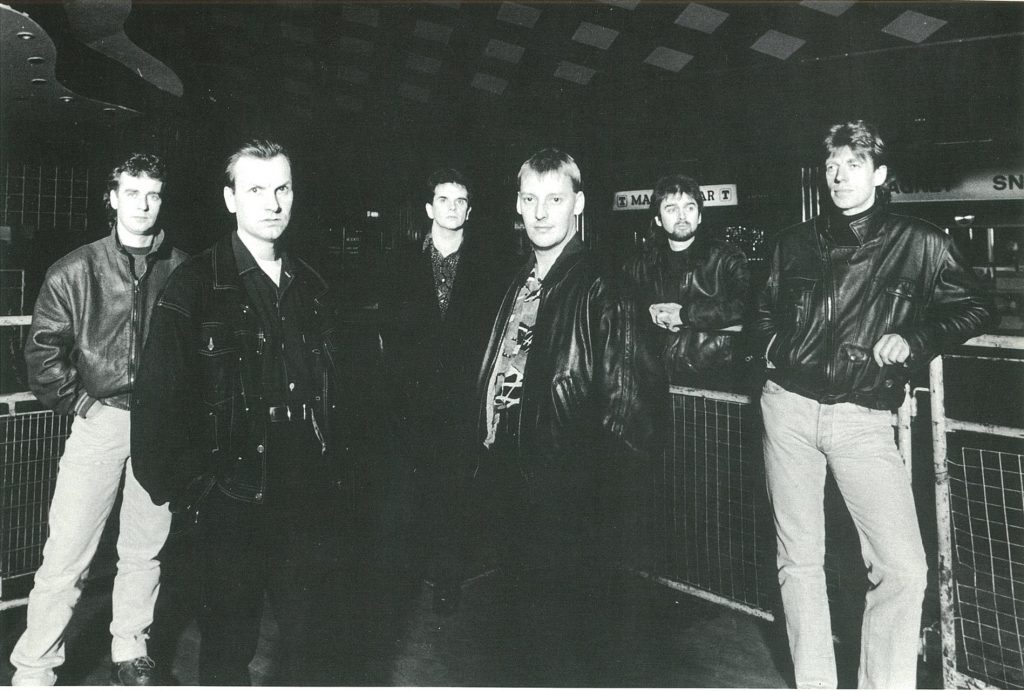
Recovery by Runrig Watching the morning come in on the land I can’t believe Should have been home before daylight And I can’t believe Still the morning comes in on the land Lyrics © Calum Macdonald |
When Runrig’s Calum Macdonald was asked in an interview which single event he felt had changed the course of Highland history the most (for better or worse) he answered…
I suppose it has to be Culloden, but after that, the moment when the first woman threw the first stone or clump of earth at what became known as the Battle of Braes – that was the start of the cultural fightback.
To read the transcript of Calum’s interview click here.
Memorialisation
In 1980, nearly 100 years after the Battle of the Braes, a cairn was built to commemorate the Battle and to give thanks to the crofters involved. The inscription on the memorial, written by Sorley MacLean, links the Battle of the Braes with the wider Skye uprisings.
“an cath a chuir muinntir a’bhrάighe air sgάth tuath na gάidhealtachd”- the Battle fought by the people of Braes on behalf of the crofters of Gaeldom |
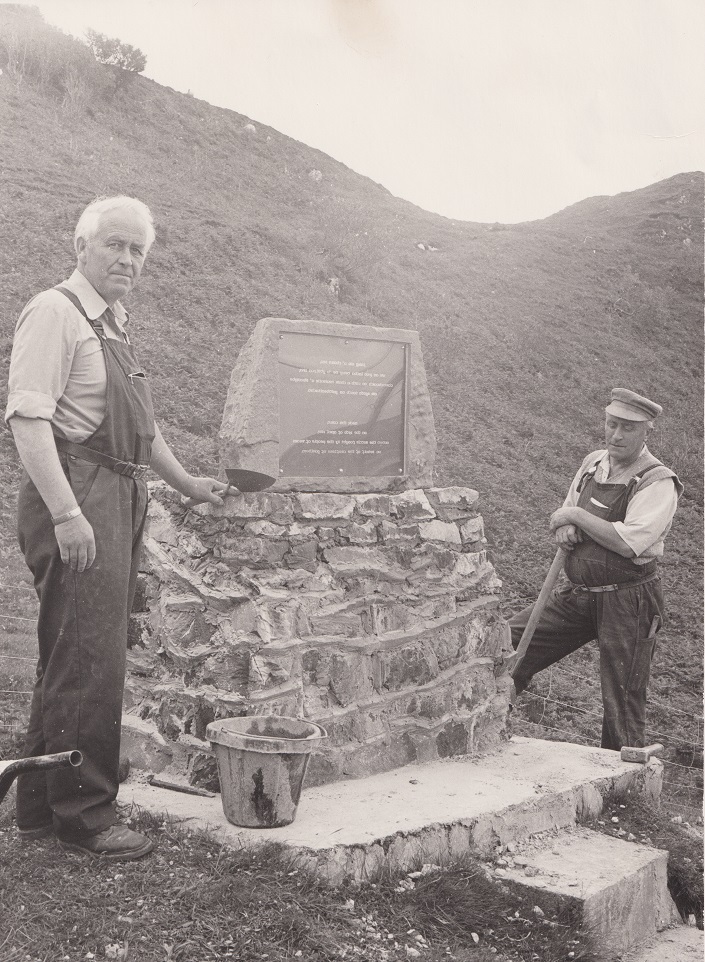
Donald John MacDonald & Charlie MacLeod building the cairn. GB3291/SL/ACC.634
| 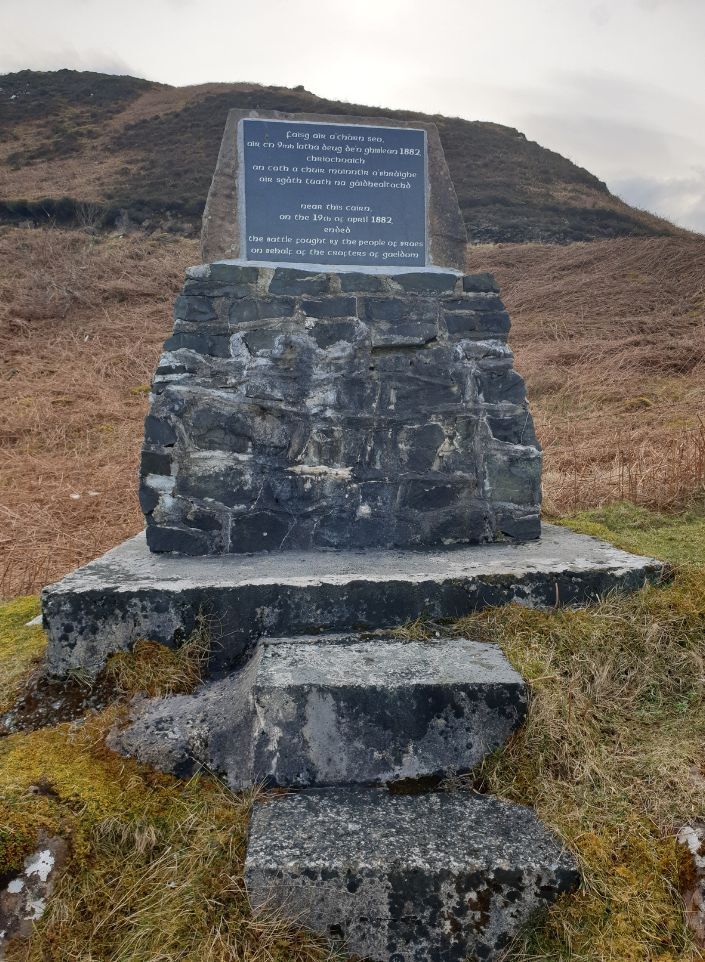
Memorial cairn to the crofters of Braes. Photograph by Catherine MacPhee
|