







The Spark
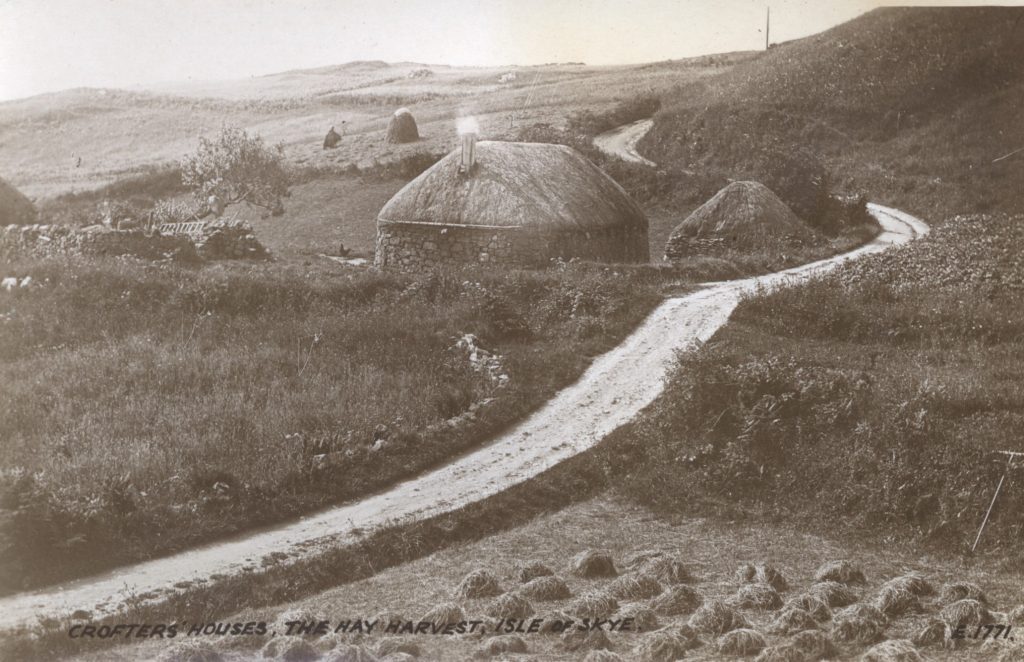
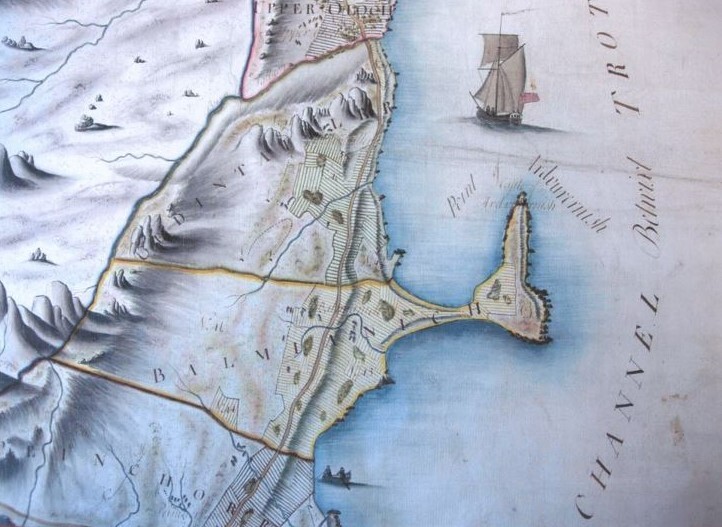
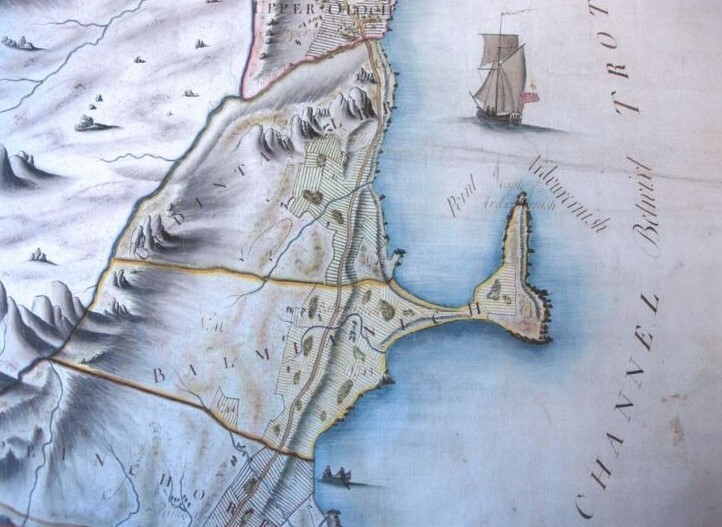
The hill known as Ben Lee had always been common grazing for the crofting communities of Braes, but in 1865 Lord Macdonald banned the crofters from using it, by renting it to John MacKay who set up a large sheep farm. This left the crofters with very little grazing for their livestock and forced them to reduce the numbers of cattle and sheep they kept. At the same time, evictions from the townships of Sconser and around Loch Sligachan had led to serious overcrowding of the land in the townships of Braes, particularly those of Penichorran, Balmeanach (Balminich on the map), and Gedintailor.
By being forced to make way for the sheep farm the Braes crofters had lost their traditional grazing land, were living in overcrowded crofts, and were working smaller areas of less fertile land than before. Despite this Lord Macdonald did not reduce the crofters rent, they were paying more and getting less. What had been a hard way of life had been made much harder.
Ben Lee had first been leased out by the 4th Lord Macdonald of Sleat in the 1860s. By 1882 the estates had passed to his second son, Ronald, the 6th Lord Macdonald. Ronald inherited the estate in 1874 at the age of 21 following the untimely death of his older brother, Somerled. What had once been one of the oldest and most powerful Scottish Clans was now in the hands of a young man with little knowledge of the people of Skye and their customs. When the lease for Ben Lee came up for renewal, Lord Macdonald was staying abroad in Nice. His ancestral home, Armadale Castle, was rented out with the management of his tenants left to his factor, Alexander MacDonald.
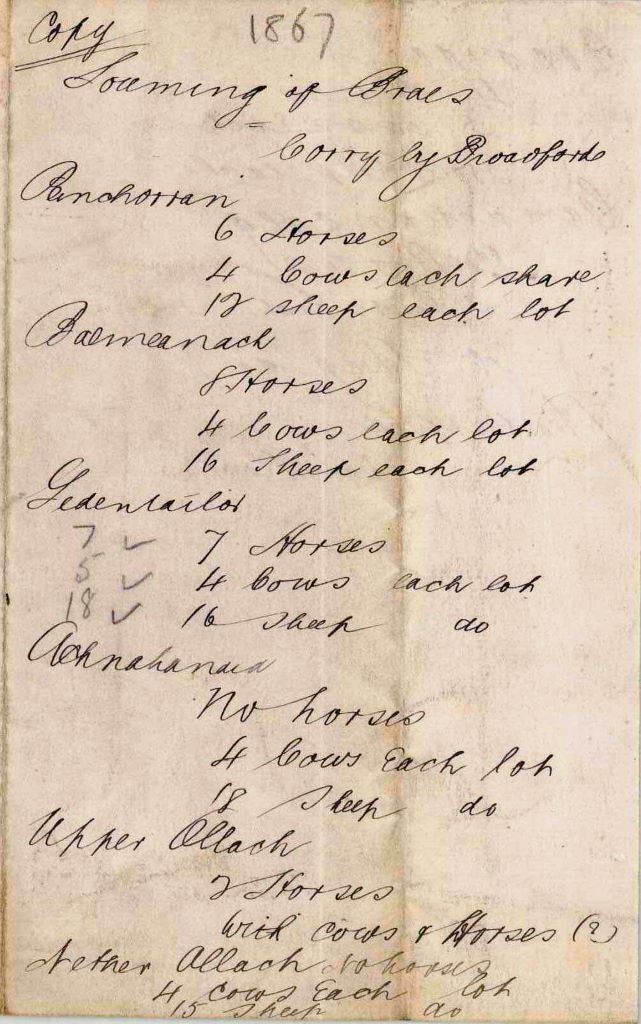
By 1881, when the lease for Ben Lee was due for renewal passions among the crofters were beginning to run high. It was widely known that the sheep farmer John MacKay had been struggling to pay his rent for Ben Lee and that Lord Macdonald would soon be looking for a new tenant. When on a fishing trip in Kinsale in the southwest of Ireland, the Braes crofters learnt of the Irish Land League Movement and their successes in their struggle for land. Encouraged by their Irish counterparts several tenants in the Braes’ townships of Penichorran, Balmeanach, and Gedintailor presented a carefully worded petition to Lord Macdonald asking for their former pastures in Skye to be restored to them.
Lord Macdonald refused the request and on hearing of this, on the 11th of November 1881, the crofters marched to Portree to deliver a message to Lord Macdonald’s factor, Alexander MacDonald, saying that they intended to pay no rent for their crofts until the right to graze their livestock on Ben Lee was granted.
Alexander was said to have some sympathy for the crofters, but he could not condone their refusal to pay rent. When collection day arrived on the 8th of December 1881, none of the Braes tenants paid their rent. Alexander sent a letter to all Braes crofters on the 23rd March 1882 reminding them that their rent was overdue, and that withholding it was illegal.
I now call upon those among you who are willing to pay their Rents to separate themselves from the evil advisers resident among you, and also elsewhere, who would lead you astray. If you prefer the advice of such counsellors – some of whom are well known to me – and refuse to pay your Rents, you can just follow their advice, but I warn you against the consequences, as you will assuredly bring loss and trouble on yourself, and fail in your objects.
The letter also stated that they did not have any right to the grazing on Ben Lee and that their rent was lower than in other parts of Skye. His letter also threatened the crofters with eviction.
Finally, I must advise you to consider well what you have to expect if you enter on a contest with the Laws of the Country, which ( I think a little reflection will teach you) you cannot withstand.
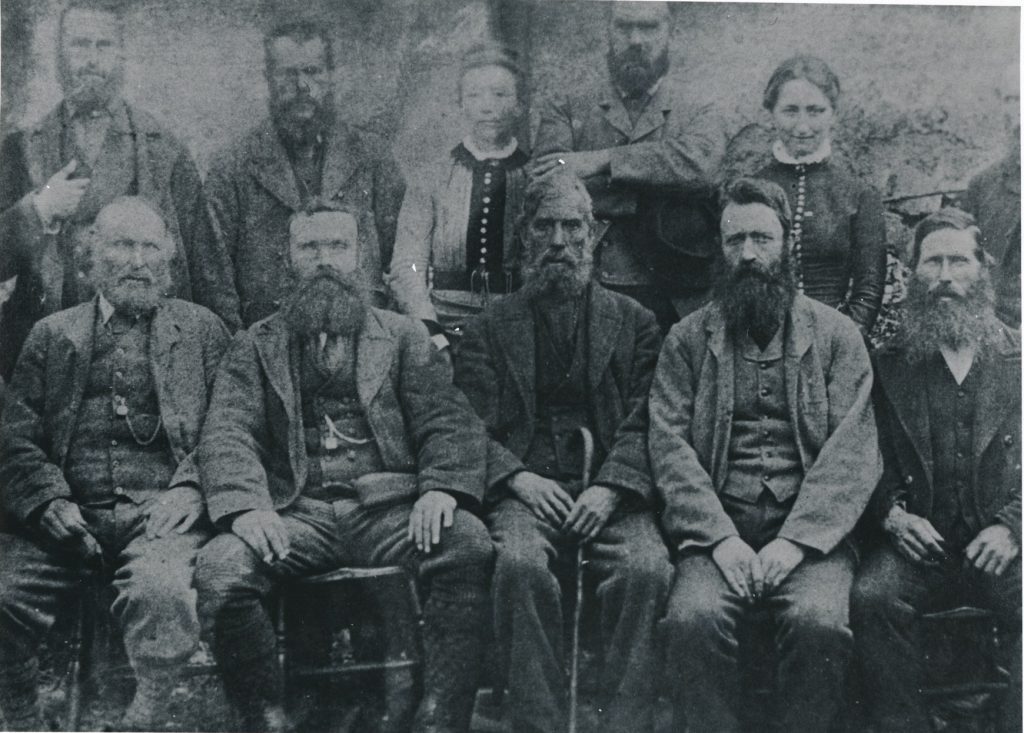
The letter had little effect and Lord Macdonald, still without rent money, sought to evict the ringleaders through a judicial solution. He selected the names of the eleven tenants whom he considered the ringleaders, and had their eviction papers drawn up in the hope that the evictions of a few would make the rest of the people of Braes come to their senses. Those selected for eviction were: Donald Nicolson, Samuel Nicolson, John Nicolson, John MacLean and James Matheson from Balmeanach; Widow C. Nicolson and William Nicolson from Gedintailor; Widow F MacKinnon, Widow of Neil Buchanan, John Stewart, and Donald MacQueen from Peinchorran.
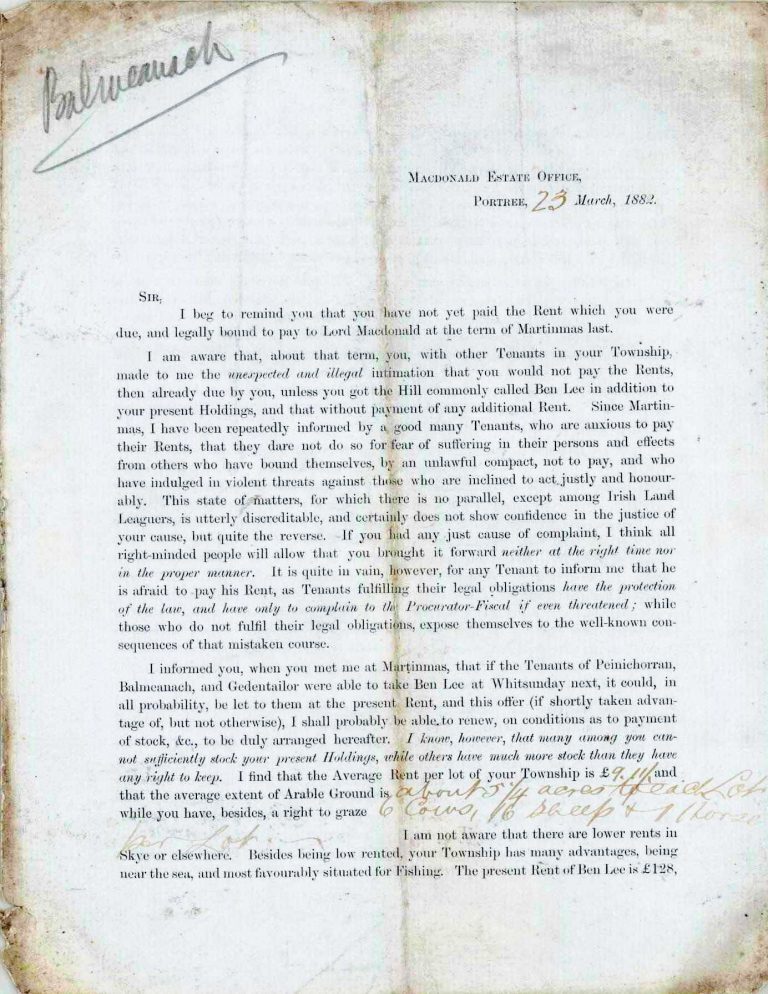
Letter sent to the Braes crofters by Lord MacDonald's factor, Alexander MacDonald. Photo credit; Museum of the Isles. Page 1
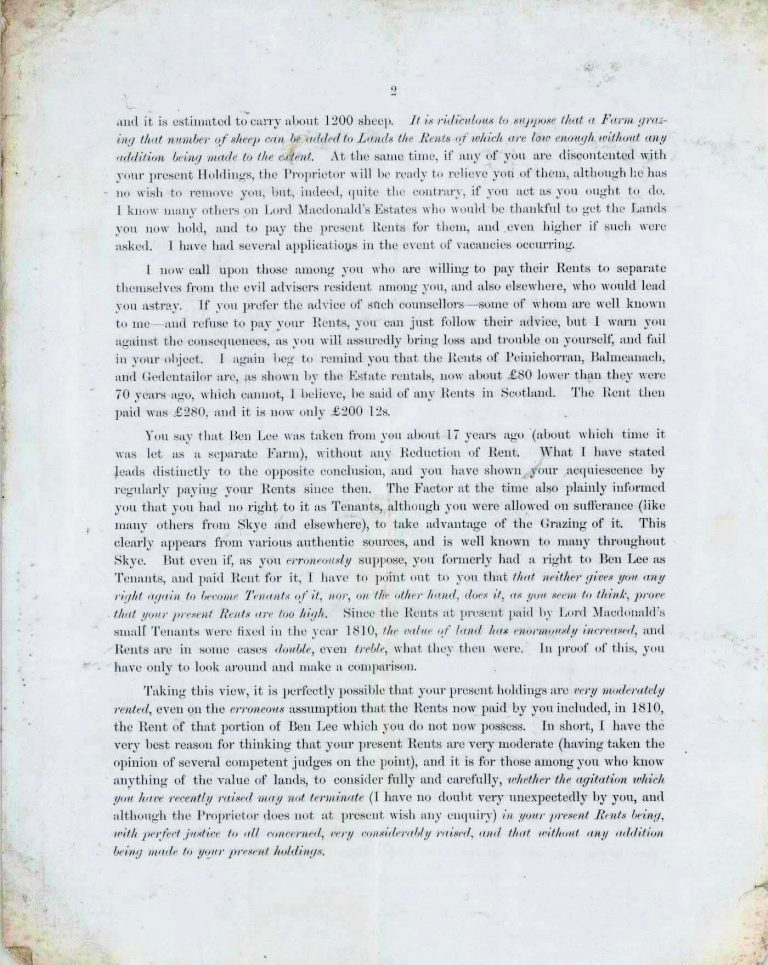
Letter sent to the Braes crofters by Lord MacDonald's factor, Alexander MacDonald. Photo credit; Museum of the Isles. Page 2.
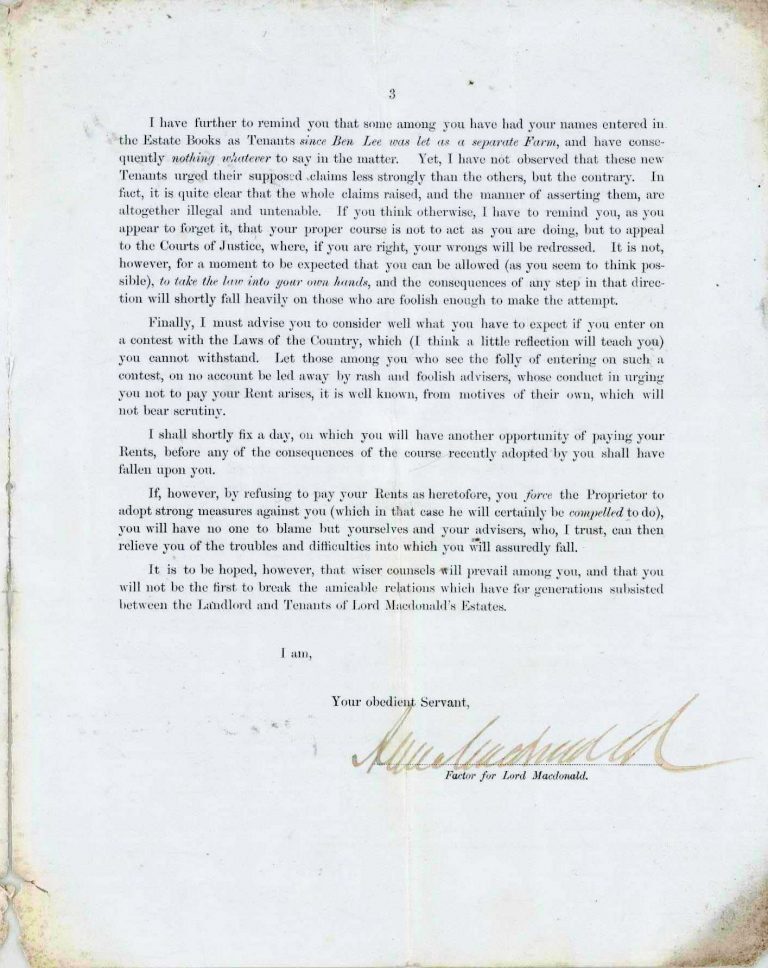
Letter sent to the Braes crofters by Lord MacDonald's factor, Alexander MacDonald. Photo credit; Museum of the Isles. Page 3
Deforcement
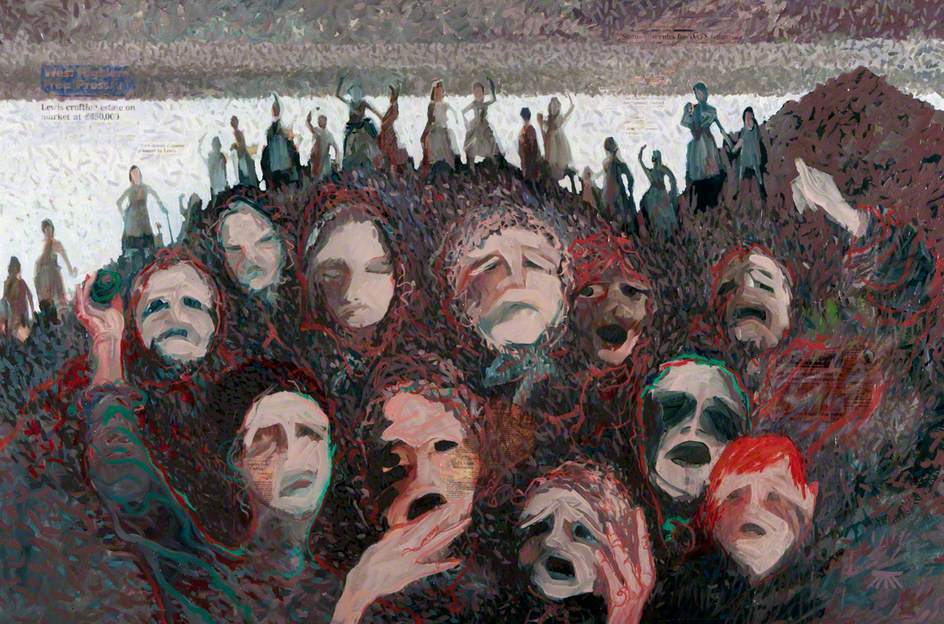
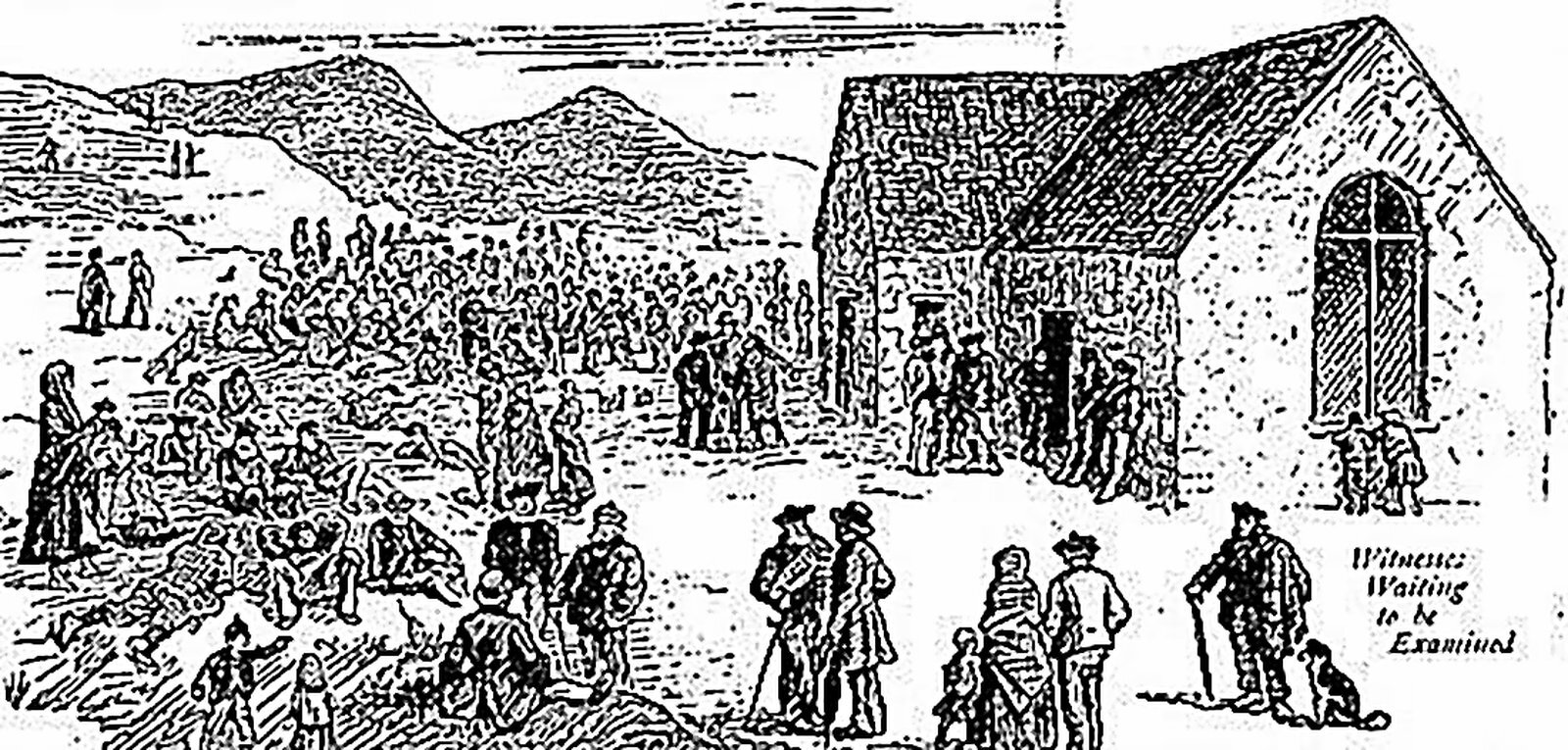
On Friday 7th April 1882, a sheriff officer left Portree to serve the eviction notices against the eight men and three women. He was accompanied by Ewen Robertson, a Portree labourer who acted as a witness and Norman Beaton, a Ground Officer employed by the Macdonald estate, whose duty it was to identify the persons named in the warrants. On their approach to Gedintailor near the border with Ollach, two boys were seen in the distance running off and returning with flags in their hands. They were followed by two young men, also carrying flags, as if to signal to their neighbours that the officers were coming. Soon a crowd of up to one hundred people had gathered to protest at the eviction notices being served. Donald Nicolson of Balmeanach seized the papers and set them on fire with a burning peat. Some of the Braes people clashed with the three men, chasing them out of Braes and back to Portree. With the eviction papers burnt, they could not be served. The crofters had prevented the sheriff officer discharging his legal duties which was a criminal offence known as deforcement (obstruction).
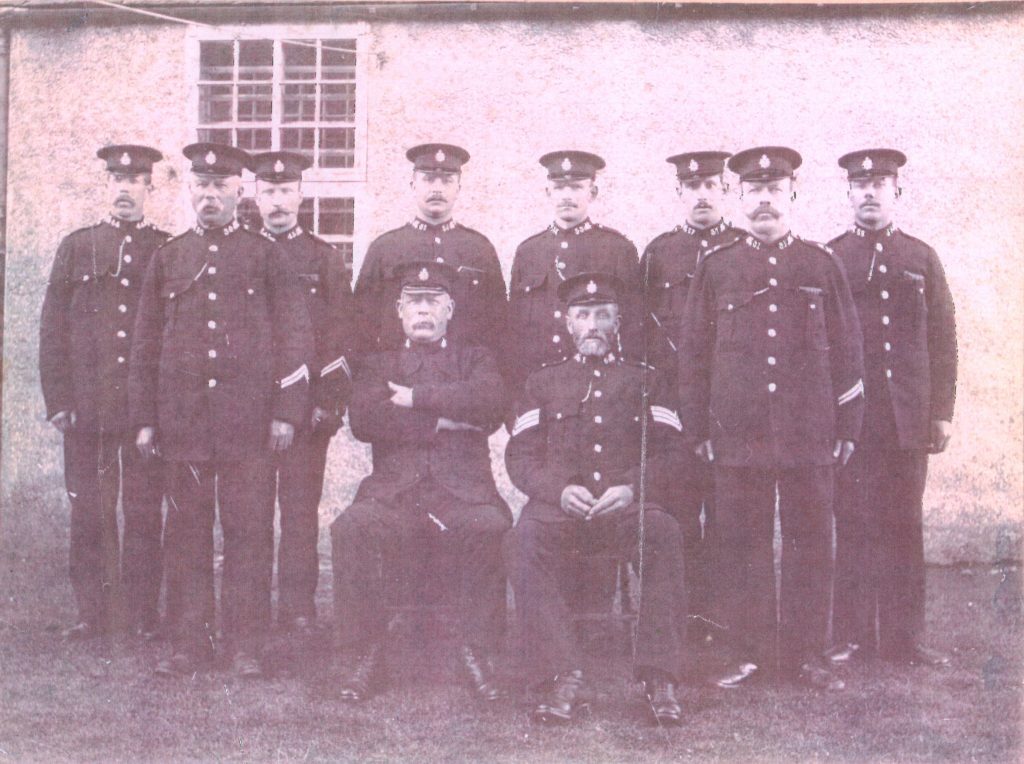
Now that a crime had been committed, the authorities were able to use more forceful tactics. On the 13th of April 1882 William Ivory, the sheriff of Inverness-shire, received instructions from the Lord Advocate to apprehend five people who had been identified as having deforced the Sheriff Officer six days previously. Sheriff Ivory decided to act quickly and to take personal charge in the arrest of the five Braes crofters. Given the trouble the crofters had already caused and the total number of officers in the Inverness-shire Constabulary numbering only 45, Sheriff Ivory sought reinforcements of constables from the City of Glasgow Police and plans were made to carry out the arrests.
The constables from Glasgow arrived at Balmacara on the steamboat the Clansman on Tuesday the 18th of April where they were joined on board by Sheriff Ivory and the Superintendent of Inverness-shire Constabulary along with nine of his constables. They sailed to Portree, arriving in the early hours of the morning of the 19th of April 1882.
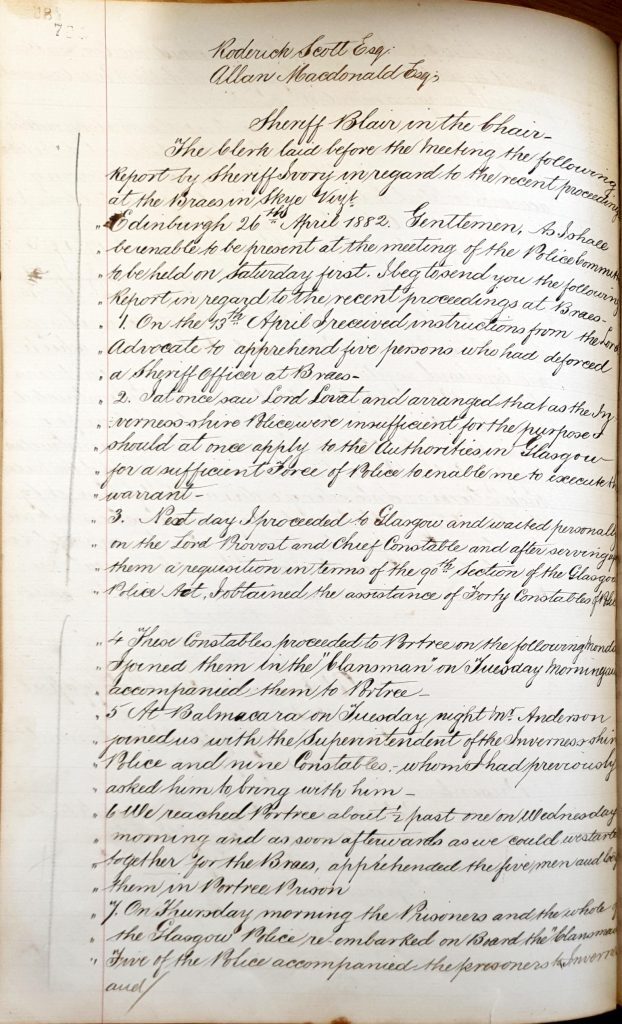
An entry in the Police Committee minute book for the 13th of April 1882 details the incident. Sheriff Ivory received a report on the recent proceedings at Braes.
To apprehend five persons who had deforced a Sheriff Officer at Braes. I at once saw Lord Lovat and arranged that as the Inverness-shire Police were insufficient for the purposes I should at once apply to the authorities in Glasgow for a sufficient force of Police to execute the warrant.
After obtaining the assistance of 40 Constables from Glasgow they proceeded to Portree the following Monday.