How it all began - Mar a thòisich e
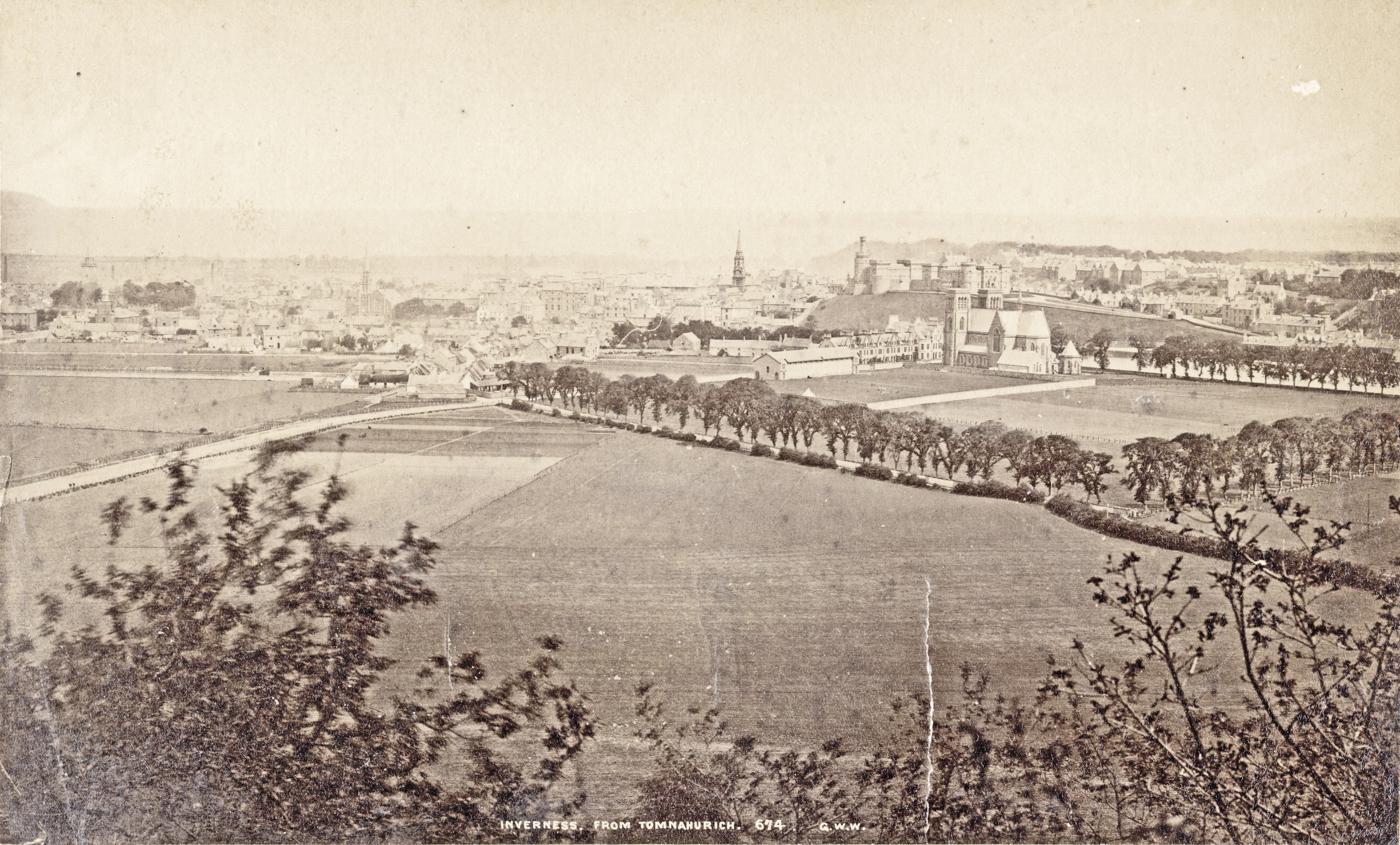
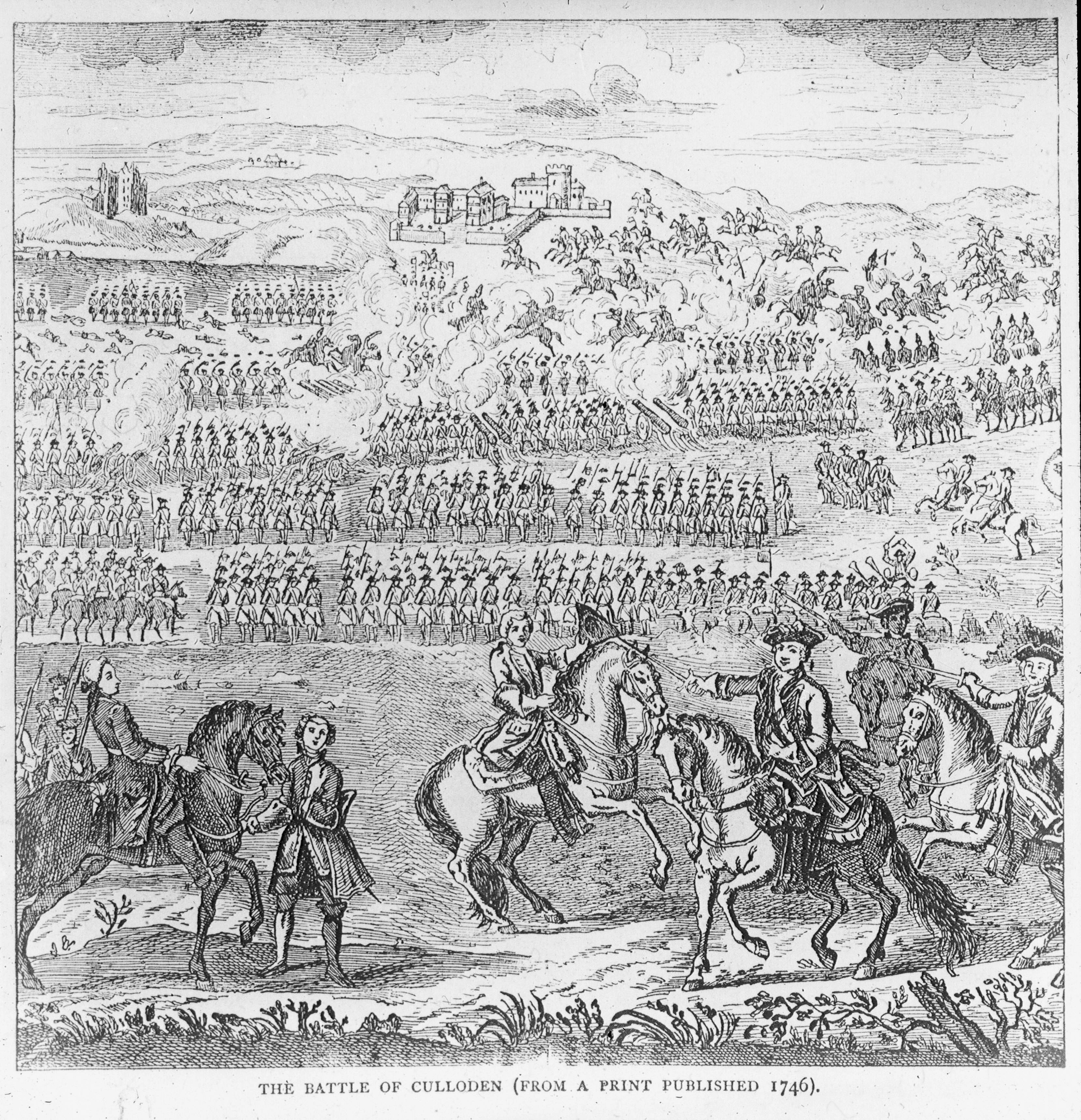
If you lived in the Highlands after the battle of Culloden in 1746 life could be pretty grim.
The defeat of the Jacobites by the British government army at Culloden led to years of government repression aimed at preventing further uprisings. Jacobite supporters were persecuted. Inverness castle was in ruins after being blown up by the Jacobites. Across the Highlands there was social division and upheaval.
Ian Meikle speaks on MFR about various Inverness locations with a connection to the aftermath of the battle.
To find out more about the Battle of Culloden and its impact, visit the Culloden Battlefield website, which includes a podcast on how the battle changed the course of clan history. Author Sarah Fraser explores the aftermath closer to home, looking at the impact on the Frasers of Lovat — a powerful Inverness family who had supported the Jacobites — and the fate of Jacobite soldiers after the battle.
'Pleasure and innocent amusement' - 'Tlachd is toileachas neoichiontach'
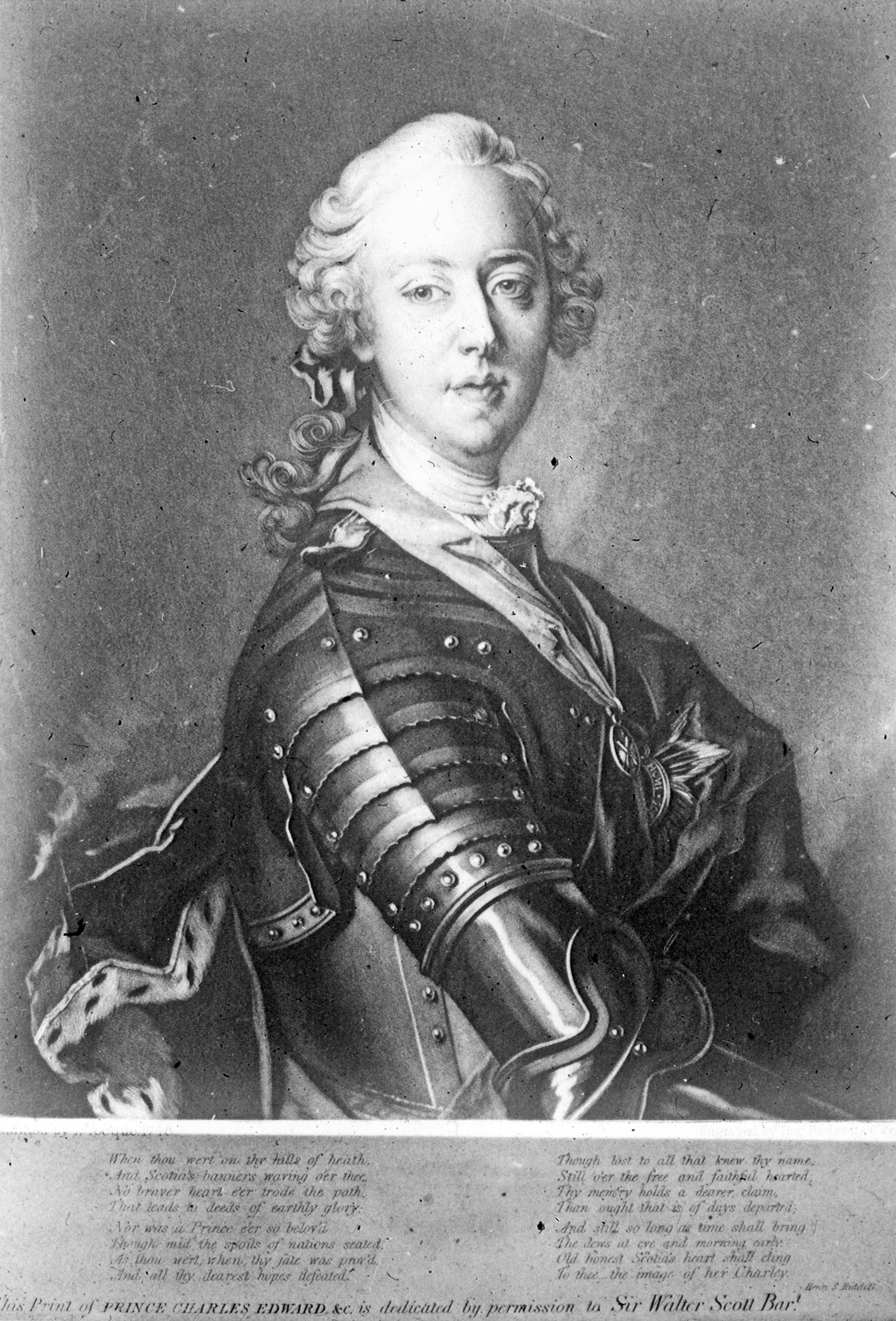
However, by 1788, things were changing. Inverness was a growing, bustling town. Charles Edward Stuart, who had led the Jacobite Rising of 1745-1746 and who had remained a figurehead for Jacobite supporters, had died at the beginning of the year.
In June, thirteen Highland gentlemen decided to hold an annual 'Northern Meeting' in Inverness for 'pleasure and innocent amusement'. Their Northern Meeting Society is still running today.
Dinners, dances... and daytime entertainment - Dinnearan, dannsaichean... is dibhearsain tron latha
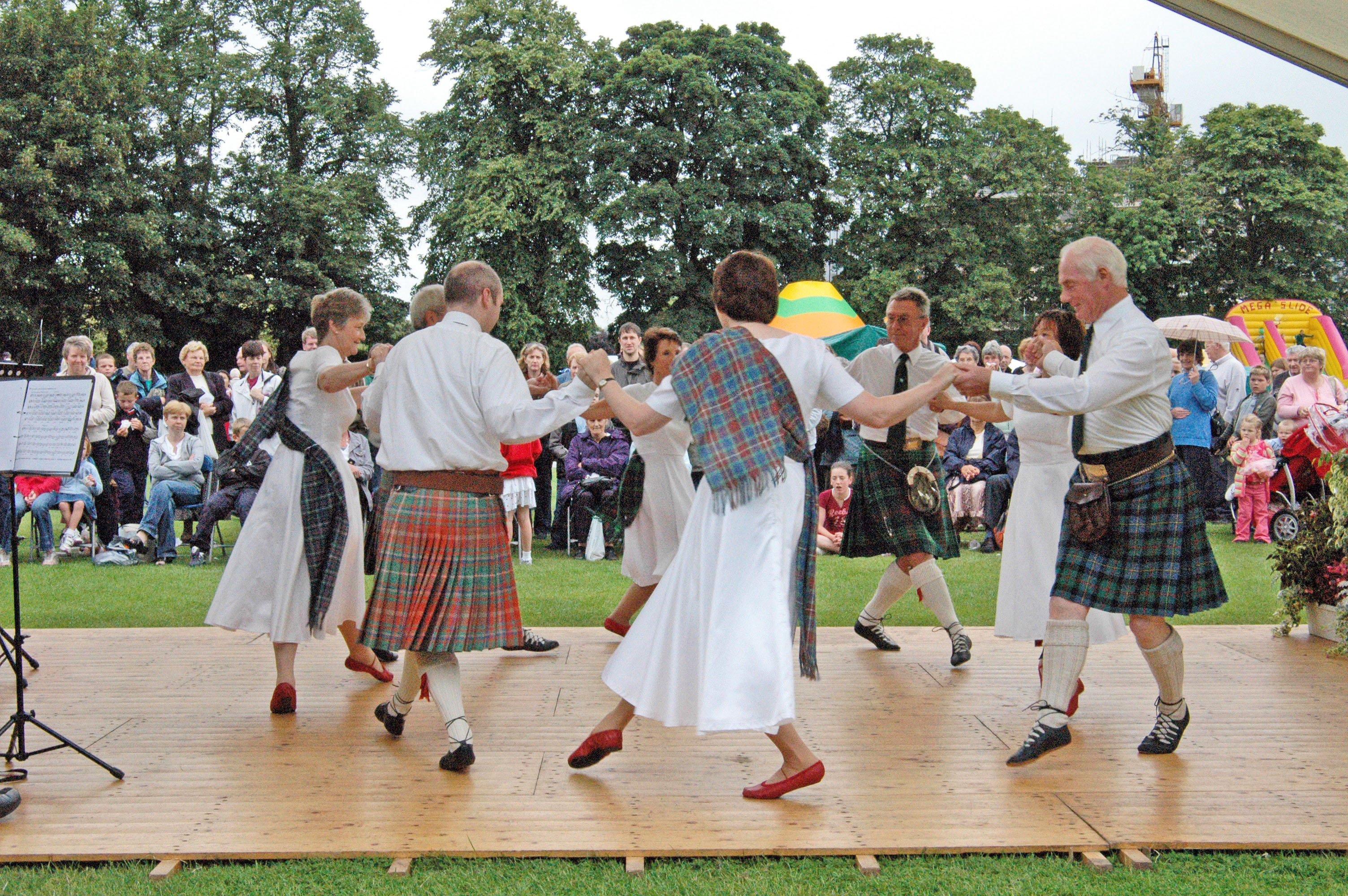
The Northern Meeting Society's programme of evening dinners and balls was popular with its members and guests. During the day, hunting, military parades and horse-racing provided further entertainment.
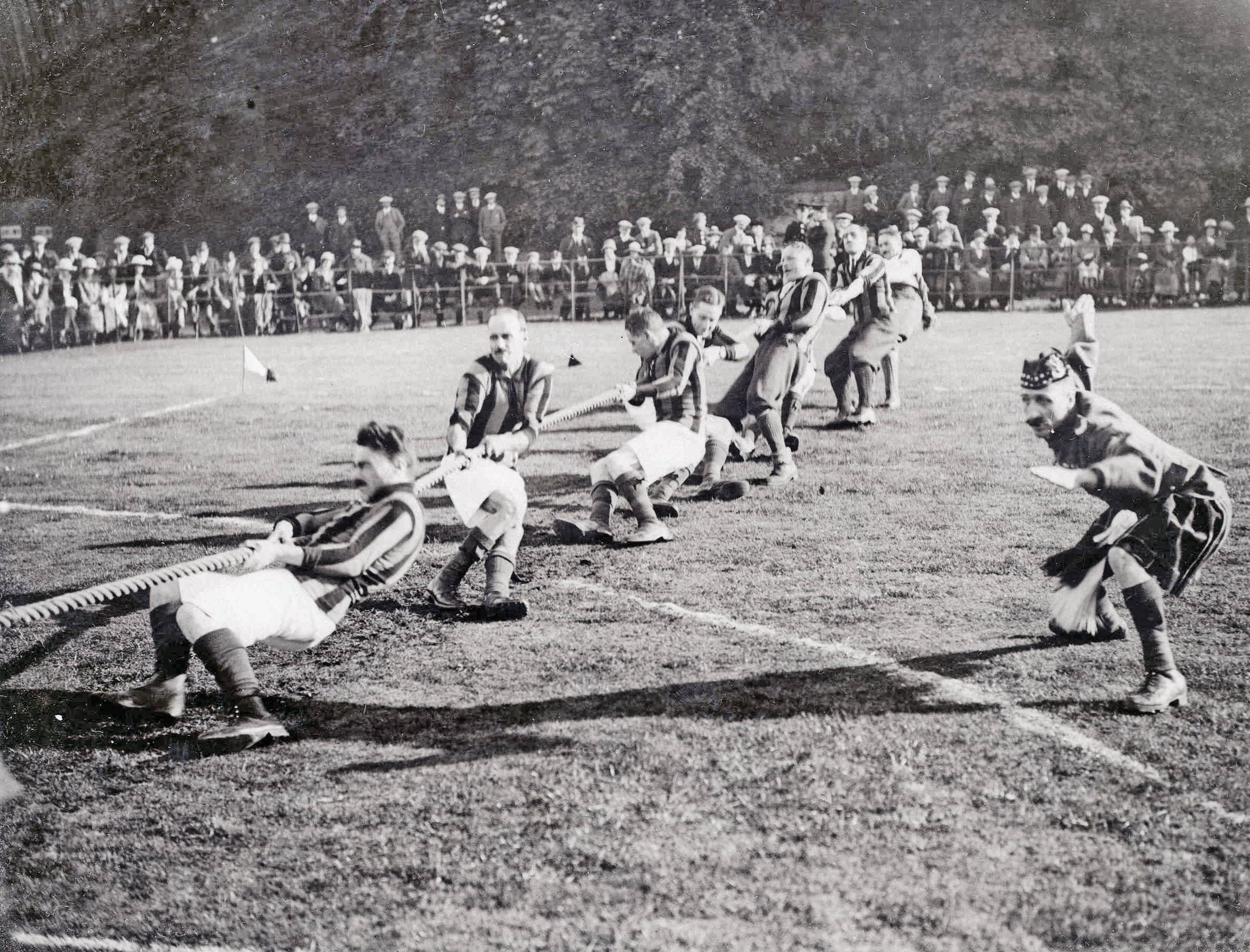
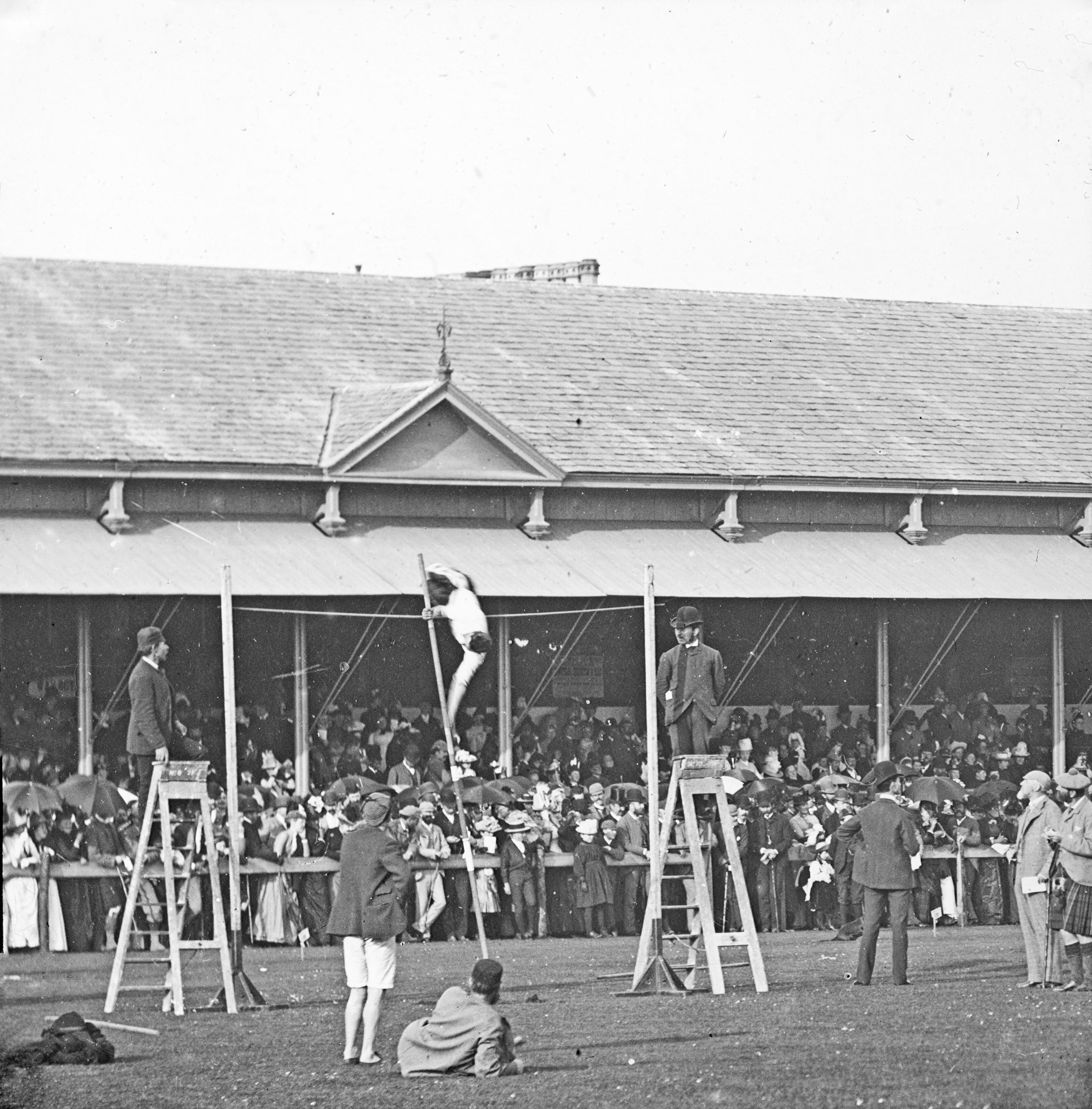
In the 1830s, this daytime entertainment developed into two days of competitions such as heavy and field events, and wrestling. And the Games were not just for Society members and their guests - tickets were sold to the public to help spread the cost.
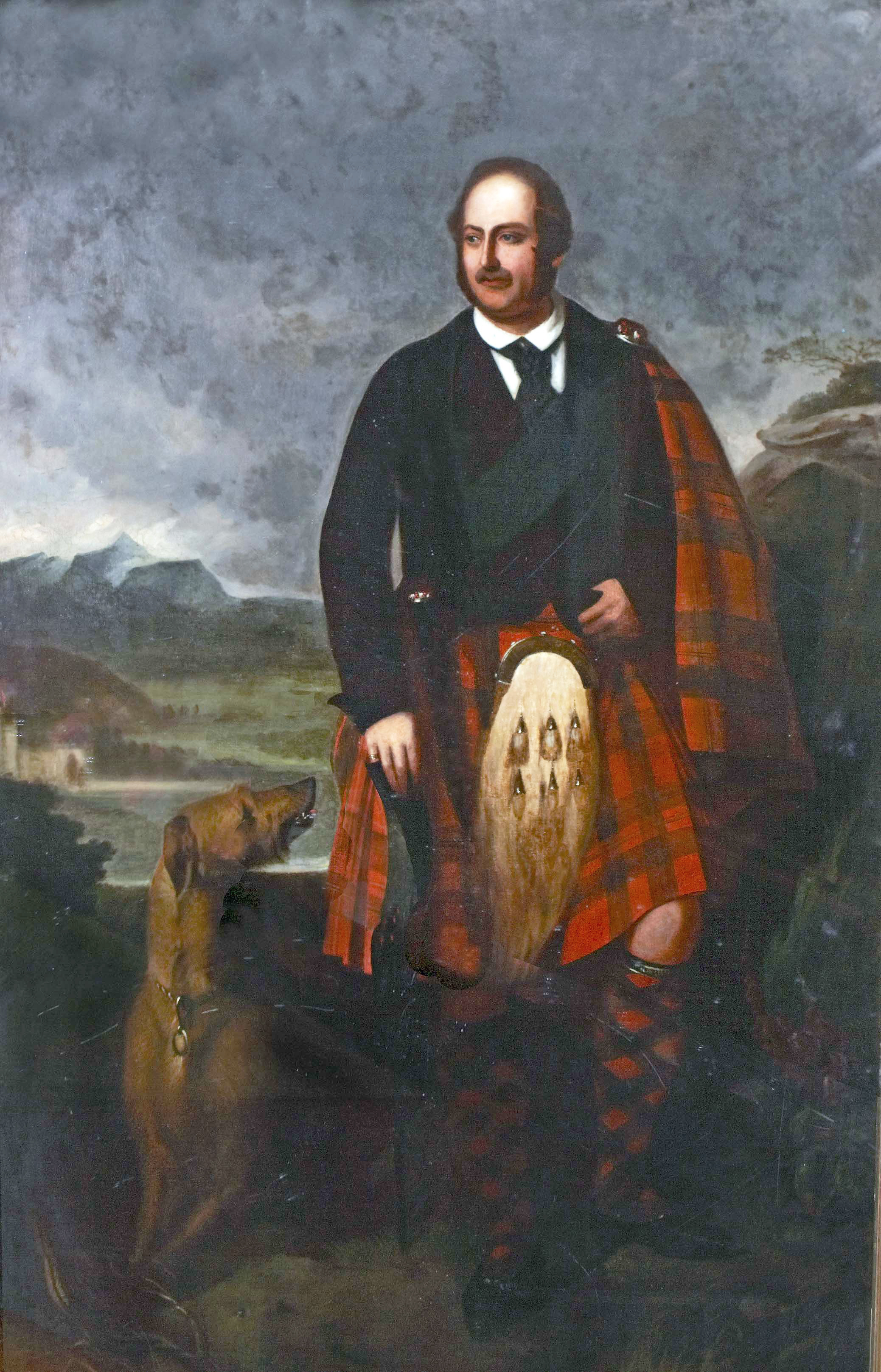
When Prince Albert, Queen Victoria's husband, attended the Northern Meeting Ball in 1847, an 'unprecedented number' of people attended the Northern Meeting the following year.
The Games soon became the most popular event in Inverness.
The first Northern Meeting Games had been held in the Longman area of Inverness. The open site made it difficult to control the spectators, however, so the Games moved in 1848 to the enclosed playground of Inverness Academy (located at that time in Academy Street).
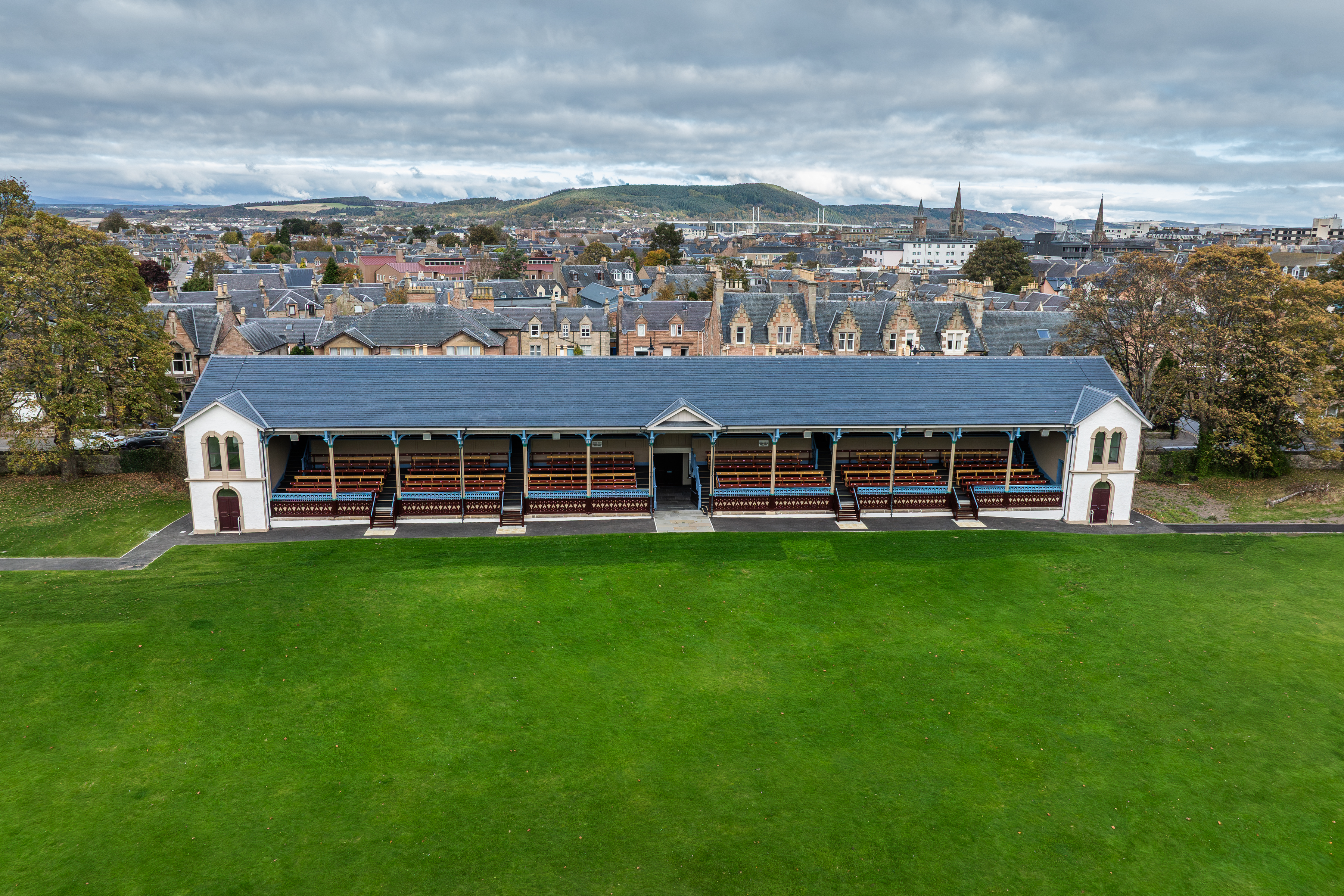
Perhaps understandably, the Academy's directors were not happy at being expected to provide the venue for nothing, especially in view of the disturbance caused by the building of a temporary stand and stage for the Games each year. By the early 1860s, the Northern Meeting Society was on the hunt for a permanent site they could buy to build their own Games venue.
Did you know? - An robh fios agaibh?
The 1841 Games featured the first Exhibition of Pipers and Dancers, an event which grew into the prestigious Northern Meeting Piping Competitions which takes place each August in Inverness. Find out more about the history of the competition or visit the Northern Meeting Piping Competition website. You can also watch footage from the 2018 competition on Facebook.
The competition inspired its own pipe tune. Corriechoillie's 43rd Welcome to the Northern Meeting is said to have been written to mark the 43rd visit to the Northern Meeting of John Cameron of Corriechoille, a landowner and livestock drover from Lochaber. It was composed by Pipe Major William Ross (1823–1891) of the 42nd Royal Highlanders (Black Watch), a prizewinner at the Northern Meeting in 1851 and 1853, who went on to serve as Queen Victoria's piper until his death.
Northern Meeting Park Piping Competition
Video Unavailable
Sorry, this video could not be loaded. Please try refreshing the page or check your internet connection.
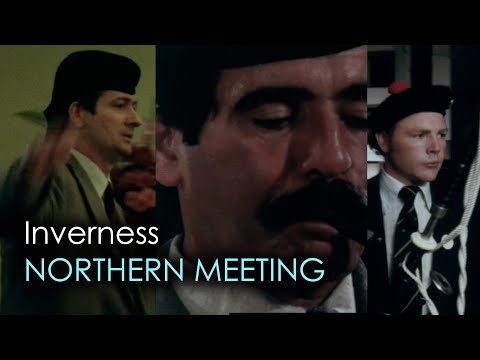
Watch Pipe Major Angus MacDonald, Ian MacFadyen, Murray Henderson and Bill Livingstone at the Inverness Northern Meeting.
A Highland Games star
Donald Dinnie, the outstanding athlete and heavyweight competitor from Aboyne, won every single event at the Northern Meeting Games in 1860, as well as winning events at many other Highland Games. Read a detailed history of Donald Dinnie, including accounts of him competing at the Northern Meeting, or visit his Wikipedia entry.