








Scope of the policy
This document sets out the Collections Information Policy for the Highland Archive Service (HAS) and aims to identify all information associated with records from the point of accession and deposit until they are made accessible as part of a catalogued collection. This policy should be read in conjunction with the Collections Management Policy which sets out the Mission Statement and Service Objectives as well as with the Collections Development Policy, Deposit Agreement Form and other relevant policy documents.
Mission Statement
Highland Archive Service, as part of High Life Highland, enables The Highland Council to fulfil its legal responsibility to preserve and provide access to its public records. Alongside this core function, we are dedicated to collecting, conserving, and making accessible, records that reflect the history and diversity of the Scottish Highlands and its inhabitants. We strive to make these collections as widely accessible as possible in our Archive Centres, through a variety of digital channels, and via an active community engagement programme.
Our mission is to benefit present and future generations, promoting the use of these records in:
• informing local decision-making
• strengthening community and cultural identity
• engaging with communities in ways that enhance learning, representation, inclusion, and equity
• improving health and wellbeing through the study and enjoyment of history
• Making Life Better for everyone, across Highland communities and beyond
This policy covers information gathered:
• At point of deposit and during accessioning
• During cataloguing and any other related listing
• Relating to demand, usage and, appraisal and disposal
• Relating to physical condition, preservation and conservation requirements
This information is recorded and maintained in a variety of places and formats. These include but are not limited to:
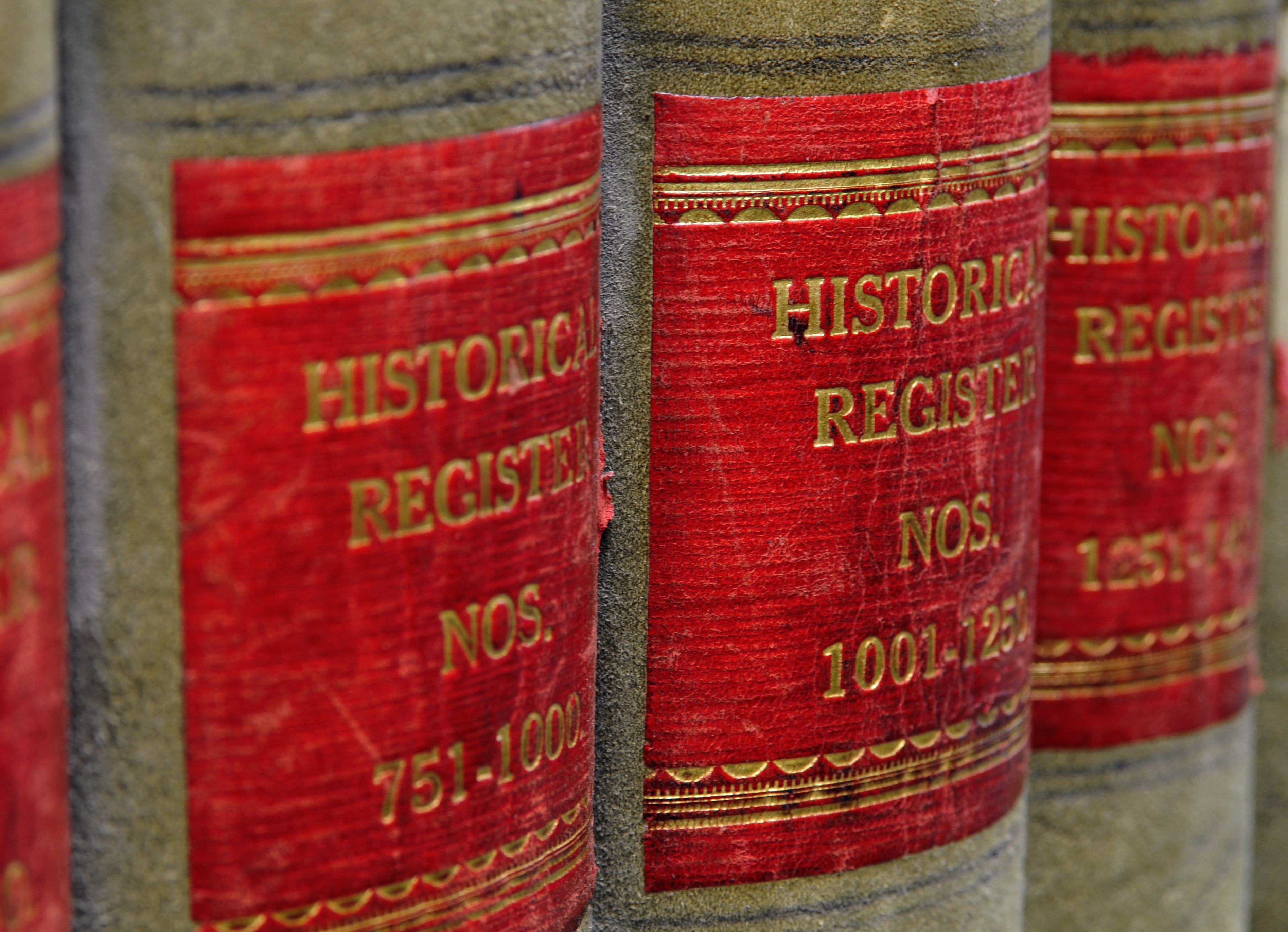
• Accession register (paper and digital)
• CALM – collections management software, which includes accession and catalogue information as well as any conservation treatments associated with individual items
• Depositors’ correspondence files, which may be used to augment the information found in the accession and catalogue records
• Locations database
• Other finding aids, including handlists, box lists and specific indexes
Deposit of collection/accessioning
• A Deposit Agreement Form is completed for all accessions to ensure all core information about the collection and depositor/donor is recorded
• The Agreement is signed by the depositor/donor and a member of Archive staff
• The original is retained by the Archive Centre and a copy is supplied to the depositor/donor
• The agreement is legally binding and includes a summary description of the accession
• Each accession is given a unique accession number prefixed by the appropriate Archive Centre indicator reference: HCA – Highland Archive Centre, C – Nucleus: The Nuclear and Caithness Archive, L – Lochaber Archive Centre, SL – Skye and Lochalsh Archive Centre
A paper accession register is maintained as well as all accessions being recorded on CALM allowing accessions to be linked to depositor, catalogue and conservation records. The information recorded includes:
• Date of receipt of accession
• Name and contact details of depositor/donor
• Accession category (Gift, Deposit, Bequest, Purchase, Council transfer, Charge & Superintendence)
• Accession number, title and summary description
• Extent and format of deposit
• Any access restrictions
• Any copyright restrictions
• Any administrative and custodial history
Background to accessioning
• A complete record of all accessions, including legacy accessions dating back to the establishment of the archive service in 1990 has been converted into CALM for ease of searching and completeness
• This has provided the opportunity to standardise accession information across all four archive centres
Information held about depositors
• Depositor records are updated as appropriate by noting deaths, changes in circumstance and/or ownership
• We maintain contact with depositors through events, newsletters and other forms of publicity on a regular basis
• Where the ownership of some collections deposited in the past has become uncertain, this has been due to loss of contact through the passage of time
• We seek to minimise this risk in future by contacting depositors of significant collections on a regular basis
• To comply with Data Protection restrictions and the confidentiality of the agreement between us and the depositor/donor, details from the Accession Register are not made available for public searching and are excluded from any public catalogue entries relating to the items
• Information about new accessions is shared in a number of ways: via newsletters, talks, articles and social media
• We participate in The National Archives’ annual Accessions to Repositories Survey to ensure up to-date information appears on the National Register of Archives
Catalogues, finding aids
• The primary purpose of cataloguing is to create detailed descriptive information which enables staff to manage collections more easily, and to facilitate access to the collections for customers
• Archivists at each Archive Centre are responsible for planning and tackling cataloguing backlogs according to local service priorities and resources
• User demand identified from customer comments and enquiries, as well as from production slips, will be factored into cataloguing prioritisation
• Funding for cataloguing and digitisation has previously been sought from record owners and external grant giving bodies as appropriate by individual Archive Centres
• We shall continue to explore these options for significant collections, or for identified key areas of the Collection which have not yet been fully catalogued
Restrictions and closure periods
• Our collections include records subject to certain access restrictions or closure periods. This may be determined by legislation such as data protection, through following advice and guidance from The National Records of Scotland and/or the Scottish Information Commissioner's Office, or which may be stipulated by the depositor as part of the terms and conditions of the deposit
• Accession and catalogue entries include information regarding restrictions on access where applicable. Existing catalogued collections are reviewed to ensure that sensitive or personal information is not released
All archive staff receive training on Data Protection, Freedom of Information and Copyright legislation. Staff follow relevant guidance when advising customers of any restrictions and explain the rationale behind these restrictions
Disposals and Withdrawals
• The Depositor Agreement Form captures depositors’/donors’ permissions to destroy or transfer to another repository any material that we are unable to keep, or which does not fall in line with our Acquisition Policy
• Permissions are reconfirmed prior to disposal and details of any disposals including the reason behind disposal are recorded as appropriate
• Our Records Management Team lead on the development of retention schedules for both THC and HLH records, which cover all functions and services
• Staff across THC and HLH have access to the respective schedules for their organisations and may also seek additional guidance from the Records Management Team as necessary
• See the Collections Development Policy for further information about disposal of archives
Policy Review Schedule
This policy is issued in February 2025 and will be reviewed and updated as necessary every three years or earlier if a response is needed to any changes in legislation