




Growing greener Highland communities
In July 2024, High Life Highland Libraries secured funding from CILIPS Scotland to pilot four Green Library hubs across the Highlands, working closely with HLH Countryside Rangers. The hubs curate climate‑literate collections, host practical activities, and turn library spaces into vibrant places for environmental learning and community action.
Initiatives and resources available in libraries include:
- Climate book collection - Curated books and digital titles selected to support climate literacy. Discover the titles across our library catalogue and digital collections.
- Climate hubs - Developed by library teams and Countryside Rangers to meet local environmental needs.
- Seed libraries - Launched at all hubs—plus an extra at Bettyhill—after strong community demand.
- Nature clubs - Libraries has set up clubs to encourage children and adults to explore the outdoors.
- Moth traps - Moth traps are a safe and fascinating way to discover the wildlife in your garden.
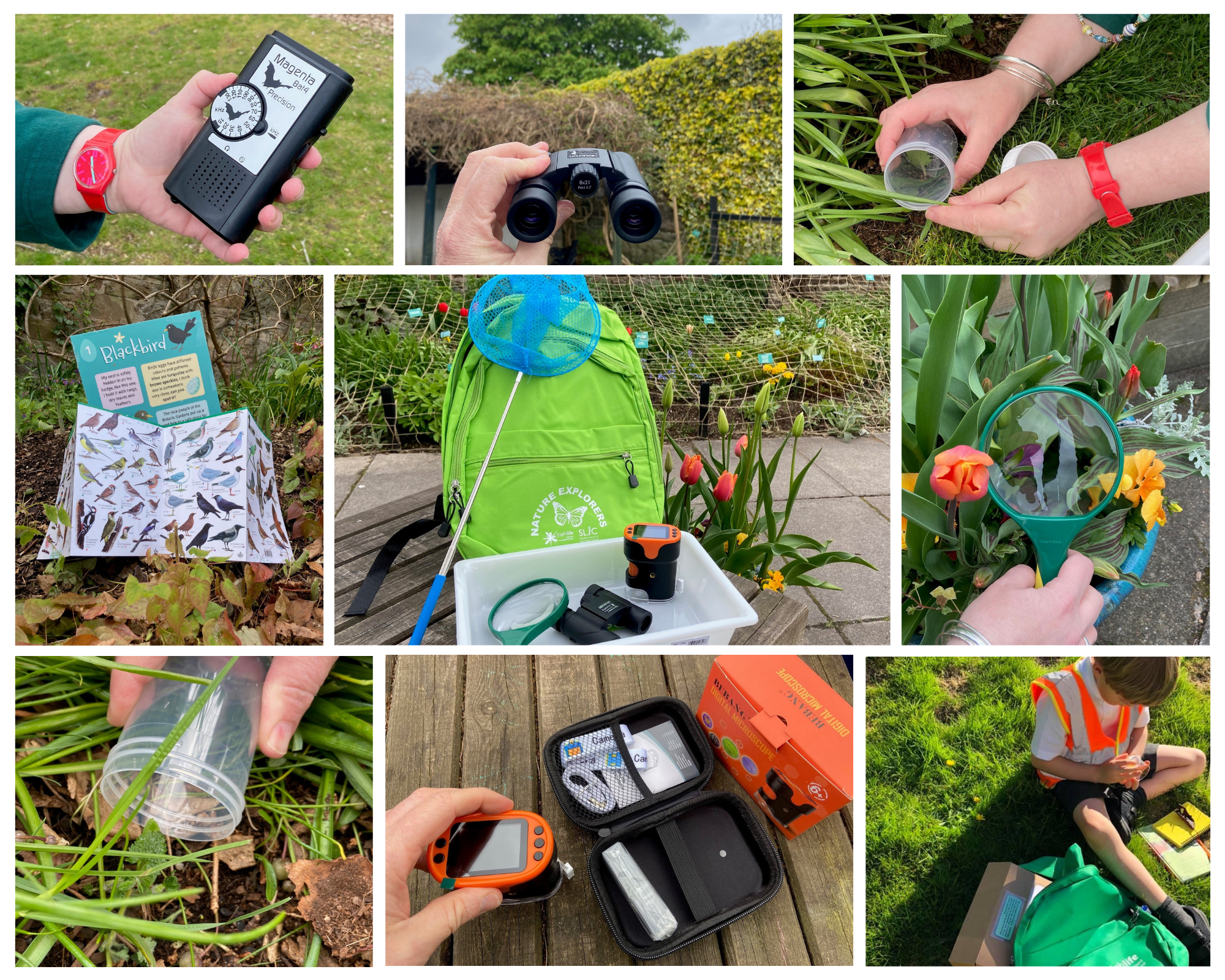
- Bat detectors - Bats use echolocation to hunt insects at night, with calls detectable only by specialised bat detectors.
Cultivating climate champions
In 2025 High Life Highland Libraries secured funding from the SLIC Public Library Improvement Fund to expand our their Green Libraries project further.
Community seed libraries
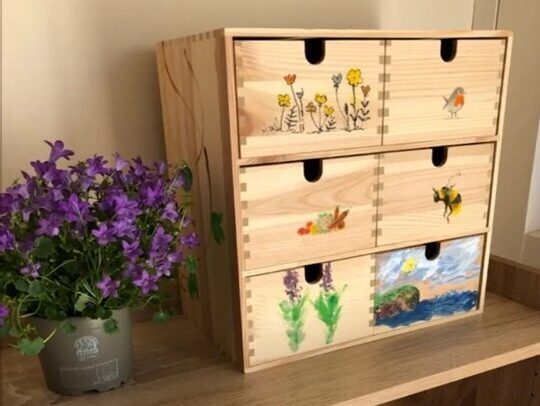
We researched UK and European seed library models and created a staff toolkit to set up community seed libraries. Originally planned for two hubs, demand saw us expand to all four hubs, plus Bettyhill. Customers shared photos of plants grown from borrowed seeds; libraries showcased these success stories, and some branches grew vegetables and flowers in outdoor planters.
Nature clubs for young people
With HLH Countryside Rangers, clubs offered practical activities—gardening, tree planting, recycling—and nature‑based experiments that build curiosity and stewardship.
Whats included?
Plant & bird ID cards, seed trays, notepads, handheld magnifiers, bug pots, binoculars, and digital microscopes—making discovery accessible and fun. Themes include Signs of Spring, Love Your Local Nature, Tree Planting, Earth Month, Looking After Your Area, Under the Seaweed.
Moth traps
Borrow a moth trap from your local green library. Moth traps are a safe and fascinating way to discover the wildlife in your garden. The NHBS Moth Trap is a lightweight, portable trap that has been tested and approved by the Butterfly Conservation. It uses an artificial light source to attract moths during the night. This allows you to trap moths in order to examine, identify, record your findings, and release them. It is mains powered, using a single 20W blacklight bulb (included), and comes with a 4.5m power lead fitted with a standard UK plug.
Where to borrow a moth trap
Traps are currently available from Green Library Hubs in Ardnamurchan, Caol, Culloden, Dingwall, Fortrose, Fort William, Gairloch, Thurso, Ullapool and Wick with more locations expected to join the scheme. Contact your local participating library to check availability.
Want to find out more before you dive in? Our rangers have written a brilliant introduction to the project: Read Meet the Night Flyers here. Read our moth trap user guide to help you get started and learn how to quickly set up your Moth Trap with NHBS video guide below.
Bat detectors
Borrow a bat detector and ID card from your local green library.
As darkness falls, bats emerge to hunt insects and navigate the night skies using high-frequency calls that are inaudible to the human ear. Bats use special high-pitched calls to find their way, chat with other bats and catch insects. These sounds are too high for us to hear, but bat detectors let us listen in, discover which bats are around and learn about their amazing behaviour.
The project forms part of the Cultivating Climate Champions initiative,
Where to borrow a bat detector
Bat detectors can be borrowed from High Life Highland libraries in Ardnamurchan, Coal, Dingwall, Fortrose, Fort William, Gairloch, Thurso, Ullapool and Wick.
Frequencies of British Bats
There are 17 species of bat resident in the UK and all can be heard with a bat detector with a range of 15kHz to 130kHz. The table below shows the best frequencies for hearing different bat species. Some bats are easy to identify by their unique calls, while others can be trickier and may need extra clues, such as how they fly or where they live.
Echolocation frequencies of British bats
| Call frequency | Bat species | Sound characteristics |
|---|---|---|
| 20-25 kHz | Noctule | Regular chip-chop |
| 25 kHz | Leisler's | Loud chip-chop |
| 27 kHz | Serotine | Low irregular tock |
| 32 kHz | Barbastelle | Short, hard smacks |
| 39 kHz | Nathusius's Pipistrelle | Wet, slappy sound |
| 43-46 kHz | Alcathoe | Slower, dry clicks |
| 45 kHz | Common Pipistrelle | Wet, slappy sound |
| 45 kHz | Whiskered | Rapid dry clicks |
| 45 kHz | Brandt's | Slower, dry clicks |
| 45 kHz | Daubenton's | Rapid dry clicks |
| 45-50 kHz | Brown Long-eared | Very soft purring |
| 45-50 kHz | Grey Long-eared | Very quiet pulses |
| 50 kHz | Natterer's | Rapid dry clicks |
| 50 kHz | Bechstein's | Quiet tiks |
| 55 kHz | Soprano Pipistrelle | Wet, slappy sound |
| 80 kHz | Greater Horseshoe | Warbling call |
| 108 kHz | Lesser Horseshoe | Warbling call |
Resources and links
How to get involved
Visit your local Green Library hub to borrow climate & nature titles—or ask staff for the seed library toolkit.
Contact High Life Highland Libraries for programme details, partnerships, and how to get involved in green libraries.
Accessibility and inclusion
Events and resources are designed for mixed ages and abilities. If you have access needs, let staff know—we'll adapt activities and provide alternative formats.
Climate and environmental engagement programmes
Programmes launched during Green Libraries Week and aligned to national themes such as National Tree Week, BBC Birdwatch, Earth Hour, Green Health Week, and World Bee Day. Activities included litter picks, climate‑fiction book groups, talks, “Grow Your Own Food” workshops, fungi workshops, plant swaps, bee talks, RSPB sessions, nature walks, and Whale & Dolphin Conservation workshops.
Over 700 people have attended events across climate and environmental engagement programmes held in Highland libraries.
Outcomes and impact of green libraries
Green library initiatives boosted community engagement—especially through popular seed libraries that increased visits to libraries, built local pride, and encouraged practical skills while strengthening links across HLH services.
Events such as the Whale & Dolphin Conservation visit brought in residents who were new to the library, generating new memberships. The project also fostered shared skills and collaboration, showcasing expertise ranging from beekeeping to marine biology and deepening partnerships between library teams and Countryside Rangers.
Libraries can play a role in the community awareness & promoting social action for green initiatives.
Partners and contributors
We collaborated across HLH services and with local and national organisations, including Whale & Dolphin Conservation, RSPB Scotland, British Divers Marine Life Rescue, the Scottish Beekeepers Association, and local climate engagement groups.